
Sunrace 10 Speed Cassettes
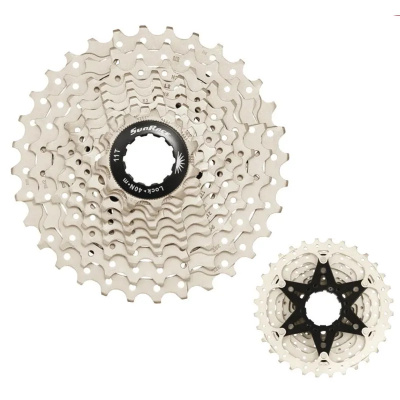
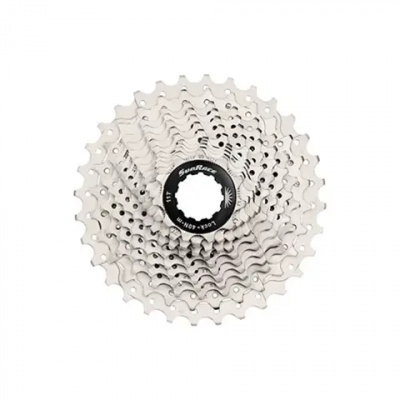
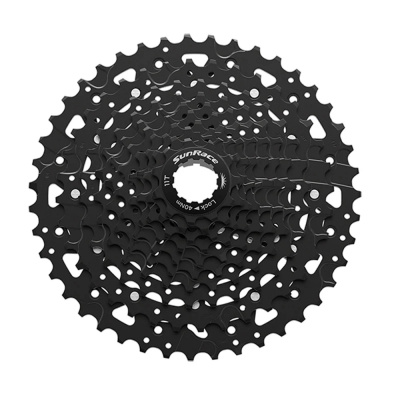
A Sunrace 10 speed cassette is one of the most cost-effective ways to breathe new life into an ageing drivetrain - whether you're dragging an older hardtail into the 1x10 era or simply replacing a worn-out block before the winter riding season kicks off. Sunrace covers the full spread: tight-ratio road options for those who live and die by marginal gearing steps, right up to the cavernous Sunrace 11-46t 10 speed upgrade range that makes grinding up steep Welsh climbs a far more dignified experience.
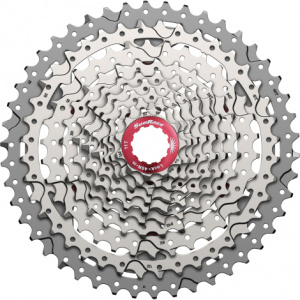
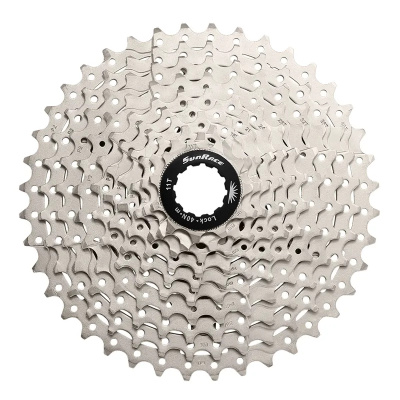
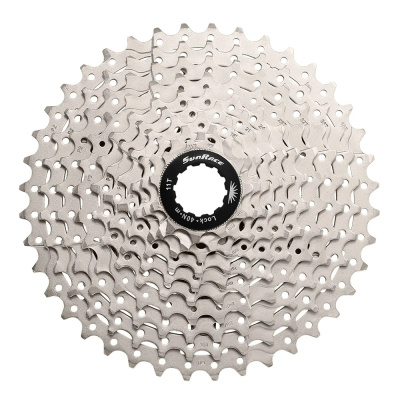
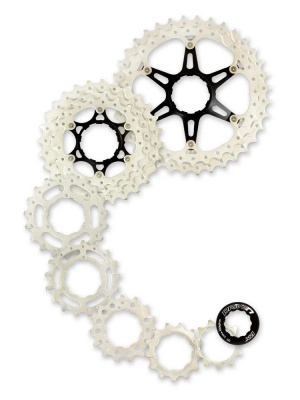
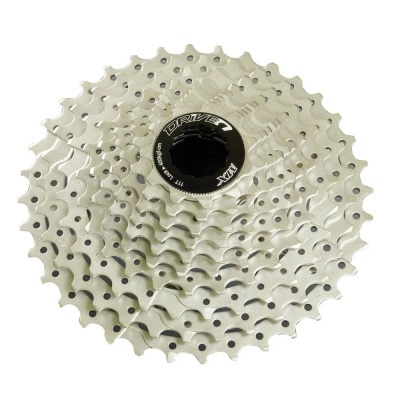
Across the range you get Fluid Drive Plus gear profiling - essentially shift ramps and tooth profiles engineered to let the chain move cleanly between sprockets even when you're mashing under load rather than backing off like you probably should. Steel sprockets keep costs down and durability credible; the MX-series models add an alloy spider on the larger cogs, saving a few grams and protecting softer alloy freehub bodies from the grooves that heavy steel cassettes can dig in over time.
Shimano HG freehub compatibility means these drop straight onto the vast majority of bikes on UK roads and trails without adapter faff. They work with SRAM derailleurs too, provided you're on a standard freehub body rather than XD. For the money, very little comes close.
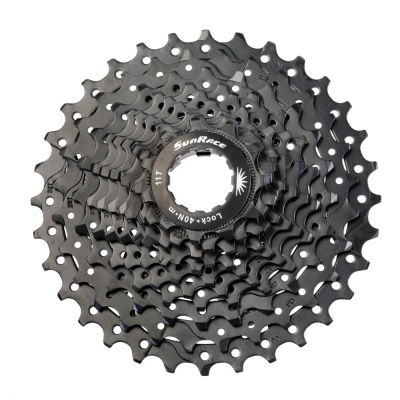
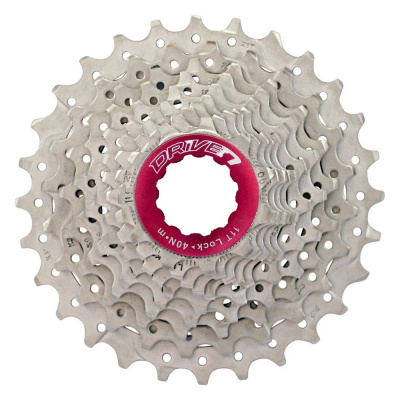
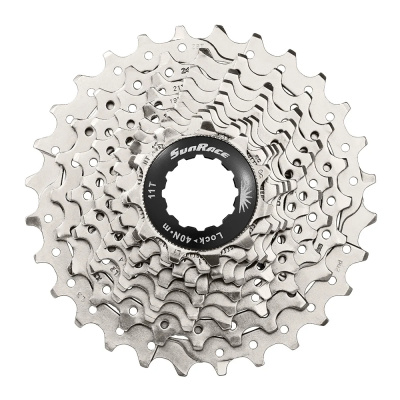
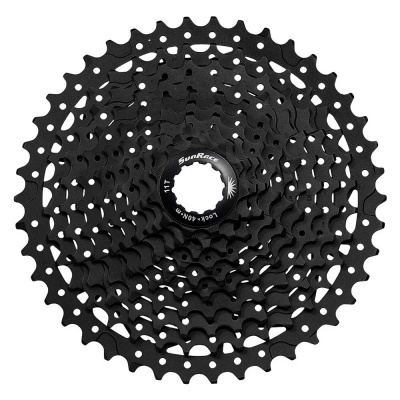
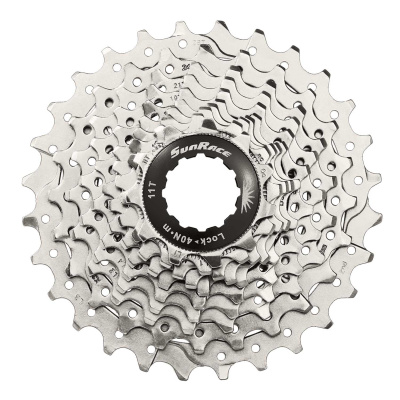
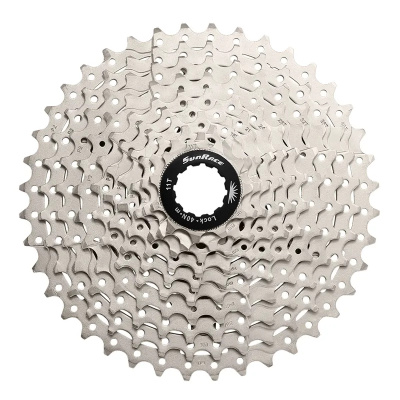
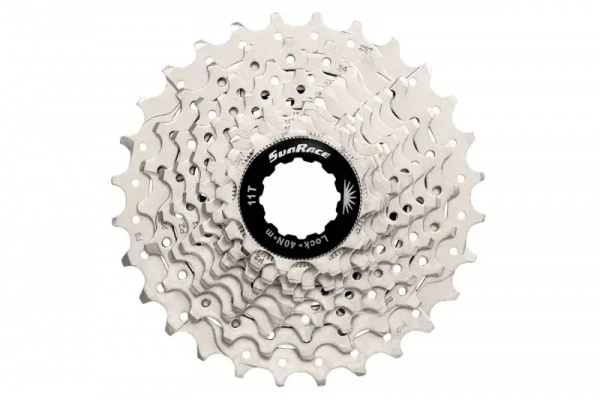
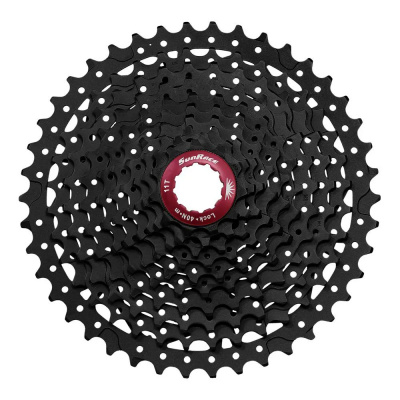
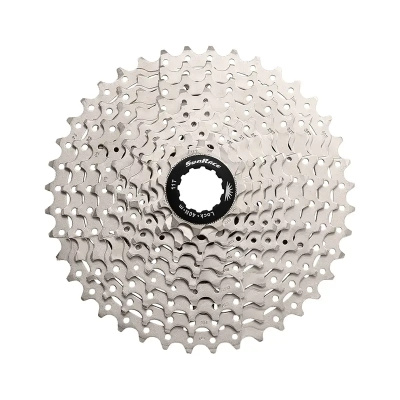
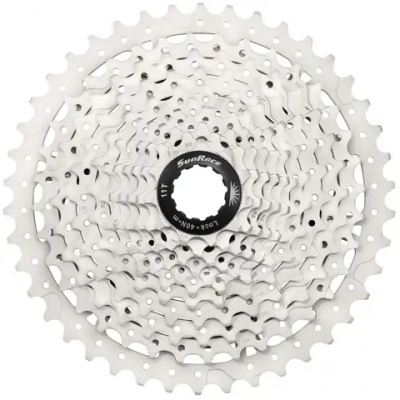
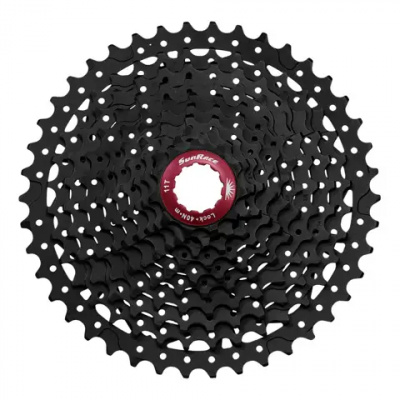
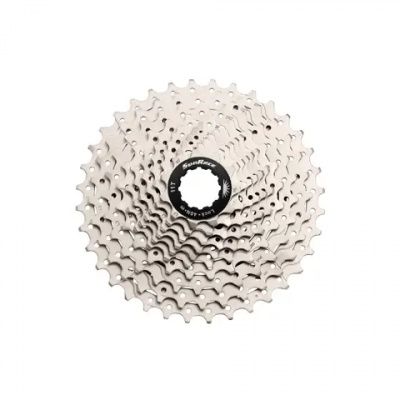
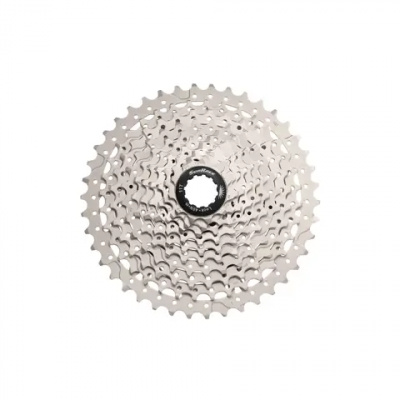
Prices and availability can change quickly. Delivery charges are not always included in listed prices.
Final price, stock status and delivery terms are set by retailer. We may receive a commission on purchases made.
Will It Actually Fit? Compatibility and Cage Capacity
The short answer for most riders: yes. Sunrace 10 speed cassettes use the standard Shimano HG splined freehub body - the same interface that's been on almost every non-boost MTB and road bike for decades. That means they're Shimano compatible out of the box, and they'll also play nicely with SRAM compatible 10-speed drivetrains running a standard freehub. What they won't fit is SRAM's XD driver body or Shimano's newer Micro Spline standard, so double-check your hub before ordering.
Where things get more interesting is at the wide end of the range. Swapping to a Sunrace 11-42t 10 speed cassette or the even larger 11-46t block isn't always a straight swap - your derailleur needs enough total capacity to handle the jump between smallest and largest sprockets. A short-cage mech almost certainly won't manage an 11-46t; you'll need a medium or long cage. Beyond that, a longer B-tension screw or even a hanger extender may be needed to keep the derailleur knuckle clear of that big sprocket. It's worth checking your derailleur's maximum sprocket size spec before you order - most modern mid-range mountain derailleurs handle 42t fine, but 46t is where some start to struggle. A quick measure of your chain length while you're at it never hurts; a longer cassette spread usually means adding a link or two.
If you're after individual sprockets or a replacement lockring rather than a full cassette, those are listed separately in our cassette spares section.
MS or MX: Picking the Right Sunrace Cassette for the Job
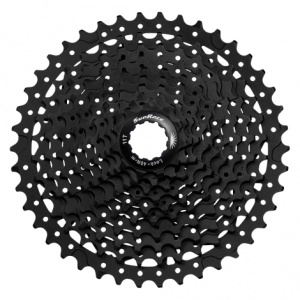
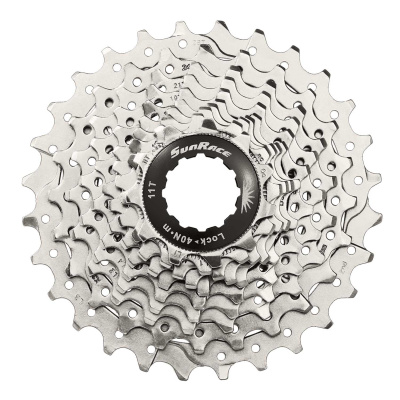
Sunrace runs two main 10-speed lines, and the differences matter more than the naming suggests. The CSMS1 is the workhorse: all-steel construction, heavier than the alternatives, and genuinely hard-wearing. If you're commuting through winter or just want something that doesn't care how much grim it accumulates, this is the one. Nothing fancy, just reliable.
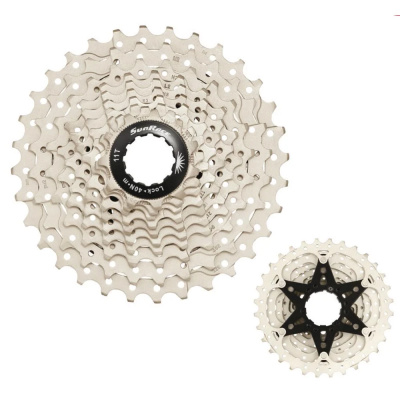
Step up to the CSMS3 and you get the same durable steel cogs on the smaller sprockets, but an alloy spider carries the larger ones - trimming weight without compromising the wear surfaces that actually contact the chain. It's a reasonable middle ground for trail riders who want a bit less mass without paying premium prices.
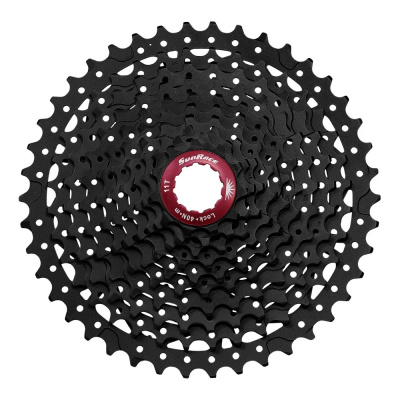
The CSMX3 is where the wide-ratio options tend to live, and it's the cassette worth considering if your freehub body is alloy rather than steel. That alloy spider doesn't just save weight - it actively distributes load across more of the freehub interface, reducing the risk of the cassette cutting grooves into a softer hub over time. If you've ever had to replace a freehub body because a heavy steel cassette chewed into it, you'll appreciate why this matters. The weight saving over the MS1 is noticeable in hand, though probably not something you'd feel mid-ride. Where you do notice it is on your wallet - the MX3 costs more, so unless you're running alloy hubs or genuinely counting grams, the MS3 often hits the better value point.
For context on how Sunrace's pricing sits against the big players, it's worth comparing against Shimano cassettes and SRAM cassettes at equivalent ratios - Sunrace typically undercuts both at the same specification level, which is why it's a go-to for workshop builds and budget-conscious upgrades.
Keeping It Running Through a UK Winter
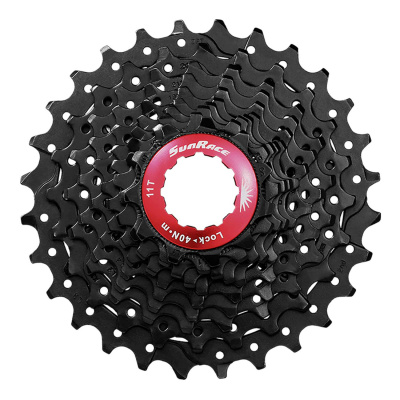
British winters aren't kind to cassettes. The combination of wet grit and sticky clay mud - particularly on Peak District limestone tracks or the churned-up bridleways you find across much of the Midlands - turns a neglected drivetrain into grinding paste inside a couple of months. Sunrace's ED Black coating offers genuine rust resistance over bare steel, and it's worth prioritising that finish over the standard Metallic Silver if your bike spends any time outside or in an unheated garage.
That said, no coating survives being ignored. The Fluid Drive Plus shift ramps that make these cassettes feel crisp when new will clog with road film surprisingly quickly if you're not degreasing regularly - a proper drivetrain clean every few rides in winter, not just a wipe-down, keeps shifting clean and extends the life of the sprocket profiling significantly.
One thing that catches people out: fitting a new cassette onto a worn chain will have it skipping within days. Always replace your 10-speed chain at the same time. A chain wear indicator costs next to nothing and removes the guesswork; 0.75% stretch is generally the point to swap on a 10-speed setup. Pair the cassette with a quality 10-speed chain and you're giving both components the best chance of lasting a full season. Finish with a wet lube rated for UK conditions and you're sorted - dry lube washes off too fast to be worth it from October through April.
For wider drivetrain servicing - bottom brackets, chainrings, and the rest - our drivetrain components section covers the full picture. And if you're building up a best Sunrace 10 speed cassette for MTB setup from scratch, pairing the right cassette with a matched crankset and front ring makes a bigger difference to shift quality than most riders expect - it's worth browsing cranksets while you're speccing things out.
Sunrace 10 Speed Cassettes FAQs
Are Sunrace 10 speed cassettes compatible with Shimano?
Yes - Sunrace 10 speed cassettes use the standard Shimano HG splined freehub interface, so they fit directly onto the vast majority of Shimano-equipped bikes without any adapters. They're also compatible with SRAM 10-speed drivetrains on standard freehub bodies. They won't fit SRAM XD drivers or Shimano Micro Spline hubs.
Do I need a longer chain when upgrading to a Sunrace 11-42t cassette?
Quite possibly. Moving to a larger maximum sprocket increases the total chain length required, particularly if you're coming from a tighter-ratio cassette like an 11-32t or 11-34t. Run the standard chain sizing method - big ring, big sprocket, add two links - to check. A medium or long-cage derailleur is also likely needed to handle the extra cassette range.
What is the difference between Sunrace MS3 and MX3 cassettes?
Both use steel cogs on the smaller sprockets with an alloy spider on the larger ones, but the MX3 uses a more refined alloy construction that's lighter and better suited to alloy freehub bodies - reducing the risk of the cassette cutting into softer hub material over time. The MS3 is heavier and slightly more durable for rough use; the MX3 is the better pick if weight or freehub protection matters to you.