
Campagnolo 10 Speed Cassettes
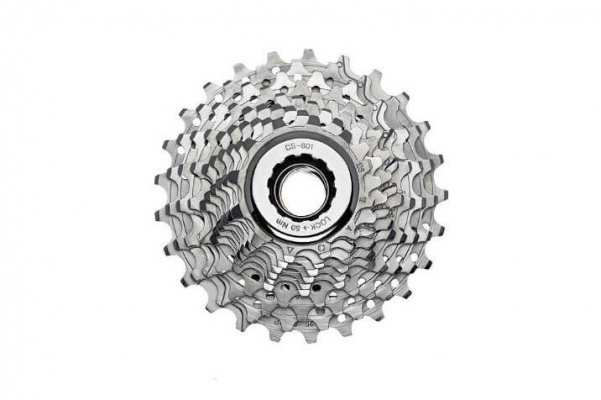
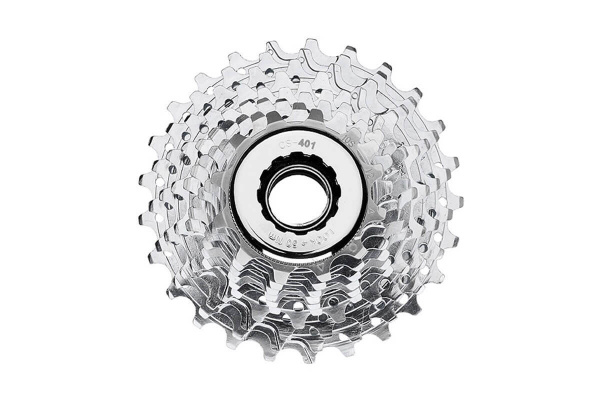
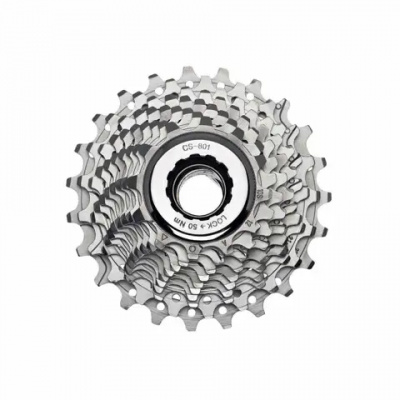
Campagnolo 10 Speed Cassettes are the straightforward way to keep a classic Italian groupset shifting the way it should - crisp, positive, and reliable through every gear change. Whether you're running Record, Chorus, Centaur, or Veloce, a genuine Campagnolo replacement cassette is what keeps the whole drivetrain honest.
The engineering behind these cassettes isn't complicated to appreciate. Campagnolo's Ultra-Drive geometry shapes each sprocket tooth to synchronise the shift at the exact moment you want it, not half a pedal stroke later. That matters whether you're grinding up a long drag in the Peaks or trying to stay smooth on a wet back-road descent. Steel sprockets with a nickel-chrome finish handle the work reliably and resist the rust that UK winters reliably dish out.
These aren't exotic, hard-to-find components. Veloce and Centaur cassettes in particular remain available as genuine Campagnolo 10-speed replacement cassettes, covering the gear ratios most riders actually need - including the popular Campagnolo 10 speed cassette 12-29 spread for hilly routes. If your current cassette is skipping, worn, or just overdue a change, this is the sensible fix that keeps your groupset performing as designed.
Prices and availability can change quickly. Delivery charges are not always included in listed prices.
Final price, stock status and delivery terms are set by retailer. We may receive a commission on purchases made.
Campagnolo Freehubs and What Fits Where
Before you buy anything, the freehub question needs answering clearly. Campagnolo uses a Campagnolo-specific deep-spline freehub body standard that is not interchangeable with Shimano or SRAM hubs. The splines are deeper and differently spaced - a Shimano freehub body looks similar at a glance, but a Campy cassette simply won't seat correctly on it. Don't assume your wheels are compatible just because they're the same speed. Check the hub shell first.
If your wheels run a Campagnolo-compatible freehub, then any Campagnolo 10-speed cassette will work with any Campy 10-speed shifter and rear derailleur combination. That's one less variable to worry about. The one thing to check is derailleur cage length - a short-cage mech generally handles up to around 26 or 27 teeth comfortably, so if you're after a 29T maximum sprocket for a hillier setup, confirm your derailleur is rated for it. Riders on Campagnolo 10 speed rear derailleurs can cross-reference max sprocket capacity easily before committing to a cassette choice.
Worth knowing: if you're set on Campagnolo cassettes but running non-Campy wheels, Miche 10 speed cassettes produce conversion-style options designed to bridge the gap, though that's a different product category entirely. Equally, if you're weighing a full switch in drivetrain philosophy, Shimano 10 speed cassettes and SRAM 10 speed cassettes exist for riders who've decided to move away from the Campagnolo ecosystem.
One more practical point here: always pair a new cassette with a fresh Campagnolo 10 speed chain. A worn chain on new sprockets beds in unevenly from day one and accelerates drivetrain wear faster than you'd expect.
Veloce and Centaur: What's Actually Available
Higher-tier Campagnolo 10-speed cassettes - Record and Chorus - do still surface, but largely as new-old-stock from specialist retailers. Supply is unpredictable. For practical purposes, the Veloce 10 speed cassette and the Centaur 10 speed cassette are the tiers you can actually plan around.
Both use individual steel sprockets with a nickel-chrome surface treatment - and that's not a compromise. The titanium sprockets found on older top-end Campagnolo cassettes are lighter, but steel with a good finish is considerably more durable under load and through winter mileage. For a training bike or an all-weather workhorse, Veloce and Centaur are arguably the more sensible choice over ageing NOS titanium sprockets of uncertain provenance.
The sprocket spacing on both tiers follows the same Ultra-Drive geometry standard as the rest of the Campagnolo range, so shifting performance doesn't take a dramatic step down from the higher-end groupsets. The tooth profiling still does the same job of guiding the chain cleanly across the block under pedalling load. You're not sacrificing the fundamental mechanism - just some grams and some finish quality on the spider carrier.
Gear ratios across the Veloce and Centaur ranges typically run from close-ratio options suited to fast, flatter riding through to 12-29 spreads that give you enough range for sustained climbs. A 12-25 works well for rolling road rides; step up to a 12-27 or 12-29 if your regular routes include anything resembling the cols of mid-Wales or a proper Scottish descent with a long drag back out. Match the cassette to the ride, not to what looks most impressive in a spec sheet.
Keeping It Running Through a UK Winter
UK road grit is a drivetrain's worst enemy. What looks like harmless road muck is effectively a grinding paste - fine particles of stone, salt, and road surface debris that works into every interface between chain and sprocket. Left unchecked, it chews through even a nickel-chrome-finished steel cassette faster than the mileage would suggest.
The nickel-chrome finish on Campagnolo's steel sprockets does meaningful work here. It reduces surface friction and creates a genuine barrier against rust during the months when your bike spends half the ride wet and the other half damp. It's not armour plating, but it extends service life noticeably compared to bare steel.
Servicing is straightforward if you're consistent. After wet or muddy rides, a stiff brush and a proper degreaser through the cassette takes a few minutes and pays back in longevity. Let it build up and you're just accelerating the wear cycle. Check chain stretch regularly with a chain checker tool - 0.5% wear is when Campagnolo recommends replacement; push past 0.75% and you're into the territory where a new chain won't rescue a worn cassette.
Never run a worn chain on a new cassette expecting it to sort itself out. It won't. The chain will skip under power immediately, and within a few hundred kilometres you'll have worn the new sprockets into the shape of the old chain. Replace both together - it's the single most cost-effective habit in drivetrain maintenance.
For installation and removal, make sure you've got the right kit before you start. You'll need a lockring tool and a chain whip - and that lockring tool must be the right one. See the FAQ below for specifics, and check the Campagnolo tools category for compatible lockring tools and chain whips before you crack out the workshop stand.
Campagnolo 10 Speed Cassettes FAQs
Are all Campagnolo 10-speed cassettes compatible with each other?
Yes. Any Campagnolo 10-speed cassette works with any Campagnolo 10-speed shifter and rear derailleur - the whole ecosystem shares the same sprocket spacing and freehub standard. The one thing to check before buying is whether your rear derailleur cage is long enough to accommodate your chosen maximum sprocket size, particularly if you're going to a 29T.
Can I put a Campagnolo 10-speed cassette on a Shimano wheel?
No. Campagnolo's deep-spline freehub body is a different standard to Shimano's - the splines are deeper and differently positioned, so the cassette won't seat properly on a Shimano hub. You either need a Campagnolo-compatible freehub body or a third-party bridging option like a Miche conversion cassette designed specifically for this purpose.
What tool do I need to remove a Campagnolo cassette?
You need a Campagnolo-specific splined lockring tool paired with a standard chain whip. Shimano lockring tools look almost identical but the spline pattern is different - they won't engage a Campagnolo lockring correctly and you risk rounding it off. Use the right tool; it's a cheap piece of kit that saves an expensive headache.