
SRAM 10 Speed Cassettes
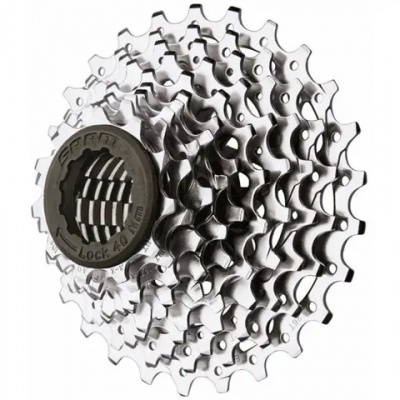
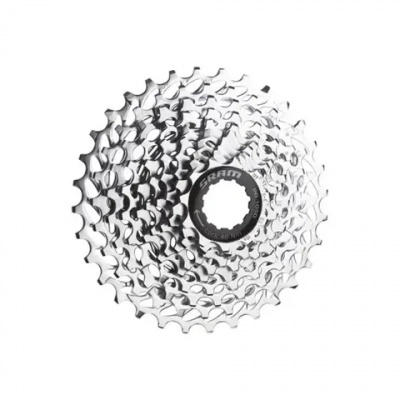
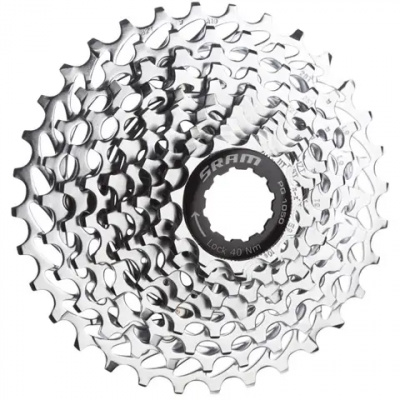
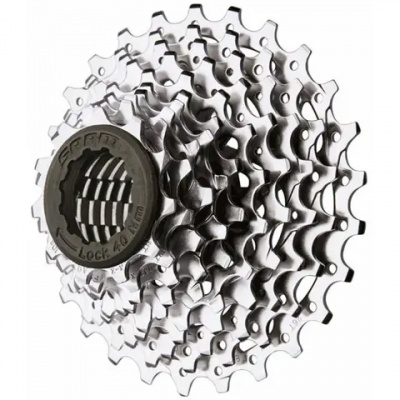
A SRAM 10 speed cassette is one of the more straightforward drivetrain upgrades you can make - and the range is wider than most riders realise. Whether you're nursing an ageing Exact Actuation mountain bike groupset back to life or refreshing a road bike that's clocked up a few too many wet winter miles, SRAM's 10-speed cassettes use PowerGlide II tooth profiling to keep shifts clean even when you're pushing hard on a climb. That ramp-and-ramp geometry isn't just marketing - it genuinely smooths out shifts under load, which matters when you're grinding up something steep in the Peak District and can't afford a missed change.
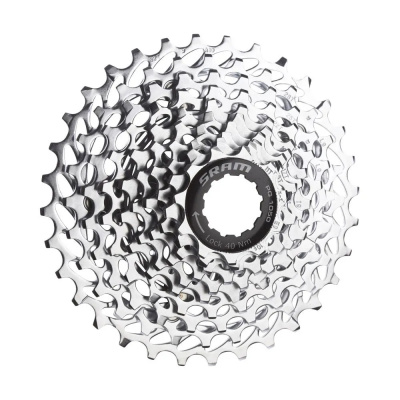
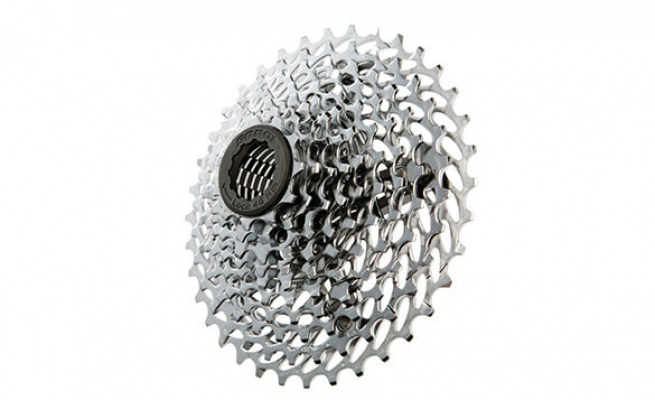
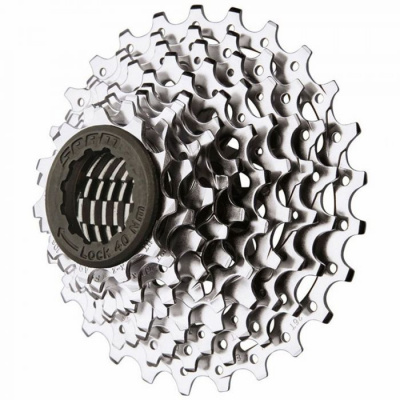
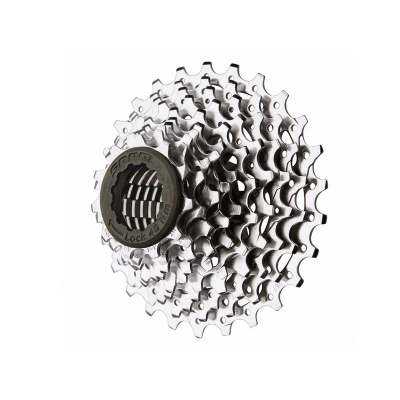
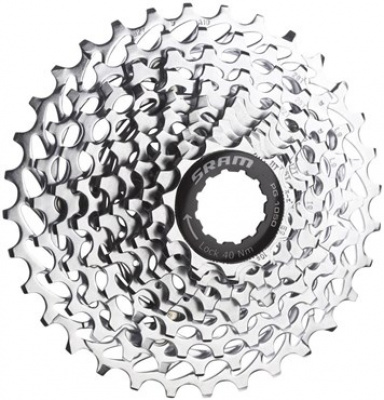
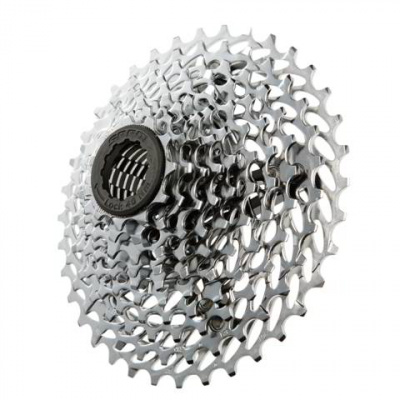
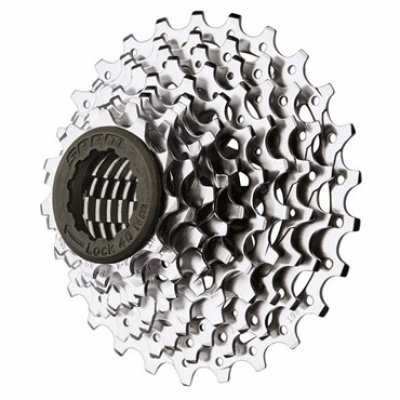
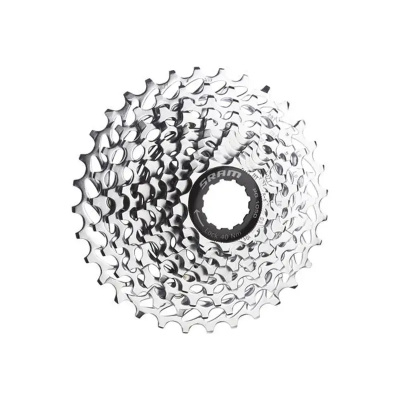
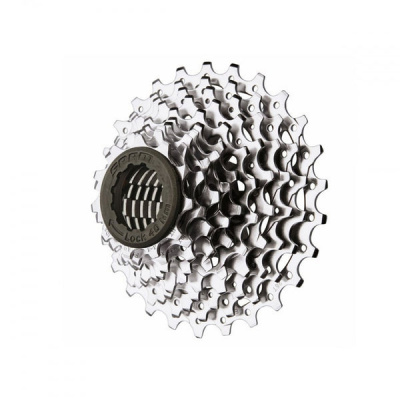
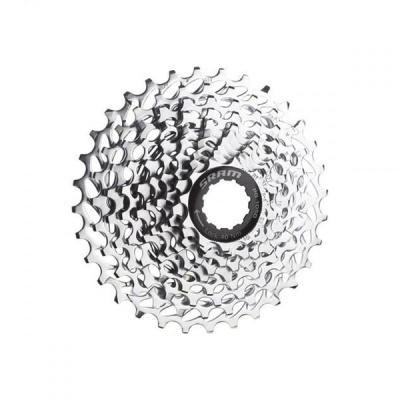
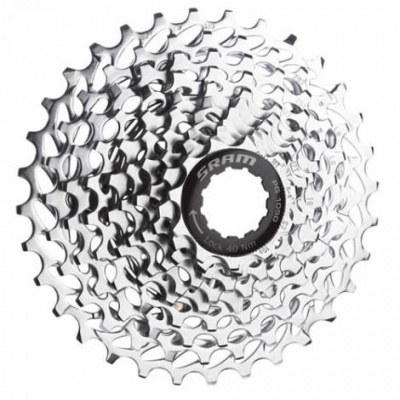
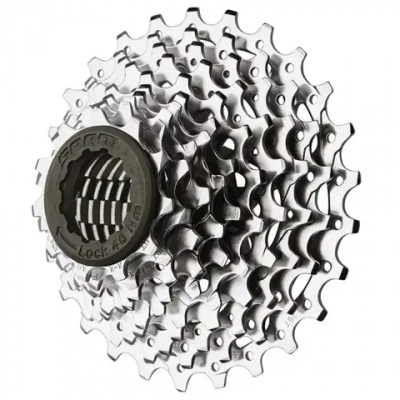
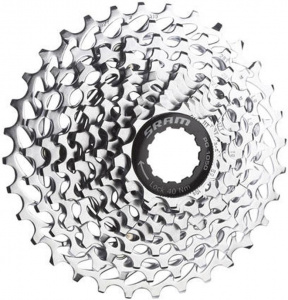
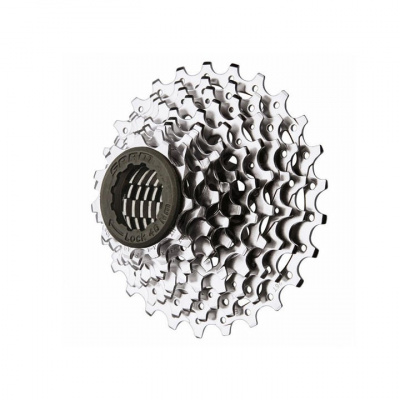
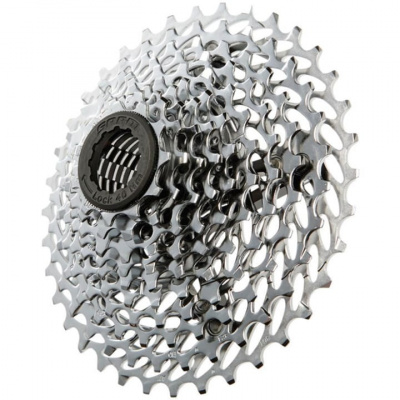
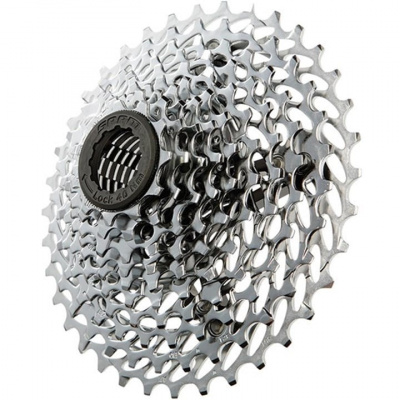
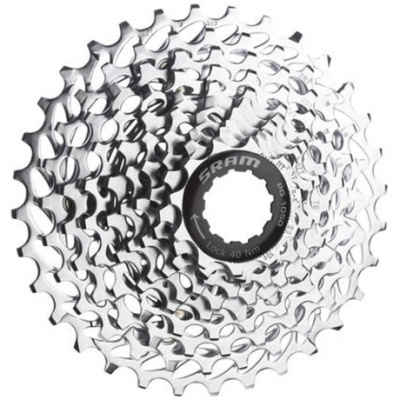
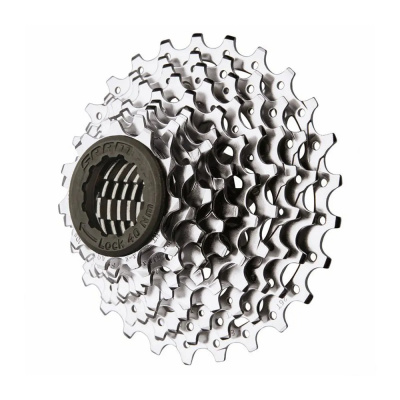
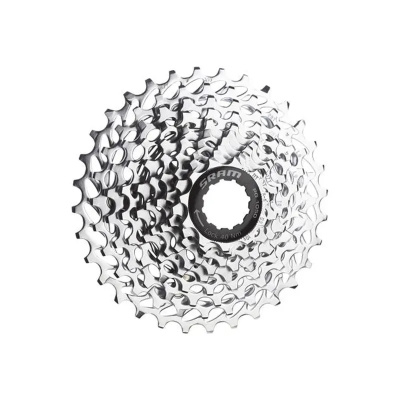
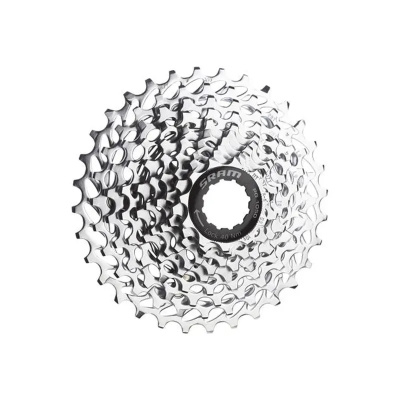
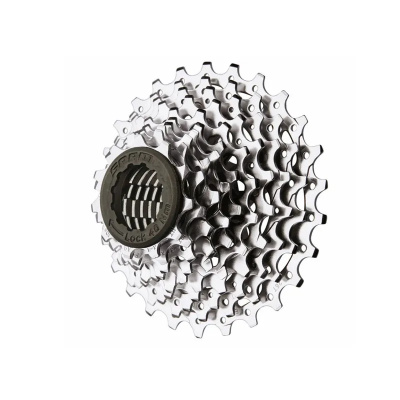
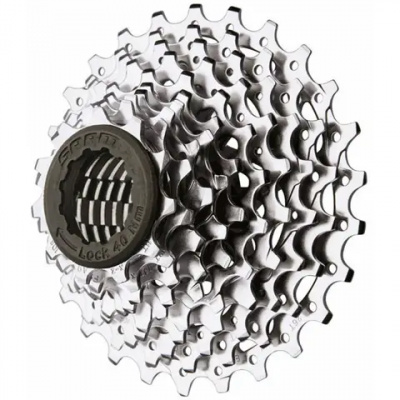
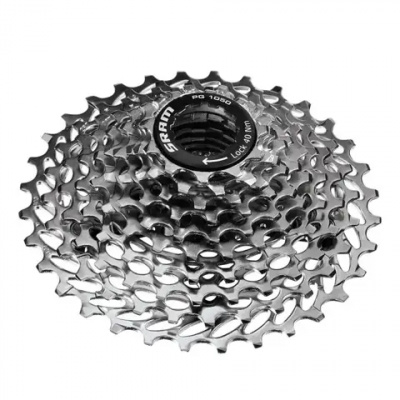
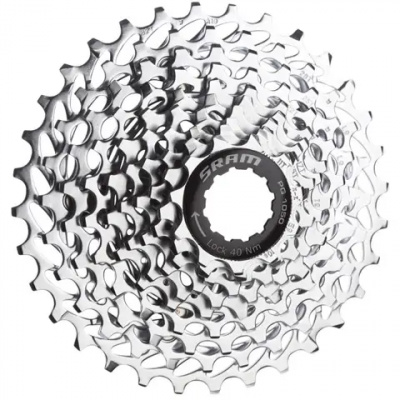
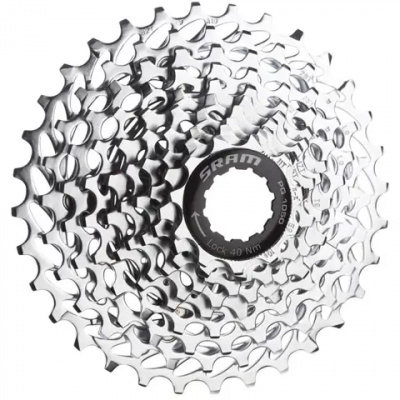
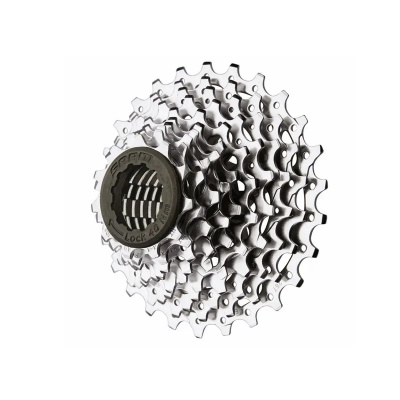
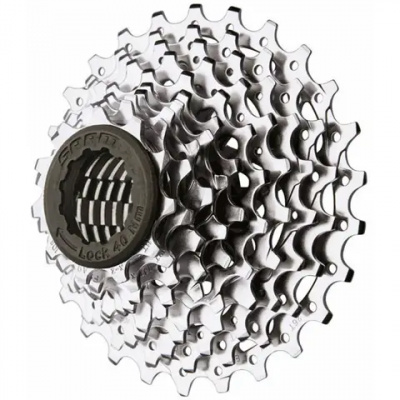
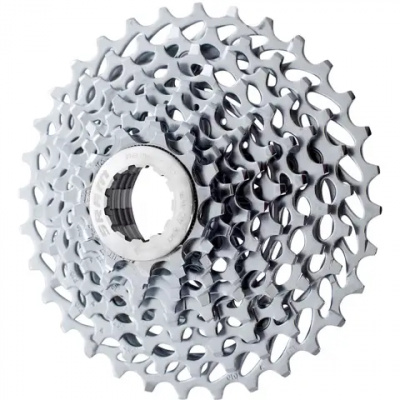
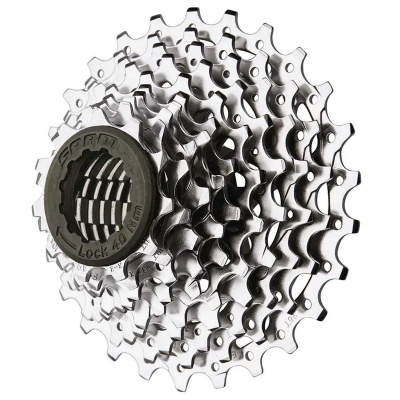
The lineup covers gear ratios from tight 11-28t road setups right through to 11-36t WiFLi options - that's Wider, Faster, Lighter in SRAM's language, designed to give you a broader range without needing a triple chainring. All of them mount to the standard HG splined freehub body, so if your wheel is already running 10-speed, you almost certainly won't need a new hub. Available ratios include 11-28t, 11-32t, and 11-36t, with steel cogs across the range and an aluminium spider on the top-tier model to trim weight where it counts.



Prices and availability can change quickly. Delivery charges are not always included in listed prices.
Final price, stock status and delivery terms are set by retailer. We may receive a commission on purchases made.
Will It Fit? Freehubs, Cage Length, and Cross-Brand Compatibility
The short answer on freehub compatibility: SRAM 10-speed cassettes use the same HyperGlide splined freehub body - often called HG splined - that Shimano and most other brands have used for 8, 9, and 10-speed systems for decades. You will not need an XD or XDR driver here. Those came in with SRAM's 11 and 12-speed systems; they're a different animal entirely. If your wheel already runs any 10-speed cassette, a SRAM unit will slot straight on.
Derailleur cage length is where things need a bit more thought. A short-cage derailleur can typically handle up to 28t without complaint. Step up to an 11-32t cassette and you'll want a medium cage at minimum. Go to 11-36t - the WiFLi range - and a long-cage or dedicated WiFLi derailleur is the right pairing; trying to run a 36t with a short cage is asking for a chain that hangs slack and skips when you don't want it to. Check your derailleur specs before you order, not after.
One genuinely useful detail: SRAM 10-speed cassettes share the same cog pitch as Shimano 10-speed. That means if you're running a Shimano 10-speed chain and derailleur, a SRAM cassette will work without any indexing voodoo. The Exact Actuation cable pull standard SRAM uses on their 10-speed groupsets is compatible with Shimano 10-speed cable pull, so mixing and matching components across the two brands is more practical than many riders assume. Worth knowing if you're piecing together a winter hack or replacing just the cassette mid-season. If you're weighing up alternatives at this point, Shimano 10 speed cassettes and SunRace 10 speed cassettes cover a similar compatibility base and are worth a look for comparison.
PG-1030, PG-1050, PG-1070: Picking the Right Tier
SRAM's 10-speed cassette range stacks up into three clear tiers, and the differences between them are practical rather than cosmetic.
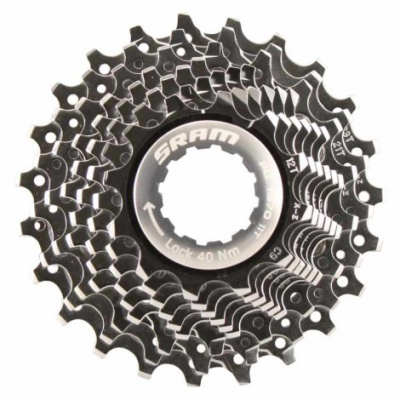
- PG-1030: All-steel cogs throughout. Heavy relative to the others, but that steel construction is what you want on a dedicated winter training bike or a commuter that lives in British grime. It takes punishment without complaining, and when it does eventually wear out, it won't have cost you much to replace. Pair it with a fresh chain and it'll outlast lighter options in the same conditions.
- PG-1050: Still steel cogs, but with a lighter lockring and a cleaner finish. The mid-tier option - better than the 1030 for a do-everything bike that isn't exclusively a winter slogger, without the premium of the top model. A sensible choice if you want reliable performance without obsessing over grams.
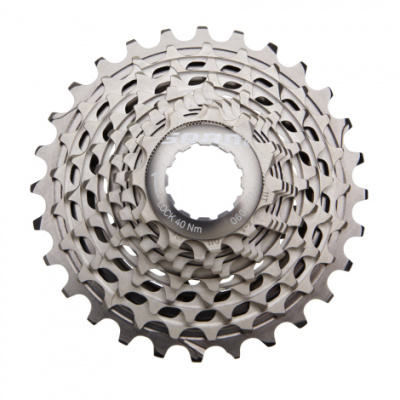
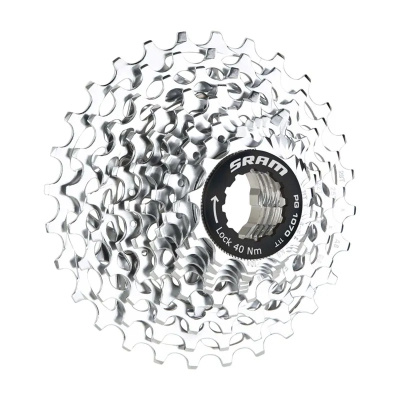
- PG-1070: This is where the semi-spidered design comes in. The larger cogs are mounted to an aluminium spider rather than being individual steel rings stacked together. The practical upshot: weight drops noticeably, the cassette is stiffer under hard pedalling, and - critically for anyone who's tried to clean a clogged drivetrain after a Welsh trail centre ride - mud clearance between the larger cogs is significantly better. It's the one to pick if weight or mud-shedding actually matters for your riding.
Across all three, PowerGlide II tooth profiling does the shifting work - optimised ramps and tooth shapes that help the chain move between cogs cleanly, including when you're loading the pedals. That's worth having at any tier. Whichever model you go for, fit it with a new chain; running a fresh cassette with a worn chain accelerates wear on both, and that's a waste of money regardless of which tier you chose. A SRAM 10 speed rear derailleur matched to the cassette range will get the best out of the shifting, and it's worth considering fresh jockey wheels if yours have seen better days.
Keeping a SRAM Cassette Alive Through a British Winter
UK mud doesn't just sit on your drivetrain - it works into every gap between the cogs and acts like grinding paste, accelerating wear on both chain and cassette faster than dry riding ever would. If you've got a dedicated winter bike, the all-steel PG-1030 is the pragmatic call. It's heavier, yes, but steel resists that abrasive action better than mixed-material designs, and you'll get more miles before it's scrap.
Maintenance rhythm matters more than most riders act on. After a muddy ride - the kind that leaves grit packed between every cog - get a stiff brush and some degreaser onto the cassette before it dries and hardens. A clean cassette wears measurably slower than a dirty one. When you fit or refit a cassette, torque the lockring to 40Nm with a proper lockring tool and chain whip. Under-torqued lockrings work loose; it's a straightforward thing to get right and saves a nasty surprise mid-ride.
The single biggest thing you can do to extend cassette life is replace your chain at 0.75% wear - not at 1%, where most chains are binned. A chain wear indicator costs almost nothing. Catching it at 0.75% and fitting a new chain can double or triple the life of the cassette underneath it. That's not an exaggeration; it's basic drivetrain mechanics that pays for itself quickly.
If you're running a second bike or want a budget-friendly comparison point, MicroShift 10 speed cassettes are worth a glance for the winter hack, and Campagnolo 10 speed cassettes suit a different compatibility base if you're running Campagnolo components. For anyone building up a complete drivetrain, pairing the cassette with a matched SRAM chainset keeps the whole system working as designed.
SRAM 10 Speed Cassettes FAQs
Are SRAM 10-speed cassettes compatible with Shimano?
Yes. SRAM 10-speed cassettes use the same cog spacing and HG splined freehub pattern as Shimano 10-speed, so you can run a SRAM cassette with a Shimano 10-speed chain and derailleur without any indexing issues. The two brands are genuinely interchangeable at this speed tier.
Do I need a specific freehub for a SRAM 10-speed cassette?
No - SRAM 10-speed cassettes fit the standard HyperGlide splined freehub body used across 8, 9, and 10-speed systems by most major brands. The XD and XDR drivers SRAM introduced for their 11 and 12-speed cassettes are not required here.
What is the difference between SRAM PG-1030, PG-1050, and PG-1070?
The PG-1030 is all-steel and built for durability - the right pick for winter bikes and heavy use. The PG-1050 adds a lighter lockring and a cleaner finish for mid-tier performance. The PG-1070 uses an aluminium spider on the larger cogs, cutting weight, adding stiffness, and improving mud clearance between cogs.