
Shimano 10 Speed Front Derailleurs
A worn or mismatched Shimano 10-speed front derailleur is the quickest way to turn a clean ride into a frustrating one - dropped chains on a steep Welsh climb, chain rub grinding away on a long Surrey lane. Shimano's 10-speed front mechs span road, gravel, and mountain bike use, and getting the right one back on your bike restores the crisp, confident shifting the drivetrain was designed for. Cold-forged linkages and precisely profiled cages are standard across the range, which means even the entry-level options shift with a positivity that cheaper alternatives rarely match.
That said, 10-speed is arguably the most tangled generation Shimano has ever produced when it comes to compatibility. Cable pull ratios differ between older road, newer road, and mountain bike groupsets - and mixing them up means your shifter and mech simply won't speak the same language. Mounting standards add another layer: braze-on tabs, 31.8mm and 34.9mm band-on clamps, and MTB-specific mounts all need matching to your frame. Browse the options below, and use our mechanic's guide further down the page to nail the right spec before you buy.
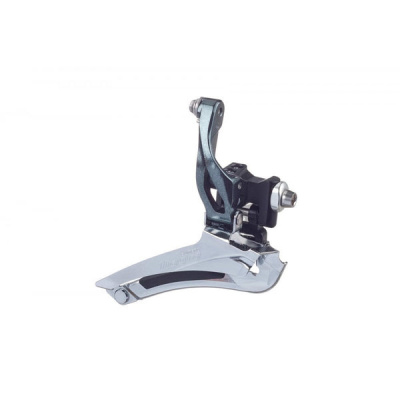
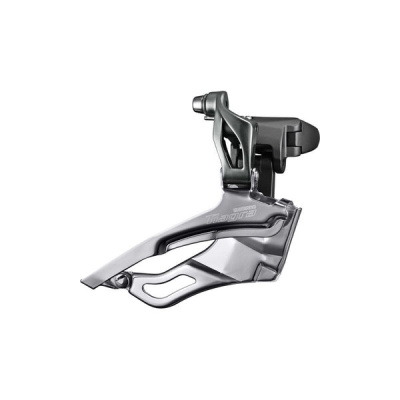
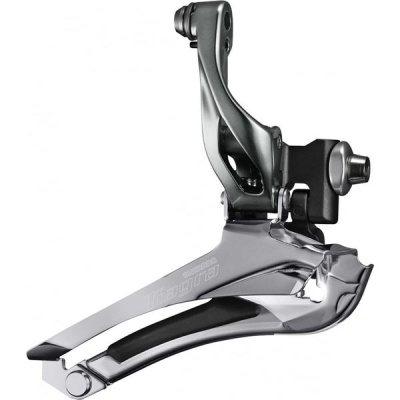
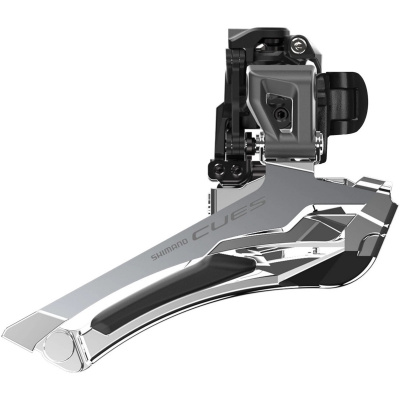
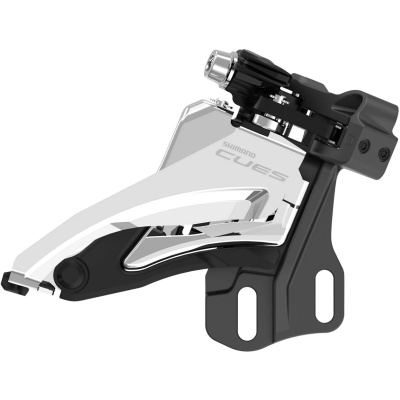
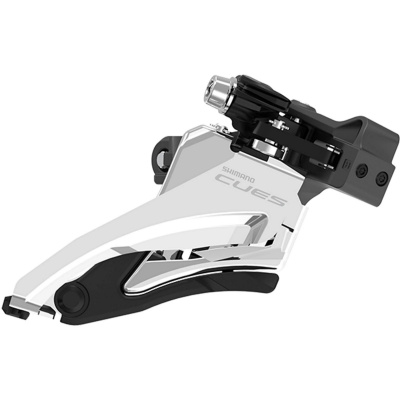
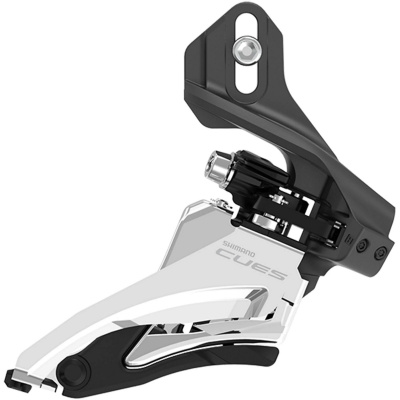
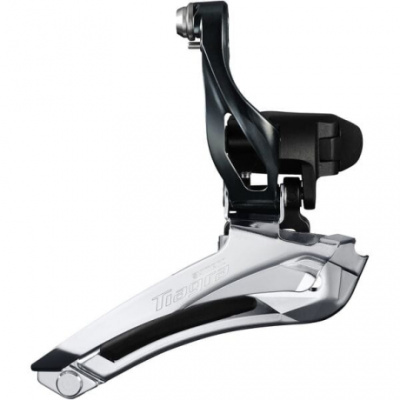
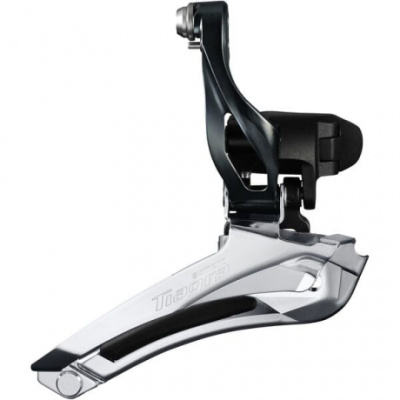
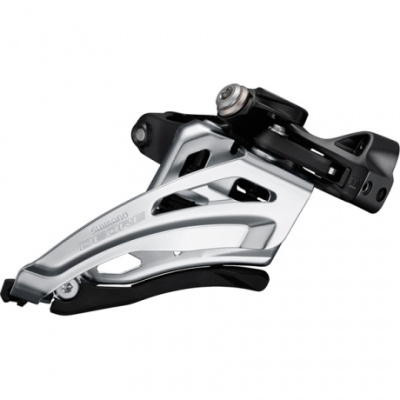

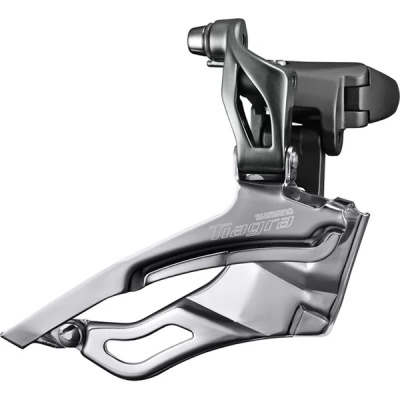

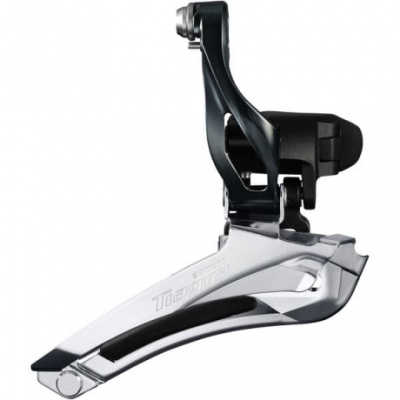
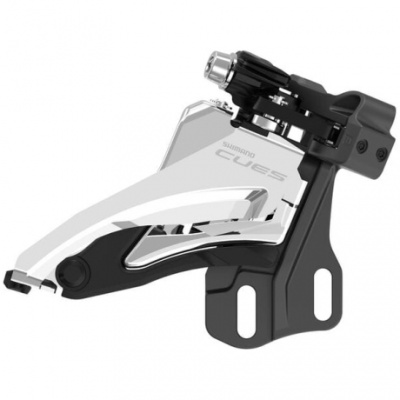
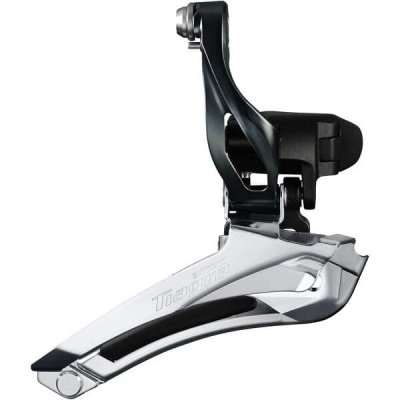
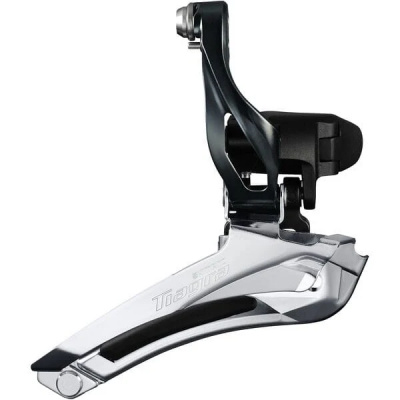
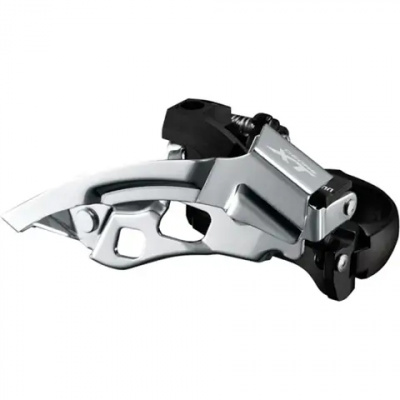
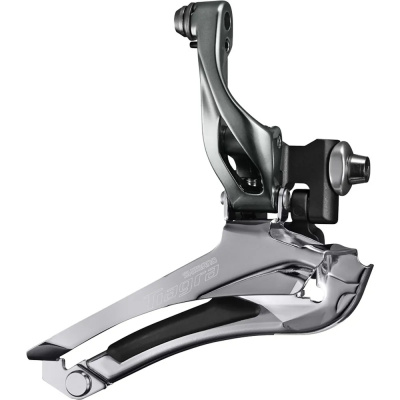
Prices and availability can change quickly. Delivery charges are not always included in listed prices.
Final price, stock status and delivery terms are set by retailer. We may receive a commission on purchases made.
Getting the Fit Right: Compatibility, Mounts, and Pull Ratios
Not all Shimano 10-speed front derailleurs are interchangeable - not even close. The single most important thing to establish before buying is which cable pull ratio your shifters use, because pairing the wrong mech will leave you with vague, clunky shifting no amount of barrel-adjuster tweaking will fix.
The dividing line that catches most people out: Tiagra 4700 and GRX 400 road and gravel mechs use an 11-speed cable pull ratio, despite being 10-speed components. That means they are completely incompatible with older 10-speed road shifters such as 105 5700 or Ultegra 6700. If your bike left the factory before roughly 2015 with a 10-speed road groupset, you need an older-generation mech to match. Check the groupset code on your shifters before you do anything else.
Mountain bike 10-speed sits in its own world entirely. Shimano's Dyna-Sys system uses a distinct cable pull ratio and chainline designed around the wider gear range and different frame geometry of MTB platforms. A Dyna-Sys mech will not work correctly with road or gravel shifters, full stop. If you're replacing a mech on a Deore-equipped hardtail or trail bike, stay within the MTB family.
Mounting standards are the next hurdle. Braze-on derailleurs bolt directly to a tab welded into the frame - tidy, light, and common on road and gravel bikes made in the last decade. Band-on clamp derailleurs wrap a metal collar around the seat tube, typically in 31.8mm or 34.9mm diameters, and suit older frames or those without a braze-on tab. MTB frames introduce further options: High Direct Mount and E-Type mounts are frame-specific, so measure your seat tube or check your frame manual. If you need a clamp adapter, Shimano derailleur clamps are available separately and worth sorting before the mech arrives.
Cable routing is the final piece. Top pull suits most road frames where the cable runs from above; bottom pull is common on older or more compact frames; side swing, found on newer MTB mechs, allows the cable to enter from the side of the mech body, which keeps routing clean on frames with tight tyre clearances. Get this wrong and you're improvising with cable guides you don't need.
Road, Gravel, and MTB: Which 10-Speed Family Suits You
Shimano's current 10-speed front mech lineup splits cleanly into three families, each tuned for a specific type of riding.
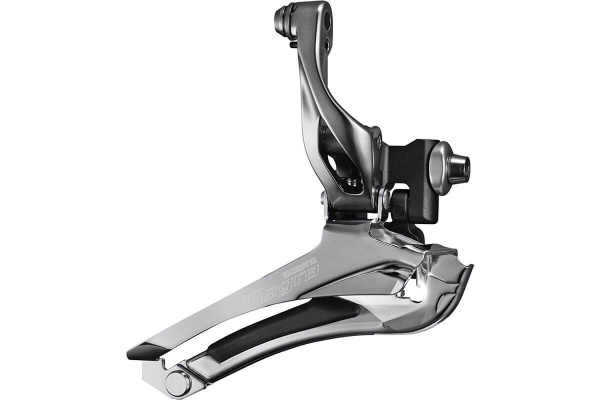
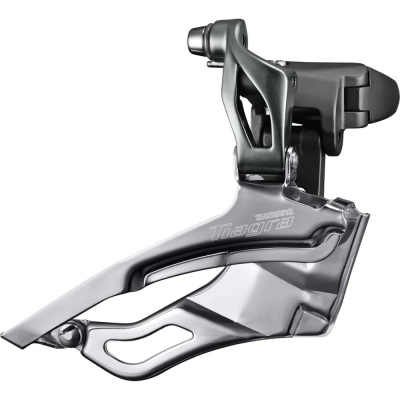
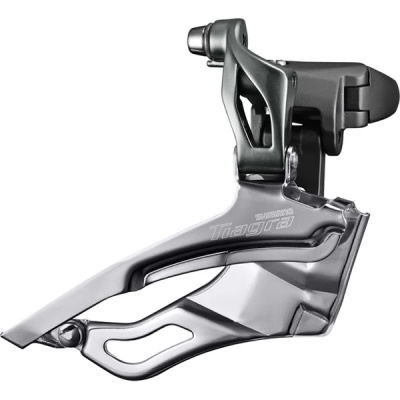
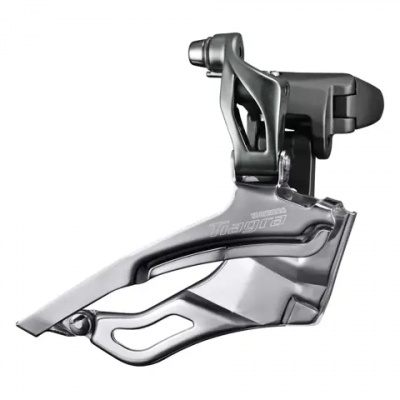
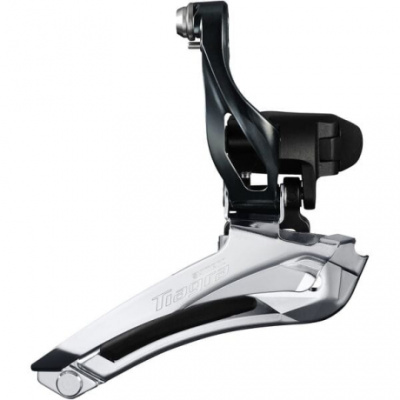
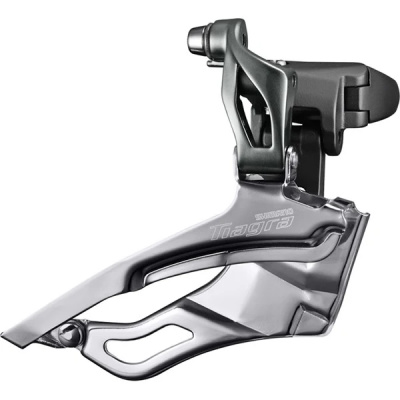
On the road side, the Tiagra 4700 is the standout. It borrows a Toggle Link Design from higher-tier groupsets - a reworked pivot geometry that dramatically reduces the cable force needed to move the cage. In practice, front shifts feel lighter and more responsive than you'd expect at this tier. It's a genuine trickle-down from Dura-Ace-era engineering, not just a badge swap. Paired with a matching Tiagra 4700 shifter, it's a solid choice for winter training bikes, sportive builds, and anyone refreshing an ageing road setup. Compared to Campagnolo 10-speed front mechs, the Tiagra's action is slightly heavier but the parts supply is far more accessible across UK bike shops.
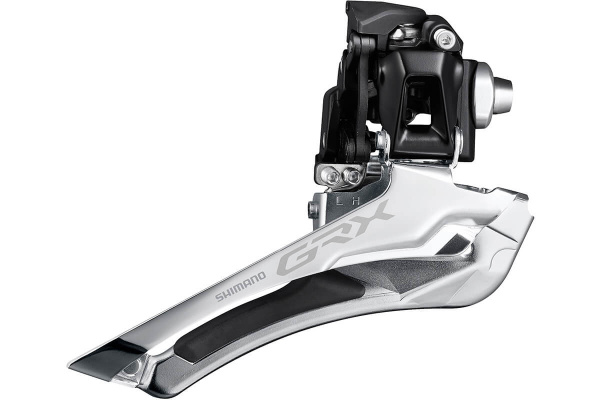
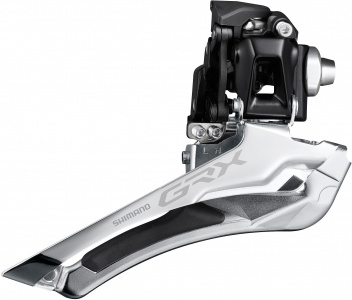
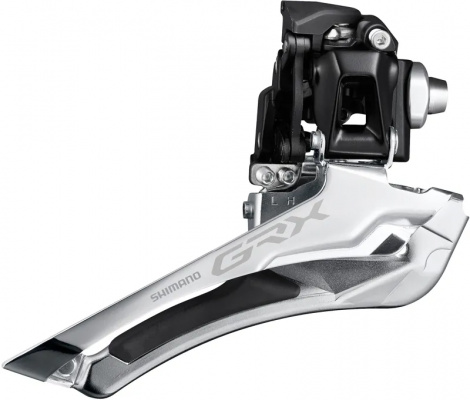
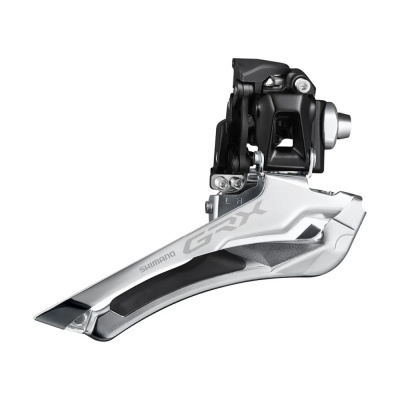
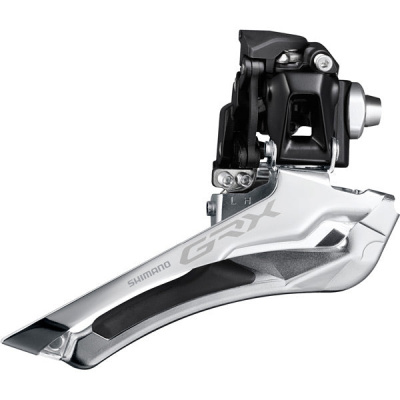
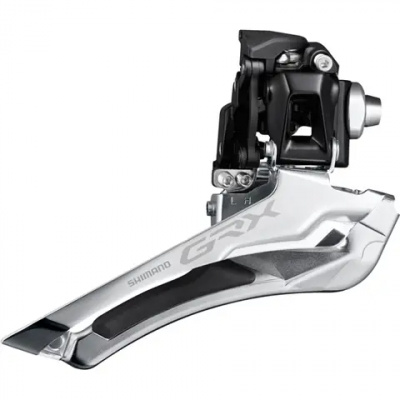
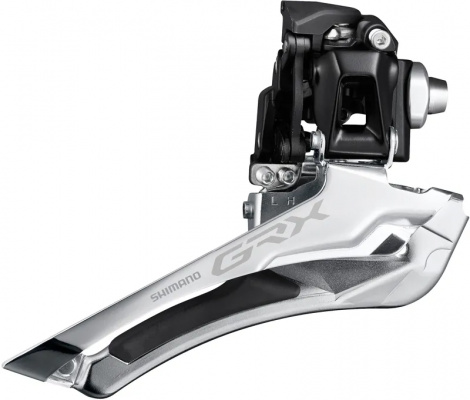
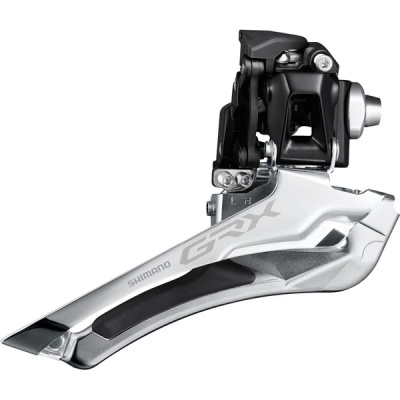
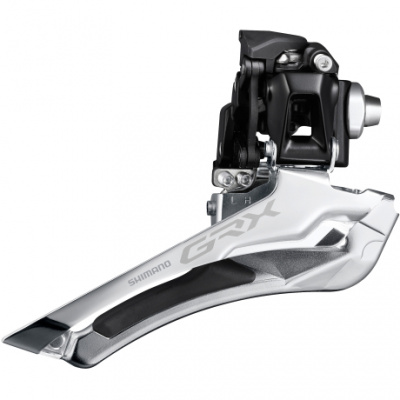
For gravel, the GRX 400 front derailleur is purpose-built. Shimano pushed the cage outward by 2.5mm compared to an equivalent road mech - a subtle change that makes a real difference on modern gravel frames running wider tyres and a broader chainline. If you're running 40mm or wider rubber on a dedicated gravel bike and wrestling with chain rub mid-ride, the GRX 400's adjusted geometry often resolves it cleanly. It handles the mud and debris common on UK bridleways better too, with clearances that keep the cage moving freely when things get properly dirty. It's worth pairing with a matching Shimano 10-speed rear derailleur to keep the drivetrain consistent.
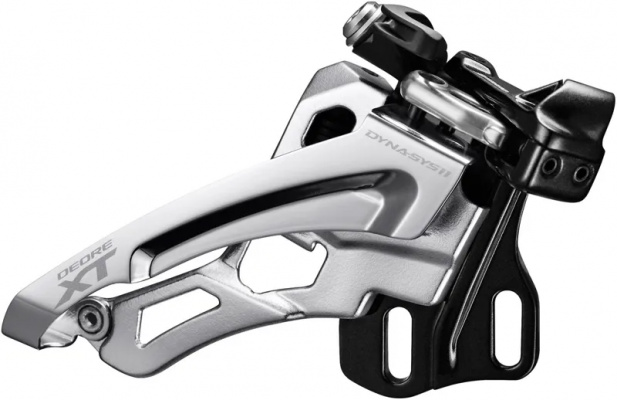
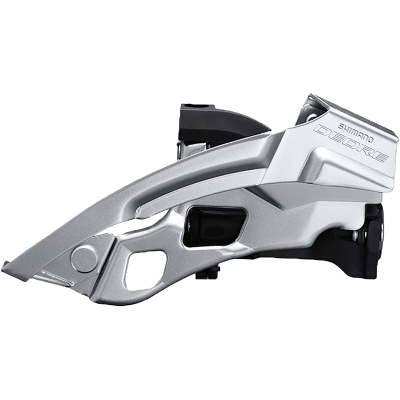
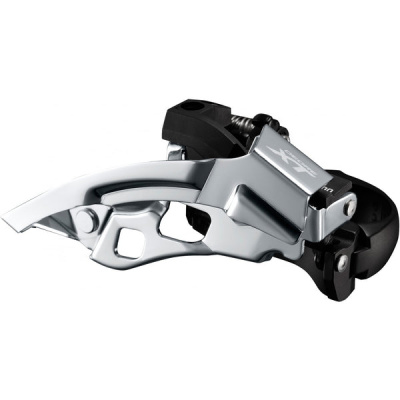
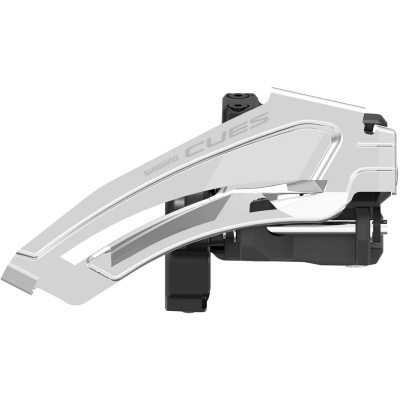
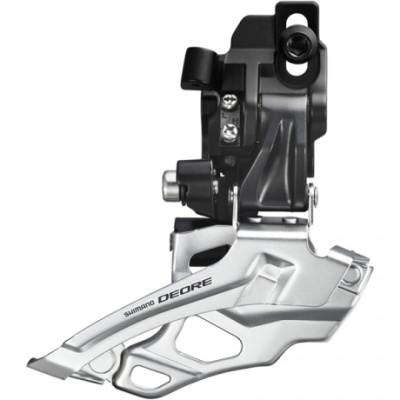
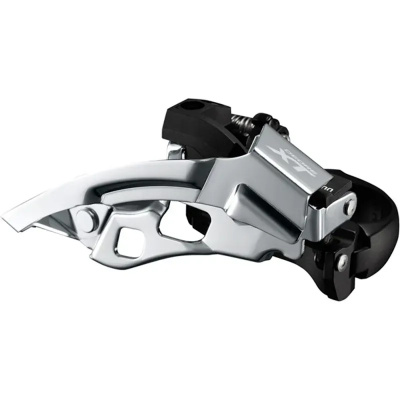
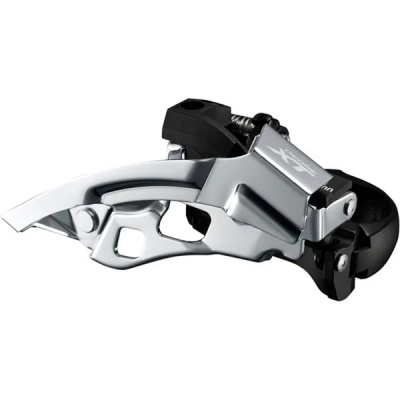
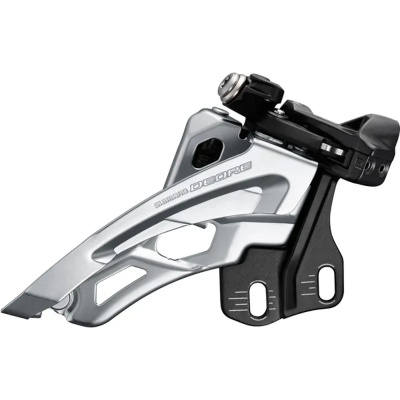
In the MTB world, the Deore M4100 front derailleur brings Side Swing technology to the range. Rather than the cage sweeping in the conventional arc, Side Swing moves it laterally - which frees up clearance around the tyre and keeps mud from packing into the mechanism. Cable routing enters from the side of the body, which suits modern frame designs far better than older top or bottom pull arrangements. Dyna-Sys-specific cable pull ratio means it's calibrated precisely for Deore-generation mountain bike shifters, giving positive engagement even when shifting under load on a climb. SRAM 10-speed front mechs are a reasonable alternative if you're already running SRAM shifters, but within a Shimano MTB drivetrain, staying in the Deore family makes setup straightforward.
Upgrading within the correct pull-ratio family - say, from an older Deore to a newer one - generally brings a stiffer cage and more precise pivot tolerances, which means faster shifts under load and less cage flex when the chain is under pressure on a steep pitch.
Keeping It Running: UK Conditions and Maintenance
Front derailleurs sit exactly where road spray from the rear wheel goes. On a wet ride in the Peak District or a muddy cyclocross lap, the parallelogram pivots collect grit and road salt faster than almost any other component on the bike. That grit doesn't just slow the action - it grinds the pivot surfaces, and once those are worn, no amount of lubrication restores crisp movement.
After any wet ride, flush the pivots with a light penetrant - something that wicks into the joints and carries the contamination out. Follow up with a heavier wet lube once it's dried. Keep a high-pressure hose away from the mech directly; it drives water and grit deeper into the pivots rather than clearing them. A soft brush and a bucket of soapy water does far less damage and still gets the cage clean.
One thing that's easy to misdiagnose: sluggish front shifting is very often not a failing derailleur spring, it's a contaminated inner cable under the bottom bracket. That section of cable sits in a gutter position and collects everything the road throws up. A sticky cable here loads the spring far beyond what it was designed for, and the mech struggles to return. Before replacing the derailleur, pull the inner cable, clean the outer housing entry points, and run a fresh cable. It fixes the problem more often than not. Pair your mech with a quality Shimano 10-speed chain and a compatible Shimano 10-speed cassette and the whole drivetrain will bed in quickly and shift cleanly for longer.
Shimano 10 Speed Front Derailleurs FAQs
Are all Shimano 10-speed front derailleurs cross-compatible?
No - and this is where it gets genuinely complicated. Newer 10-speed road and gravel mechs like Tiagra 4700 and GRX 400 use an 11-speed cable pull ratio, so they won't work with older 10-speed road shifters such as 105 5700 or Ultegra 6700. MTB Dyna-Sys components use a completely different pull ratio again. Match your mech to your shifter generation, not just your chain speed.
What is the difference between braze-on and band-on front derailleurs?
A braze-on derailleur bolts directly to a tab that's part of the frame - cleaner, lighter, and standard on most road and gravel bikes from the last ten-plus years. A band-on (clamp-on) derailleur uses an integrated metal collar that wraps around the seat tube, available in 31.8mm or 34.9mm diameters. If your frame has no braze-on tab, you need a band-on - measure the seat tube before ordering.
Can I use a Shimano 10-speed front derailleur with a double or triple chainset?
You need to buy the derailleur specified for your chainset configuration. Shimano makes separate 2x (double) and 3x (triple) front mechs - the cage shape, height, and capacity differ between them to suit the different chainring gaps. Fitting a double cage to a triple chainset, or vice versa, will cause poor shifting and likely chain drops.