
SRAM 10 Speed Rear Derailleurs
A SRAM 10 Speed Rear Derailleur is one of the most sensible drivetrain investments you can make right now - the 10-speed ecosystem is mature, widely available, and covers everything from a resurrected 26-inch trail bike to a winter road trainer that takes a proper battering on wet Lancashire lanes. Whether you're replacing a worn-out mech or building something custom, SRAM's 10-speed range has the breadth to cover it.
The whole platform runs on SRAM's Exact Actuation standard - a 3mm cable pull per shift that delivers consistent, predictable indexing across every model in the range. That uniformity is what makes this ecosystem so practical: road and MTB mechs share the same pull ratio, which opens up some genuinely useful cross-discipline builds. Fitting a wide-range mountain bike mech behind a drop-bar gravel setup, for instance, is straightforward rather than a compromise-laden hack.
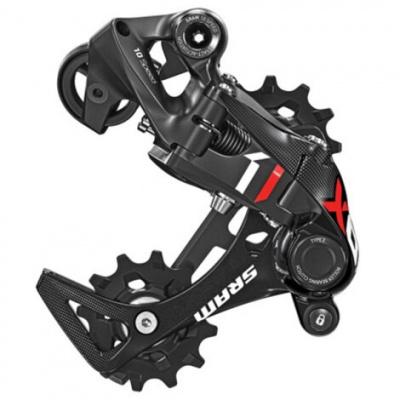
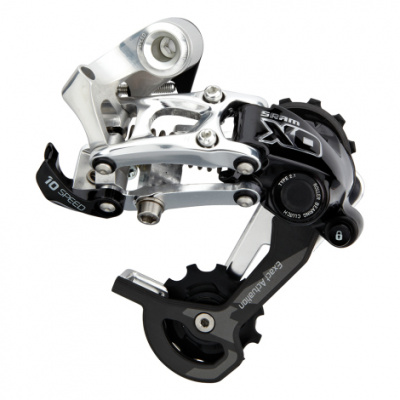
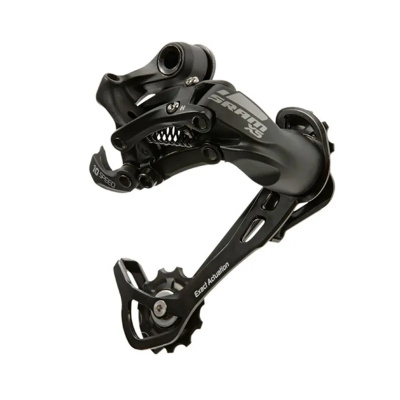
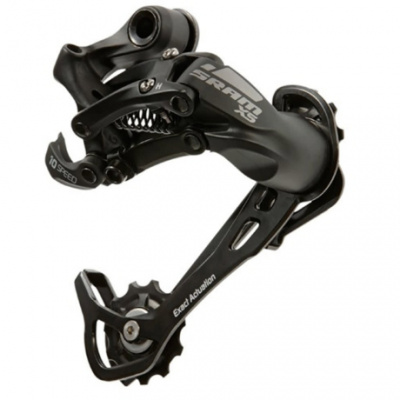
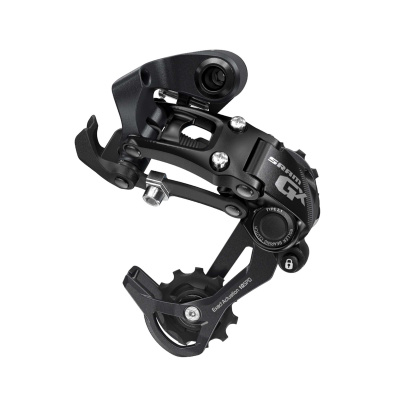
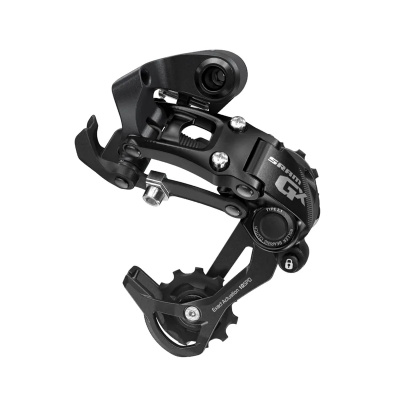
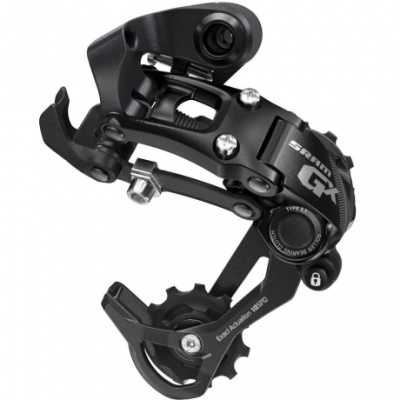
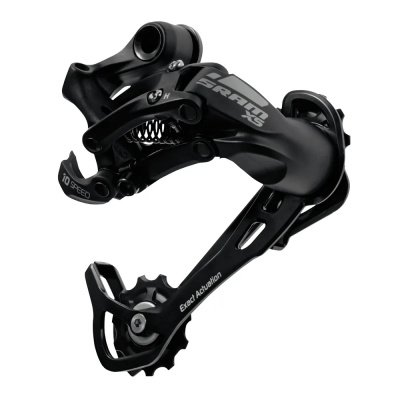
On the MTB side, the clutch-equipped X-series mechs deal with the kind of rooty, slippery descents you'll find in the Brecon Beacons or the Lake District without flinging chain everywhere. On the road and gravel side, WiFLi variants handle cassettes well beyond the usual range. Whatever you're running, there's a SRAM 10-speed mech that fits the job.
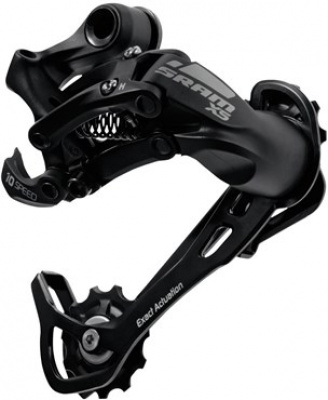
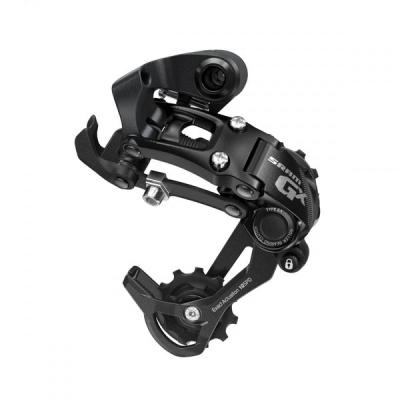
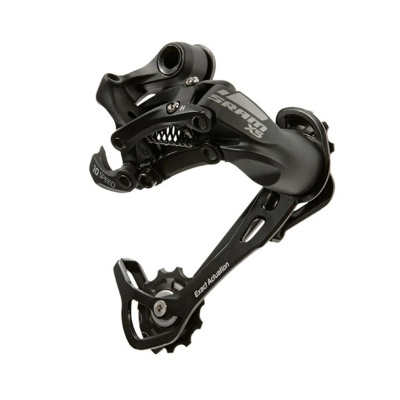
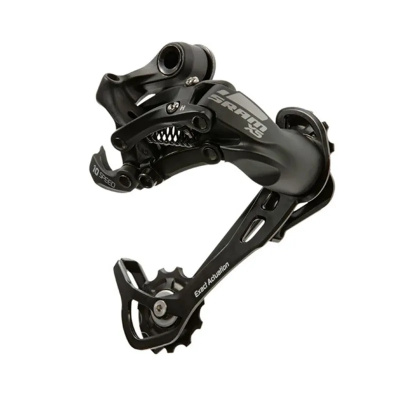
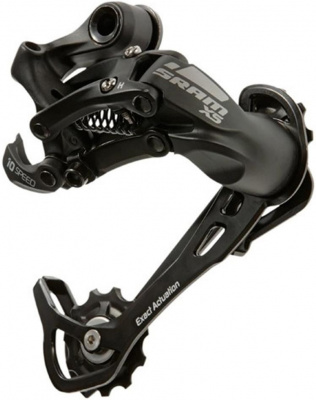
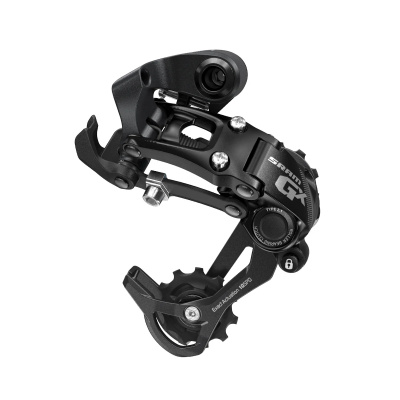


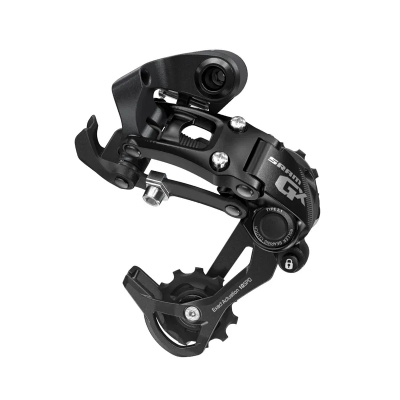
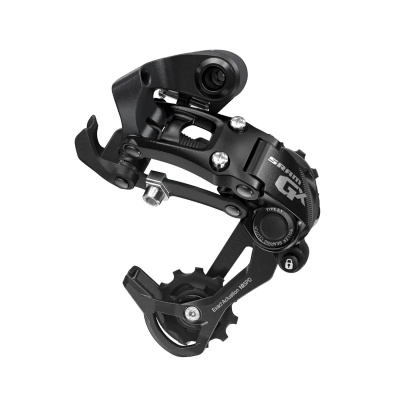
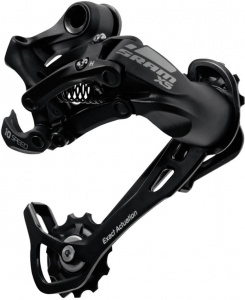
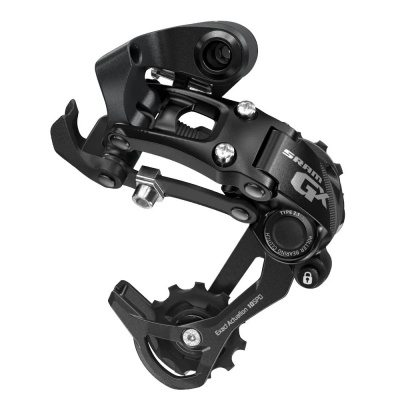
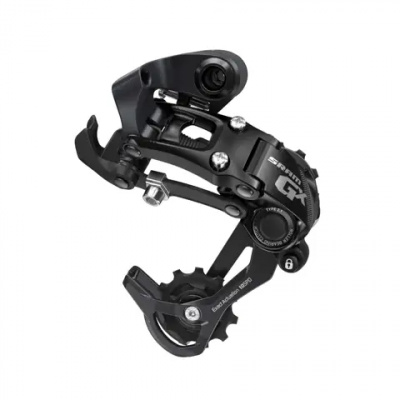
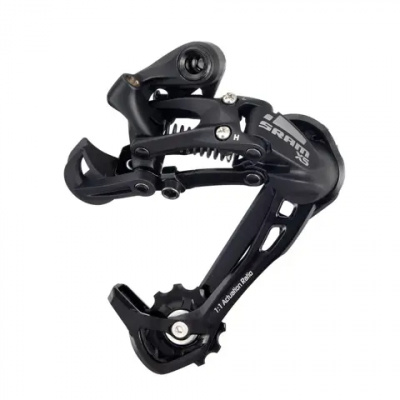
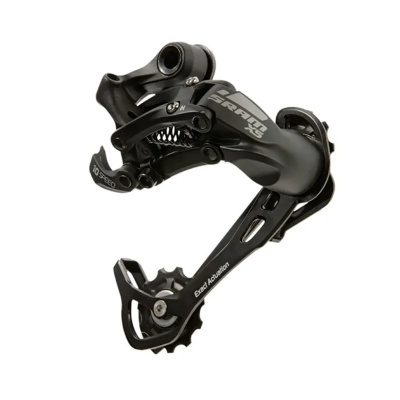
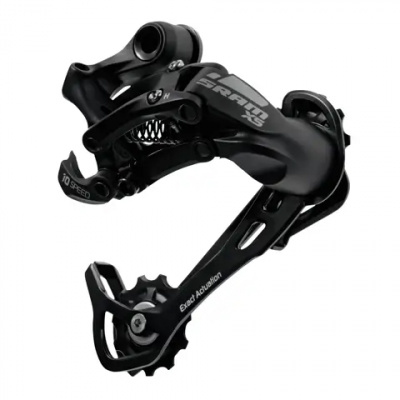
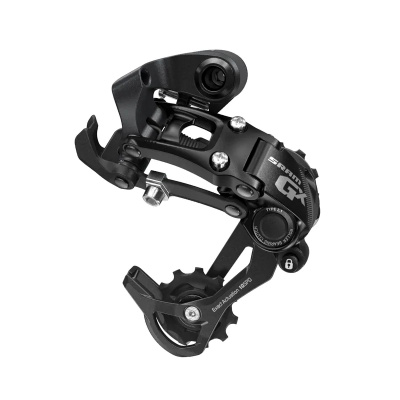
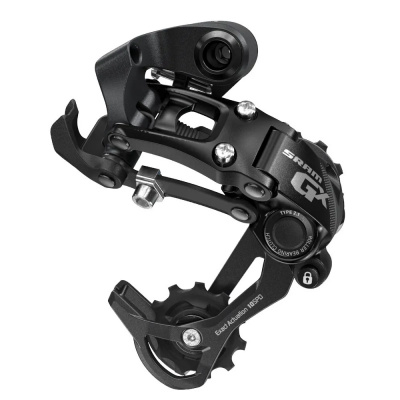
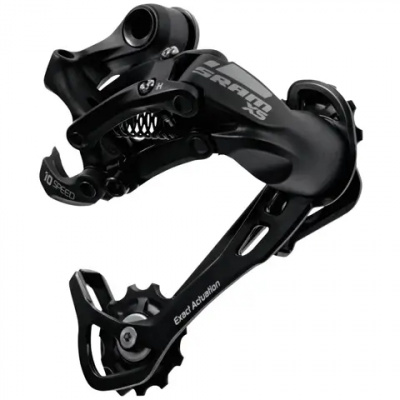
Prices and availability can change quickly. Delivery charges are not always included in listed prices.
Final price, stock status and delivery terms are set by retailer. We may receive a commission on purchases made.
Compatibility and Cage Length: Getting the Exact Actuation Setup Right
SRAM's Exact Actuation system uses a 1:1 cable pull ratio - 3mm of cable movement per shift - and it runs consistently across the entire 10-speed range. That's the mechanic's golden rule here: unlike 11-speed, where SRAM road and MTB are entirely separate standards, 10-speed road and MTB shifters and derailleurs are fully cross-compatible. You can pair a set of drop-bar shifters with an X9 mountain bike mech and it'll index cleanly. That's a genuinely useful quirk for gravel builds where you want a wide-range cassette without fighting the system.
Cage length is where most mistakes happen. Short cages work well on road setups running cassettes up to around 28T - they're tidier, lighter, and there's no excess chain to slap about. Medium cages open things up to 32T or 36T depending on the specific model, which covers most modern gravel and light trail use. Long cages are for mountain bike setups with 36T or larger cassettes, or anything running a triple chainring, where you need the extra cage travel to take up chain slack across the full range. If you get this wrong, you'll either run out of cage movement on the big ring or carry unnecessary slack on the small. Check your cassette's maximum sprocket size and chainring setup before you buy - the b-tension screw can compensate for small gaps, but it can't rescue a fundamentally wrong cage choice.
If you're also sorting mounting hardware, our SRAM derailleur clamps page covers the direct-mount and band-clamp options. And if you're rebuilding rather than replacing, check the SRAM jockey wheels category for jockey wheel and bearing spares before you commit to a whole new mech.
Road, Gravel, and MTB: Where Each Model Sits
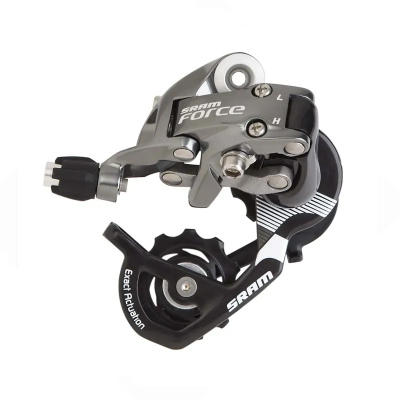
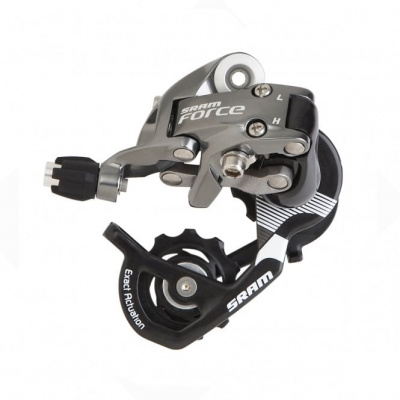
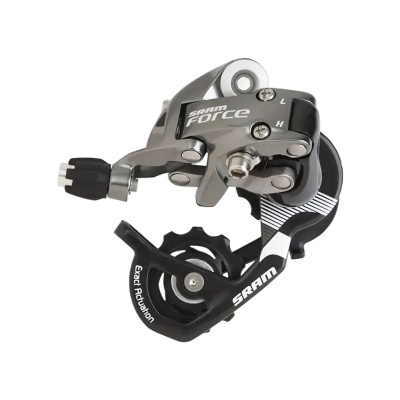
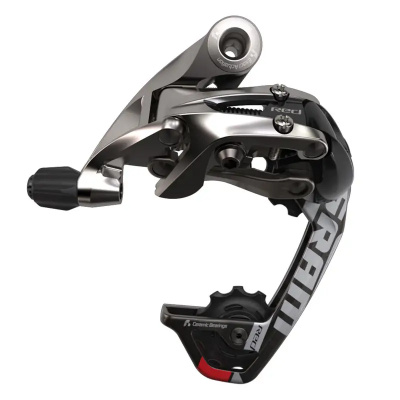
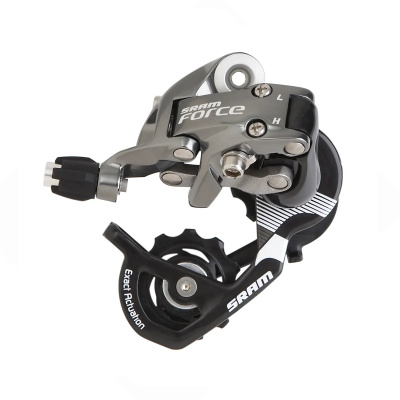
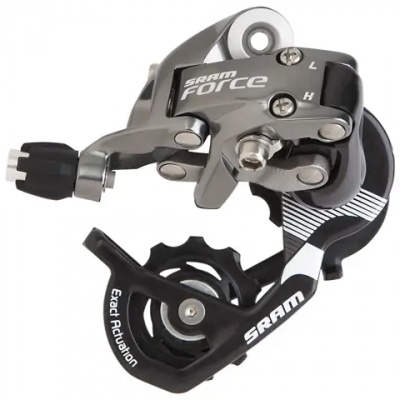
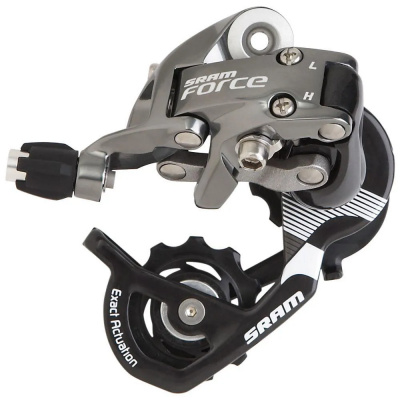
The 10-speed road and gravel range runs from Apex at the entry point up through Rival, Force, and Red. Apex is the workhorse - stamped steel cage, bushing-based jockey wheels, entirely adequate for year-round training. Move up to Rival and Force and you're into forged alloy cages, better pivot tolerances, and sealed cartridge bearing jockey wheels that spin more freely and last longer in the wet. Red sits at the top: machined alloy throughout, minimal weight, and the kind of finish you'd expect from a flagship groupset. The WiFLi variants - Wider, Faster, Lighter - appear across several tiers and allow you to run cassettes up to 32T on an otherwise standard road setup, which is worth knowing if you're building something for hilly sportive use or loaded touring.
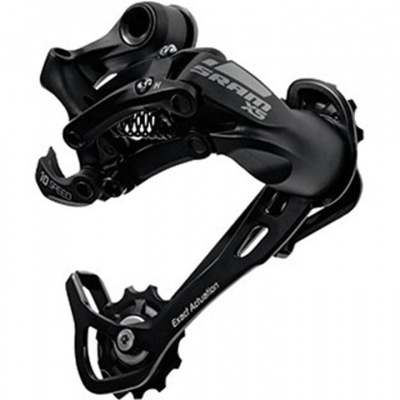
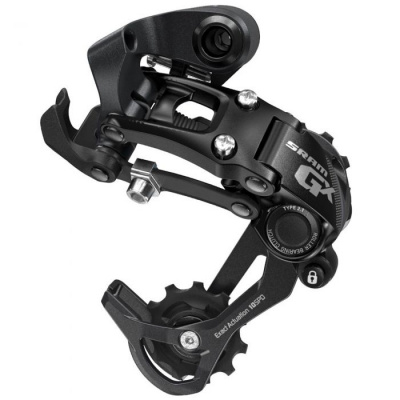
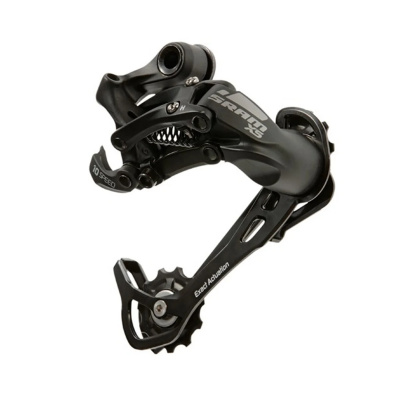
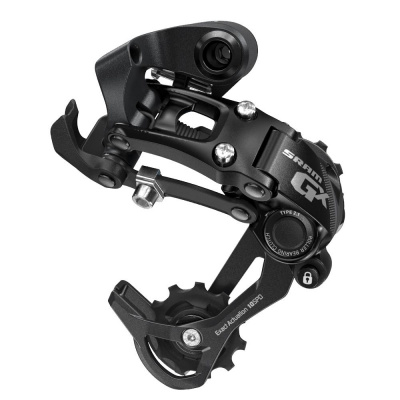
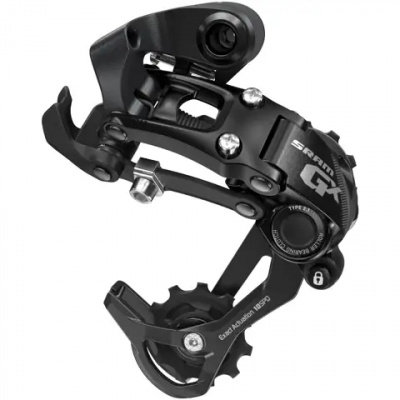
The MTB range - X5, X7, X9, X0, and XX - follows a similar progression, but with some meaningful mechanical differences as you move up. X5 and X7 use bushing pivots and stamped cages; they shift well and take a beating, but they're heavier and need more frequent attention in British mud. X9 is where things get noticeably more refined - forged alloy cage, better bearing quality, and on the higher-spec variants, the Type 2 Roller Bearing Clutch arrives. X0 and XX refine that further with lighter materials and tighter tolerances throughout.
The Roller Bearing Clutch - SRAM's Type 2 and 2.1 technology - is worth understanding properly. It uses a one-way bearing mechanism to resist derailleur cage bounce on rough ground, keeping the chain tensioned on descents without the stiff, notchy feel of older friction clutch designs. On wet, rooty Welsh trail centre descents, it's the difference between a dropped chain and a clean run. The Cage Lock feature on these models is a small but genuinely useful addition too: it locks the cage in the extended position, making wheel removal and reinstallation much less of a faff, particularly with thru-axle setups where you're already juggling enough. Compared to Shimano 10-speed rear derailleurs, the SRAM clutch designs feel more consistent in engagement; Microshift 10-speed options are a budget-friendly alternative if you're simply looking for a functional replacement without the premium features. Campagnolo 10-speed is a different standard entirely and won't cross over here.
If you're pairing a new mech with a new cassette, the SRAM 10-speed cassettes page is the logical next stop. And if you're replacing the mech as part of a broader drivetrain refresh, don't overlook the SRAM 10-speed front derailleurs - front and rear compatibility matters, especially on 2x and 3x setups.
Keeping It Running Through a UK Winter
British riding conditions are hard on derailleurs in specific ways. Winter road grit works into the lower jockey wheel bearings and bushing seals faster than most riders expect - by February, a mech that shifted crisply in October can feel vague and notchy. The fix is straightforward: pull the jockey wheels off every few weeks through winter, clean the axle threads, re-grease, and check the teeth for wear. Worn jockey wheel teeth are a common cause of sloppy shifting that gets misdiagnosed as cable stretch or limit screw drift. If your shifting has gone woolly but the derailleur hanger is straight and the cable tension is right, new pulleys are usually the answer before a new mech.
Deep mud - the kind you'll find on a Peak District bridleway in January - gets into the b-knuckle spring and parallelogram pivots and accelerates wear significantly. A jet wash is satisfying but counterproductive here; it drives grit further in. Better to flush with a low-pressure hose, work the parallelogram through its range by hand, and apply a light oil to the pivots once dry. For the Type 2 clutch mechanism specifically, avoid over-tensioning the clutch adjuster - it's a common mistake, and it doesn't improve chain retention proportionally. What it does do is accelerate wear on the roller bearing and make the lever feel stiff. Set it to the minimum tension that stops chain bounce on your typical descents, and leave it there. A harder ride through the Galloway Forest doesn't need the clutch wound up any tighter than a more moderate one - the geometry of the trail does the work, not the clutch tension.
SRAM 10 Speed Rear Derailleurs FAQs
Are SRAM 10-speed road and MTB derailleurs interchangeable?
Yes - and this is one of 10-speed SRAM's most useful features. Both road and MTB mechs use the same Exact Actuation cable pull ratio, so you can pair drop-bar shifters with a mountain bike rear mech without any indexing issues. It's a clean solution for wide-range gravel builds where you want a big cassette without a complicated workaround.
How do I choose the right cage length for my SRAM 10-speed derailleur?
Short cages suit road cassettes up to around 28T and keep things tidy on tight clearance frames. Medium cages handle up to 32T or 36T depending on the model, covering most gravel and light trail setups. Long cages are for mountain bike use with 36T-plus cassettes or triple chainrings - you need the extra cage travel to absorb chain slack across the full range.
Can I use a Shimano 10-speed cassette with a SRAM 10-speed derailleur?
Yes, it works. SRAM and Shimano 10-speed cassettes share the same sprocket spacing and freehub standard, so the derailleur will index across a Shimano cassette without issue. The critical thing is that you keep a SRAM shifter in the mix - the Exact Actuation pull ratio is what the derailleur is calibrated to, and a Shimano shifter won't replicate it.