
Microshift 10 Speed Rear Derailleurs
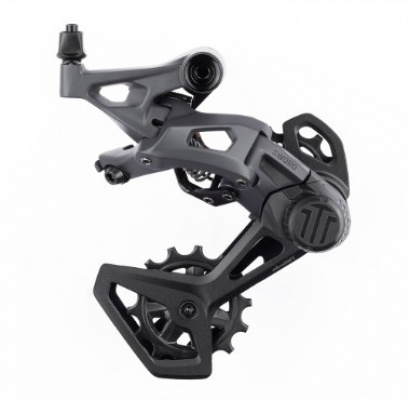
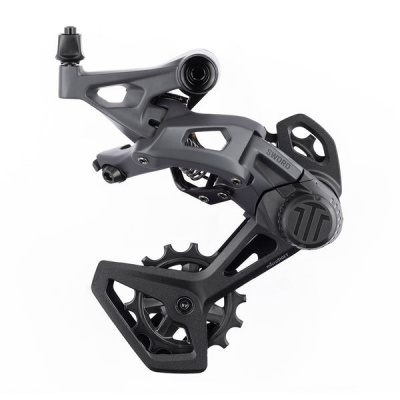
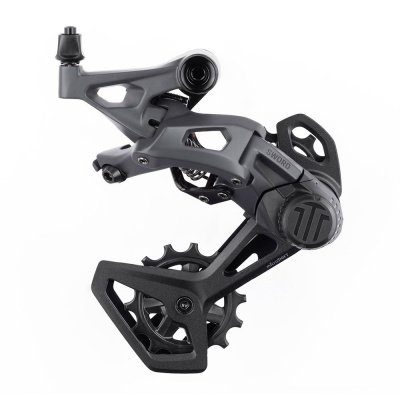
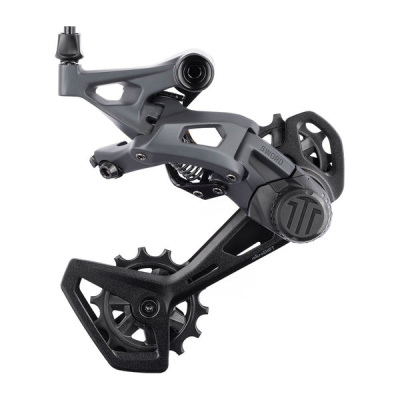
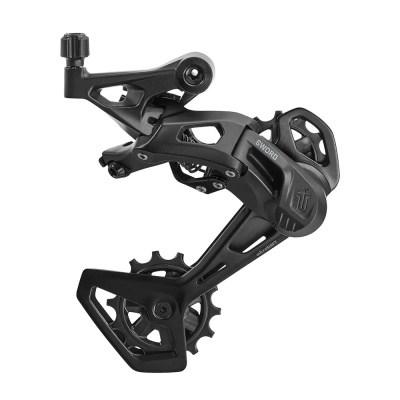
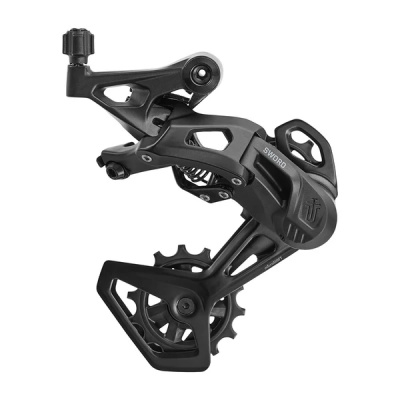
microSHIFT 10 Speed Rear Derailleurs have done something quietly impressive: they've made wide-range, clutch-equipped 1x10 shifting accessible without asking you to remortgage the shed. Whether you're threading a gravel bike through waterlogged bridleways or dragging an ageing hardtail back into service, these mechs get the job done with more sophistication than their price points suggest.
The headline feature is a ratchet-and-pawl clutch system that keeps chain tension consistent on rough ground - so you're not chasing a dropped chain down a rooty descent in the Welsh hills. Crucially, it's not a sealed black box. You can crack it open, clean the muck out, re-grease it, and be back on the bike the same afternoon. That matters in the UK, where a single winter ride can pack a derailleur with enough grit to blunt any drivetrain.
There are two distinct lines to understand before you buy: the Advent X, built as a ground-up 1x10 system for gravel and modern trail riding, and the XLE series, designed to slot into existing Shimano 10-speed mountain bike set-ups. Getting that choice wrong means poor shifting or a wasted return. We'll walk you through exactly which is which.
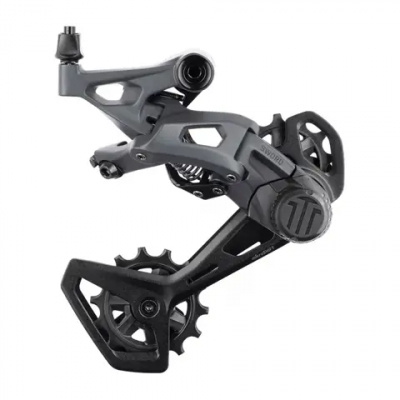
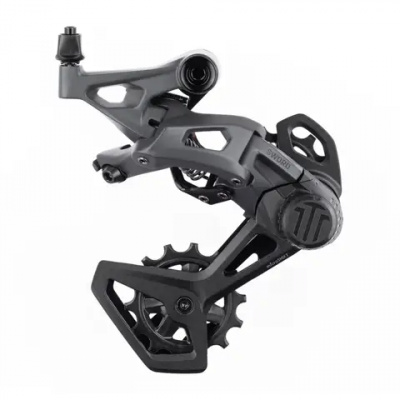
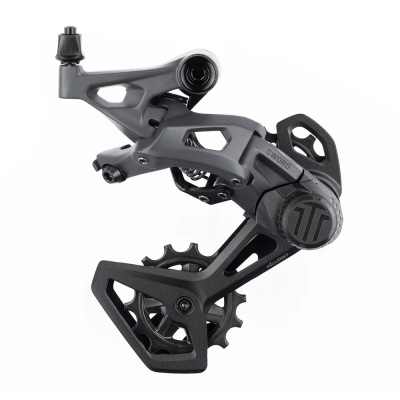
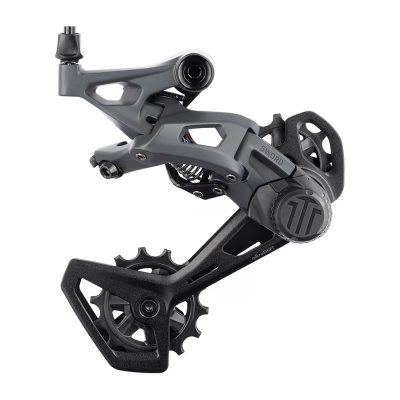
Prices and availability can change quickly. Delivery charges are not always included in listed prices.
Final price, stock status and delivery terms are set by retailer. We may receive a commission on purchases made.
Compatibility Matrix: Getting the Cable Pull Right
This is where most buyers trip up, so pay attention. The Advent X uses a proprietary cable pull ratio that is not interchangeable with Shimano's indexing. Pair it with a standard Shimano MTB shifter and your indexing will be off from the first click. It must run with Advent X shifters - that's the deal. The system is optimised to work equally well with drop bar and flat bar versions of those shifters, which is a genuine advantage if you're building a gravel bike that might one day get flat bars or vice versa.
The XLE 10-speed line takes a different approach. It's Dyna-Sys compatible, meaning it'll work correctly with Shimano Deore and XT 10-speed MTB shifters. If you've got a mid-2010s hardtail with a worn-out Deore mech, the XLE drops straight in without any shifter changes. That's a practical, cost-effective fix rather than a full drivetrain swap.
On cassette sizing, the Advent X is rated for a max cog size of 48T - specifically matched to an 11-48T 10-speed cassette. Fit a larger sprocket and your b-tension adjustment runs out of travel, which kills shift quality on the climbing gears. Stick to the spec. For the right cassette to pair with it, microSHIFT 10 speed cassettes are built to that range and will index correctly out of the box. The XLE models support a more conventional max cog in the 36 - 42T region, in keeping with older MTB cassette standards.
Chainline matters too. Both mechs use a medium cage or long cage depending on the specific model - check the cage length against your total cassette range before ordering. A long cage is the right call any time you're running an 11-48T spread on the Advent X.
Advent X vs. XLE: What You Actually Get for the Money
Think of the Advent X as the purpose-built option and the XLE as the sensible retrofit. The Advent X is lighter, uses more alloy in its construction, and carries a stronger, more adjustable clutch. It's the right choice for a new 1x10 build on a gravel bike or a trail hardtail where you want the whole drivetrain working as a coherent system. Chain tension is noticeably more consistent under hard pedalling, which translates to fewer chain slap incidents and dropped chains on chunky ground.
The XLE is heavier and built to a lower cost. That's not a criticism - it's the point. If your bike already has Shimano 10-speed shifters and you need a reliable replacement mech, spending more on an Advent X makes no sense when the XLE will index correctly and last well with basic maintenance. It also makes a solid budget starting point if you're comparing across brands; Shimano 10 speed rear derailleurs at a similar price point don't always include a clutch, which is a meaningful gap.
The Advent X's clutch is stiffer and more configurable. You can dial tension up or down depending on conditions - tighter for rooty, loose-surfaced rides; backed off slightly for smoother gravel where pedalling efficiency matters more. That adjustability is something you won't find on cheaper mechs from any brand. For riders comparing across the market, SRAM 10 speed rear derailleurs offer clutch options at this level too, but typically at a higher price for equivalent chain retention performance.
One practical note: if you're coming from a 9-speed drivetrain and wondering whether to step up, microSHIFT 9 speed rear derailleurs are worth a look first - sometimes a like-for-like replacement is the cleaner fix. But if you're after wider range and better chain security, the jump to 10-speed with Advent X is worth making.
UK Durability and Servicing the Ratchet-and-Pawl Clutch
British riding conditions are hard on drivetrains. Peak District grit gets into everything; a wet, rooty descent in the Forest of Dean will test chain tension like nothing else. The microSHIFT ratchet-and-pawl clutch holds up better than most in these conditions, partly because of its design and partly because you can actually get inside it.
Unlike some competitor clutch mechs that are effectively sealed and require specialist tools or a dealer visit, the microSHIFT unit is designed for home servicing. Remove the clutch cover - which uses metric hardware throughout, so a standard set of Allen keys does the job - and you'll find the pawl mechanism, spring, and ratchet ring are all accessible. Clean out the mud, re-grease with a medium-weight grease, reassemble, and you're done. It's a twenty-minute job at the workbench, not a warranty claim.
Tension adjustment is done via the same cover. If you find the clutch is barely holding chain tension after a muddy winter, you can increase preload without replacing any parts. Most riders find a mid-range setting works year-round, but it's worth checking after a particularly brutal season.
Jockey wheels are the other wear item to watch. After a full UK winter of grit-laden mud - especially in places like the South Downs or the Peak District limestone belt - the ceramic or alloy inserts in the pulleys wear noticeably, and a worn jockey wheel blurs shift quality before anything else goes wrong. Replacing them is cheap and straightforward on any microSHIFT mech. Do it at the start of each season and your indexing will stay sharp. Brands like Campagnolo use proprietary jockey wheel profiles that can be fiddly to source; microSHIFT uses more standard sizing, which helps when you need parts quickly.
Cable stretch is worth checking after the first few rides on a new mech. The 1x10 drivetrain has no front mech to mask minor indexing drift, so a barrel adjuster tweak after the first fifty miles keeps everything crisp. It's the same job you'd do on any new build - just don't skip it.
Microshift 10 Speed Rear Derailleurs FAQs
Is microSHIFT 10-speed compatible with Shimano?
It depends on the model. The XLE 10-speed derailleur is Shimano Dyna-Sys compatible and works correctly with Deore and XT 10-speed MTB shifters. The Advent X uses a proprietary cable pull ratio, so it must be paired with Advent X shifters - mix it with Shimano shifters and the indexing won't align.
What is the maximum cassette size for microSHIFT Advent X?
The Advent X is designed around a 10-speed 11-48T cassette, and 48T is the maximum cog it can handle reliably. Go larger and you'll run out of b-tension adjustment, which compromises shift quality on the biggest sprockets - exactly where you need it most on a climb.
Can I service the clutch on a microSHIFT rear derailleur?
Yes, and it's straightforward. The ratchet-and-pawl clutch uses metric hardware throughout, so standard Allen keys get you in. Remove the cover, clean out any mud or old grease, re-grease the pawl and ratchet ring, and reassemble. You can also adjust tension at the same time. No specialist tools needed.