
Microshift 10 Speed Cassettes
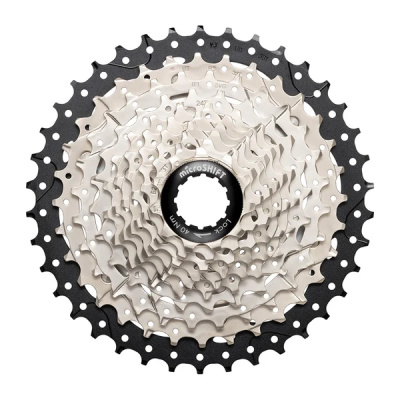
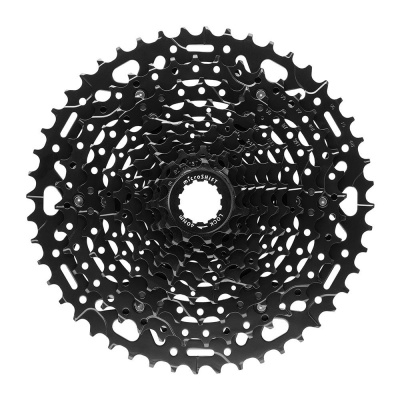
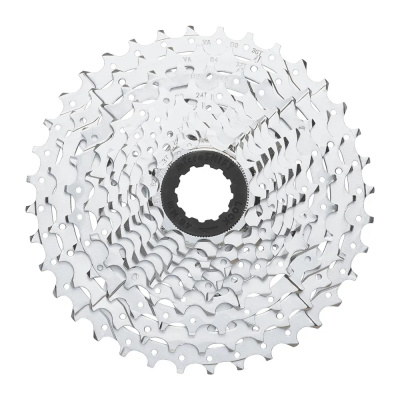
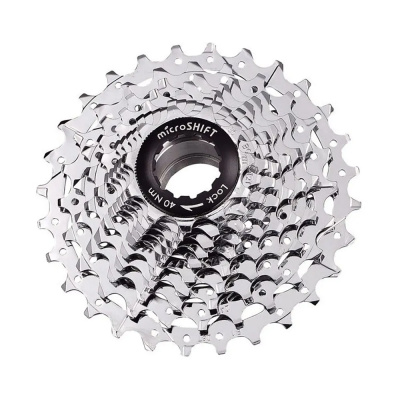
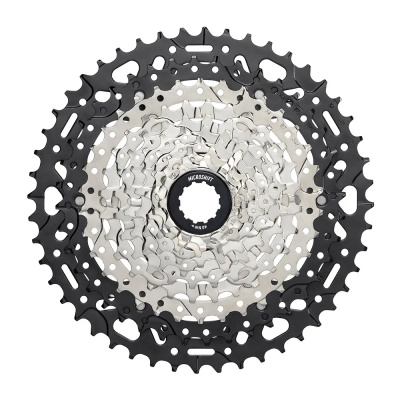
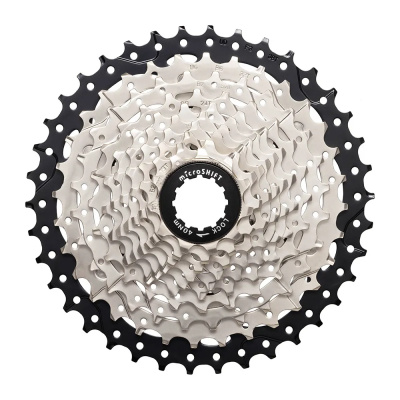
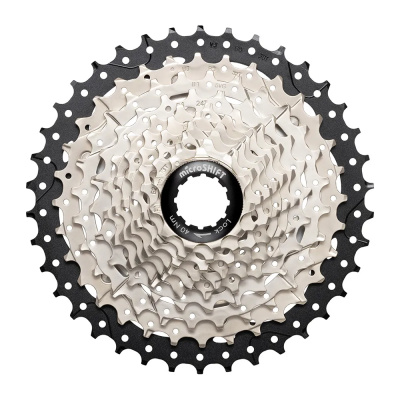
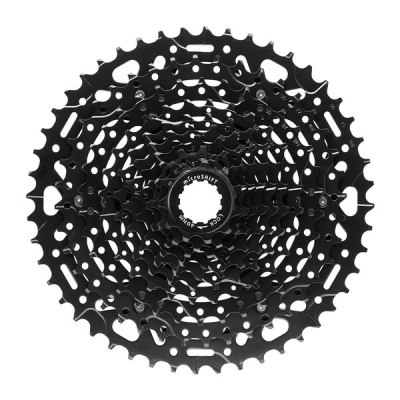
microSHIFT 10 speed cassettes have quietly become one of the most sensible drivetrain choices for UK riders who want genuinely wide gear ranges without funding a full groupset overhaul. The Advent X series in particular pulls off something useful: an 11-48T spread that, until recently, you'd only find on 11 or 12-speed kit. That's a proper bailout ratio for a steep, wet Peak District wall-climb, delivered on a standard HG freehub your current wheels almost certainly already have.
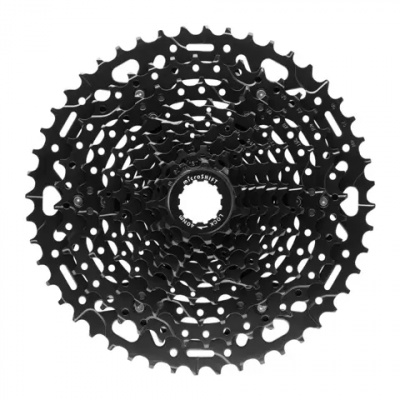
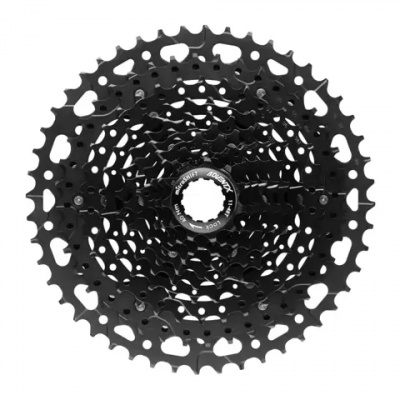
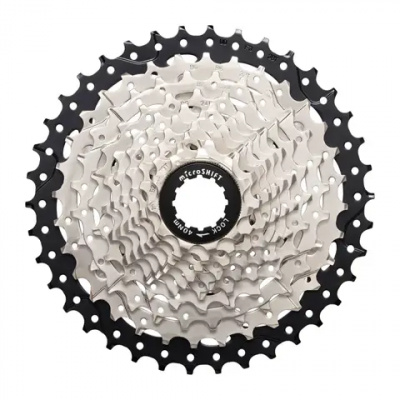
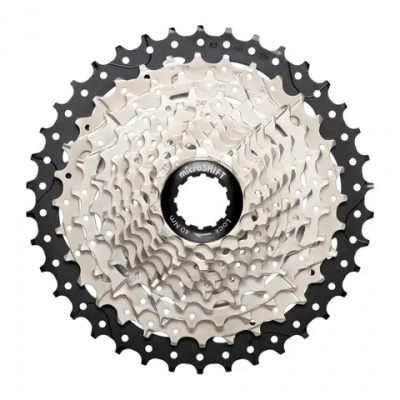
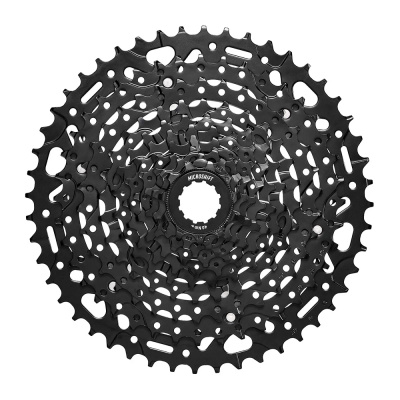
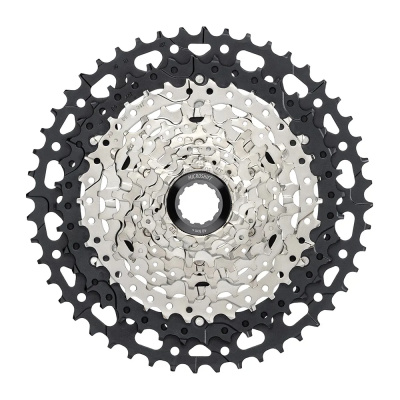
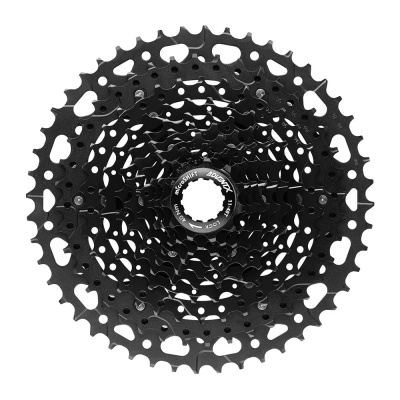
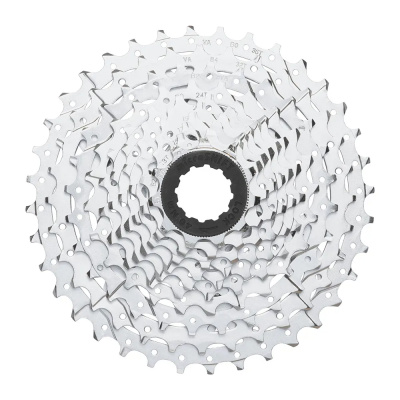
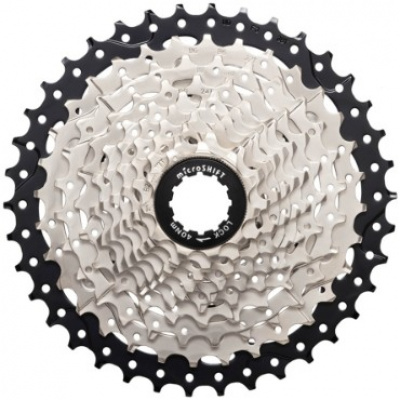
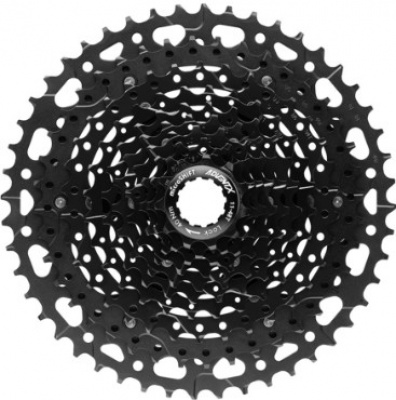
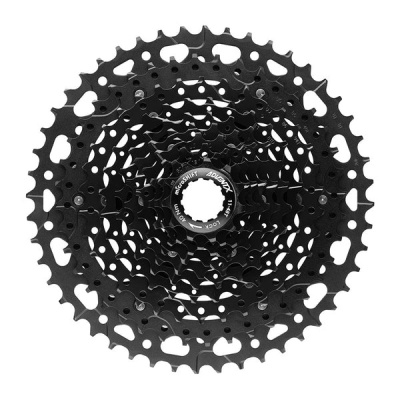
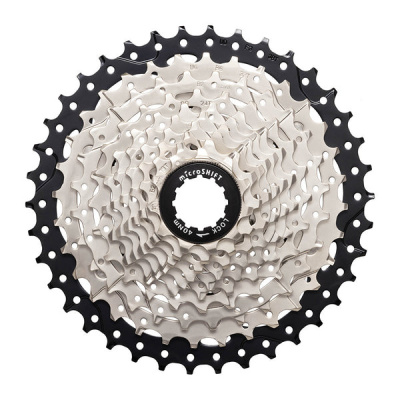
There are two clear flavours here. The CS-G104 G-Series trims weight with an aluminium spider and alloy large cogs, sitting closer to what a gravel or XC rider wants. The CS-H104 H-Series goes full high-carbon steel throughout - heavier, yes, but built for the kind of punishment that e-bikes and loaded bikepacking rigs dish out daily. Both share microSHIFT's ED Black electro-deposition coating, which matters more than it sounds when you're riding through the sort of grim, muddy British winter that turns a drivetrain into grinding paste inside a fortnight.
Compatibility is straightforward. No exotic freehub drivers, no proprietary spline patterns. If you're running an older wheelset or working to a budget, that simplicity is genuinely valuable. Here's what you need to know before you buy.
Prices and availability can change quickly. Delivery charges are not always included in listed prices.
Final price, stock status and delivery terms are set by retailer. We may receive a commission on purchases made.
Will It Fit Your Bike? Freehubs, Chains and Derailleur Capacity
The short answer on compatibility: yes, almost certainly. microSHIFT 10 speed cassettes use the standard Shimano Hyperglide HG spline pattern, which means they slot straight onto the vast majority of mountain and gravel wheelsets without any adapter or new freehub body. There's no need for an SRAM XD driver or Shimano Micro Spline - good news if you're working with a set of wheels that's a few years old.
Chain compatibility is equally unfussy. Standard 10-speed chains from KMC, Shimano, or SRAM all work correctly with the cog spacing. What does need attention, though, is your rear derailleur. Running an 11-48T cassette - which is what most riders are here for - means your mech needs enough total capacity to wrap that 48T cog cleanly. A lot of standard short or medium-cage derailleurs won't manage it. If you're putting together a 1x Advent X build from scratch, check out microSHIFT 10 speed rear derailleurs, which are matched to the system and confirmed to handle the range. Pairing a wide-range cassette with an undersized mech is one of those easy mistakes that costs you a bent hanger on a ride you actually cared about.
One more thing worth flagging: if you're fitting a 10-speed microSHIFT cassette to an 11-speed road HG freehub - the kind found on a lot of road or gravel bikes - you'll need a 1.85mm spacer behind the cassette to index correctly. Standard MTB HG freehubs (designed for 8/9/10-speed) don't need one. It's a cheap fix, but worth knowing before the cassette arrives.
G-Series or H-Series: Picking the Right Advent X Build
microSHIFT keeps the Advent X lineup clean with two distinct constructions, and the difference between them is more than a spec-sheet detail.
The CS-G104 G-Series uses a dual aluminium spider with alloy large cogs to bring the weight down to around 424g. For context, that's competitive with cassettes from brands charging considerably more. The trade-off is that alloy cogs wear faster than steel under hard use - something to factor in if you're planning to rack up big miles through the winter. For gravel riders and XC hardtail builds where weight is a genuine concern, the G-Series makes a lot of sense. If you're weighing it against alternatives, SunRace 10 speed cassettes occupy a similar space, though microSHIFT's shifter integration gives the Advent X system a more cohesive feel when the whole drivetrain is matched.
The CS-H104 H-Series drops the alloy elements entirely. Full high-carbon steel construction throughout means it's noticeably heavier, but it's also the cassette a mechanic would reach for when the application is demanding - e-bikes, fully loaded bikepacking rigs, or riders who simply hammer their kit and expect it to hold up. Steel cogs wear more predictably and last longer under high-torque conditions. If you're running an e-MTB or you're the sort of rider who forgets to clean the drivetrain until something starts skipping, the H-Series is the more honest choice.
Neither series requires any exotic setup. Both sit on that standard HG freehub body, both run a standard 10-speed chain, and both share the same 11-48T range that makes the Advent X system worth talking about in the first place. The decision really comes down to how you use the bike and how often you plan to replace cogs.
Keeping It Running Through a British Winter
UK riding conditions are genuinely hard on cassettes. It's not just the rain - it's the combination of chalk dust, silica grit, and clay mud that coats everything on a typical autumn or winter ride. That mixture acts like a lapping compound against steel and alloy alike, and it's why cassette wear accelerates so quickly once October arrives.
microSHIFT's ED Black electro-deposition coating is a meaningful layer of protection here. It bonds into the metal surface rather than sitting on top, giving the cassette better corrosion resistance than a standard painted or raw steel finish. It won't make a cassette immortal, but it does slow the rust creep that tends to seize the smaller cogs together on a cassette that's been left wet in a garage. If you're comparing options, Shimano 10 speed cassettes and SRAM 10 speed cassettes at similar price points don't always match this finish quality.
Chain wear is the bigger lever, though. Check your chain at 0.5% wear - not 0.75%, which is the figure that gets quoted for 11 and 12-speed systems. On a 10-speed setup, letting the chain run past 0.5% stretch means the worn links start riding up on the cog teeth, accelerating wear on the smaller cogs at a rate that'll have you replacing the whole cassette far sooner than you should. A basic chain wear indicator costs almost nothing and takes thirty seconds to use in the car park before a ride.
For lubrication during the winter months, a wet lube applied to a clean, dry chain is worth the faff. Dry lube picks up grit rapidly in muddy conditions and stops doing its job quickly. Regular cleaning matters more than the lube brand - a clean drivetrain running cheap lube will outlast a neglected one running expensive lube every time. The aluminum spider components on the G-Series are worth keeping an eye on specifically: alloy accumulates grit in the spider arms and can wear at the spline interface if it's left caked in mud for extended periods.
If you're building a dedicated winter bike or a bikepacking setup where drivetrain longevity matters, the H-Series is worth the weight penalty. For a summer gravel bike that gets cleaned regularly, the G-Series is perfectly robust.
Microshift 10 Speed Cassettes FAQs
Are microSHIFT 10 speed cassettes compatible with Shimano?
Yes. microSHIFT 10 speed cassettes use standard Shimano HG freehub splines and 10-speed chain spacing, so they work with Shimano and most other 10-speed drivetrains. One caveat: if you're running a full Advent X system, the derailleur and shifter need to be matched microSHIFT units due to proprietary cable pull ratios.
What freehub do I need for a microSHIFT Advent X cassette?
A standard Hyperglide HG freehub body is all you need. There's no requirement for an SRAM XD driver or Shimano Micro Spline body, which makes the Advent X cassette a straightforward fit on most existing wheelsets - including older or budget builds.
Can I use a 10 speed microSHIFT cassette on an 11 speed hub?
Yes, with one small addition. On an 11-speed road HG freehub you'll need a 1.85mm spacer fitted behind the cassette to get the indexing right. If you're fitting it to a standard MTB HG freehub sized for 8/9/10-speed, no spacer is needed - it mounts directly.