
Campagnolo 10 Speed Rear Derailleurs
Keep your classic Italian drivetrain shifting flawlessly with a replacement Campagnolo 10 speed rear derailleur - the component that makes or breaks that signature crisp, tactile feel every time you click through the block. Whether you've buckled a Veloce mech on a potholed winter lane or you're restoring a Centaur-equipped road bike that's been sitting in the shed, getting the right replacement matters more than most riders realise. Campagnolo runs a proprietary cable pull ratio across its 10-speed ErgoPower system, and that ratio is non-negotiable - fit the wrong mech or pair it with non-Campagnolo shifters and the indexing simply won't work, no matter how long you spend at the barrel adjuster. You also need to match cage length to your cassette - short cage for compact setups, medium or long if you're running bigger sprockets for hilly UK riding. Built around a robust parallelogram geometry with differentiated jockey wheels, these derailleurs are engineered to rack up serious miles. Compare prices across UK retailers below to find the exact spec your drivetrain needs.
Prices and availability can change quickly. Delivery charges are not always included in listed prices.
Final price, stock status and delivery terms are set by retailer. We may receive a commission on purchases made.
Cage Length and ErgoPower Compatibility - Get This Right First
Before anything else, check your cassette's largest sprocket. A short cage Campagnolo 10-speed rear derailleur typically handles a maximum of 29T - fine for a standard 11-29 or 12-29 10-speed cassette on a sportive or club bike. Push beyond that, to a 30T or larger sprocket for lumpy Welsh or Scottish riding, and you'll need a medium or long cage to maintain proper chain tension and clearance. Running the wrong cage length gives you a chain that either slaps the mech or goes slack over the top jockey wheel - neither is subtle, and neither is fixable with limit screws.
The other compatibility rule is absolute: Campagnolo 10-speed derailleurs are designed exclusively around Campagnolo's proprietary cable pull ratio. That ratio is calibrated to work with 10-speed ErgoPower levers and nothing else. Shimano's cable pull is different, SRAM's is different again - there's no workaround, no adapter, no "close enough." If you're comparing options, Shimano 10-speed rear derailleurs and SRAM 10-speed rear derailleurs are separate ecosystems entirely. Stick within the Campagnolo family and pair your mech with a matched 10-speed chain for a drivetrain that indexes cleanly and lasts. It's worth checking your front mech too - a mismatched 10-speed front derailleur can cause chain line problems that get blamed on the rear.
Veloce or Centaur - Which Tier Makes Sense for Your Bike?
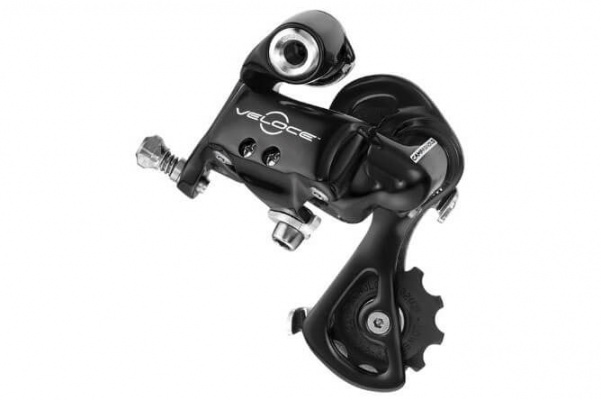
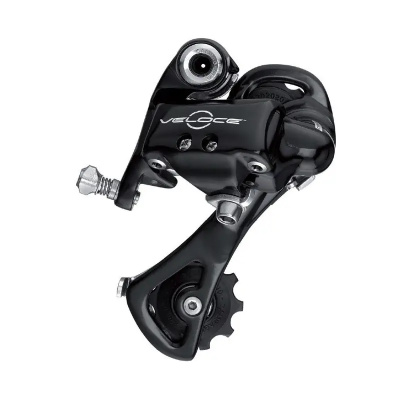
The two most commonly available replacement options in the Campagnolo 10-speed range are Veloce and Centaur, and they serve genuinely different purposes. Veloce is the one to reach for if you're fitting out a dedicated winter bike or a training machine that's going to face road salt, grit, and months of damp British roads. The alloy construction is heavier than upper-tier options, but it's also more forgiving of the kind of neglect that winter riding inevitably involves. Shift feel is positive and reliable - not the quickest action you'll find, but consistent mile after mile.
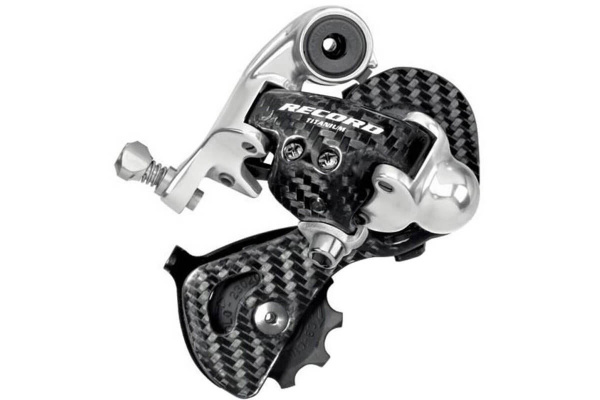
Centaur steps things up noticeably. Lighter alloys throughout the parallelogram, and some iterations use carbon composite knuckle elements that reduce weight and add stiffness to the shifting response. The result is a mech that feels more direct under your thumb - less mechanical travel before the chain moves, a slightly sharper transition between sprockets. If your bike lives indoors and comes out for sportives and weekend club rides rather than commutes through January, Centaur is the better fit. For collectors and restorers, legacy Record and Chorus parts do surface second-hand and as old new stock; these use even more refined materials and tighter tolerances, but sourcing them takes patience and you're relying on previous storage conditions for longevity.
The Ultra-Shift parallelogram geometry that runs across these tiers is worth understanding. It's engineered for maximum rigidity under lateral load - so when you're stomping up a climb out of the saddle and the chain is under real tension, the mech holds its position rather than flexing and dropping a sprocket. The differentiated jockey wheels play into this too: the upper pulley is profiled for shifting precision, guiding the chain cleanly onto each sprocket, while the lower pulley prioritises chain retention and consistent tension. It's a system that rewards clean cables and correct adjustment. Neglect either and the design's strengths don't get to show.
Keeping a Campagnolo Mech Alive Through a UK Winter
Road salt is the quiet killer of rear derailleurs. It works into the parallelogram pivot springs over a season and causes the kind of stiff, jerky movement that makes you think the mech is dying when really it just needs attention. Flush the pivots with a light penetrant spray - GT85 does the job - then follow up with a heavier lubricant once the penetrant has dispersed. Do this every few weeks through winter, not once a season. It takes three minutes and saves you a new mech.
Jockey wheel wear is the other thing UK riding accelerates. Abrasive grit from lanes and B-roads gets into the jockey wheel bushings and bearings and grinds them down faster than most riders expect. If your shifting feels vague or you're hearing a rhythmic tick from the lower mech, pull the jockey wheels before assuming the parallelogram is worn. Replacement jockey wheels are a fraction of the cost of a whole new derailleur - check derailleur spares and jockey wheel listings before committing to a full replacement.
One more thing worth doing before you adjust anything: check derailleur hanger alignment. A bent hanger - from a kerb clip, a fall, or a leant bike toppling over - throws the whole parallelogram out of parallel with the cassette. The result looks exactly like a mech that needs indexing, but no amount of barrel adjuster work will fix it. A hanger alignment gauge is a cheap tool and it rules out the most common cause of mysterious shifting problems in about 30 seconds. Wet conditions also cause cable friction that mimics indexing failure - swollen or corroded inner cables inside kinked outers produce the same sluggish, inconsistent shift feel as a worn mech. Fresh cables cost very little and should be your first move on any bike that's been ridden hard through a wet season. If you're exploring alternatives while troubleshooting, MicroShift 10-speed rear derailleurs are worth a look for budget builds, though they won't match Campagnolo's ErgoPower cable pull.
Campagnolo 10 Speed Rear Derailleurs FAQs
What is the maximum cassette size for a Campagnolo 10-speed short cage rear derailleur?
A short cage Campagnolo 10-speed rear derailleur tops out at a 29T largest sprocket. If you're running a cassette with a 30T cog or bigger - common on hilly or touring setups - you'll need a medium or long cage version to keep chain tension correct and avoid the mech fouling the sprocket.
Can I mix Campagnolo 10-speed rear derailleurs with Shimano or SRAM shifters?
No. Campagnolo uses a proprietary cable pull ratio that's specific to its 10-speed ErgoPower levers. Shimano and SRAM pull different amounts of cable per click, so the indexing won't line up regardless of how you set the limit screws. You need Campagnolo 10-speed ErgoPower shifters - full stop.
Why is my Campagnolo 10-speed rear derailleur shifting poorly?
The mech itself is rarely the culprit. Start with the derailleur hanger - even a slight bend throws the whole system out. Then check your cables: wet UK roads accelerate inner cable corrosion inside the outers, and the resulting friction feels identical to a worn or misadjusted derailleur. Replace cables first, align the hanger second, then revisit indexing.