
Scott Jackets
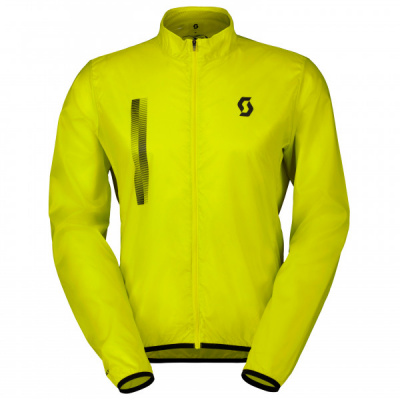
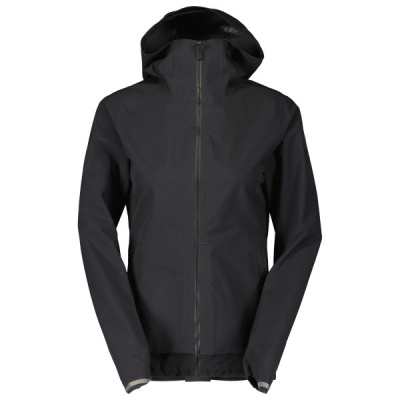
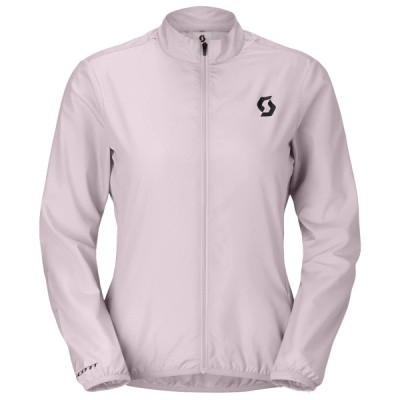
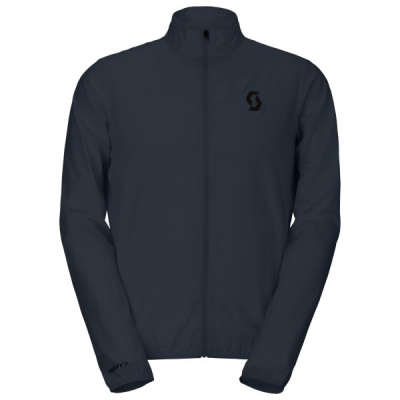
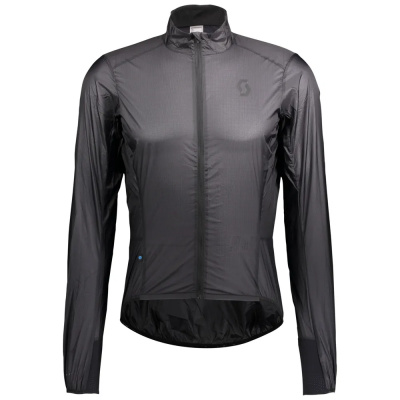
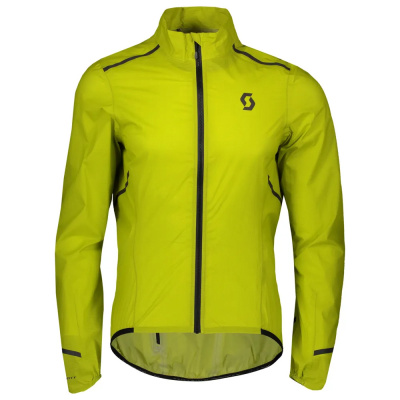
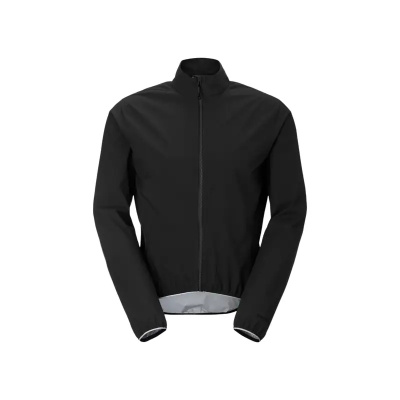
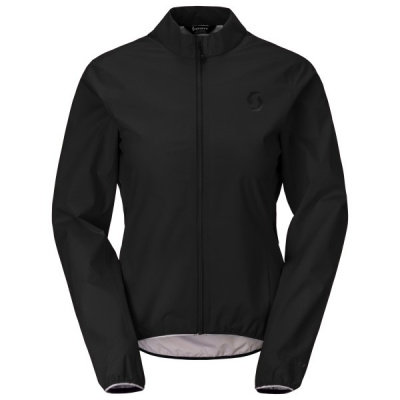
Scott cycling jackets are built around one idea: the weather isn't going to stop you. From sudden squalls on a Welsh ridge to gritty spray off a January A-road, Scott's outerwear range gives you the tools to keep turning the pedals when conditions get grim. The range spans ultra-packable wind shells you can stuff into a jersey pocket, right through to fully taped hardshells serious enough for a proper Scottish soaking.
What sets Scott apart is the material science underpinning each layer. Proprietary DRYOsphere membrane technology sits at the heart of the waterproof end of the range, while DURObreeze fabrics handle the lighter, windproof pieces designed to cut the chill without cooking you on the climb back up. For those who want proven premium protection, select models lean on Gore-Tex Infinium for windstopping performance you can trust. Across the board, PFC-free DWR coatings repel water from the outer face fabric, and taped seams keep ingress honest where it matters most.
Scott also engineers fit with discipline in mind - a tight, kinetic cut for road and XC racing sits alongside a roomier trail silhouette for MTB movement. Whichever end of the range you're shopping, you're getting outerwear designed around how cyclists actually ride, not how marketing teams imagine they do.
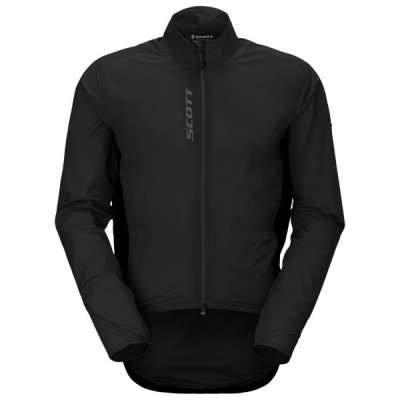
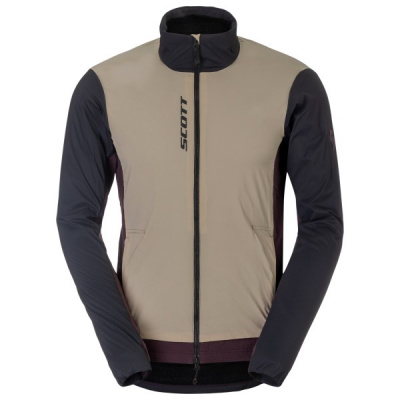
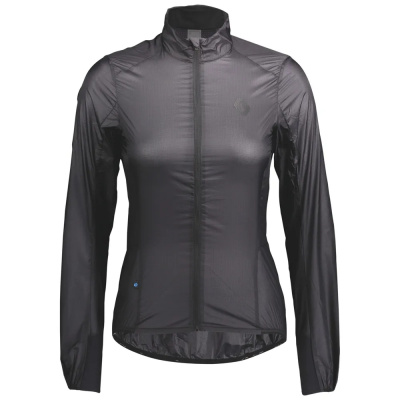
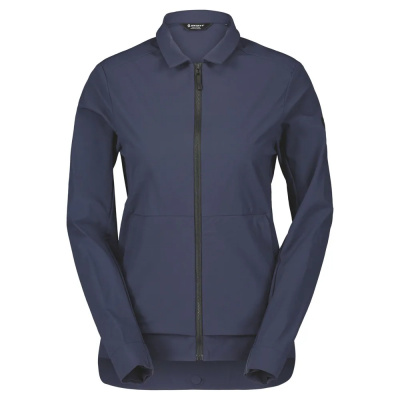
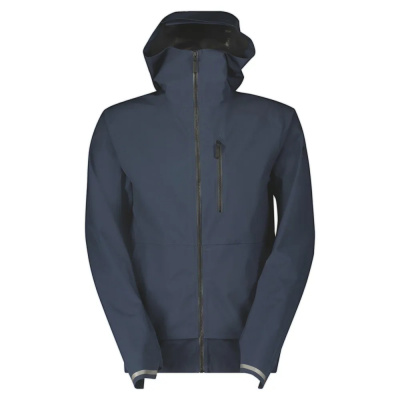
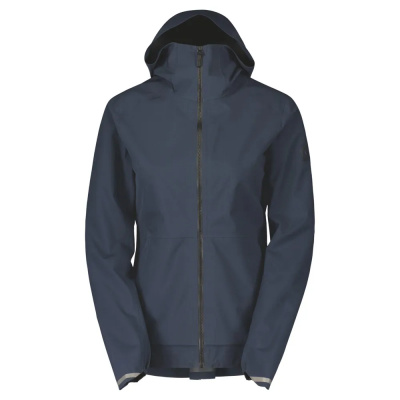
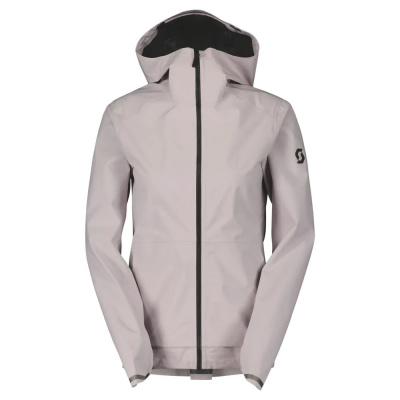
Prices and availability can change quickly. Delivery charges are not always included in listed prices.
Final price, stock status and delivery terms are set by retailer. We may receive a commission on purchases made.
Fabric Tech and What It Means in Wet British Conditions
The headline material across Scott's waterproof jackets is DRYOsphere - their in-house waterproof/breathable membrane. Most DRYOsphere jackets carry a hydrostatic head rating of 10,000mm or higher, which is the threshold where a jacket starts to handle sustained, heavy rain rather than just a quick shower. Critically, they pair that waterproofing with a breathability rating high enough to prevent the slow, soggy build-up of sweat that turns a hardshell into a sauna on a stiff Peak District climb. Fully taped seams back this up - untaped stitch lines are where water creeps in during prolonged exposure, so this isn't a detail to skip over when you're comparing specs.
At the windproof end, DURObreeze fabrics deliver packable, lightweight protection without the weight penalty of a full membrane. These are your day-ride go-to layers - light enough to forget they're there on a dry, sharp morning, useful enough to block a brutal headwind. Some pieces in the Scott range also use Gore-Tex Infinium, which brings a premium windstopper construction for riders who want the reassurance of a well-tested third-party standard alongside Scott's own engineering.
Breathability is where a lot of jackets let UK riders down. High humidity on steep climbs means sweat has nowhere to go if the membrane can't shift moisture vapour fast enough - you end up just as wet from the inside as you would have been from the rain. Scott addresses this through features like laser-cut ventilation panels on select models, which open airflow without compromising the waterproof structure. The PFC-free DWR coating on the outer fabric is the first line of defence - keeping water beading off the surface rather than saturating the face fabric and killing breathability from the outside in. It's worth keeping that DWR layer working; we'll cover how to do that below.
If you're comparing Scott's waterproofing to the competition, Endura jackets offer a similarly strong range of membraned options for UK riding, while Castelli jackets tend to lean harder into the breathability-first, lighter-rain end of the spectrum.
The Scott Range: RC, Trail, and Who Each One Is For
Scott splits its jacket range along disciplinary lines, and understanding which side of that split you're on makes the buying decision much simpler. The Scott RC (Racing Concept) line is road and XC racing kit - close-fitting, aerodynamic, and built around a kinetic fit that pre-shapes the jacket for a bent-over riding position. You'll notice the dropped rear hem, extended back panels, and sleeves that angle forward rather than hanging neutral. On the bike, this translates to no fabric bunching at the shoulders and no draught up the back when you're in the drops. Off the bike, it feels snug to the point of odd - that's intentional, not a sizing error.
The Scott Trail jacket line reads differently. The cut is relaxed enough to wear over a base layer and thermal jersey without restricting movement, and the fabric choices skew towards durability and abrasion resistance over pure aero weight savings. These are jackets designed around the realities of MTB riding - reaching forward to a dropper post lever, landing off a jump, or picking yourself up out of a ditch in the Tweed Valley. The roomier fit also allows elbow pads underneath on colder days.
Sizing runs broadly true to Scott's own size guide, but the discipline split matters here. RC jackets are cut snug by design - if you're between sizes and planning to layer underneath, go up. Trail jackets have more room built in, so sizing is more forgiving. That said, Scott's sizing tends to be consistent within each line once you know where you land.
If you're after core protection without sleeves, the jacket range isn't where you'll find it - head over to Scott gilets for windproof and waterproof vest options. For junior riders, Scott hoodies and the broader kids' clothing range is the better starting point than adult outerwear scaled down.
Layering Strategy and Keeping Your Jacket Working
A Scott jacket performs best when the layers underneath are doing their job. Starting next to skin, a moisture-wicking Scott base layer pulls sweat away from your body before it saturates your mid layer - skip this and even the most breathable membrane struggles to cope on a hard effort. Over that, a thermal jersey adds insulation without bulk. The jacket then handles wind and water. Three layers, each doing a specific job - this is the system that actually works on a cold, wet Surrey Hills loop rather than the one-thick-layer approach that leaves you sweating on the climb and freezing on the descent.
Don't forget your hands in the equation - Scott gloves pair naturally here, particularly for winter road or trail riding where bare hands become the weak point long before the rest of the system fails.
Maintaining the DWR coating is something a lot of riders overlook until their jacket stops shedding water properly and they blame the membrane. Usually, the membrane is fine - the face fabric is just saturated because the DWR has degraded. Wash technical fabrics on a gentle cycle with a specialist cleaner like Nikwax Tech Wash rather than standard detergent, which strips DWR. After washing, tumble dry on low heat or iron on the lowest setting - heat reactivates the DWR coating and restores water beading. If beading still looks flat after washing and drying, a spray-on reproofing treatment such as Nikwax TX.Direct will bring it back. Do this every few months if you're riding in the wet regularly, and your jacket's performance stays consistent season to season.
One practical note: avoid fabric softener entirely. It clogs the membrane and permanently compromises breathability. And check zip pulls and seam areas after muddy rides - grit works into these spots and can eventually damage taped seams if left to grind. A rinse-off after a filthy trail session costs you nothing and adds months to the jacket's life. Altura jackets are another option worth a look if you're weighing up commuter-focused waterproofs alongside Scott's performance-led range.
Scott Jackets FAQs
Are Scott cycling jackets true to size?
Generally, yes - but the cut varies by line. RC jackets are intentionally snug and aerodynamic, so if you're planning to layer underneath or sit between sizes, go up. Trail jackets have a more relaxed fit with layering room built in, making them more forgiving. Check Scott's size guide and factor in what you're wearing underneath.
What is the difference between Scott RC and Scott Trail jackets?
The RC line is engineered for road and XC racing - lightweight fabrics, high breathability, and a tight kinetic fit shaped for an aggressive riding position. Trail jackets trade some of that aero efficiency for durability, abrasion resistance, and a relaxed cut that works with MTB movement and allows layering or elbow pads underneath.
How waterproof are Scott DRYOsphere jackets?
DRYOsphere jackets typically carry a hydrostatic head rating of 10,000mm or above, backed by fully taped seams to block ingress at stitch lines. That puts them comfortably into heavy-rain territory rather than just shower resistance. Breathability is factored in too, so they won't completely trap sweat during hard efforts - though no hardshell is perfect on a steep climb.