
Scott Jerseys
Scott cycling jerseys pull directly from WorldTour road racing and elite World Cup XC mountain bike programmes - and the tech that keeps professionals dry and moving freely filters straight into what you can buy today. Two fabrics do most of the work: DRYOxcell pulls sweat away from your skin and spreads it across a wider surface area so it evaporates fast, and DUROxpand delivers four-way stretch that keeps the jersey flush against your body without fighting your breathing or your pedal stroke.
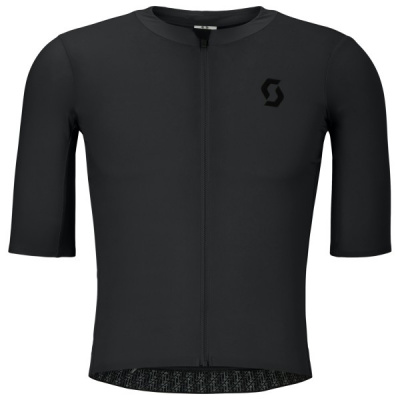
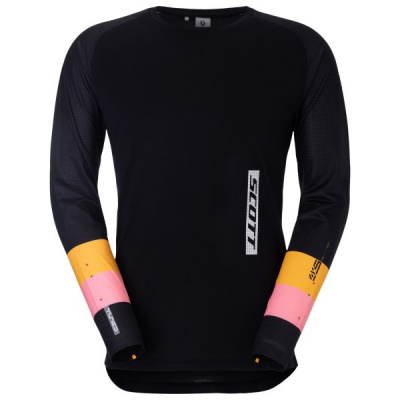
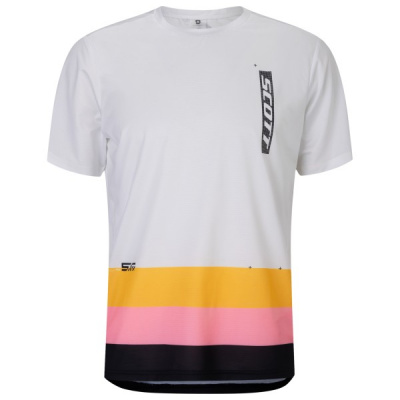
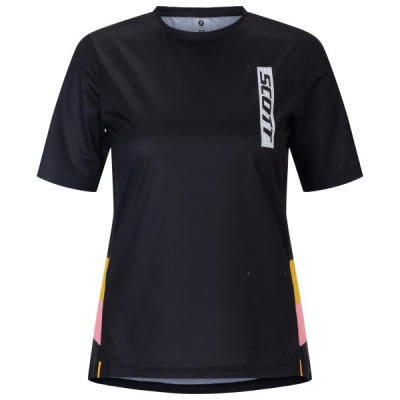
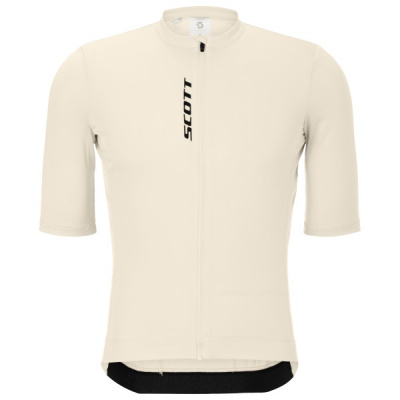
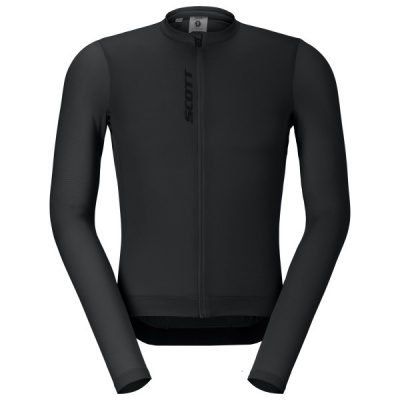
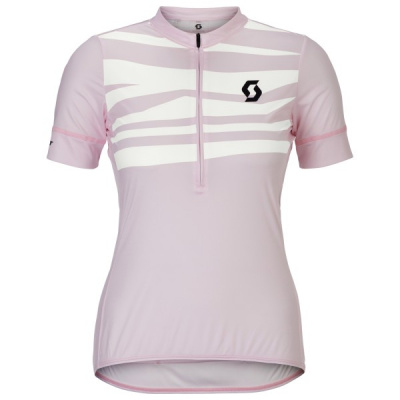
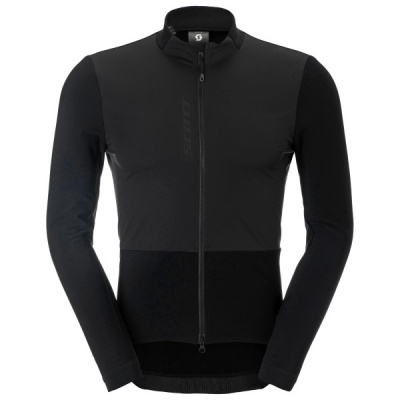
The range covers a lot of ground. Scott road bike jerseys in the RC line are cut for speed - close, flat, and aero. The Endurance jerseys sit in a more forgiving athletic fit that suits long club runs without pinching your shoulders after three hours. Scott MTB jerseys, built around the Trail line, give you the roomier cut you need when you're throwing the bike around or wearing a pack. Whatever you're riding - sportives on the South Downs, laps at Glentress, mixed-surface miles in the Peaks - there's a jersey in this range built around your kind of effort.
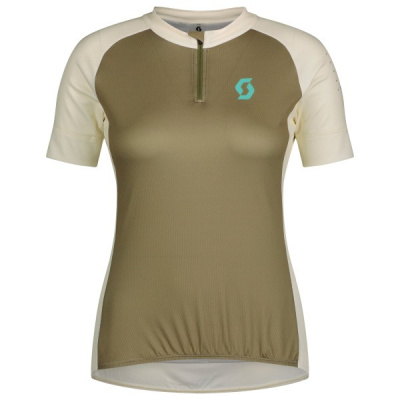
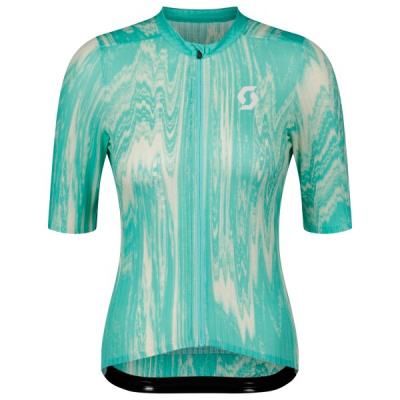
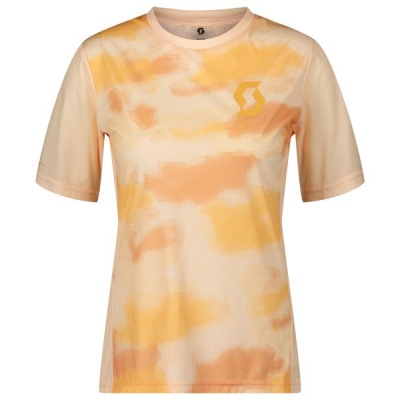
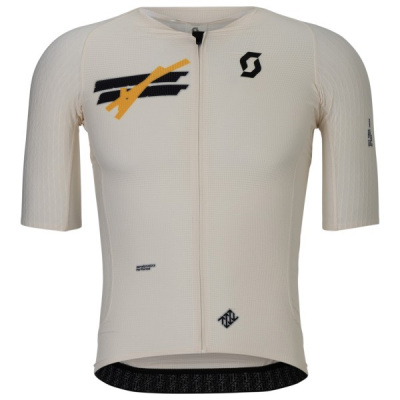
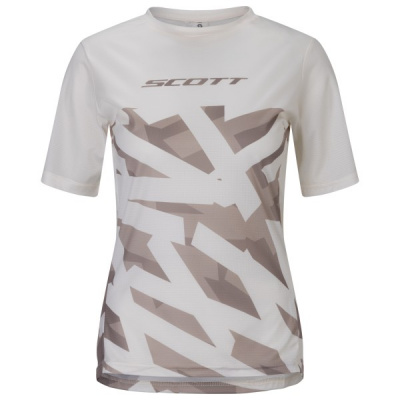
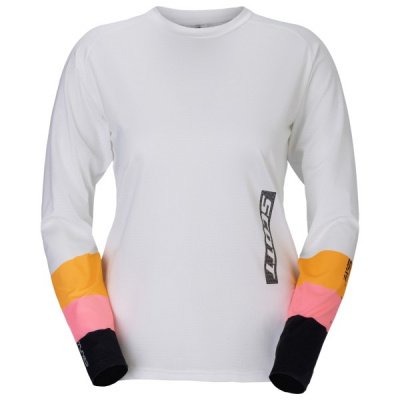
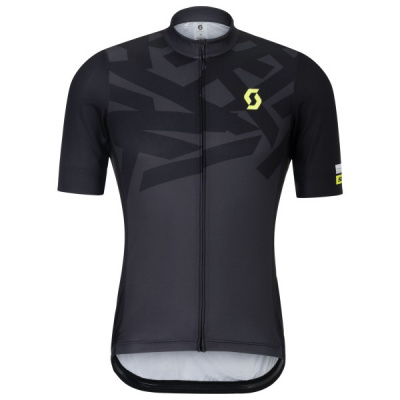
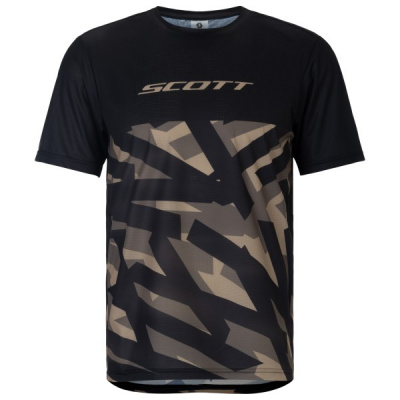
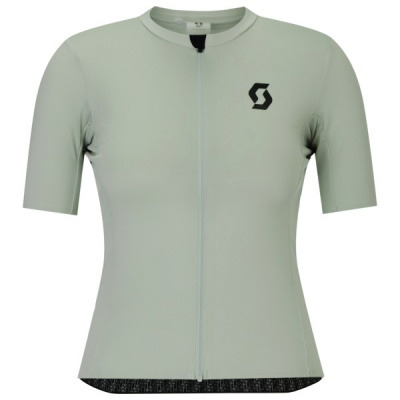
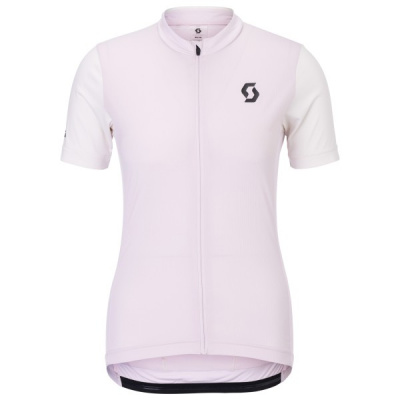
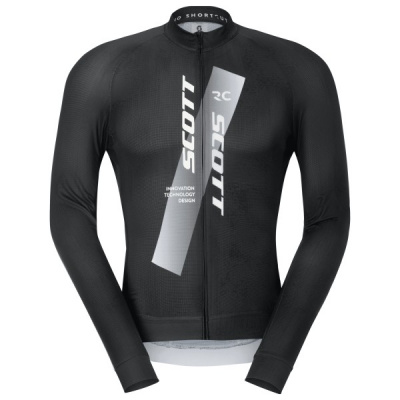
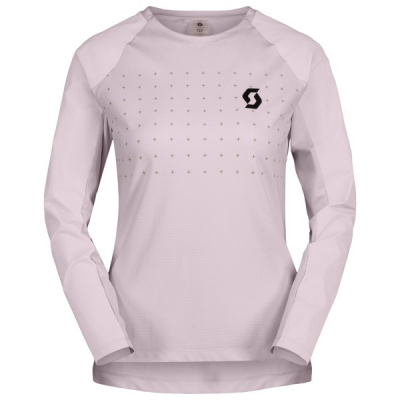
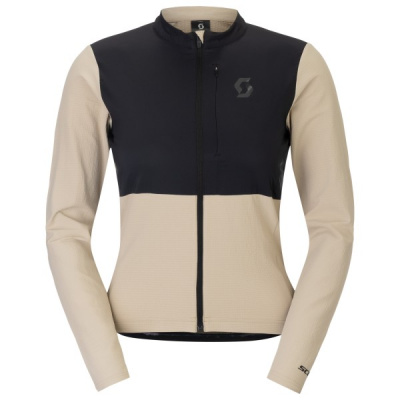
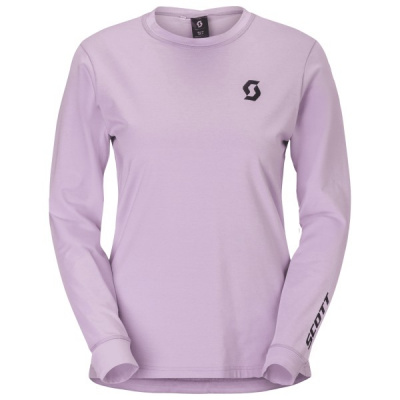
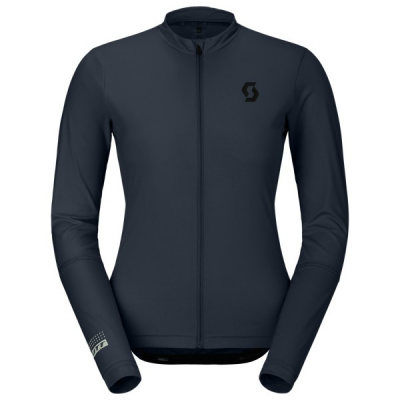
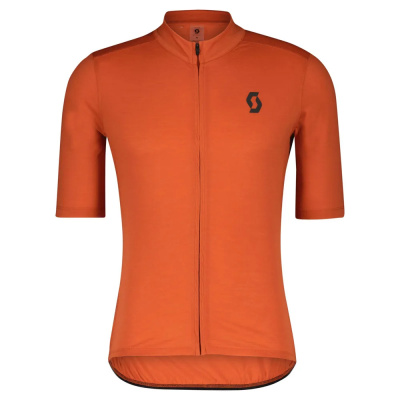
Prices and availability can change quickly. Delivery charges are not always included in listed prices.
Final price, stock status and delivery terms are set by retailer. We may receive a commission on purchases made.
DRYOxcell, DUROxpand, and How They Handle UK Conditions
Humidity is the enemy on a British climb. You work hard on the way up, your jersey saturates, and then the descent turns that damp fabric into a cold compress against your chest. DRYOxcell addresses this directly - it's a quick-dry, moisture-wicking construction that moves sweat laterally across the fabric rather than letting it pool. The result is a jersey that feels noticeably drier through hard efforts, which matters enormously when you're grinding up something like Hardknott and need to stay comfortable rather than overheated on the way up and freezing on the way back down.
DUROxpand is Scott's four-way stretch fabric used across the RC and premium Endurance jerseys. It gives you a close, flap-free fit that doesn't fight your position on the bike - no bunching at the elbows in the drops, no riding up at the back when you reach for a pocket. The silicone gripper along the bottom hem keeps everything in place through longer efforts. Semi-autolock zippers let you regulate temperature on the move without the zip sliding back down on you, which anyone who's wrestled with a cheap jersey on a headwind day will appreciate.
On the premium summer jerseys, Scott also incorporates Polartec Delta cooling technology - a structured fabric surface that increases airflow across the skin and helps manage core temperature during high-intensity efforts. It's the kind of detail that separates a summer race jersey from a general-purpose top. For heavy rain or deep winter riding, though, a jersey alone won't cut it - pair yours with a dedicated outer layer from the Scott gilets range to stay functional when the weather turns properly grim.
RC, Endurance, and Trail: Choosing Your Cut
Scott splits its jersey range into three clear lines, and picking the right one comes down to how you ride and how you like your kit to feel. Get this wrong and a brilliant fabric ends up feeling uncomfortable for the wrong reasons.
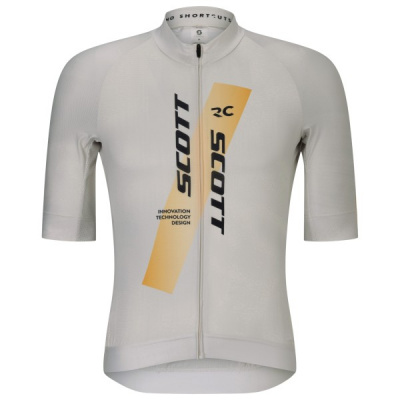
The RC (Racing Concept) line is built around an aggressive, aero fit. This is a second-skin jersey - it sits very close, it's cut short at the back for a tucked road position, and DUROxpand stretch is doing a lot of the work to make that tightness feel natural rather than restrictive. If you're used to a relaxed fit, size up. The Scott RC Pro jersey fit rewards riders who spend a lot of time in an efficient road position - sportive riders chasing times, club racers, anyone who treats their aerodynamics seriously. If you're comparing against similarly race-focused options, Castelli jerseys and Assos jerseys occupy the same space, and all three brands size with a bias towards European racing cuts.
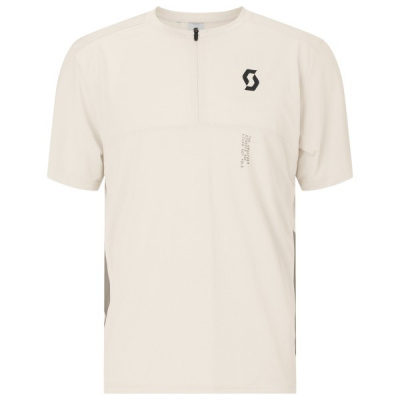
The Endurance line steps back from that extreme fit into something closer to an athletic club cut. The shoulders are less constricted, the torso sits with a bit more room, and the overall silhouette is relaxed enough for a four-hour audax without feeling like you're being shrink-wrapped. This is where most UK club riders will land - it works for road and gravel alike. The rear pockets are generously sized and well-positioned, which sounds obvious until you've ridden a jersey where they're awkward to reach mid-effort. The Scott Endurance jersey is genuinely practical for all-day use in a way the RC line isn't designed to be.
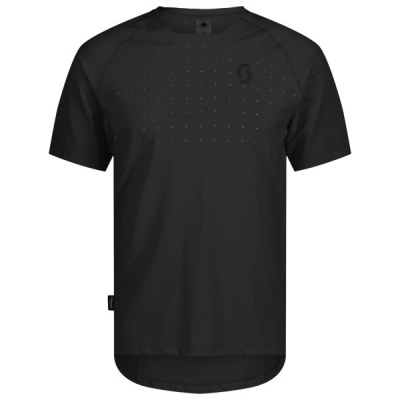
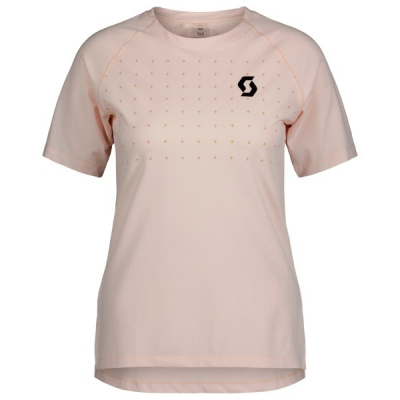
The Trail line is the MTB offering, and it's a different product category in everything but name. Looser through the body, cut to accommodate movement over the bike and to layer over body armour without bunching, these jerseys are built for trail riding rather than tarmac. The fabrics still wick and stretch, but durability and freedom of movement take priority over aerodynamics. If you're primarily an off-road rider and a Trail jersey still feels too fitted, 100% jerseys offer a similarly performance-focused MTB cut worth comparing. For anything off-bike, the Scott base layers range fills the casual layering gap more naturally than a technical jersey will.
Building a Layering System for British Weather
A good jersey is only part of the picture. In the UK, you'll rarely get away with a single layer for anything other than a midsummer effort - even then, you'll want a plan for the inevitable cold patch at the top of a ridge.
Start with a moisture-wicking foundation from the Scott base layers range. A mesh or lightweight base layer creates an air gap and ensures any sweat generated at skin level gets passed outward to the DRYOxcell jersey fabric rather than sitting against you. This combination genuinely extends how comfortable you stay across varying intensities - it's the difference between finishing a wet climb feeling okay and finishing it feeling clammy.
For spring and autumn riding, a short-sleeve Scott jersey with arm warmers and a windproof gilet covers a surprising range of conditions. The jersey-to-gilet interface works best when your jersey fits cleanly - another reason to get the fit right before you buy. The Scott gilets are cut to work with Scott jersey fits specifically, so the shoulder seams don't fight each other. Keep a pair of Scott gloves in your rear pocket; the temperature difference between the valley and the exposed moorland above it can be sharper than you'd expect.
On washing: keep it simple and keep it cold. Wash Scott jerseys at 30°C on a gentle cycle. Avoid tumble drying - the heat degrades the silicone hem grippers and breaks down the stretch in DUROxpand panels faster than normal wear would. The critical thing people get wrong is fabric softener. It coats the DRYOxcell fibres and blocks the wicking action entirely, so you'll end up with a jersey that feels soft but no longer does its job. Hang dry, avoid softeners, and these jerseys will stay functional for a long time. Trail jerseys coming back from muddy UK rides wash out well at low temperatures - the fabrics are designed to release grit without needing aggressive detergents.
Scott Jerseys FAQs
How do Scott cycling jerseys fit compared to other brands?
The RC line runs tight - it's a genuine race cut, so size up if you're not used to that kind of close fit. The Endurance and Trail lines sit closer to a standard athletic fit and are true to size for most riders. If you're used to brands like Altura or Castelli's mid-range fit, the Endurance jerseys will feel immediately familiar.
What is the difference between Scott RC Pro and Endurance jerseys?
The RC Pro is a racing jersey - DUROxpand stretch, aero cut, minimal weight, designed for riders who spend serious time in a performance position. The Endurance jersey trades some of that aggressive profile for a more relaxed fit and added comfort over longer distances. Both wick well, but the RC Pro prioritises speed while the Endurance prioritises all-day comfort.
How should I wash my Scott cycling jersey?
Wash at 30°C on a gentle cycle and hang it up to dry. Never use fabric softener - it clogs the DRYOxcell wicking fibres and kills the jersey's ability to manage moisture. Tumble drying damages the silicone hem grippers and degrades the stretch fabrics over time. Keep it simple and the jersey will stay functional for seasons.