
Scott Base Layers
Scott base layers sit at the foundation of a cycling kit that actually works - and getting that first layer right matters more than most riders realise. Whether you're grinding up a humid summer climb in the Chilterns or grinding out winter base miles in the dark and the drizzle, what's against your skin sets the tone for everything on top of it.
Scott cycling base layers are built around two core fabric technologies. DRYOxcell pulls sweat away from your skin and pushes it toward the outer surface for rapid evaporation - so you're not sitting in a damp layer when the effort backs off. DUROxpand delivers four-way stretch throughout, meaning the fabric moves with you rather than fighting your pedal stroke or your reach to the bars.
The range spans ultralight breathable mesh for summer rides through to brushed thermal and Merino-blend options built for cold, damp mornings when you need genuine insulation that doesn't collapse the moment you start sweating. That's the real challenge of UK riding - a base layer that works at effort and keeps working when you stop at the top. Scott's range addresses that across the seasons, giving you a genuinely layerable system from skin outward.
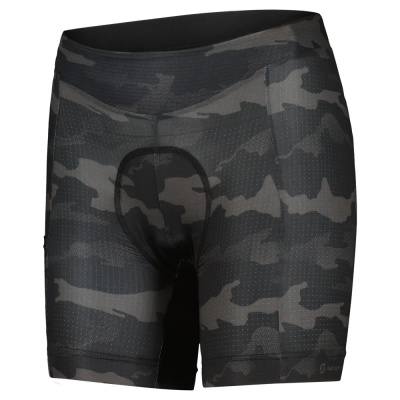
Prices and availability can change quickly. Delivery charges are not always included in listed prices.
Final price, stock status and delivery terms are set by retailer. We may receive a commission on purchases made.
Fabric Tech & How It Performs When the Weather Turns
Scott's proprietary DRYOxcell moisture management is the headline feature across the range, and it does a specific job well. On high-intensity efforts - think a long drag up a Welsh pass or a punchy club run in the Peak District - sweat builds fast. DRYOxcell uses an engineered fibre structure to actively transport that moisture away from your skin and spread it across a larger surface area on the outer face of the fabric, where it evaporates quickly. The practical result is that you don't get that cold, soggy feeling when you ease off the gas. High humidity on UK climbs makes this particularly relevant; a base layer that holds moisture rather than dispersing it turns into a cold compress the moment you crest the hill.
Alongside that, DUROxpand four-way stretch ensures the base layer doesn't restrict your movement. Cycling demands a very specific range of motion - forward rotation at the hips, extension through the back, reach through the shoulders - and a base layer that pulls tight in the wrong direction just adds fatigue. DUROxpand-equipped fabrics move with those forces rather than resisting them.
At the lighter end of the range, open breathable mesh construction maximises airflow and minimises weight. These are your summer options: virtually no insulation, maximum ventilation, and a next-to-skin fit that stops your jersey plastering itself to you on hot days. At the other end, Scott's winter base layers use brushed fleece interiors and Merino wool blends that trap a thin layer of warm air against the skin. Merino is particularly good here because it retains meaningful insulation even when damp - cold, damp winter mornings are exactly the condition where a purely synthetic thermal can start to feel less effective. Merino also resists odour naturally, which matters on multi-day trips or back-to-back training days.
Fit, Range Hierarchy, and Sizing
The single most important thing to understand about any cycling base layer is fit. It needs to be snug - genuinely next-to-skin, with no air gap between the fabric and your body. If the material isn't in contact with your skin, it can't wick moisture. That's not a marketing line; it's just how capillary action works. Scott base layers are cut with a compressive, close fit for exactly this reason.
That said, compressive doesn't mean uncomfortable. The DUROxpand stretch means the fabric accommodates your body shape and riding position without pinching. Most riders find Scott base layers fit true to their standard jersey size. If you're between sizes or simply prefer a slightly less wrapped feel, sizing up is a reasonable call - you'll still get the wicking benefit as long as the fabric stays in contact with your skin during effort.
The range breaks down practically by season. Sleeveless mesh options are the choice for peak summer and high-output rides where you want minimum fabric and maximum ventilation. Short-sleeve versions sit in the shoulder-season space - useful from early spring through to autumn, and the most versatile option if you're only buying one. Long-sleeve thermal base layers are built for deep winter, where thermal insulation and coverage matter as much as moisture management. Pair them with Scott jackets or Scott gilets and you've got a genuinely layered system that you can open up or strip back as conditions shift.
If you're looking at alternatives - perhaps you want to compare fabric weights or cut styles - Castelli base layers and Craft base layers are both worth a look. Craft in particular has a strong reputation for technical moisture management in their mesh options, while Castelli tends to run slightly slimmer in the cut.
Building a Layering System for UK Riding
Getting the base layer right is step one. What goes over it is step two - and in the UK, that second layer needs to be flexible because conditions change fast. A Scott summer mesh base layer paired with a lightweight Scott jersey covers most of spring and autumn as well as summer if you pick the jersey weight carefully. The base layer keeps sweat off your skin; the jersey manages airflow and can be unzipped when things heat up.
For winter, a long-sleeve thermal base layer under a windproof or insulated jacket is a solid starting point. On days where the temperature is borderline, a gilet over the base layer gives you core warmth without overheating your arms - easier to stuff in a pocket if you don't need it than a full jacket. Gore base layers are another option worth comparing at the winter end, particularly if windproofing on the front panel is a priority for you.
Care is straightforward but worth doing properly. Wash Scott base layers at 30 degrees. Skip the fabric softener - it coats the fibres and gradually kills the wicking performance of DRYOxcell fabrics. Air dry rather than tumble dry to preserve the elasticity of the DUROxpand stretch. Treated well, a quality base layer lasts considerably longer than most riders expect. You might also want to consider Scott bib shorts to complete the kit from the same family - fit and fabric philosophy are consistent across the range, which helps when you're building a system rather than buying individual pieces.
Scott Base Layers FAQs
Should a cycling base layer be tight?
Yes - snug is the word. A cycling base layer needs to sit flush against your skin to wick moisture effectively. If there's a gap between the fabric and your body, sweat stays where it is rather than being drawn away. That's when you get the cold, clammy feeling mid-ride. Compressive doesn't mean uncomfortable; good stretch fabrics like DUROxpand accommodate your shape without pinching.
Are Scott base layers true to size?
Generally, yes. Scott base layers are cut to fit true to your standard jersey size with a close, compressive feel. The high elasticity means they accommodate a reasonable range of body shapes at a given size. If you're between sizes or prefer a little more room, go up one - you'll still get the moisture-wicking benefit as long as the fabric stays in contact with your skin.
Do I need a base layer for summer cycling?
It's worth having one. A lightweight mesh base layer actively pulls sweat away from your skin, which keeps you more comfortable and helps regulate your core temperature during hard efforts. It also stops your jersey sticking to you on humid climbs. The fabric adds minimal warmth but noticeably improves how your kit feels when the pace is high and the sweat is flowing.