
Rockrider Helmets
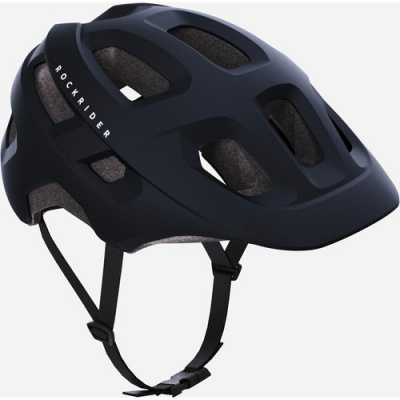
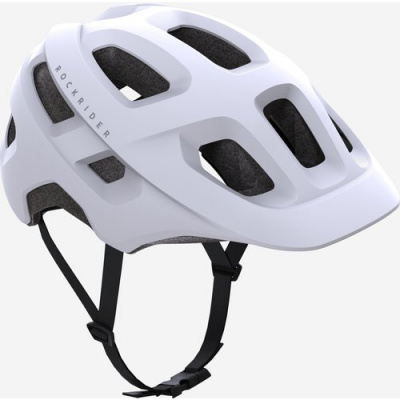
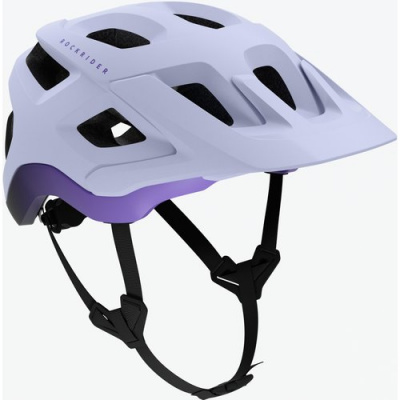
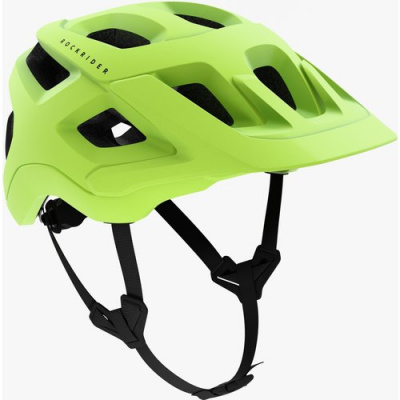
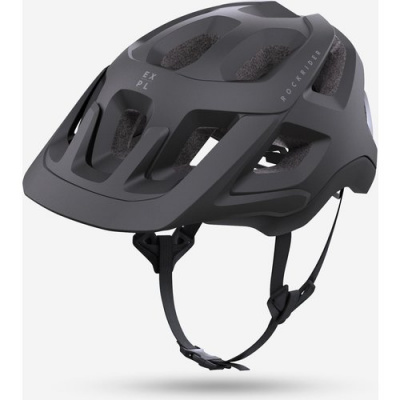
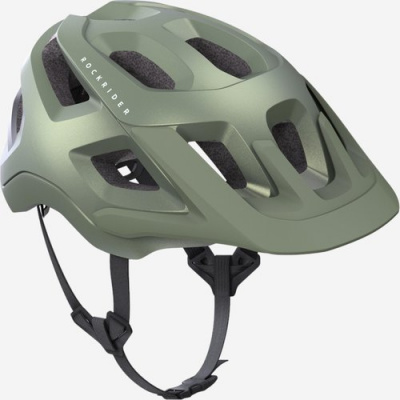
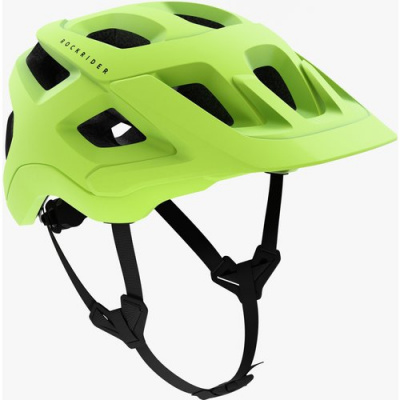
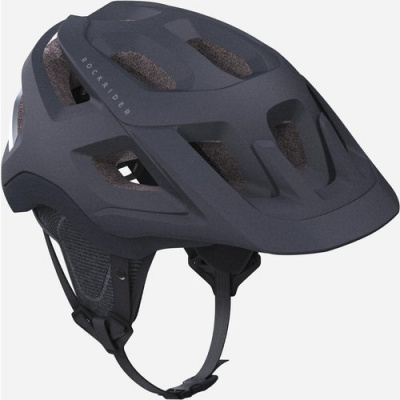
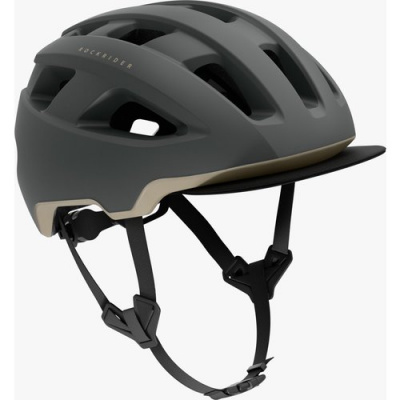
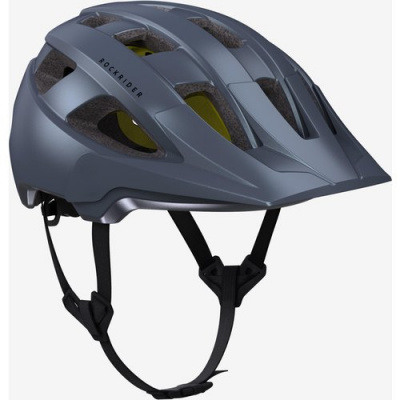
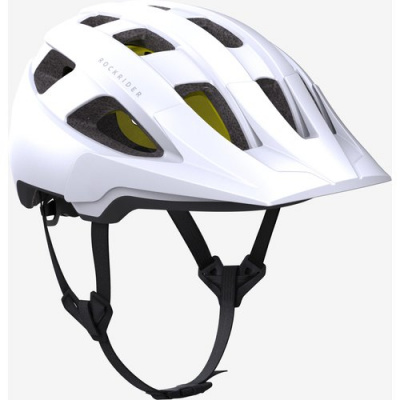
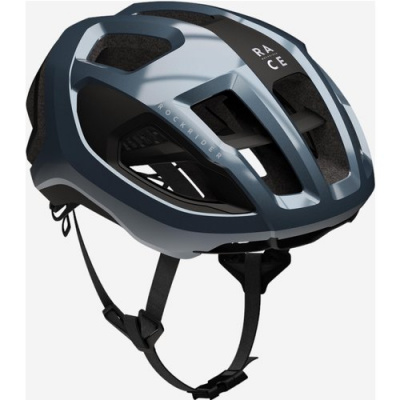
Rockrider helmets sit at the sharper end of what Decathlon's dedicated mountain bike brand does well - trail-ready protection at a price that doesn't make you wince before you've even clipped in. Built around in-mold EPS construction, these helmets bond a polycarbonate outer shell directly to the impact-absorbing foam liner, keeping weight down without thinning out the protection where it counts. Every lid in the range carries CE EN 1078 certification, so the safety fundamentals are sorted before you start comparing ventilation counts and visor angles.
The fit system is worth calling out early. A 3D dial retention system at the rear lets you dial in the fit properly - not just roughly - which makes a real difference on technical singletrack where a helmet shifting around mid-drop is the last thing you need. Ventilation channels run front to back to pull air across your head, useful when you're grinding up a steep, humid woodland climb rather than pinning it on an open descent.
Whether you're picking up your first trail helmet or replacing something that's taken one too many offs, Rockrider gives you a solid starting point. Browse the range below and use the sizing guidance further down to get the right fit first time.
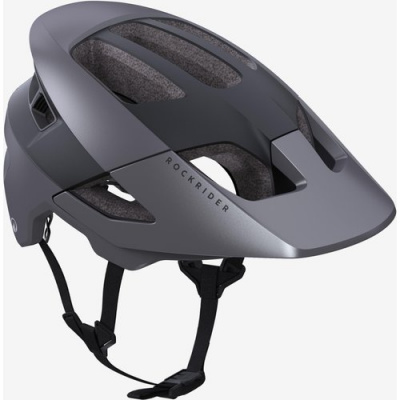
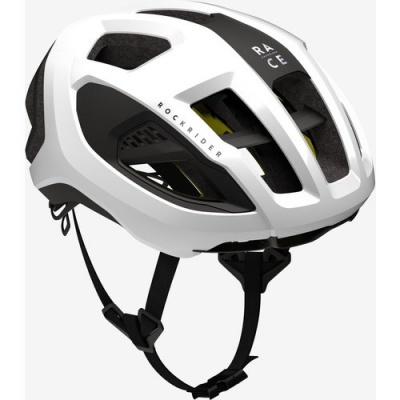
Prices and availability can change quickly. Delivery charges are not always included in listed prices.
Final price, stock status and delivery terms are set by retailer. We may receive a commission on purchases made.
Safety Tech and What It Actually Does on the Trail
The headline construction across the Rockrider range is in-mold EPS foam - expanded polystyrene that's fused directly to the polycarbonate outer shell during manufacture. That bond matters. It means the shell and liner work as a single unit on impact rather than shifting against each other, and it lets Rockrider keep the overall weight competitive without stripping out material from the liner. EPS is still the benchmark for single-impact absorption precisely because it deforms to spread the force, and the in-mold process means you're not carrying a heavy separate shell to protect it.
All helmets in the range meet the CE EN 1078 European safety standard - the baseline certification required for cycling helmets sold in the UK. That covers impact attenuation, retention system strength, and strap anchorage, so you're not buying on trust alone. If you're moving up from a basic XC lid and wondering whether trail-specific coverage adds meaningful protection, the answer is yes: deeper rear coverage and a more extended brow line both feature on the trail-oriented models in the range.
Ventilation is engineered rather than just added for looks. The channels running through the EPS liner are shaped to draw air in at the front ports and exhaust it at the rear, which works particularly well at the slower speeds of a technical climb through damp woodland - exactly the kind of riding that fogs your glasses and has you overheating before you've reached the top. The polycarbonate shell bridges the vents without interrupting airflow, keeping structural integrity intact across the openings. It's a genuine engineering trade-off: more vents mean better airflow but demand more careful shell geometry to maintain stiffness. Rockrider has landed that balance at a price point where some rivals are still using separate-shell construction.
Getting the Fit Right Across the Rockrider Adult Range
The rear dial retention system is central to how Rockrider helmets fit, and it's worth understanding before you buy. Rather than a simple ratchet that clicks between fixed positions, the 3D dial allows micro-adjustment - small turns that shift the internal cradle in or out to match your specific head shape within the given size bracket. That means two riders with the same head circumference but different head profiles can both achieve a secure, non-shifting fit from the same helmet.
To find your size, wrap a soft tape measure around your head just above your eyebrows and across the widest point at the back - this is your head circumference. Match that measurement to Rockrider's published size brackets (typically Small, Medium, and Large for adult lids). Once you've got the right size on your head, use the dial to snug the retention cradle against the back of your skull, then adjust the chin strap so two fingers fit between the strap and your chin. That's the setup. It takes two minutes in the car park and saves you a wobbling helmet on the first descent.
Strap adjustment is worth doing carefully - the Y-junction on each side should sit just below your ear, and both sides should be symmetric. If one side pulls the helmet forward or back, the dial system can compensate slightly, but correct strap geometry is the foundation. An adjustable visor is standard across most of the range; angle it high enough to clear your eyeline on the trail but low enough to keep sun and rain off your face on the exposed stuff.
Looking to protect your little shredders? Head over to our dedicated Rockrider Kids Helmets page for youth-specific sizing and designs.
Riding in the UK and Keeping Your Helmet in Good Shape
British riding throws a specific set of challenges at your helmet - and your cleaning routine. After a wet winter loop on the North Downs or a muddy session at Cannock Chase, the internal pads will have absorbed sweat, rain, and whatever the trail threw up. The good news is that Rockrider's removable comfort pads attach with hook-and-loop fasteners, so you can pull them out after a ride and hand-wash them with mild soap and cool water. Let them air-dry fully before refitting - stuffing damp pads back into a helmet is how you end up with a lid that smells like a changing room locker.
The straps are webbing, and they do degrade if you scrub them with harsh detergents or leave them soaking. A damp cloth and a mild soap solution wiped along the strap length is enough to shift mud and salt. Rinse with clean water and let them dry naturally. Avoid leaving the helmet in direct sun for extended periods - UV degrades both the polycarbonate shell and the EPS foam over time, reducing the protection you bought in the first place.
Goggle and glasses compatibility is worth a quick check before you ride. Rockrider's shell profiles are shaped to accept standard MTB goggle straps over the top of the helmet, and the visor geometry on most models gives enough clearance to avoid pressure points on the goggle frame. In wet UK conditions where glasses fog faster than you can wipe them, that fit between goggle and helmet matters - a gap that lets cold air in behind the lens kills clarity on a damp descent. If you're running lightweight trail glasses rather than goggles, the open ventilation channels work in your favour by reducing the pressure differential that causes fogging.
Pair your helmet with Rockrider gloves for consistent grip and palm protection on the same rides, or check out Rockrider MTB baggy shorts if you're building out a full trail kit. If you're comparing helmet options across brands, Giro helmets and Bell helmets sit at a higher price point with MIPS variants and more premium liner materials - worth considering if budget allows, but Rockrider closes the gap more than the price difference suggests. BTwin helmets offer a comparable entry-level option if you're shopping across the Decathlon stable. And if you're kitting out a new bike at the same time, the Rockrider mountain bike range is a logical next stop.
Rockrider Helmets FAQs
Are Rockrider helmets safe for mountain biking?
Yes. Every Rockrider helmet meets CE EN 1078 certification - the European standard covering impact absorption, strap strength, and retention system integrity. The in-mold EPS foam construction is engineered to deform on impact and spread force away from your skull, which is exactly what you want from a trail helmet.
How do I know which size Rockrider helmet to buy?
Measure your head circumference with a soft tape just above your eyebrows and across the widest point at the back. Match that number to Rockrider's size brackets, then use the rear dial retention system to fine-tune the fit within your size - it adjusts in small increments, so you can get a genuinely secure, personalised fit rather than just approximately right.
Can I wash the padding inside my Rockrider helmet?
Easily. The internal comfort pads are held in with hook-and-loop fasteners - pull them out, hand-wash with mild soap and cool water, and leave them to air-dry completely before putting them back. Don't machine-wash them or use harsh detergents, and don't refit them damp.