
BTWIN Helmets
Btwin helmets make a strong case that protecting your head properly doesn't have to cost a fortune. Every lid in the range meets the European EN 1078 safety standard, so whether you're threading through Bristol rush-hour traffic, grinding out a wet Sunday sportive, or looping the local towpath, the baseline protection is there. Full stop.
Construction across the range leans on in-mold polycarbonate shells bonded directly to an EPS foam core - the same fundamental approach you'll find in helmets costing three times as much. The difference at higher price points is mostly weight and airflow, not the safety spec. Btwin's dial fit system lets you micro-adjust the retention cradle until the fit is genuinely snug rather than just close enough, and ventilation channels are tuned to keep air moving even on muggy summer climbs.
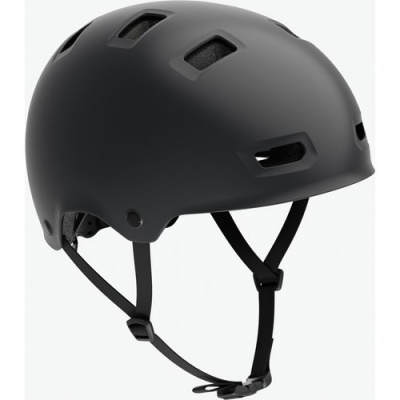
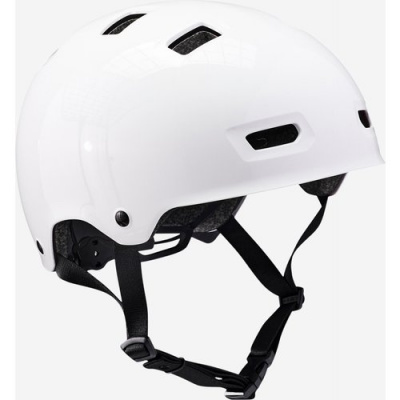
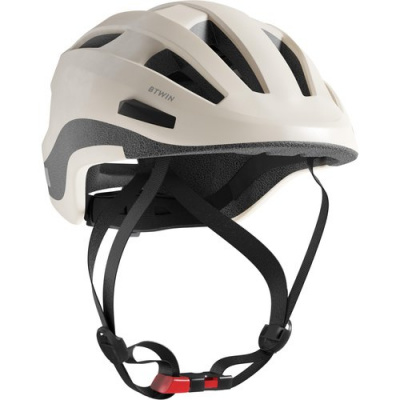
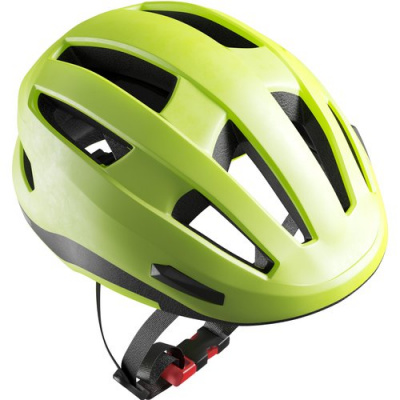
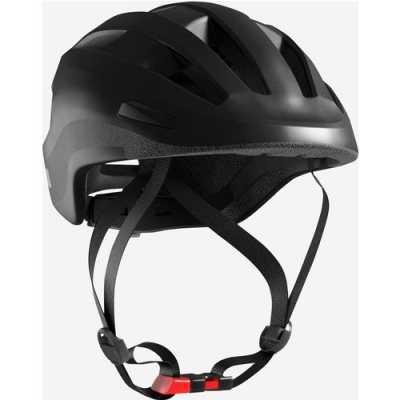
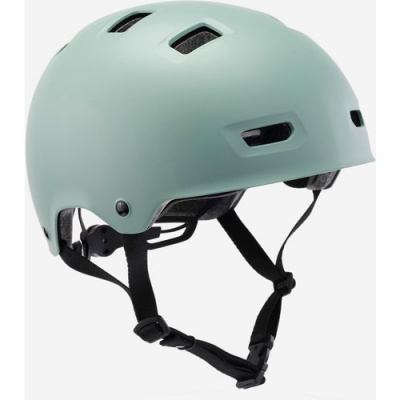
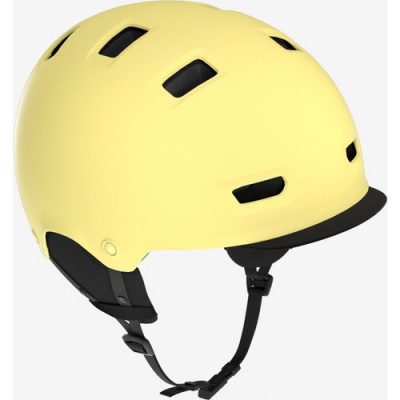
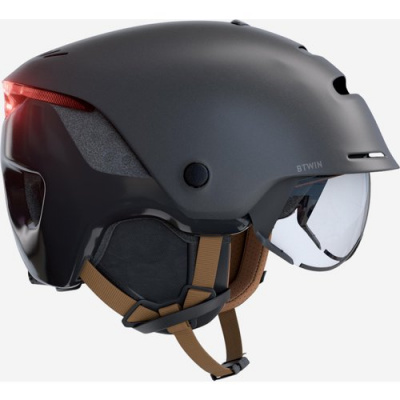
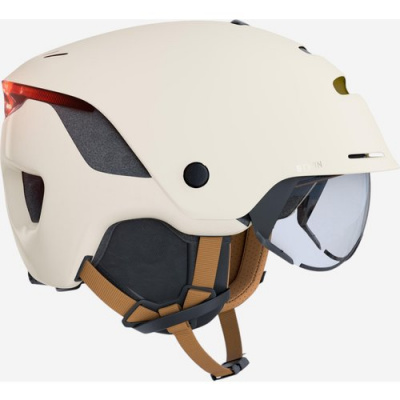
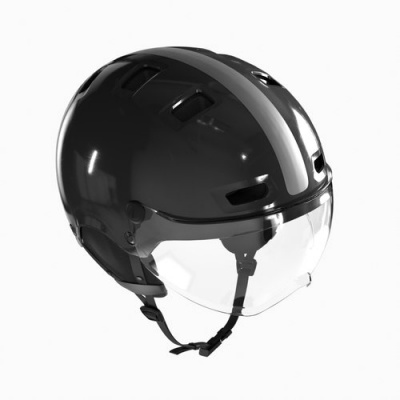
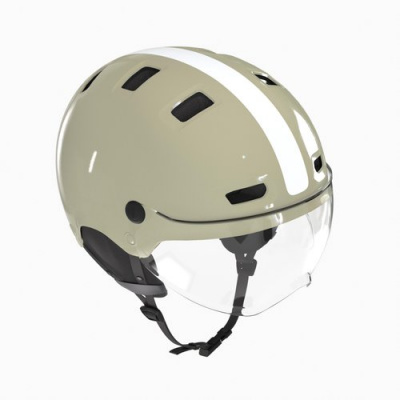
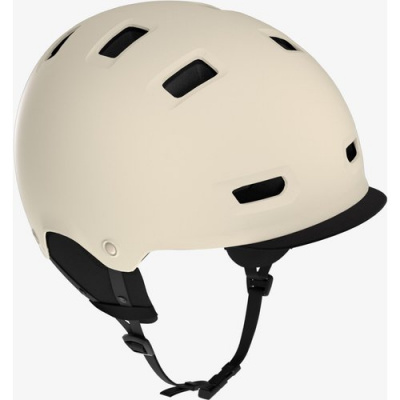
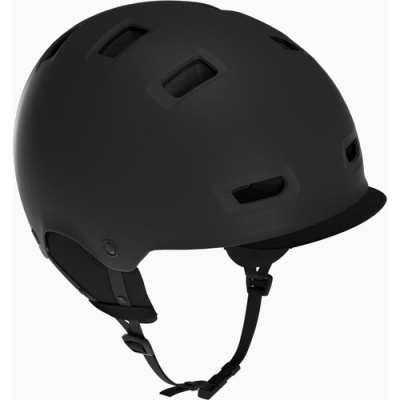
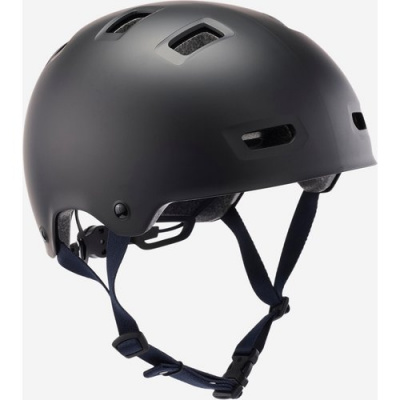
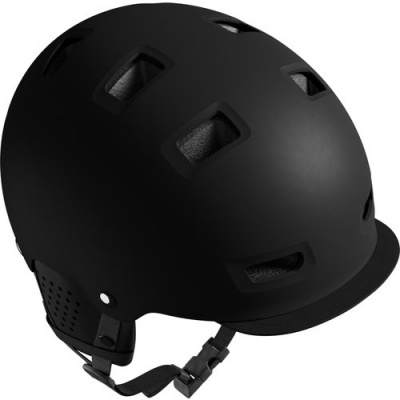
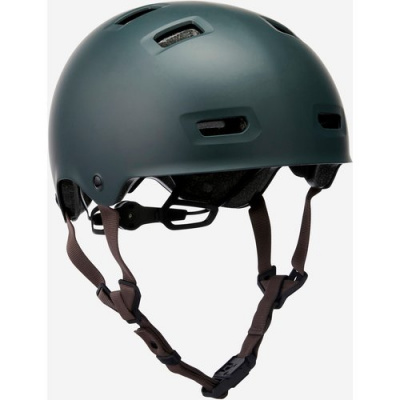
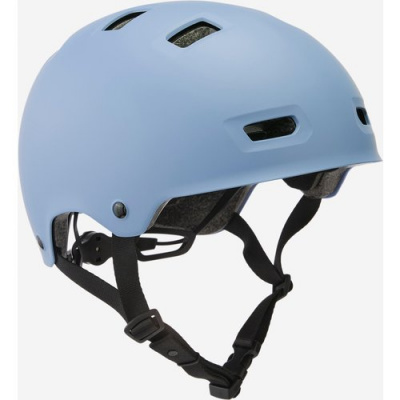
Commuter models add reflective details and integrated clips for rear lights - useful when November arrives and UK daylight becomes a scarce commodity. MTB and trail-oriented options include a removable visor to deflect drizzle without fogging your glasses. Road-focused versions trim the weight and open up the venting. There's a logical structure to the range once you know what to look for, and we'll walk you through it below.
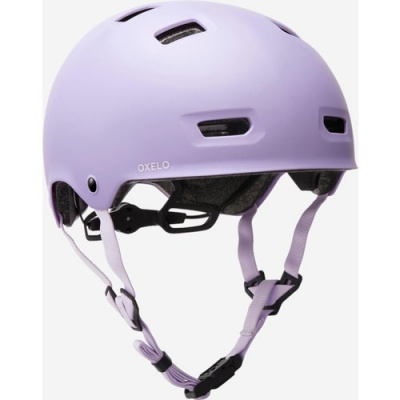
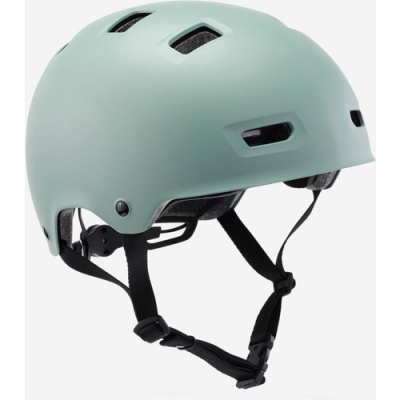
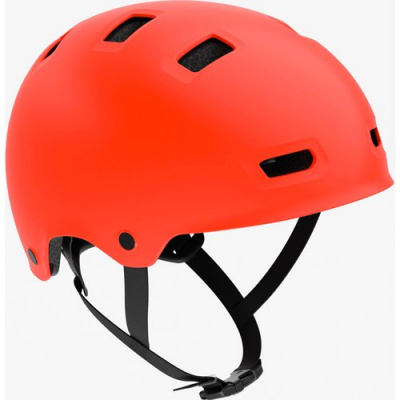
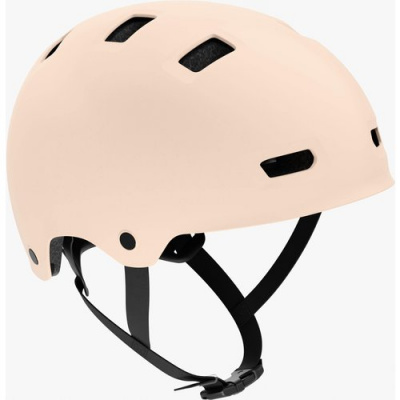
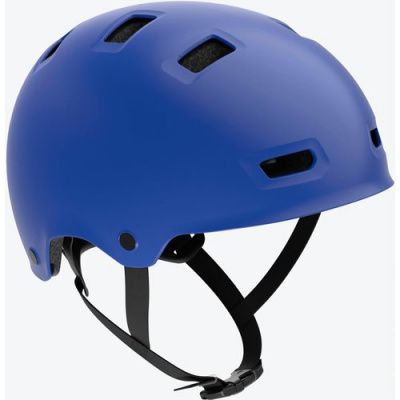
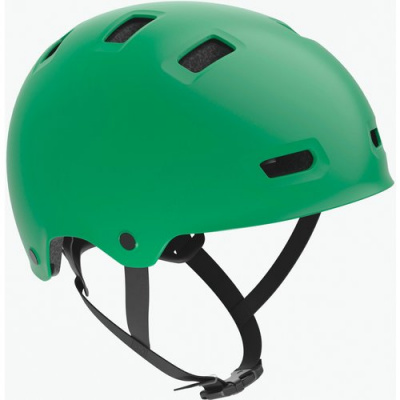
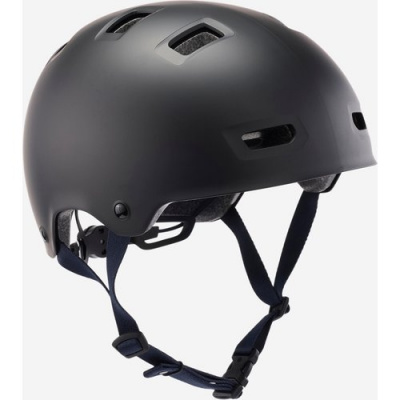
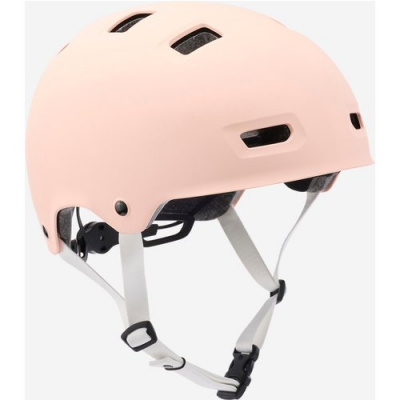
Prices and availability can change quickly. Delivery charges are not always included in listed prices.
Final price, stock status and delivery terms are set by retailer. We may receive a commission on purchases made.
How Btwin Helmets Are Built - and Why It Matters
The foundation of every Btwin helmet is EPS foam - expanded polystyrene that compresses on impact to absorb and dissipate energy before it reaches your skull. It's not glamorous, but it works, and Btwin's EPS cores are independently tested to EN 1078, the European standard that sets minimum thresholds for impact absorption and strap strength. That certification isn't a marketing badge; it's a legal requirement for sale in the UK, and Btwin meets it across every model.
The outer shell uses in-mold construction, where a thin polycarbonate skin is fused to the foam during manufacture rather than glued on afterwards. The result is a stiffer, lighter structure that distributes impact loads more evenly. Cheaper helmets sometimes use a stuck-on micro-shell that can separate over time - in-mold avoids that. It's the same method Giro and Bell use on their mid-range road lids, so you're not making a structural compromise by going Btwin.
Ventilation varies meaningfully across the range. Entry-level commuter lids keep the port count modest to maintain structural rigidity and keep costs down - sensible for stop-start city riding where you're rarely generating enough speed for airflow to matter. Step up to the road and sport models and the ventilation channels open up significantly, channelling cool air across the scalp and venting heat from the rear. On a humid August climb in the Brecon Beacons, that difference is real. The internal padding is removable and washable on all current models, which matters more than it sounds after a sweaty summer of commuting.
Getting the Fit Right - Dial, Straps, and Sizing
Btwin's 3D dial retention system sits at the back of the helmet and tightens a cradle that wraps around the lower rear of your skull. Rotate it clockwise to cinch it down; anti-clockwise to release. The goal is a helmet that stays put when you shake your head firmly but doesn't create pressure points. Most riders overtighten on the dial and leave the chin strap too loose - it should be the other way around. The strap does the structural work; the dial keeps the helmet from rocking forward.
Strap dividers sit just below each earlobe, forming a neat V around the ear. If yours are sitting on the lobe or halfway up the cheek, slide them into position before you tighten anything else - it takes thirty seconds and makes the whole fit more comfortable on longer rides. For Btwin helmet adjustment, that sequence (dial, dividers, chin strap) is the reliable order.
For Btwin bike helmet sizing, measure your head circumference with a soft tape measure roughly 2.5cm above your eyebrows and ears - that's the widest point on most heads. Btwin's sizing brackets typically run Medium at 55 - 59cm and Large at 59 - 62cm, though always cross-check against the specific model's size guide on the product page. If you're on a boundary, size up and use the dial to take in the slack rather than forcing a smaller shell onto a larger head.
The road-oriented Aerofit models sit closer to the head with a more tapered rear profile - worth knowing if you run a cycling computer or rear light on a helmet mount, as clearance can be tighter. Commuter and MTB lids sit slightly higher and rounder, which also means they accommodate a thermal skull cap underneath more comfortably during a January ride without completely losing the dial's purchase. Keep the cap thin - a standard cycling cap rather than a thick fleece beanie - and the fit system holds up well.
Not shopping for yourself? If you need to kit out younger riders or replace worn padding, head over to our Btwin Kids Helmets page for the junior range, or check the helmet spares section for replacement pads and retention parts. And if you're comparing across brands, Kask offers a useful benchmark for premium construction - the comparison is instructive for understanding what extra spend actually buys you.
Visibility, Weather, and the UK Commute
Btwin's commuter lids are designed with the UK's particular grimness in mind. High-visibility colourways and reflective details on the rear and sides mean you're readable to drivers even when the streetlights are losing the battle against a dark November morning. Several models include integrated clips for VIOO-series rear lights, so the light sits flush against the helmet rather than dangling off a strap - cleaner, less drag, and the light stays pointing where you aimed it.
The removable visor on MTB and commuter models is worth keeping attached on most UK rides. It deflects rain off your glasses well enough to make the difference between squinting through a smear and actually seeing the road. On dry days or road-specific outings where aerodynamics feel relevant, it unclips in seconds. That flexibility matters when the same helmet is doing weekday commutes and weekend trail loops.
If you're building out a full commuter setup, pairing a Btwin helmet with a Btwin jacket and overtrousers keeps the brand's consistent sizing logic working in your favour - and a decent Btwin lock means you can leave the bike outside without a second thought while you're inside drying off.
BTWIN Helmets FAQs
Are Btwin helmets safe?
Yes. Every Btwin helmet sold in the UK meets the EN 1078 European safety standard, which sets mandatory thresholds for impact absorption and strap strength. They use the same in-mold construction and EPS foam core as helmets from far pricier brands - the safety baseline is identical, regardless of which model you pick.
How do I adjust my Btwin bike helmet?
Work through it in order: turn the rear dial clockwise until the helmet sits snugly without rocking, then slide the strap dividers to just below each earlobe, and finally tighten the chin strap so two fingers fit between strap and chin - no more. Most people get the dial too tight and leave the chin strap too slack; the strap is the part that actually holds the helmet on in a crash.
How do I know what size Btwin helmet to buy?
Use a soft tape measure around your head about 2.5cm above your eyebrows and ears - that's your circumference in centimetres. Btwin's Medium typically covers 55 - 59cm and Large covers 59 - 62cm, but check the individual product page as it varies by model. If you're between sizes, go larger and use the dial retention system to fine-tune the fit.