
BTWIN Jackets
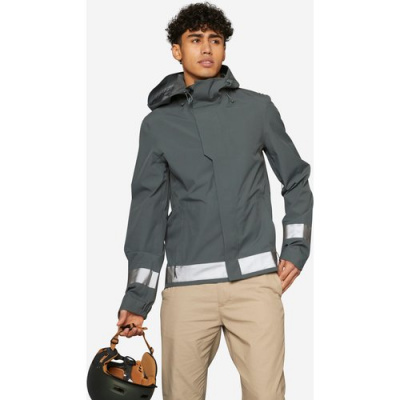
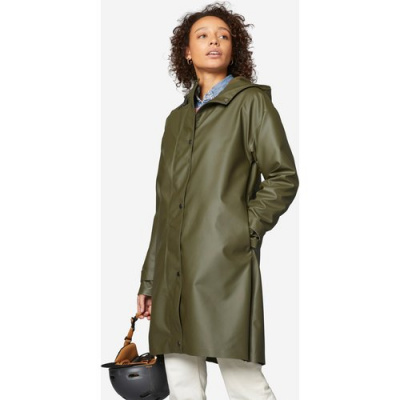
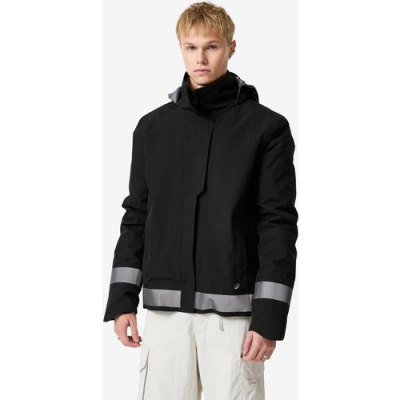
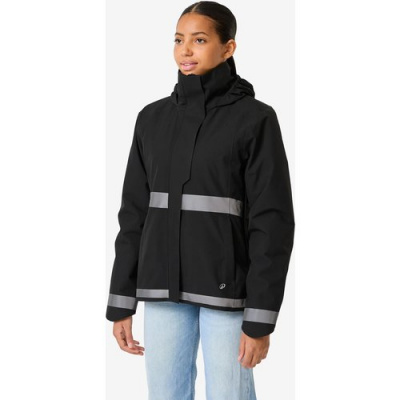
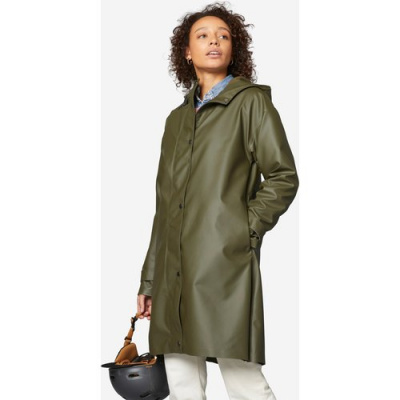
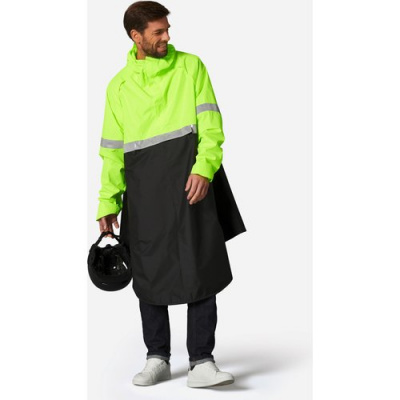
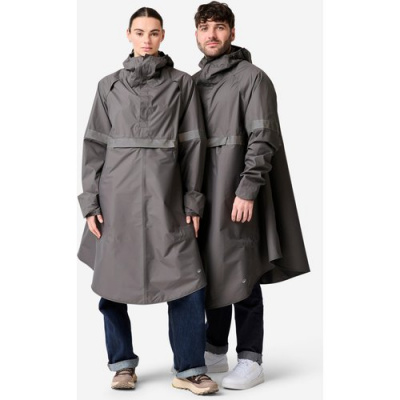
BTWIN cycling jackets are Decathlon's answer to the question every UK rider asks come October: how do I stay dry without spending a fortune? The range covers a lot of ground - packable showerproof shells for the rider who gets caught out on the school run, fully waterproof commuter jackets with taped seams for proper downpours, and hi-vis options that make dark winter mornings a good deal safer. What ties them together is a focus on practical, everyday protection rather than marginal aero gains or race-day weight savings.
Breathability sits at the heart of the better models in the range. UK winters are rarely arctic - they're mild, grey, and relentlessly damp - so a jacket that traps heat and moisture is just as miserable to wear as one that leaks. BTWIN leans into that reality with windproof front panels, ventilation zones, and DWR-coated fabrics that handle the kind of mixed conditions you get riding through a British autumn without much fuss. If you're commuting daily, doing weekend leisure miles, or just want a dependable layer that doesn't demand careful handling, there's something here worth considering.
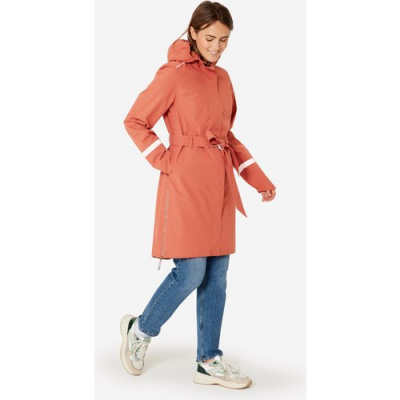
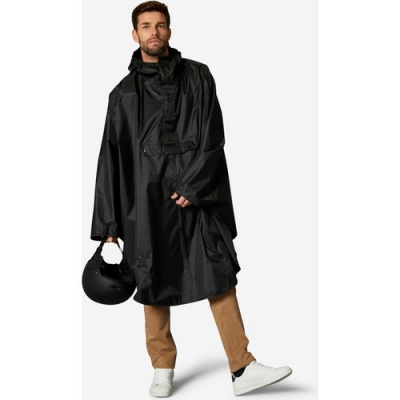
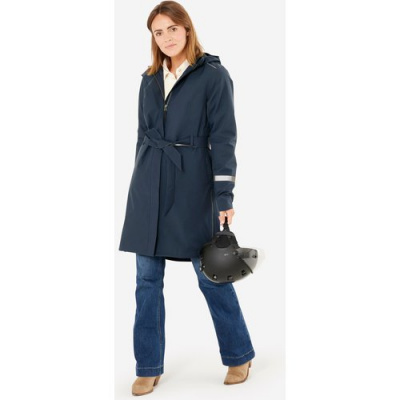
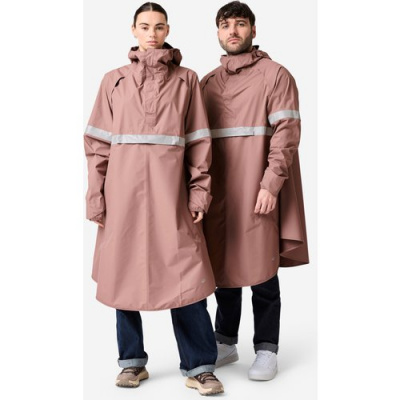
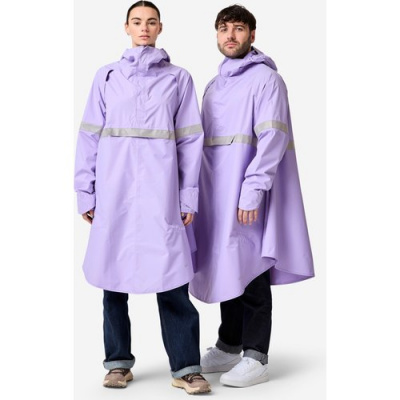
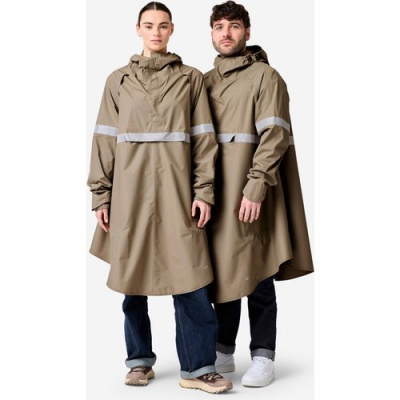
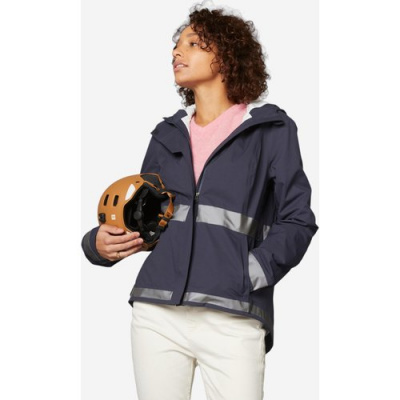
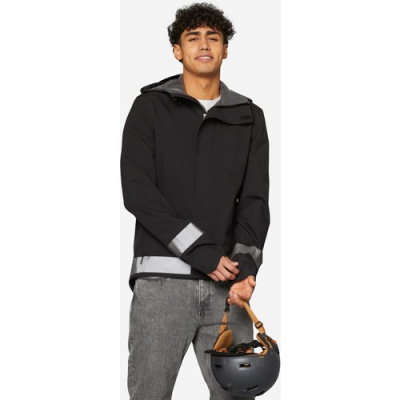
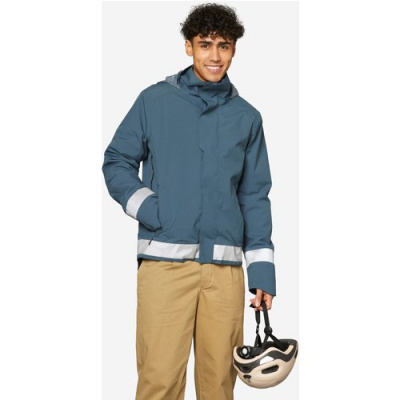
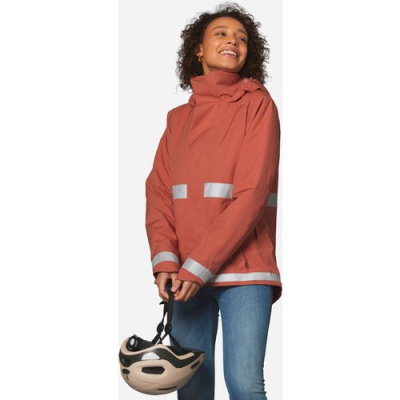
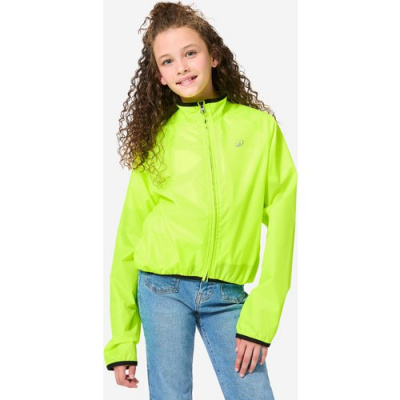
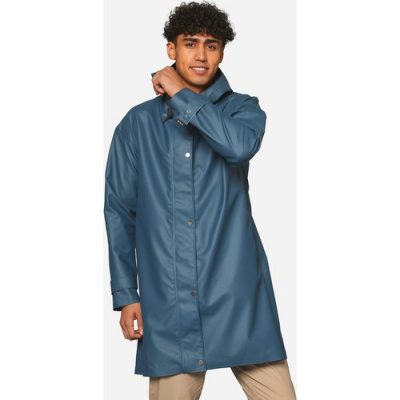
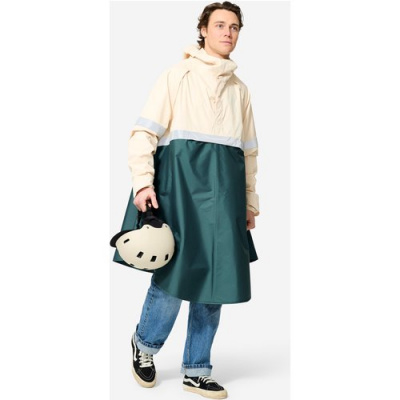
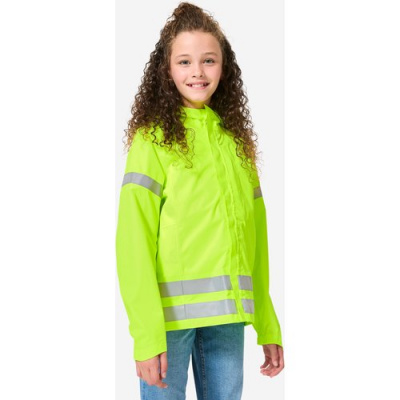
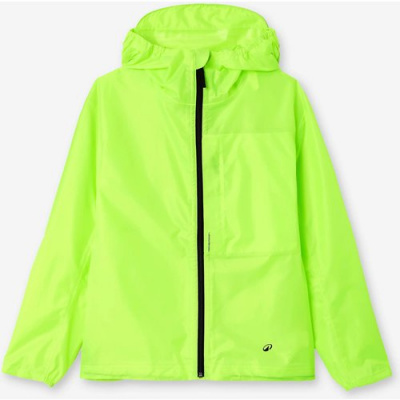
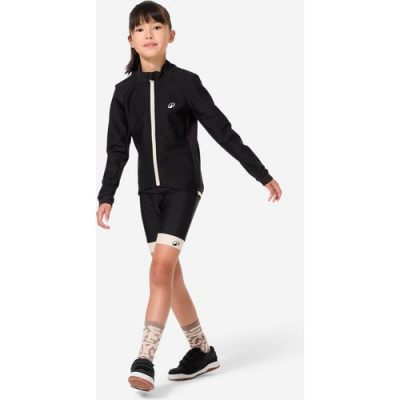
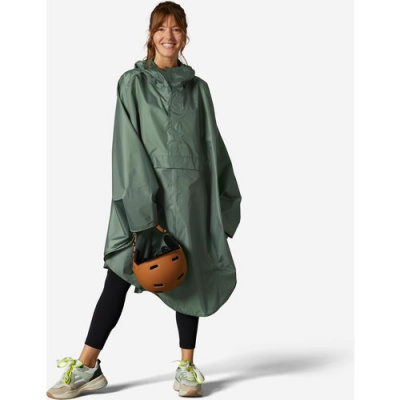
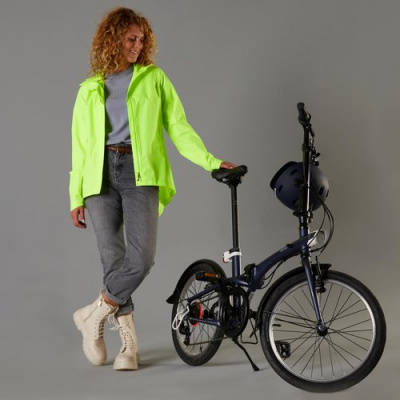
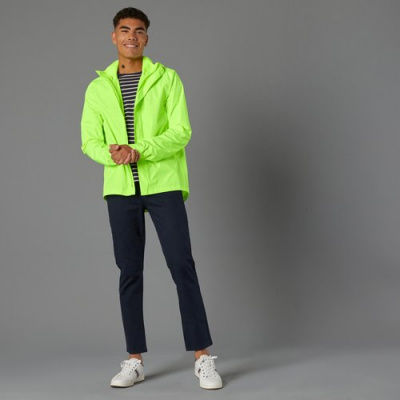
Prices and availability can change quickly. Delivery charges are not always included in listed prices.
Final price, stock status and delivery terms are set by retailer. We may receive a commission on purchases made.
Fabric Tech and Weather Performance
BTWIN's waterproofing strategy splits neatly into two tiers. The entry-level jackets use a DWR (Durable Water Repellent) coating over a tightly woven outer fabric - effective against light showers and spray, but not built for hours in the rain. Step up to the fully waterproof models and you get taped seams, which seal the stitch lines where water would otherwise find its way through, plus a proper breathable membrane bonded to the outer shell. That distinction matters. A jacket described only as water-resistant will start wicking moisture inward once the coating saturates, which on a wet commute across town can happen faster than you'd expect.
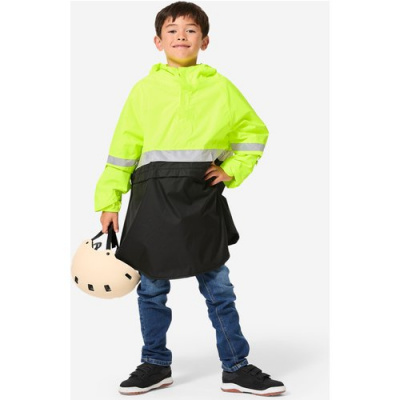
Windproof front panels are a consistent feature across the range, which is where the real-world comfort comes from on cold, dry days - blocking the chill at the chest and core while keeping the back panels lighter and more breathable. Several models add underarm ventilation zones or mesh-lined back sections to manage the build-up of heat on longer or hillier rides. It's a practical trade-off: you lose a fraction of weather protection at the vents, but you avoid arriving at work in a clammy state. For visibility, BTWIN's EN 1150 certified high-visibility fabrics appear across the commuter-focused jackets, with reflective detailing on the shoulders, chest, and back that catches car headlights from multiple angles - genuinely useful on unlit roads through autumn and winter.
A drop tail at the rear is standard on most models, keeping lower-back coverage in place when you're bent over the bars. It's a small detail that makes a real difference over a 45-minute commute in a headwind. If you're weighing BTWIN against more established names in this space, Altura jackets sit at a similar commuter-focused position but typically command a higher price; dhb jackets push further into performance-fit territory for riders wanting something closer to a road-specific cut.
Understanding the BTWIN Fit and Range
BTWIN jackets are cut for real life, not a race number. The fit is relaxed enough to wear over a fleece or a thick mid-layer without feeling constricted - which is the point. These are jackets designed around the commuter or leisure rider who isn't pulling on a skinsuit underneath, and that shows in the shoulder width, sleeve length, and chest room. If you're planning to wear a heavy winter jumper or a thermal mid-layer beneath yours, size up one from your usual. The fit won't suffer for it, and you'll thank yourself when the temperature drops.
That relaxed cut does mean they're not optimised for fast road riding. If you want something that sits flush against a base layer and doesn't catch the wind at the back, a more tailored road-specific option from somewhere like Boardman jackets might suit you better. BTWIN isn't trying to be that jacket, and it doesn't pretend to be. For commuting, leisure rides, and mixed-use cycling, the roomier cut is an asset rather than a compromise. Sizing is broadly consistent with standard European sizing, though BTWIN's own size guides - available via Decathlon's product pages - are worth checking against your chest and waist measurements before ordering.
If core warmth without the full sleeve is what you're after - useful on shoulder-season days when arm warmers handle the rest - it's worth heading straight to our BTWIN overtrousers page for complementary wet-weather legwear, and considering a gilet from the broader range to layer underneath the jacket when temperatures shift mid-ride.
Layering and Care for UK Riding
A BTWIN jacket works best as the outer shell of a simple three-layer system. Start with a moisture-wicking base layer - synthetic or merino, depending on your preference - that pulls sweat away from the skin. Add a light mid-layer for colder days, then the jacket on top. It sounds obvious, but plenty of riders reach for a thick, insulated jacket as a single layer and end up soaked from the inside out on anything more than a gentle pootle. Keep the jacket breathable and let the layers beneath do the thermal work.
Pairing the jacket with BTWIN mudguards is a practical move for commuters - mudguards knock out a significant proportion of road spray before it reaches the jacket at all, which extends the life of the DWR coating and keeps your back dry without relying entirely on the fabric. If you're carrying kit, BTWIN pannier bags work well alongside these jackets for daily commuting without the sweaty back of a rucksack.
On washing: this is where a lot of riders inadvertently ruin a perfectly good waterproof jacket. Standard biological detergents - the ones in most kitchen cupboards - break down the DWR coating over time, leaving the outer fabric wetting out and feeling permanently damp even when the membrane underneath is still intact. Use a specialist technical wash at 30°C, avoid fabric softener entirely, and tumble dry on a low heat setting afterwards. That last step is important: gentle heat reactivates the DWR coating and restores the beading effect you want to see on the fabric surface. If the jacket has been washed a few times and the DWR is visibly degraded, a spray-on DWR re-proofer applied after washing and dried in can bring it back. It's a five-minute job that extends the jacket's useful life considerably. For a complete wet-weather setup, BTWIN helmets with integrated visor or waterproof covers round things out without breaking the budget.
BTWIN Jackets FAQs
Are BTWIN cycling jackets true to size?
Generally, yes - BTWIN jackets follow standard European sizing reasonably closely. The fit is relaxed rather than race-snug, so there's room for everyday clothing underneath. If you want a close, aerodynamic feel, size down. If you're layering over a thick mid-layer through winter, size up one.
How waterproof are BTWIN commuter jackets?
It depends on the model. Entry-level jackets use a DWR coating and handle light showers well, but they're not built for sustained heavy rain. For genuine wet-weather commuting, look specifically for models with taped seams and a stated hydrostatic head rating - those are the ones that'll keep you dry on a proper soaking.
Can you wash a BTWIN waterproof cycling jacket?
Yes, but the method matters. Biological detergents and fabric softeners strip the DWR coating, so use a specialist technical wash at 30°C instead. Tumble dry on a low heat afterwards - that gentle warmth reactivates the water repellency and gets the beading effect working again. Do this consistently and the jacket will perform for much longer.