
Rockrider MTB Baggy Shorts
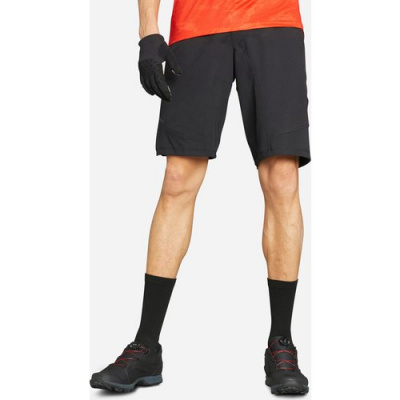
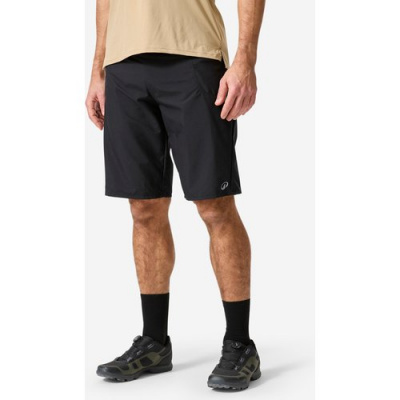
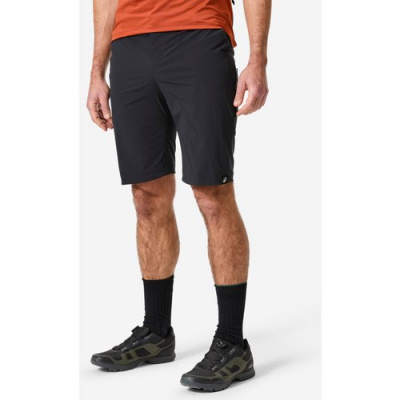
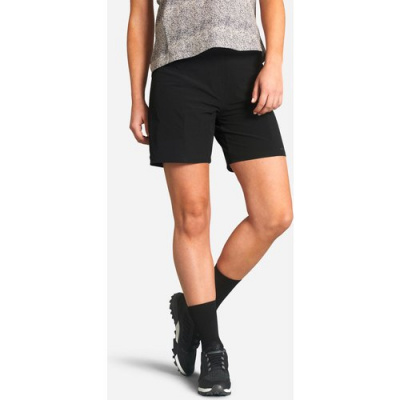
Rockrider MTB baggy shorts strip away the unnecessary and focus on what actually matters when you're picking mud out of your teeth on a Pennine descent: durable fabric, a fit that moves with you, and pockets that don't become a percussion instrument mid-ride. Designed by Decathlon's mountain bike division, these shorts are built around the realities of UK trail riding rather than sun-drenched Instagram singletrack.
The construction centres on reinforced ripstop panels in the areas most likely to meet rocks, roots, and brambles, backed by a 4-way stretch elastane blend that lets you pedal hard without the shorts fighting back. A DWR coating handles the near-constant rear-wheel spray that comes with British trail riding - it won't keep you dry in a proper downpour, but it keeps the weight down and the mud off your base layer on typical damp days. Pocket placement is deliberate too: secure enough for a phone on chunky trail, positioned so they don't interfere with a hip pack or pack straps.
Whether you're lapping the bike park at Bike Park Wales, threading berms in the Surrey Hills, or grinding out an all-day epic in the Cairngorms, Rockrider mountain bike shorts offer the abrasion resistance and practical features to keep up without breaking the bank.
Prices and availability can change quickly. Delivery charges are not always included in listed prices.
Final price, stock status and delivery terms are set by retailer. We may receive a commission on purchases made.
Fabric Tech and How It Holds Up
The core of any decent trail short is its fabric, and Rockrider leans on a 4-way stretch elastane blend that genuinely pays off on the bike. Steep, out-of-the-saddle climbs - the sort you get in the Peak District or on Highland singletrack - demand full hip and knee articulation. A fabric that resists that movement translates to dead legs before the summit. The stretch here removes that friction entirely, letting you drive through the pedals without restriction.
Where the shorts are most likely to contact the ground - outer thighs, rear hem, knee zone - Rockrider uses reinforced ripstop panels. Think of it as targeted armour: the mesh-like ripstop weave stops a small snag from becoming a full tear, and the added abrasion resistance means a low-speed off into heather or gravel doesn't immediately retire your kit. The rest of the short stays lighter and more breathable, which matters on the sweaty climb sections that precede every descent worth having.
The DWR (Durable Water Repellent) finish is the detail that separates a trail short from a park short in the UK context. It won't replace waterproof trousers in a genuine Welsh monsoon, but it handles the spray off a wet rear tyre and the inevitable puddle splash that soaks lesser fabrics through in seconds. DWR does degrade over time - more on maintaining it below - but fresh, it keeps the shorts feeling light rather than sodden through most of what British weather throws on a typical ride day.
If you're comparing to alternatives at a higher price point, both Endura MTB baggy shorts and Fox MTB baggy shorts use similar DWR and ripstop approaches, often with more layers of treatment or heavier-grade ripstop - worth knowing if you're riding five days a week and the shorts need to absorb serious long-term punishment.
Fit, Inseam, and Getting the Sizing Right
Fit in a trail short isn't just about waist size. Inseam length is the detail most riders overlook until they're standing at the trailhead staring at a gap of bare shin above their knee pads. Rockrider shorts generally run a longer inseam than fashion-led alternatives, which is exactly what you want when running knee pads - no exposed skin, no uncomfortable bunching, no gaper gap. If you're running knee pads regularly, size for the inseam first, then sort the waist.
The adjustable waistband uses velcro tabs on either side of the waist to fine-tune the fit once you're on the bike. It's a simple mechanism, but it's one that actually stops the shorts sliding south on a technical descent where you're out of the saddle and putting force through the pedals at odd angles. Set them snug at the trailhead - they'll stay put.
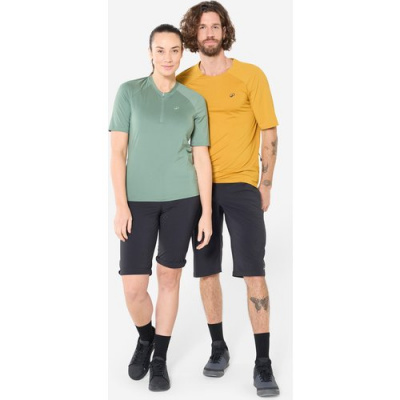
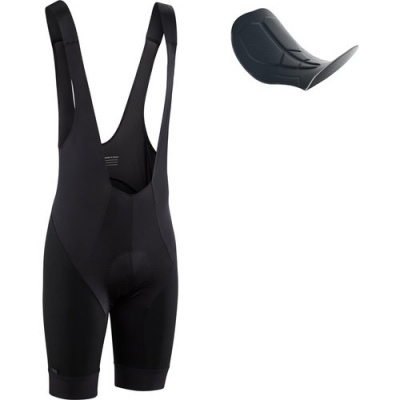
The overall cut is relaxed without being baggy in the comical sense. There's enough room to layer a base layer beneath without the outer short pulling tight, and the leg hem sits clear of the knee without flapping. Liner shorts compatibility is worth a separate mention: these baggy shorts are designed as a shell. Some versions include a detachable padded liner, but if yours doesn't, you'll want a quality base layer underneath for any ride over an hour. For padded options that work well beneath a baggy shell, browse the Rockrider liner shorts range - building a modular system gives you more flexibility across different ride types and temperatures.
Washing, DWR Maintenance, and Layering for British Conditions
DWR coatings are only as good as how you look after them. The main enemy isn't mileage - it's fabric softener. Softener coats the fibres and blocks the DWR from doing its job. Wash in a technical wash or plain non-bio detergent, cold or at 30°C, and skip the conditioner entirely. If the DWR starts to wet-out (water soaks in rather than beading), a tumble dry on low heat or a careful pass with a cool iron over a cloth can reactivate it. A specialist DWR re-proofer spray works for more significant degradation.
Grit and trail debris are the other concern. Abrasive particles left in the fabric between washes work away at the ripstop fibres and the DWR layer both. Shake the shorts out before they go in the wash, turn them inside out, and give the pocket interiors a proper rinse - fine grit collects there and doesn't always shift in a standard machine cycle.
For a complete layering setup on a typical UK trail day, pair these shorts with a Rockrider jersey that manages sweat on the climbs, Rockrider gloves for grip and light protection, and a waterproof jacket you can stuff into a pack for the inevitable shower on the way back to the car. The shorts handle most of what you'll encounter; the jacket covers the rest. If you're new to the brand's kit ecosystem or considering a full build, the Rockrider mountain bike range is worth a look for context on where these shorts sit within the broader setup.
Knee pad compatibility is worth a final practical note: fit the pads first, then pull the shorts over and adjust the velcro tabs. Doing it the other way around almost always means re-adjusting at the trailhead. A Rockrider helmet rounds out the protection picture if you're building out kit from scratch.
Rockrider MTB Baggy Shorts FAQs
Do Rockrider MTB shorts come with a padded liner?
It depends on the specific model. Some Rockrider baggy shorts include a detachable padded liner; others are sold as a shell only. Check the product listing carefully before buying. If yours doesn't include one, browse the dedicated <a href="https://bikesy.co.uk/b/rockrider/liner+shorts/">Rockrider liner shorts</a> page to build a modular system that suits different ride types.
How should MTB baggy shorts fit?
Loose enough to allow full pedalling movement and sit comfortably over knee pads without leaving bare skin above the pad - that inseam length matters more than most riders expect. The waistband should feel snug with the adjustable velcro tabs done up, so the shorts don't migrate south on steep, punchy descents where you're out of the saddle and pushing hard.
Are Rockrider baggy shorts waterproof?
No, but most feature a DWR (Durable Water Repellent) treatment that handles light rain and the constant rear-wheel spray you get on damp UK trails. For proper heavy rain, you'll need dedicated waterproof riding trousers over the top. Think of the DWR as your first line of defence on a typical ride day, not full wet-weather protection.