
Patagonia Base Layers
Patagonia base layers bring genuinely technical fabric engineering to the foundation of your cycling kit - and given how badly a soggy base layer can ruin a ride, that matters more than most riders realise. Patagonia's two core fabric platforms, the synthetic Capilene range and their Merino wool blends, cover everything from scorching summer sportives to the kind of grey, damp February days where you never quite warm up. Capilene pulls moisture off your skin fast and dries faster still, so you're not steaming away under a shell on a Welsh climb. The Merino blends take a different line - slower to wet out, naturally odour-resistant, and forgiving when temperatures drop on a long descent. Both are built with recycled polyester construction and carry Fair Trade Certified sewing credentials, so there's substance behind the sustainability claims. Patagonia isn't a cycling-first brand, but the close-cut fit of their base layers and the outright quality of the fabrics mean they compete seriously with dedicated cycling labels. If your layering system starts next to your skin - and it should - getting that layer right sets up everything above it.
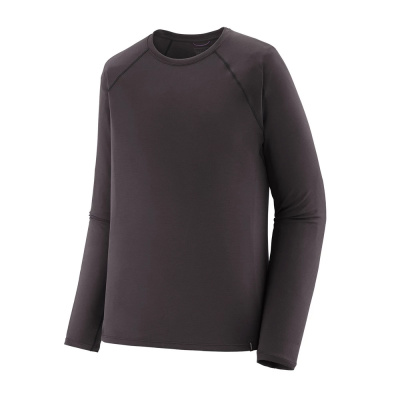
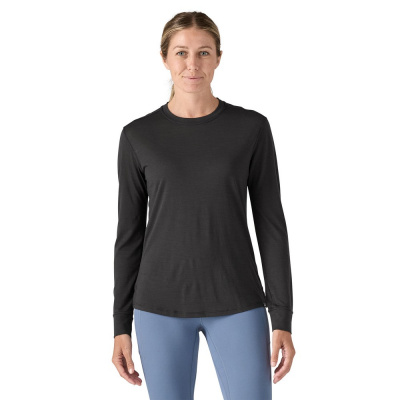
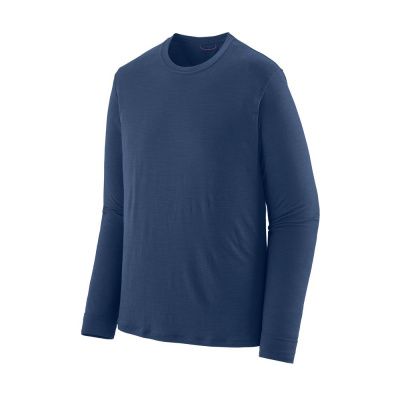
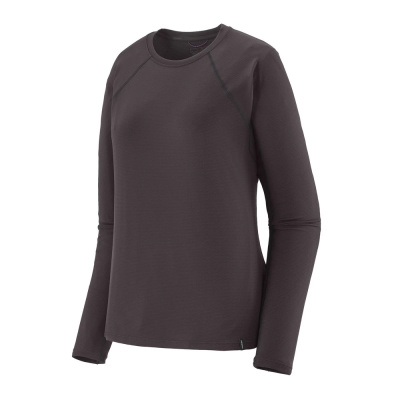
Prices and availability can change quickly. Delivery charges are not always included in listed prices.
Final price, stock status and delivery terms are set by retailer. We may receive a commission on purchases made.
Capilene vs. Merino: What the Fabric Choice Actually Means on the Bike
The core question with Patagonia base layers is simple: are you riding hard and hot, or grinding through cold, damp hours? The answer points you straight to the right fabric.
Capilene is Patagonia's proprietary synthetic, and it comes in three weights. Capilene Cool is the lightest - a fine-knit, moisture-wicking mesh that shifts sweat off your skin fast enough to keep you comfortable on a high-output summer gravel ride or a humid climb in the Peak District. It dries quickly, which matters when you stop and the breeze hits. Capilene Midweight adds a bit of loft without killing breathability - a genuinely versatile option for chilly spring mornings that turn mild by mid-ride. Capilene Thermal Weight is the deep winter option, a brushed-interior synthetic that traps warm air close to your body on a cold road ride without the slower-drying characteristics of natural fibres.
The Merino wool blends work differently. Merino regulates thermal output more gradually than synthetic, which can feel gentler on moderate-pace rides where you're not generating big heat spikes. The real advantage is twofold: it retains meaningful warmth even when damp - useful when UK weather decides to make your life difficult mid-ride - and it resists odour naturally, without relying on chemical treatments. For multi-day bikepacking routes or back-to-back riding days, that natural odour resistance is a practical win that synthetic fabrics struggle to match. That said, Patagonia also integrates HeiQ Pure odour control into select Capilene styles, which closes the gap considerably for synthetic fans. It's a durable treatment, not a wash-out-in-three-cycles gimmick.
If you're comparing Patagonia to dedicated cycling brands, Castelli base layers and Rapha base layers are cut tighter for race-specific fit and often use finer gauge fabrics. Patagonia's fabrics are robust and multi-use - a fair trade-off if you want a base layer that also earns its keep off the bike.
Getting the Fit Right Across the Range
This is worth being direct about: Patagonia sizes for a broad outdoor audience, not for riders hunched over drop bars in a skin-tight jersey. The cut is generally a touch more relaxed than what you'd find from Euro-centric cycling labels. That's fine for gravel riding, commuting, or winter training rides where you're bundled up anyway. For road cyclists who want a genuinely next-to-skin, wrinkle-free fit that sits cleanly under a close-cut jersey, sizing down is worth considering - particularly through the torso.
The product hierarchy follows a logical weight progression. Capilene Cool suits high-output summer riding and anything where sweat management is the priority over insulation. Capilene Midweight is the one most UK riders will reach for the most - it covers that wide band of cool-but-not-cold conditions that make up most of the riding calendar from September through to April. Capilene Thermal Weight is the hard winter layer, best kept for when temperatures drop into low single figures or below. The Merino options sit broadly in the Midweight zone in terms of warmth output, making them a natural alternative if you prefer natural fibres or do a lot of multi-day riding.
Are Patagonia base layers good for cycling? Genuinely, yes - the fabric technology and construction quality put them level with dedicated cycling brands, even if the brand itself thinks as much about trail running and alpine touring as it does road kilometres. Mons Royale base layers occupy similar territory if you want a Merino-forward alternative with a more cycling-specific cut.
Building a Layering System for UK Riding
A base layer only does its job properly when the layers above it work with it, not against it. The classic UK problem is a ride that starts at 6°C and ends at 13°C with a short sharp climb in the middle - you need a system that can vent when you're working and insulate when you're not.
For autumn and spring rides, pairing a Capilene Midweight base layer with a Patagonia gilet covers a huge range of conditions without overloading you. The gilet traps core warmth on fast descents and can be stuffed in a back pocket on climbs. For full winter riding - the kind of wet, grey Scottish Borders day where the mud stays frozen until noon - a Capilene Thermal Weight under a Patagonia waterproof jacket gives you genuine insulation alongside wind and rain protection. The moisture-wicking base layer is critical here; if it can't pull sweat away from your skin, you'll end up cold and clammy on every descent regardless of what's on top.
One practical note that makes a real difference: wash these on a cool cycle and skip the fabric softener entirely. Softener coats the technical fibres and kills the moisture-wicking performance - it's the fastest way to turn a quality base layer into a regular cotton-feel top. A sports-specific detergent used sparingly preserves the fabric's function far longer. For the Merino wool styles, a gentle wool cycle or cold hand wash protects the fibre structure.
For summer riding where the base layer is essentially just a hygiene and sweat-management layer under a Patagonia jersey, Capilene Cool is light enough that many riders forget they're wearing it - which is the point. The thermal regulation story across the full Patagonia range is coherent and well thought through; there's a logical option for every month of the UK riding calendar.
Patagonia Base Layers FAQs
Are Patagonia base layers good for cycling?
Yes - the Capilene and Merino ranges deliver genuinely strong moisture-wicking and thermal regulation. Patagonia's roots are in broader outdoor use rather than pure cycling, but the fabric quality and close-cut fit make them effective under a jersey. The main adjustment is sizing: road riders may want to go down a size for a proper next-to-skin fit.
What is the difference between Patagonia Capilene and Merino?
Capilene is Patagonia's synthetic fabric - fast-drying, durable, and excellent at shifting sweat quickly on high-intensity rides. Merino wool blends dry more slowly but regulate temperature more gradually, resist odour naturally, and retain warmth when damp. Capilene suits high-output or summer riding; Merino suits multi-day trips or damp winter miles where natural fibre performance wins out.
How should a Patagonia base layer fit for cycling?
Snug and close to the skin, with no bunching that could cause hotspots under a jersey. Because Patagonia sizes for general outdoor use, the fit is slightly more relaxed than cycling-specific brands. Road cyclists after a race-tight fit should consider sizing down one, particularly in the torso. Gravel and winter riders will generally find the standard sizing works well.