
Patagonia Jerseys
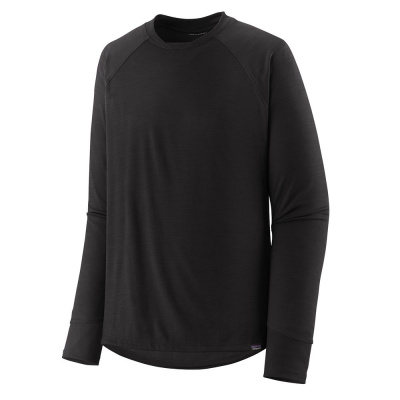
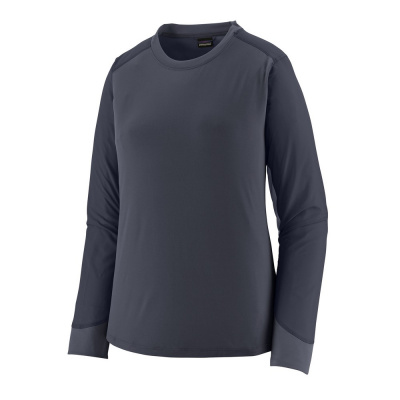
Patagonia cycling jerseys sit at the crossroads of proper outdoor performance and trail-specific bike design - and that's a genuinely useful place to be when you're riding in Britain. Forget skin-tight road lycra. Patagonia's approach is built around freedom of movement, durability, and fabrics that earn their keep across long days in variable conditions.
The lineup leans on two core technologies. Capilene® Cool fabric actively pulls sweat away during hard climbs, drying fast enough that a sudden shower on the descent doesn't leave you cold and clammy. Where the range steps into merino, Patagonia uses RWS-certified merino wool blends - traceable, responsibly sourced, and genuinely good at buffering those swings between a steep woodland climb and an exposed ridge.
Every jersey is Fair Trade Certified™ sewn and built from recycled materials where possible, so the sustainability angle isn't just marketing - it's baked into how these things are made. HeiQ® Mint odor control keeps multi-day bikepacking kit fresher for longer, and details like drop-tail hems and articulated seams show Patagonia has thought about riders who actually spend time in the attack position, not just leaning on café counters. Worth knowing before you buy.
Prices and availability can change quickly. Delivery charges are not always included in listed prices.
Final price, stock status and delivery terms are set by retailer. We may receive a commission on purchases made.
Fabric Tech and How It Handles UK Weather
The engine of most Patagonia cycling jerseys is Capilene® Cool, a moisture-wicking fabric that moves sweat off your skin fast. On a steep, humid woodland climb - think the kind of enclosed singletrack where there's no breeze and the air feels thick - that active wicking matters. You're not just hoping sweat evaporates; the fabric is doing work. It dries quickly too, which is the practical bit: trail spray and the odd British downpour won't leave you riding in a cold, wet shirt for the rest of the loop.
Step up to the merino-blend options and you get a different kind of performance. RWS-certified merino wool regulates temperature across a wider range - it takes the edge off a cool moorland morning without cooking you on the climb out of the valley. Merino also handles moisture more gracefully than pure synthetics in stop-start riding, where you might be sweating hard one minute and standing in the wind the next. The trade-off is that merino blends take slightly longer to dry than pure Capilene, so if you're riding in persistently wet conditions, the synthetic-dominant options are the more pragmatic pick.
Woven through both fabric families is HeiQ® Mint odor control. For a day at a trail centre it's a nice bonus. For a two- or three-day bikepacking route where a washing machine isn't part of the plan, it's genuinely useful - the kind of detail that makes the difference between a jersey you can wear again the next morning and one you want to bury in a pannier. Recycled polyester construction features across the range too, which keeps the environmental footprint down without asking you to compromise on how the fabric actually performs.
Fit, Range, and What the Design Details Actually Do
Patagonia jerseys are cut for trail riding, not criteriums. The fit is relaxed and MTB-specific - there's room to move your arms freely, space to layer a Patagonia base layer underneath when the season turns, and enough volume to wear low-profile elbow pads beneath the sleeves if that's your preference. Compare that to the kind of snug, aero cut you'd find on a Castelli road jersey and the difference is obvious: this is a trail fit, designed for dynamic movement over a bike rather than minimising drag.
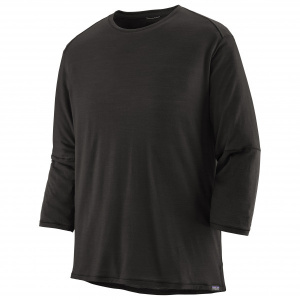
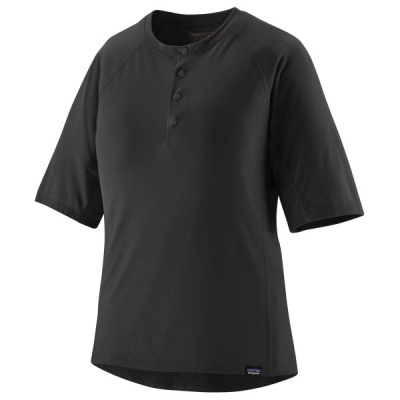
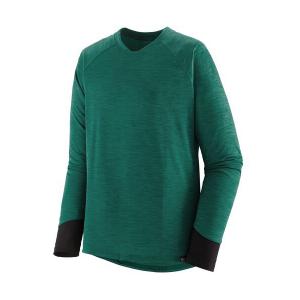
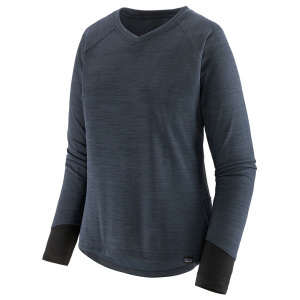
The Patagonia Dirt Roamer jersey is the centrepiece of the MTB-focused range - a short-sleeve option with a straightforward, functional silhouette built for aggressive trail use. The Patagonia Capilene bike jersey sits at the performance end of the Capilene family, prioritising moisture management for high-output riding. And the merino 3/4-sleeve option fills a specific gap: it's the jersey for late-summer rides where the trail is overgrown with nettles and brambles, or for the shoulder season when a short sleeve leaves you cold on the exposed sections. Three-quarter sleeves are underrated for UK riding - they cover enough skin to matter without adding bulk.
Two design cues are worth calling out specifically. The drop-tail hem keeps your lower back covered when you're in the attack position or stretched forward on a gravel bike - no gap between jersey and shorts when things get dynamic. And articulated seams around the shoulders and sleeves mean the fabric moves with you rather than pulling tight when you're reaching for the bars or absorbing a drop. If you ride with a hydration pack, those articulated seams also reduce the chafing you'd otherwise get from pack straps dragging on poorly placed stitching. Small things, but they add up across a four-hour ride.
Sizing runs true for most riders, though Patagonia's trail fit does have a slightly boxier shape through the torso than brands like 7mesh, whose jerseys blend a trail silhouette with a slightly more contoured body. Neither is wrong - it's a preference question. If you're between sizes, consider whether you'll be layering underneath; if so, size up.
Building Your Kit and Keeping It in Good Shape
Jerseys don't exist in isolation, and Patagonia's range is coherent enough to build a proper trail kit around. Pair a Capilene jersey with Patagonia MTB baggy shorts and you've got a matched set built from compatible fabrics that wash and perform in similar ways. Add Patagonia liner shorts underneath and you've covered padding without the baggies-and-bib-tights compromise that some riders default to. For colder days, a lightweight Patagonia jacket over the top completes the system. And if you want something for the café stop or the drive home, Patagonia T-shirts and shirts carry the same material values into off-bike use.
On washing: Capilene has a few rules worth knowing. Machine wash on a cool, gentle cycle - hot washes degrade the wicking finish faster than anything else. Avoid fabric softener entirely; it coats the fibres and kills the moisture management, which rather defeats the point. Air dry rather than tumble dry, and the odor-control treatments will last significantly longer. It's not complicated, but riders who ignore the label and bung everything in on a 60-degree cotton wash tend to find their Capilene gear performing poorly within a season. Treat it right and it'll last. Brands like Altura offer solid jersey options at different price points, but the longevity of Patagonia's fabrics - when cared for correctly - is part of what justifies the range.
Patagonia Jerseys FAQs
Are Patagonia jerseys good for mountain biking?
Yes, and they're specifically designed for it rather than adapted from road or outdoor hiking cuts. Bike-specific features like drop-tail hems, articulated sleeves for pack compatibility, and fast-drying Capilene fabrics make them genuinely practical for trail and gravel riding in UK conditions.
How do Patagonia cycling jerseys fit?
They run a relaxed, trail-specific MTB fit - not aero, not oversized. There's room for a base layer underneath, comfortable space for arm movement, and enough volume to wear light elbow pads beneath the sleeves. If you're planning to layer up, sizing up one is a reasonable call.
How do you wash Patagonia Capilene jerseys?
Cool machine wash on a gentle cycle, mild detergent, and no fabric softener - softener coats the fibres and ruins the wicking performance. Air dry flat rather than tumble drying. Get those habits right from the start and the Capilene tech and HeiQ Mint odor control will hold up well over time.