
Patagonia Gilets
Patagonia cycling gilets solve one of the most familiar problems in UK riding: you set off in weak sunshine, crest a moorland ridge, and the wind hits like a door opening onto a freezer. A gilet you can actually stuff into a jersey pocket or bar bag changes how you plan a ride entirely. Patagonia built their reputation making gear that genuinely functions in wild conditions, and that same thinking transfers well to gravel and MTB use, where the weather rarely sticks to the forecast.
What makes Patagonia worth considering isn't just the wind resistance. It's the materials behind it. Their gilets use NetPlus 100% postconsumer recycled nylon and carry Fair Trade Certified sewn construction - so the environmental credentials are concrete, not marketing noise. The PFC-free DWR coating handles road spray and light drizzle without relying on the harmful chemistry that older water-repellent treatments used. Packability is the other constant: these gilets compress to next to nothing, which means there's no excuse for leaving the house underprepared when a Welsh or Peak District loop is on the cards.
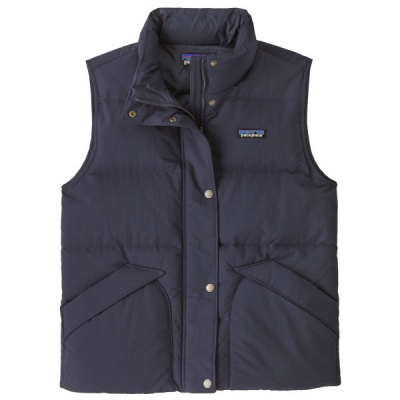
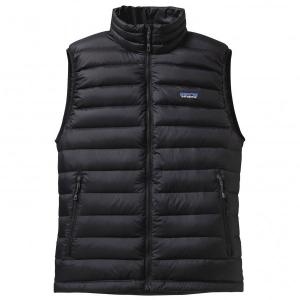
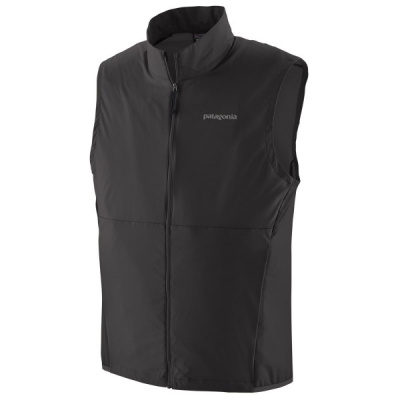
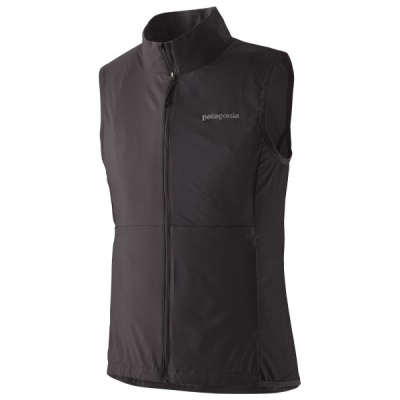
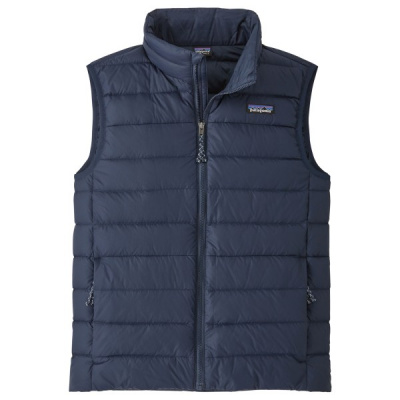
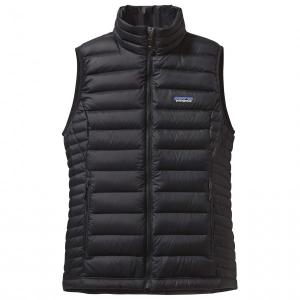
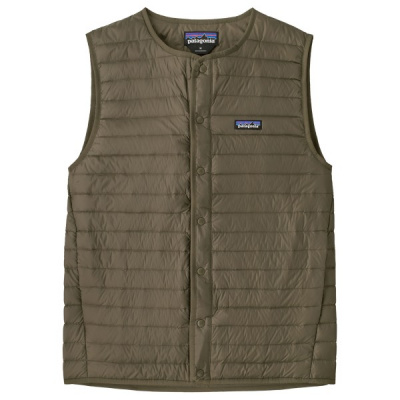
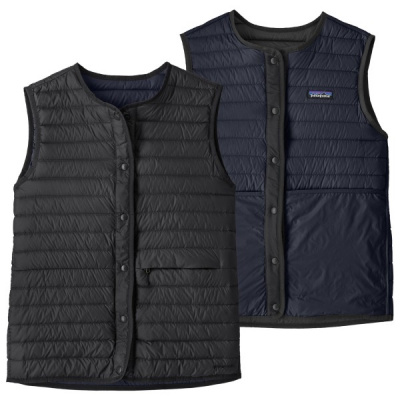
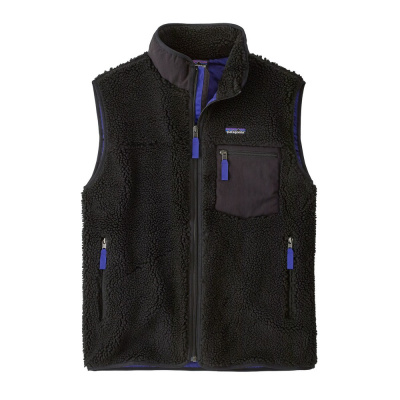
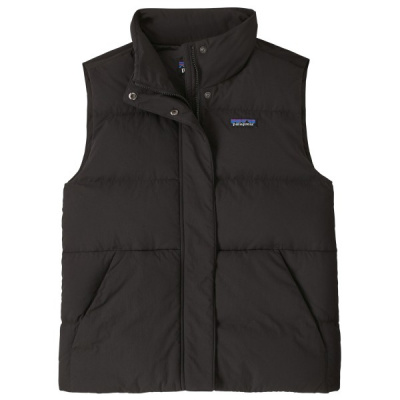
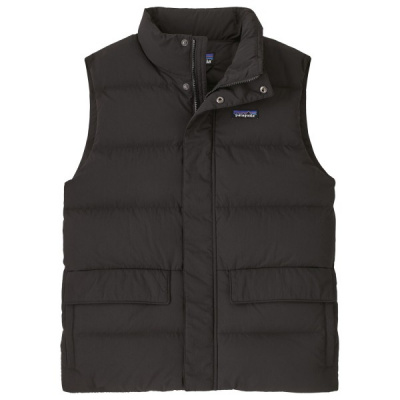
Prices and availability can change quickly. Delivery charges are not always included in listed prices.
Final price, stock status and delivery terms are set by retailer. We may receive a commission on purchases made.
Fabric Tech & Weather Performance
Patagonia's Houdini featherweight ripstop fabric is the core of what makes these gilets work on a bike. Ripstop construction keeps weight low while resisting the kind of micro-tears that come from pack straps, brambles, or a brief argument with a dry-stone wall. The weave is tight enough to block the biting chest wind you get hammering down a long descent but doesn't trap heat the moment your heart rate climbs on the next drag. That balance matters more than raw warmth numbers in UK riding, where you can go from cold and clammy to overheating inside two kilometres.
The PFC-free DWR finish handles the drizzle that characterises so much riding from the Pennines to the South Downs. It beads surface moisture rather than letting the fabric absorb it, so you don't end up carrying a wet, heavy vest on your shoulders. It's worth being honest here: a DWR coating isn't waterproofing. Sustained rain will eventually wet it out, and that's when you want a Patagonia jacket in the mix instead. For anything short of a proper downpour, the gilet handles things cleanly. The NetPlus recycled nylon shell doesn't just keep the ethical scorecard tidy - recycled nylon tends to be inherently robust, which matters when you're cramming the gilet into a jersey pocket twenty times a season.
Back ventilation is something Patagonia gets right. The chest does the work of blocking wind while the back panel moves heat away during hard efforts. On a Scottish climb where the air is wet and humid, that's not a small thing. Brands like 7mesh take a more engineered approach to zoned ventilation, and if you're spending most of your time on steep, sweaty trail centres, it's worth comparing. But for mixed riding with variable conditions, Patagonia's approach is practical and reliable.
Understanding the Patagonia Fit & Range
Patagonia gilets sit noticeably differently to the race-cut vests from Euro road brands. The fit is roomier through the torso, which makes them genuinely versatile across gravel, MTB, and commuting rather than being optimised solely for the drops position. If you're running a Patagonia MTB gilet over a mid-layer on a cold trail ride, you'll appreciate the extra breathing room. On a road bike in full tuck, it's a different conversation - though most UK riders aren't racing crits in their gilets anyway.
The drop-tail hem is a feature worth flagging. It provides rear coverage in the riding position without bunching up awkwardly when you're walking to the café. Armhole design is cut to avoid the rubbing that kills longer rides - there's enough clearance that you won't feel the seam grinding against your jersey sleeve on a four-hour loop. If you're between sizes, Patagonia's general advice is to size down for a closer, less flappy fit on the bike. Wind getting under a loose gilet at 30mph is irritating at best, and genuinely cold at worst - snug is better than billowing.
The Patagonia Houdini vest is the one most riders gravitate towards, and for good reason: it's among the lightest packable options in the category, compresses to barely a fist-size, and covers the core warmth brief without any fuss. For those wanting slightly more structure or a bit more coverage in colder conditions, it's worth browsing the fuller range. Endura and Albion offer cycling-specific cuts with features like rear pockets and reflective detailing if those matter more to your setup than sustainability credentials or packability.
Layering & Care for UK Riding
A gilet works hardest when the rest of your kit is dialled in around it. Over a Patagonia base layer and under a long-sleeve Patagonia jersey, you've got a genuinely flexible system for the kind of days where the temperature swings eight degrees between valley and summit. The gilet goes on for the descent, off and into the pocket for the climb. Simple. Keep it rolled rather than folded when you stuff it away - it packs tighter and doesn't crease into awkward ridges that flap on the next re-wearing.
A packable cycling gilet only stays useful if the DWR coating stays active, and that means washing it correctly. Use a technical gear wash on a gentle cycle - regular detergents and especially fabric softeners block the microscopic pores in the DWR treatment and kill its effectiveness. Once washed, tumble dry on a low heat setting for around twenty minutes. The heat reactivates the DWR chemistry and brings back the beading performance. Do this once or twice a season and the coating will last well. If it starts to wet out despite a fresh wash cycle, a dedicated DWR re-proofer spray applied after washing will bring it back. It takes five minutes and extends the gilet's useful life considerably.
One practical point: if you're using the gilet as a Patagonia windproof cycling vest on longer winter commutes rather than trail riding, think about visibility. Patagonia's colourways tend toward muted outdoors tones rather than high-vis cycling hues, so pairing it with a brighter base layer or running lights on longer dark rides is worth factoring in.
Patagonia Gilets FAQs
Are Patagonia gilets good for cycling?
Yes, particularly for gravel, MTB, and commuting. The Houdini ripstop fabric is genuinely lightweight and windproof, and the packability makes these a sensible emergency layer for unpredictable UK conditions. The fit is slightly more relaxed than dedicated road cycling vests, which suits off-road and mixed-use riding well.
How should a Patagonia cycling gilet fit?
Close enough to stop wind getting underneath, but with room to layer comfortably over a jersey or long-sleeve base layer. If you're between sizes, size down for on-bike use. Patagonia's fit is more relaxed than aero road-specific brands, so it won't feel restrictive, but avoid going too large or you'll feel it on fast descents.
How do you wash and reproof a Patagonia DWR gilet?
Wash on a gentle cycle using a technical gear wash - no fabric softeners, which clog the DWR treatment. After washing, tumble dry on low heat for around twenty minutes to reactivate the water-repellent finish. If the coating still wets out after that, a spray-on DWR re-proofer applied to the damp fabric will restore performance.