
Patagonia Jackets
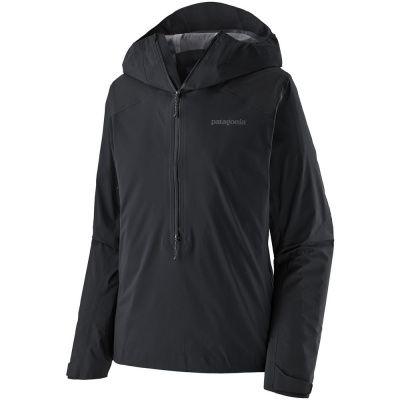
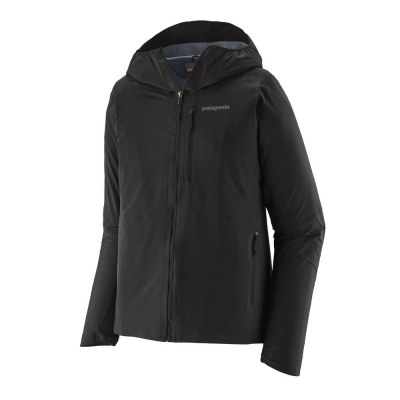
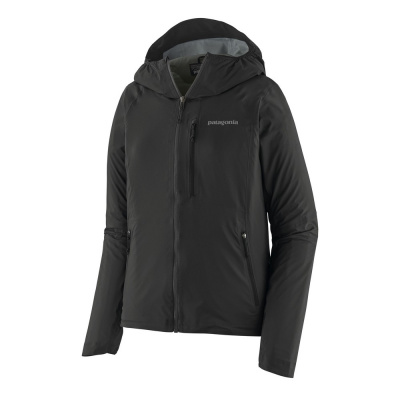
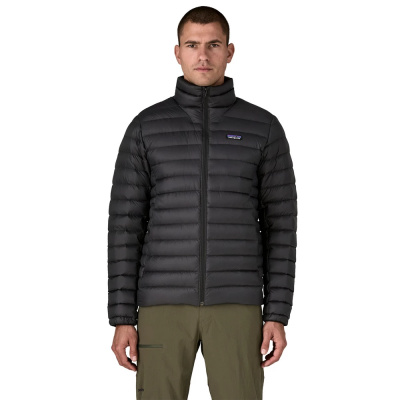
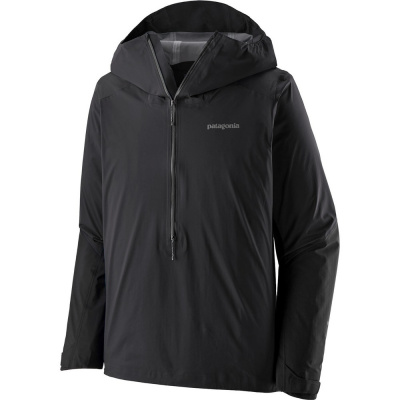
Patagonia cycling jackets sit in a small corner of the market where genuine weather protection, bike-specific design, and environmental credibility actually meet - rather than just being promised on a hang tag. The range covers everything from full H2No® Performance Standard waterproof shells built for the kind of relentless Welsh winter rain that laughs at lesser fabrics, through to featherweight windbreakers you'd barely notice stuffed in a jersey pocket on a breezy Peak District gravel loop.
What makes these jackets relevant to UK riders specifically is the combination of articulated, drop-tail cuts that stay put when you're stretched over the bars, helmet-compatible hoods that don't require you to remove your lid just to get the jacket on, and breathability that doesn't leave you soaked from the inside out on long climbs. Every jacket in the line uses PFC-free DWR coatings and recycled materials - including NetPlus® recycled marine plastics - and is Fair Trade Certified™ sewn, so the ethics hold up as well as the fabric does. If you want a jacket that does a serious job in serious conditions without the environmental compromise, Patagonia's cycling outerwear is worth a proper look.
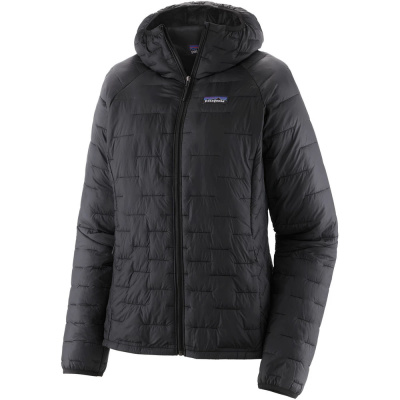
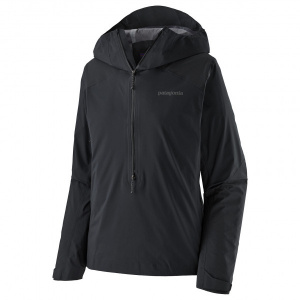
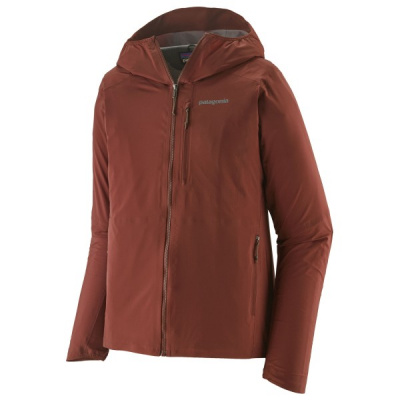
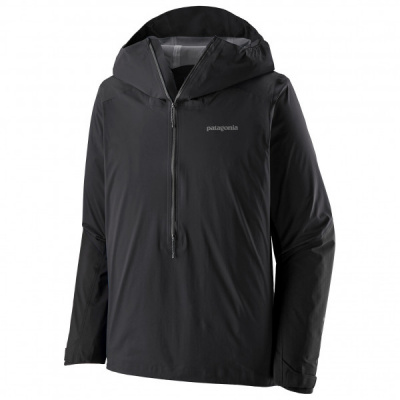
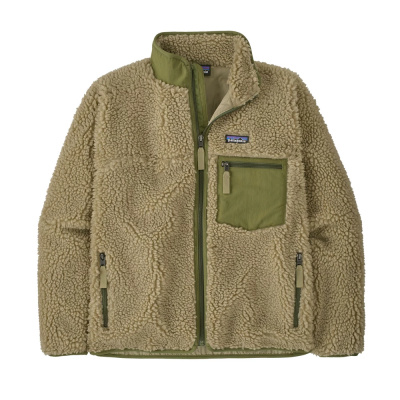
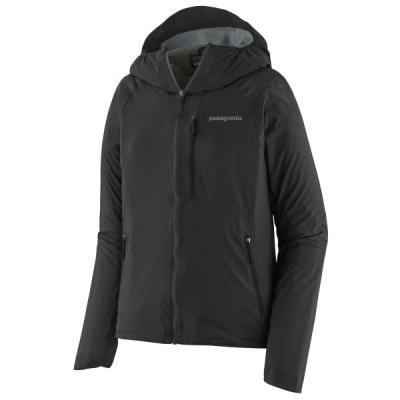
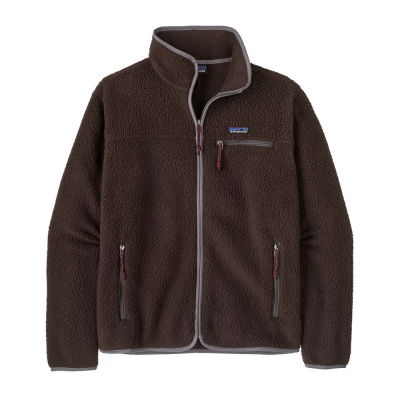
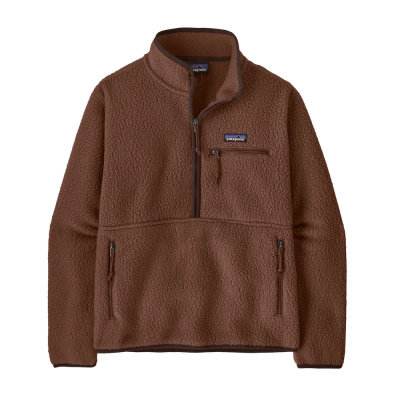
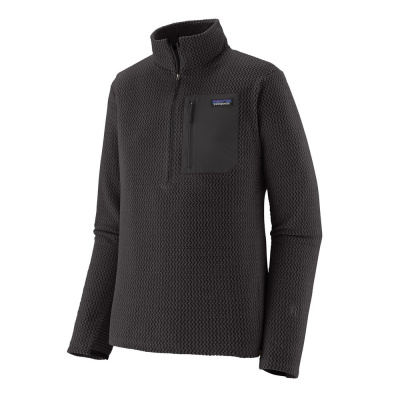
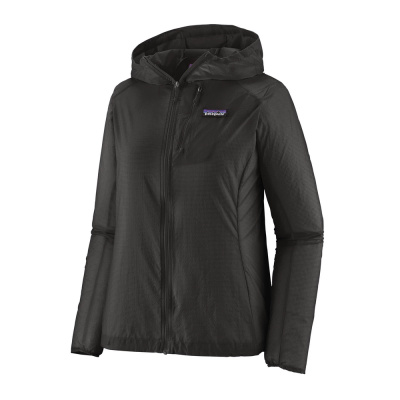
Prices and availability can change quickly. Delivery charges are not always included in listed prices.
Final price, stock status and delivery terms are set by retailer. We may receive a commission on purchases made.
Fabric Tech and Weather Performance
The H2No® Performance Standard is Patagonia's own waterproofing benchmark, and it's not marketing shorthand. It means the fabric has been tested against sustained rain, pressure, and abrasion - conditions that go well beyond the standard shower-proof finishes you'll find on cheaper shells. For UK riding, where a dry morning can turn into a full soaking by the time you've crested the first climb, that level of rigour matters. The outer fabric sheds water before it can saturate, while the construction keeps seams and zips sealed against the kind of sideways rain you get on exposed moorland or Scottish gravel passes.
The PFC-free DWR coating works in the same direction. Older DWR treatments used perfluorinated chemicals that were effective but environmentally persistent - Patagonia moved away from those across the range. The current finish still beads water and sheds mud off the outer face effectively, though like any DWR it needs occasional reactivation after heavy use (more on that below). The trade-off is that the coating may degrade slightly faster than legacy PFC-based treatments under sustained abrasion, so if you're regularly pushing through gorse or rocky chutes, check the fabric face periodically.
Breathability is where Patagonia's cycling-specific jackets pull ahead of many outdoor crossover options. The Dirt Roamer line, aimed squarely at trail and enduro riding, uses a stretch-woven fabric that vents mechanically - meaning the fabric moves and opens slightly as you do, rather than relying solely on a membrane to push moisture out. On a steep, humid climb in the Quantocks or a long fire-road drag in the Brecon Beacons, that distinction matters. You're less likely to arrive at the top feeling like you've been steamed. Full waterproof shells in the range add pit zips or chest vents on some models for the same reason: a jacket that keeps rain out but traps all your heat is only solving half the problem.
Understanding the Patagonia Fit and Range
The Patagonia MTB jackets range splits broadly into two purposes, and it's worth knowing which one you're buying before you commit. The Dirt Roamer jacket is the trail-focused option - a stretchy, breathable shell designed for high-output riding where you're generating a lot of heat and moving constantly. It fits with a dropped rear hem for spray coverage when you're seated, articulated sleeves that follow the reach position without bunching at the elbow, and a helmet-compatible hood that actually works with a full-face or trail helmet rather than just a beanie. The fit is generous enough for a mid-layer underneath without being baggy enough to catch air on descents.
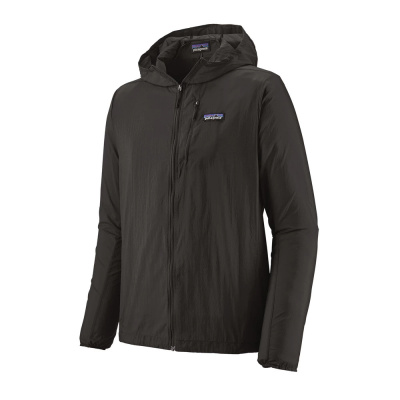
The Houdini line sits at the opposite end - an ultralight, packable windproof shell that compresses into its own chest pocket and weighs almost nothing. Think of it as an emergency layer for ridgeline gravel rides where the wind picks up without warning, or a packable gravel cycling jacket for shoulder-season days when the temperature swings wildly between valley and summit. It's not a full waterproof, but it cuts wind effectively and the DWR finish handles light showers. If you're comparing options, 7mesh jackets and Albion jackets offer similar packable shells with strong breathability credentials - worth a look if you want to compare fits and fabrics side by side.
Across the range, sizing runs true to international standards but the articulated fit means the jackets sit slightly forward in the shoulders - that's intentional, designed around a riding posture rather than standing straight. If you're between sizes, go up if you plan to layer underneath; the Houdini in particular fits slim and is better sized up for anything more than a base layer. Looking for core warmth without the sleeves? Check out our dedicated range of Patagonia Gilets for highly packable mid-layer options.
Layering and Care for UK Riding
Getting the most from a Patagonia waterproof cycling jacket in UK conditions is partly about what you pair it with. For autumn singletrack - the kind of damp, cool riding you get from October through to March across most of the country - a merino base layer from the Patagonia base layer range underneath a Dirt Roamer gives you a system that manages moisture actively at the skin and blocks wind and rain at the outer. Merino doesn't cling when wet the way synthetics can, so if you're working hard and sweating, it stays more comfortable against the skin. Add a pair of Patagonia overtrousers on genuinely grim days and you've got a coherent system rather than a collection of random kit.
Care matters more than most riders think, especially with DWR-coated jackets. After muddy winter rides, machine wash on a warm, gentle cycle - around 30°C - using a specialist technical wash like Nikwax Tech Wash rather than a standard bio-detergent. Bio detergents strip the DWR finish faster and can affect the membrane's breathability over time. Once clean, tumble dry on low heat. That heat is what reactivates the DWR coating, causing it to bead water effectively again - skipping the tumble dry and leaving the jacket to air dry flat means the DWR sits flat and performs less well until it's heated. It's a small step, but it extends the life of the finish noticeably across a full winter of use.
If you're building out a complete kit setup, the Patagonia MTB baggy shorts and Patagonia rucksacks are designed with the same material ethics and trail-specific thinking, so they play well with the jacket range both practically and in terms of consistent sizing. Endura jackets are worth comparing if budget is a key factor - they offer strong waterproofing at a range of price points, though the environmental credentials and Fair Trade construction don't match Patagonia's standard.
Patagonia Jackets FAQs
Are Patagonia jackets good for cycling?
Yes, genuinely. Patagonia produces dedicated MTB and gravel cycling jackets - the Dirt Roamer series in particular - with bike-specific features including dropped rear hems, articulated sleeves, helmet-compatible hoods, and breathable fabrics built for high-output riding. These aren't repurposed hiking shells with a cycling label on them.
How do Patagonia MTB jackets fit?
The fit is articulated and riding-position forward, which means the shoulders sit slightly ahead of a standard outdoor jacket cut. Full waterproof models leave room for a base layer underneath; the Houdini wind shell runs slimmer and is better sized up if you're planning to layer. Both fit true to size otherwise.
How do I wash my Patagonia waterproof jacket?
Machine wash on a warm, gentle cycle using a specialist technical wash - not bio-detergent, which degrades the DWR finish. Once clean, tumble dry on low heat. That's not optional: the heat reactivates the DWR coating so it beads water properly again. Skip it and the jacket will feel less waterproof until it's heated.