
Mons Royale Base Layers
Mons Royale base layers start from a simple idea: the layer closest to your skin does more work than any other piece of kit, so it deserves serious thought. Built around ethically sourced ZQ Certified Merino wool, these base layers manage your microclimate rather than just sitting there. Merino pulls moisture away from your skin, breathes during hard efforts, and keeps you warm even when it's damp - which, let's be honest, describes most rides in this country. That last point matters. Synthetic base layers can leave you clammy on a cold descent after a sweaty climb; merino stays functional when wet, not just when conditions are kind.
The clever bit is Corespun technology - merino fibre wrapped around a nylon core - which gives you the natural breathability and anti-odor properties of wool alongside the stretch and shape-retention you'd expect from a performance synthetic. The result is a base layer that works on a fast road ride, a grinding gravel loop, or a multi-day bikepacking trip where you'd rather not carry a spare. Flatlock seams sit flat against the skin and won't dig in under bib straps, and the cycling-specific cut keeps everything in place when you're bent over the bars. For unpredictable UK riding, this is a considered first layer.
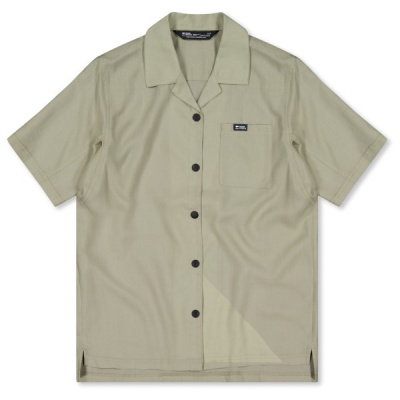
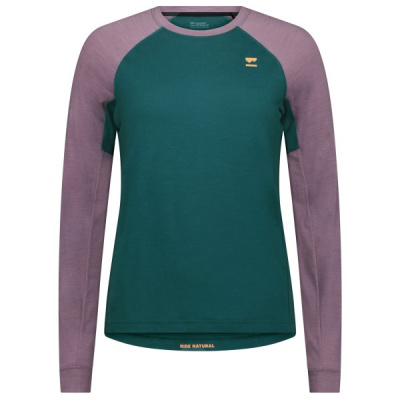
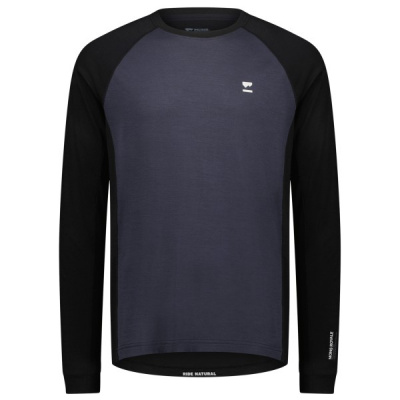
Prices and availability can change quickly. Delivery charges are not always included in listed prices.
Final price, stock status and delivery terms are set by retailer. We may receive a commission on purchases made.
Fabric Tech and Weather Performance: The Merino Advantage
The core argument for a Mons Royale merino base layer over a cheaper synthetic comes down to how the fabric behaves across changing conditions. Merino wool traps tiny pockets of dead air against your skin, which acts as insulation when the temperature drops. Pedal harder and the structure opens up, venting heat rather than cooking you. It's a passive system - no membrane, no treatment - and it works across a wider temperature window than most riders expect.
ZQ Merino specifically is sourced from farms meeting strict animal welfare and environmental standards, so there's provenance behind the fibre, not just a marketing claim. The Corespun construction wraps that merino around a nylon core, solving the traditional durability problem with pure wool - the nylon gives the yarn tensile strength, so the fabric resists pilling and holds its shape wash after wash. You get the thermoregulation of merino without the fragility.
Where this really tells on UK rides is humidity. Grinding up something like the Horseshoe Pass in August, or navigating a damp Scottish descent in April, you're not dealing with dry cold - you're dealing with sweat, mist, and the kind of chill that creeps in on the way back down. Merino stays warm even when wet, which synthetic fabrics simply don't. The natural anti-odor and antimicrobial properties are a practical bonus too: the fibre structure inhibits bacterial growth, so a base layer worn on a long bikepacking day doesn't announce itself to the group at the hostel. That's not a small thing when you're three days into a route with limited washing options.
Understanding the Mons Royale Fit and Range
Fit is where a lot of base layers fall short for cycling specifically. A loose-fitting base layer bunches under a jersey, sits away from the skin, and stops wicking properly - you might as well wear a cotton t-shirt. Mons Royale's cycling cuts are designed to sit flush against the body, with enough elastane in the blend to move with you rather than restrict you. The stretch is noticeable; these don't feel rigid or compressive, just close-fitting in the way a base layer needs to be to do its job.
The range splits broadly between lighter-weight options for summer and shoulder-season use, and heavier GSM long-sleeve versions for winter riding. For a cycling base layer winter vs summer comparison: the lighter pieces (typically sleeveless or short-sleeve) prioritise breathability and moisture transfer on warmer days; the Mons Royale long sleeve base layer options use a denser weave to add meaningful insulation when the temperature drops into single figures. Neither version is a compromise - they're genuinely different tools for different conditions.
Two details worth noting if you're comparing options: drop-tail hems account for the forward lean of the riding position, keeping the base layer tucked in when you're stretched out over the bars. And the flatlock seams matter more than they sound - seams that sit on top of the fabric rather than folding it create a ridge that becomes a pressure point under tight bib straps over a long ride. Mons Royale's flatlock construction keeps those contact points smooth. If you've ever finished a four-hour ride with a red stripe across your lower back, you'll know why this is worth mentioning. Compared to brands like Castelli base layers or Rapha base layers, Mons Royale leans more heavily into the merino-forward approach rather than merino-synthetic blends weighted toward synthetics - worth knowing if natural fibre performance is your priority.
Layering, Pairing, and Keeping Them in Good Shape
A base layer is the start of a system, not a standalone fix. On a summer ride or a dry spring morning, a lightweight Mons Royale base layer under a regular jersey handles sweat management well - it shifts moisture to the outer layer where it can evaporate, rather than letting it sit against your skin. That's the practical reason you wear one in warmer weather, not just cold. Plenty of riders skip the base layer in July and wonder why they feel sticky twenty minutes in. Don't be that rider.
For winter riding, the merino wool cycling undershirt paired with a softshell or insulated jacket gives you a genuinely layered microclimate. The base layer handles moisture and core warmth; the outer layer handles wind and wet. You can pair the full system with Mons Royale jackets for a matched setup, or build across brands - the base layer works with whatever you're already running. If you want to extend the system further, Mons Royale jerseys are worth a look for the mid-layer role on milder days, and Mons Royale socks bring the same merino logic to your feet.
Care is where merino base layers get neglected. Wash on a cool, gentle cycle - 30°C maximum - with a wool-specific detergent. Skip fabric softener entirely; it coats the fibres and kills the moisture-wicking. Never tumble dry. Reshape while damp and lay flat, and the base layer will hold its fit and performance through far more washes than most riders expect. Treat it right and it outlasts cheaper synthetics by a considerable margin. If you're used to synthetics, this takes some habit-forming, but it's not complicated.
If Mons Royale's merino-led approach isn't quite the fit you're after, Ashmei base layers offer a similar premium merino angle, while Endura base layers lean toward synthetic performance at a different price point - both worth comparing depending on your priorities.
Mons Royale Base Layers FAQs
Are Mons Royale base layers good for cycling?
Yes. The cycling-specific cuts include drop-tail hems and flatlock seams that stay comfortable under bibs and in the riding position. ZQ Merino wool handles temperature regulation and moisture-wicking across a wide range of conditions, making them a solid choice for road, gravel, and bikepacking use.
How should a merino cycling base layer fit?
It should sit close to the skin without feeling restrictive. That next-to-skin contact is what allows the fabric to wick sweat away from your body - if it's baggy, it just bunches under your jersey and stops working properly. Mons Royale's elastane blend keeps the fit close without any compressive squeeze.
Can you wear merino base layers in the summer?
You can, and it's worth it. Lightweight merino options breathe well and actively move sweat away from your skin to evaporate at the jersey surface, which keeps you drier than going without. The anti-odor properties are a practical bonus on longer summer days.