
Ashmei Base Layers
Ashmei base layers are built around a simple premise: manage your core temperature properly and everything else on the bike gets easier. Using their proprietary MERINO+ fabric - superfine Merino wool fused with carbon fibre - they've solved the one complaint most riders have about traditional wool: it takes forever to dry. The carbon blend pulls that moisture away fast, so you're not sitting in a damp skin layer halfway up a Welsh climb wondering why you bothered.
The result is a base layer that genuinely earns its place year-round. In winter, the natural dead-air insulation of Merino keeps your core warm without bulk. Come summer, the same fibres wick sweat quickly enough to help evaporative cooling do its job. And because Merino is naturally antimicrobial, odour resistance isn't a marketing claim - it's just chemistry. Pack it for a two-day sportive and you'll understand.
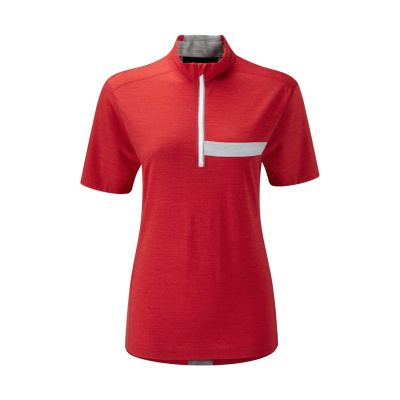
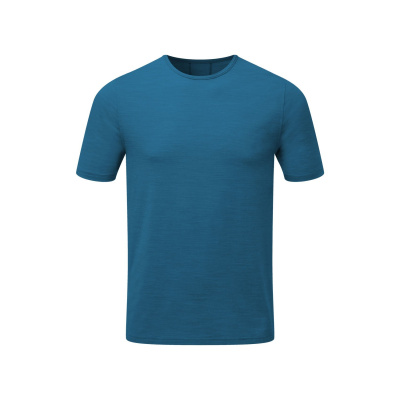
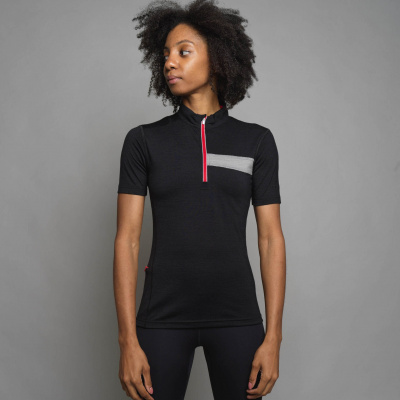
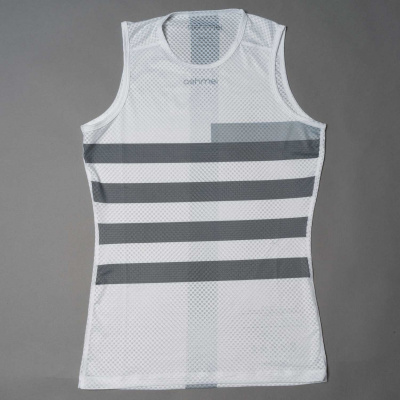
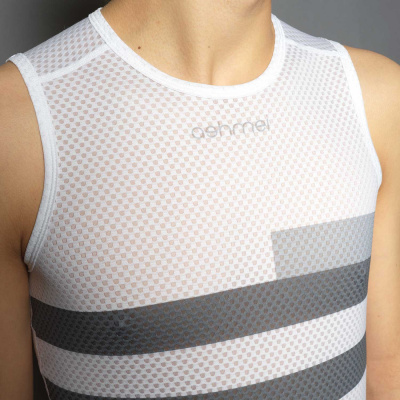
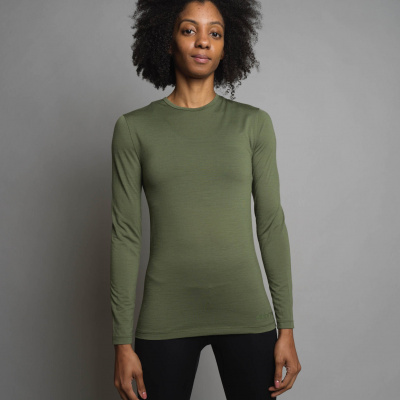
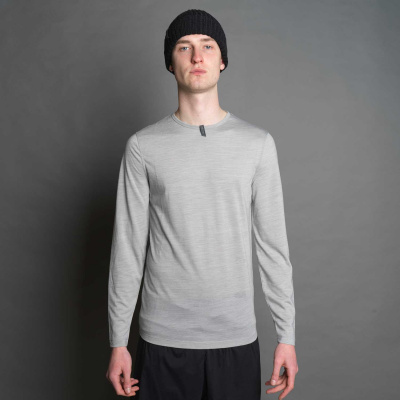
Ashmei makes sleeveless, short-sleeve, and long-sleeve options, each with a compressive next-to-skin fit and flatlock or seamless construction to keep chafing off the table. Whether you're doing lap after lap in the Surrey Hills or grinding out a grey November commute, there's a cut here that fits the brief.
Prices and availability can change quickly. Delivery charges are not always included in listed prices.
Final price, stock status and delivery terms are set by retailer. We may receive a commission on purchases made.
The MERINO+ Blend: What the Carbon Fibre Actually Does
Pure Merino wool is brilliant at thermoregulation but slow to dry - wet it out on a hard effort and it clings. Ashmei's MERINO+ fabric fixes that by weaving carbon fibre into the Merino structure. Carbon is hydrophobic, so it actively repels moisture and accelerates the wicking process, moving sweat away from your skin and towards the outer surface where it can evaporate. The drying rate is noticeably faster than a standard wool layer. That matters on a long damp descent in the Peak District where a cold, wet base layer turns a good ride into a miserable one.
The thermoregulation side still works the way Merino always has. The fine crimped fibres trap small pockets of air close to your skin, which acts as insulation when you're rolling slowly or stopped at a café. Push hard and the moisture-wicking kicks in, pulling sweat out before your body temperature climbs too far. It's a genuinely responsive system rather than a fixed warmth rating - which is why an ashmei base layer can work on a cool April morning that turns warm by noon.
The natural antimicrobial properties of Merino wool mean odour-causing bacteria struggle to take hold in the fibres. Three hours into a hard sportive, that's the difference between a base layer you'd wear again tomorrow and one heading straight into the wash. The carbon-blended Merino doesn't compromise those properties - it adds speed without sacrificing the fundamentals.
Fit, Cut, and Choosing Your Sleeve Length
Ashmei base layers are cut for a compressive, next-to-skin fit. Not tight in a restrictive way, but close enough that the fabric stays in contact with your skin throughout the full range of movement on the bike - reaching for the bars, standing on the pedals, tucking on a descent. That contact is what makes moisture transfer work. A baggy base layer that pools away from your skin on the move isn't doing its job.
The sleeveless option is the choice for high-output summer riding or for riders who run warm. It keeps your core managed without adding any warmth to your arms, which makes it useful under a lightweight Ashmei jersey when you want maximum breathability. Short-sleeve cuts suit the shoulder-season rides where you want a touch more coverage and a bit of compression on the upper arms without committing to a full thermal layer. Long-sleeve versions are the winter workhorse - pair one under an Ashmei jacket and you've got a core system that handles most of what a UK winter throws at you.
Flatlock seams and seamless tubular construction mean there are no raised ridges pressing against your skin under a jersey or bib. Over four hours in the saddle, that kind of detail stops being a nice-to-have. Female riders looking for additional foundational support alongside their base layer should check out the Ashmei sports bras range, which is built on the same material principles.
How does this compare to the competition? Rapha base layers lean towards a slightly more relaxed performance fit with a premium aesthetic, while Castelli base layers tend to prioritise aerodynamic compression. Ashmei sits firmly in the performance-Merino niche - closer to natural-fibre comfort than full synthetic compression, but faster-drying than most wool alternatives. If you're used to Craft base layers and their synthetic mesh approach, the MERINO+ will feel warmer and softer next to skin, with better odour resistance across longer stints between washes.
Building a UK Layering System and Looking After Your Kit
A short-sleeve ashmei merino base layer under a mid-weight jersey and an Ashmei gilet covers a huge range of British spring and autumn riding. The gilet goes in your back pocket once the sun's up; the base layer keeps your core regulated throughout. It's a genuinely versatile combination for those mornings where you leave in the dark at 7°C and get back in sunshine at 14°C.
For winter cycling base layer use, the long-sleeve version pairs well under a softshell or insulated jacket. Keep the fit snug so the sleeve doesn't bunch under your jacket cuff - that small wrinkle becomes a pressure point on a three-hour ride. If you're heading out in genuinely cold conditions, a long-sleeve MERINO+ base layer plus a thermal jersey plus a windproof outer is a tried and tested stack for UK winters without overloading on layers.
The short sleeve vs long sleeve base layer decision really comes down to temperature at effort. If you're riding hard and expect to generate a lot of heat, lean shorter. If you're doing a steady-paced winter endurance ride with periods of low intensity, the long sleeve earns its keep.
Care is straightforward but non-negotiable if you want the fibres to last. Wash at 30 degrees, use a non-biological detergent, skip the fabric softener entirely - it coats the Merino fibres and kills the wicking performance. Never tumble dry. Let it air dry flat or hanging and the elasticity will stay consistent wash after wash. Merino is tougher than its reputation suggests, but heat is its enemy.
Ashmei Base Layers FAQs
Are merino base layers good for cycling?
They're genuinely well-suited to it. Merino wool thermoregulates across a wide temperature range and resists odour naturally - handy on long rides or back-to-back days. Ashmei's carbon-blended Merino dries faster than standard wool, which is the key improvement for high-intensity efforts where a slow-drying layer would otherwise leave you cold on the descents.
How should an Ashmei cycling base layer fit?
Close to the skin with no slack - think compression without restriction. You should be able to breathe freely and move through the full range of motion on the bike without it pulling or bunching. That snug contact is what lets the fabric wick moisture away efficiently rather than sitting away from your skin on the move.
Do you wear a base layer under a cycling jersey in summer?
Worth doing, yes. A sleeveless or short-sleeve base layer wicks sweat away from your skin faster than a jersey alone, which helps evaporative cooling work properly on humid days. It also keeps you from that clammy feeling mid-ride. Ashmei's MERINO+ is light enough that the added layer doesn't register as extra warmth in warmer weather.