
Ashmei Jackets
ashmei cycling jackets sit at a genuinely different point on the spectrum - not the usual choice between a clammy waterproof and a softshell that gives up in a proper downpour. The brand builds around bespoke Merino wool and synthetic blends that actively manage heat and moisture rather than just sitting on your back hoping for the best. That distinction matters more than it sounds when you're grinding up a long climb in the Peaks with rain turning to drizzle and back again every twenty minutes.
The core idea is breathability that keeps pace with effort. Traditional membranes trap sweat on hard efforts; ashmei's microfibre and Merino constructions move moisture away fast enough that you're not finishing a ride in a damp, cold shell. DWR coatings handle road spray and light-to-moderate showers without the suffocating feel of a sealed fabric. Windproof panels sit where you need them - across the chest and shoulders - without wrapping the whole jacket in material that blocks airflow on the way back up.
The range covers everything from packable emergency shells to deep-winter softshells, and the fit runs tailored throughout. If you ride in the UK year-round and you're tired of compromising, this is where to start looking.
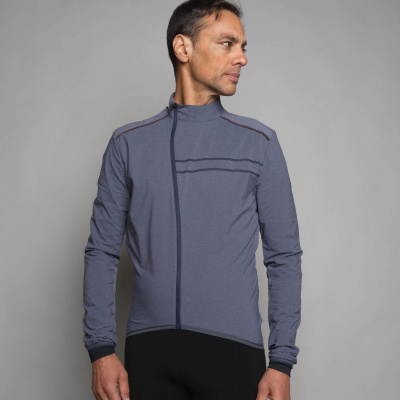
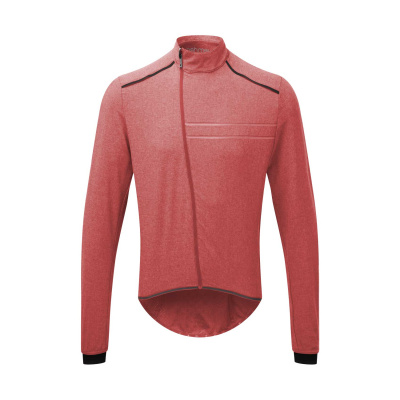
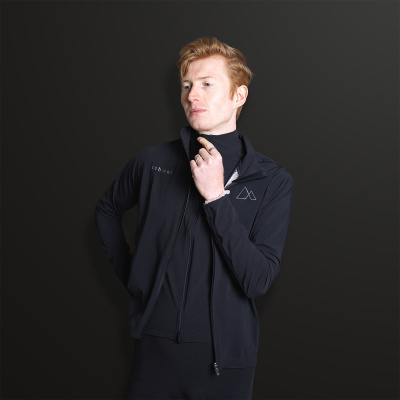
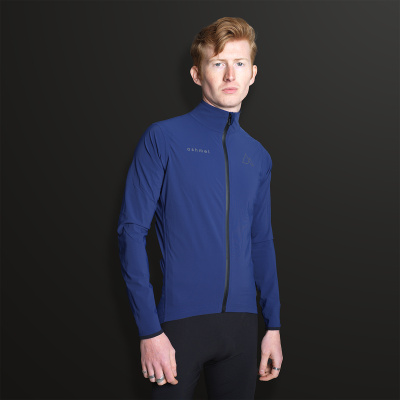
Prices and availability can change quickly. Delivery charges are not always included in listed prices.
Final price, stock status and delivery terms are set by retailer. We may receive a commission on purchases made.
How the Fabrics Actually Handle UK Weather
The headline material across the ashmei jacket range is a proprietary Merino wool blend - not pure Merino, but a carefully tuned mix with synthetic fibres that adds durability and stretch while keeping the natural temperature-regulating properties intact. Merino is genuinely good at buffering against rapid temperature swings, the kind you get dropping off a long moorland climb into a cold valley on a wet Tuesday in November. The synthetic component stops the fabric sagging or losing shape after repeated hard efforts.
Microfibre windproofing does the structural work on the outer face. It blocks the biting cross-winds you'd feel on an exposed ridge without the stiffness of a laminated shell. That matters for breathability - air can still move through during high-output climbing, so you're not cooking from the inside while staying dry on the outside. The 360-degree stretch construction across the range means the fabric moves with you rather than fighting against a sprinting position or a low-slung gravel tuck.
DWR (Durable Water Repellent) treatment on the outer surface deals with road spray and moderate showers by beading water off before it soaks in. It's worth knowing that DWR isn't a permanent finish - it degrades with washing and UV exposure, but it's straightforward to restore (more on that below). For genuinely sustained heavy rain, ashmei also offers fully sealed emergency shell options, but the softshell category covers the majority of UK riding days where high breathability matters more than absolute waterproofing. Compare that approach with something like Castelli jackets, which tend to lean further toward sealed waterproof construction at the cost of some breathability on long climbs.
The Range, the Fit, and Who Each Jacket Suits
ashmei builds jackets across a clear hierarchy. At the lightweight end, packable wind and rain shells are designed to live in a jersey pocket - pulled out when a shower rolls in, stuffed away when the sun reappears. These prioritise low bulk and fast drying over insulation. Step up the range and you reach the softshell jackets that are genuinely designed to be the single outer layer for three-season riding: substantial enough to handle cold mornings, breathable enough not to become unbearable once you're working hard.
At the deep-winter end, the heavier softshell and thermal jacket options incorporate more insulation and denser windproofing - these are the ones you reach for when the temperature drops below five degrees and the wind has an edge to it. They pair well with an ashmei base layer underneath for a layering system that doesn't bulk out awkwardly under the jacket.
The fit profile across the range is consistently tailored and close-to-body - this is cut for riders who spend time in an athletic position, not an upright hybrid geometry. The 360-degree stretch fabrics compensate for that snugness; there's room to move, to reach the bars comfortably, to dig into a steep pitch without the back riding up. If you normally size up in cycling jackets to get coverage over a jersey, check ashmei's fit guides carefully - the stretch means you often don't need to. Broad-shouldered riders may want to try both their usual size and one up.
Worth noting: if what you actually need is core-only protection for warmer days or as a packable mid-ride layer, the jacket range isn't where to look. ashmei gilets cover that ground with the same fabric quality in a highly packable format - worth exploring separately. Brands like 7mesh take a comparable premium-technical approach to jacket construction if you're comparing options across the market.
Layering It Right and Keeping the Jacket Performing
A practical note before a ride: the jacket does most of its work when you've got the layering right underneath. On a cold, wet morning in the three-to-eight degree range, an ashmei merino base layer next to the skin handles the first line of moisture management while the jacket handles wind and rain. Add a thermal ashmei jersey between the two when temperatures drop further, and you've got a system that regulates across a wide effort range without the jacket doing everything alone. Pairing this with ashmei bib tights completes the system for full winter days.
Washing ashmei jackets needs a bit of care, specifically because Merino and DWR both react badly to standard detergent habits. Cool wash only - thirty degrees or under on a gentle cycle. No fabric softener, ever. Softener coats the Merino fibres and destroys their moisture-wicking ability; it also clogs the DWR treatment and stops it beading water effectively. Use a technical sports wash or a mild, softener-free detergent instead.
When water stops beading off the surface and starts soaking into the outer fabric (called wetting out), the DWR needs reactivating. Tumble drying on a low heat setting after washing often restores it - the gentle heat re-bonds the DWR molecules. If that doesn't fully bring it back, a spray-on DWR reproofer applied to a clean, damp jacket and then dried in works well. Don't iron directly onto the outer face, and store the jacket loosely rather than compressed long-term to keep the fibres from packing out.
Ashmei Jackets FAQs
Are ashmei cycling jackets fully waterproof?
It depends on the model. ashmei makes fully sealed emergency shells for sustained rain, but most of the range sits in the highly water-resistant softshell category. These use DWR coatings to handle showers and road spray effectively while keeping breathability high enough for hard efforts - a trade-off that suits the majority of UK riding days well.
How should an ashmei winter cycling jacket fit?
ashmei jackets run tailored and close-to-body throughout the range. The 360-degree stretch fabrics prevent that from feeling restrictive - there's enough movement for a low riding position and room for a base layer and jersey underneath. If you're between sizes or broad-shouldered, trying both your standard size and one up is sensible before committing.
How do I wash and reproof my ashmei cycling jacket?
Cool, gentle cycle at thirty degrees or under, no fabric softener - it wrecks both Merino fibres and DWR performance. Use a technical sports wash or mild detergent. To restore DWR when water stops beading, tumble dry on low heat after washing or apply a spray reproofer to a clean, damp jacket and dry thoroughly.