
7mesh Jackets
7mesh Jackets are what happens when a brand from Squamish, BC - where it rains sideways and the trails never dry - applies obsessive engineering to the cycling kit problem. Fabric choices are Gore-Tex or proprietary WTV (Wind Thermal Ventilation). Patterning is done in the riding position, not on a mannequin. The result is a jacket that sits flush across your back on a steep climb without riding up at the front, and doesn't trap sweat like a sauna bag when you're pushing hard up a long drag.
The range covers a clear spectrum. Need something that stuffs into a jersey pocket before a Peak District sportive? The packable shell end of the range has you sorted. Planning a full winter campaign on the Scottish trails or grinding out wet road miles through January? There are Gore-Tex Active options built for hours in the saddle, not just a dash to the car. Articulated fit, taped seams, watertight zippers - none of it is accidental. For UK riders who know the forecast is unreliable at best, 7mesh builds jackets around that reality rather than hoping for dry days.
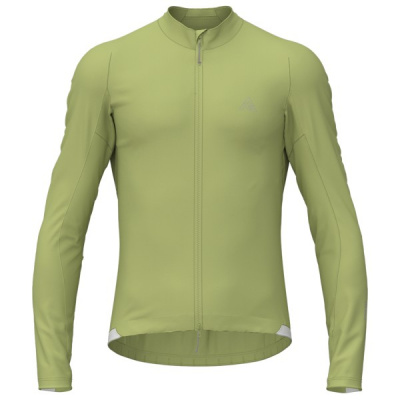
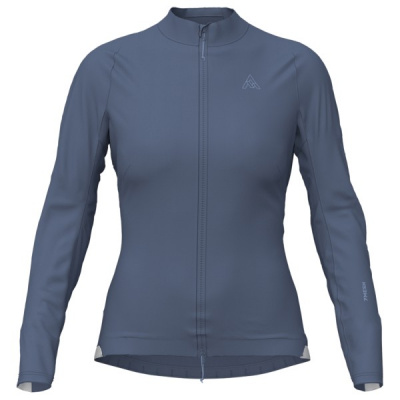
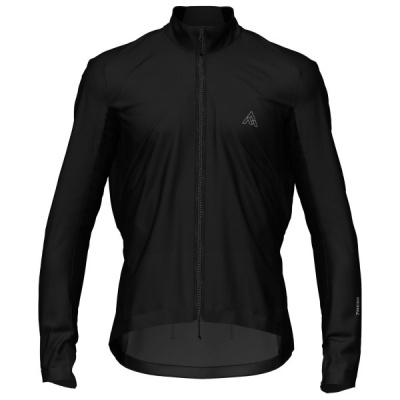
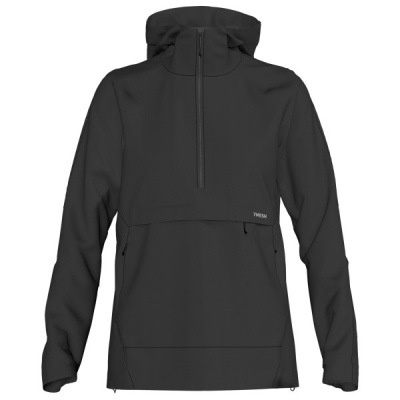
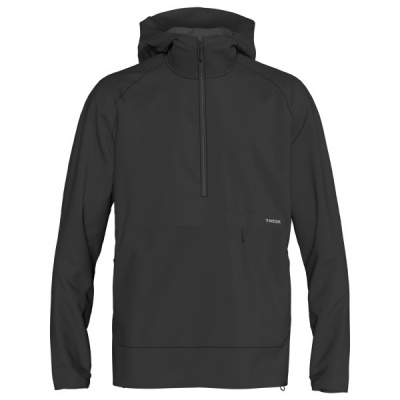
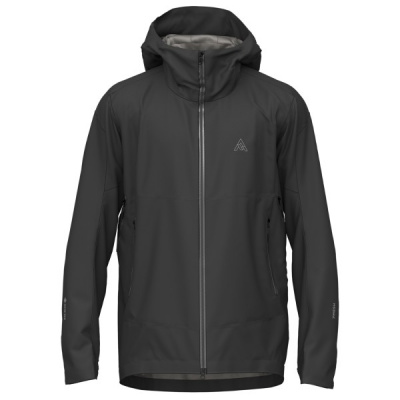
Prices and availability can change quickly. Delivery charges are not always included in listed prices.
Final price, stock status and delivery terms are set by retailer. We may receive a commission on purchases made.
Fabric Tech and Weather Performance: Gore-Tex and WTV
7mesh uses three distinct fabric platforms across their jacket range, and picking the right one matters more than most riders realise. Gore-Tex Paclite Plus is the most packable of the three - a genuinely featherlight membrane with a knit backer that packs tight and weighs almost nothing. It's proper waterproofing, not shower-resistant flattery, but it's designed for intermittent use rather than grinding out four-hour efforts in continuous rain. Think of it as your insurance policy: stashed in a pocket until the sky turns.
Gore-Tex Active is a step up in breathability - one of the most breathable waterproof membranes available, full stop. On a steep, high-intensity climb in persistent Welsh drizzle, the difference between Active and a standard Gore-Tex shell is the difference between arriving at the top damp from rain and arriving soaked in your own sweat. The DWR coating on the face fabric beads water off the outer layer, keeping the membrane from saturating and losing its breathability. That DWR does wear over time, which is worth knowing before your first wash.
WTV - Wind Thermal Ventilation - is 7mesh's own fabric, and it solves a different problem. It's not a fully waterproof membrane. Instead, it manages dynamic temperature swings: blocking wind on an exposed descent, venting actively when your output climbs, and adding just enough insulation for those sharp autumn mornings when you're not sure whether to reach for a jacket or a gilet. If your ride involves a lot of effort variation - cross-country MTB, mixed gravel loops, punchy road rides in unpredictable British weather - WTV is often the more versatile call than a full waterproof shell. A 7mesh jersey underneath gives you a clean layering platform whatever fabric you choose.
Understanding the 7mesh Fit and Range
Put a 7mesh jacket on a hanger and it looks a bit odd - short at the front, noticeably longer at the back, with sleeves that angle forward. On a bike, it disappears. That's the point. Every panel is drafted in the riding position, so there's no bunching at the waist when you're tucked over the bars and no cold gap at the lower back when you're stretched out on a descent. It's called articulated patterning, and once you've worn a jacket cut this way, going back to something designed for standing upright feels like wearing a bin bag.
Fit profiles split across the range. Trim Fit jackets - found on road and gravel-focused models - run close to the body and minimise drag. They're not restrictive, but they're not built for a backpack or armour either. Relaxed Fit options are cut for MTB use: room across the shoulders for a pack, clearance around the elbows, and enough freedom of movement that you're not fighting the jacket mid-technical section. Both fits use the same articulated patterning logic; the difference is in how much room is left around the key movement points.
At the packable, ultralight end sits the Copilot - Gore-Tex Paclite Plus, stash-system packability, fits into its own pocket for jersey storage. The Skypilot uses Gore-Tex Active, runs softer against the skin, and is built for continuous wet-weather riding rather than emergency use. The Freeflow sits in the WTV category, handling the dynamic conditions that don't demand full waterproofing. Compared to something like an Endura jacket at a similar price point, 7mesh leans harder into fit precision and fabric performance over feature count - fewer pockets, less fuss, more attention on what the jacket actually does in motion. If you want core protection without sleeves, check out our dedicated range of 7mesh gilets for highly packable wind and rain defence. Brands like Castelli and Albion offer comparable fit-forward approaches if you want to compare across ranges.
Layering and Care for UK Riding
A WTV jacket over a lightweight base layer is a genuinely useful combination for crisp autumn mornings - the kind of ride where you start cold, warm up fast, and don't want to stop to stuff a jacket in your pocket mid-loop. The WTV breathes actively enough that you won't overheat at pace, and it blocks enough wind on the open sections that you don't start shivering when you ease up. Pair it with 7mesh bib tights and you've got a system that handles most of the British autumn without overthinking it.
For deeper winter - February road miles, muddy trail centres in December - a Gore-Tex Active shell over a thermal jersey is a more considered setup. The shell handles the rain and wind; the thermal jersey manages warmth. Avoid heavy insulated layers directly under a tight-fitting Gore-Tex jacket, because you'll compromise both the jacket's fit and your ability to move freely. If the temperatures are genuinely low, 7mesh trousers handle the leg side of the equation on MTB and gravel days.
Washing Gore-Tex correctly is one of those things that actually matters. Machine wash warm at 40°C using a liquid technical cleaner - nothing biological, no fabric softener, ever. Softener clogs the DWR treatment and kills breathability faster than any amount of trail mud. Tumble dry on low heat for around 20 minutes after washing: the heat reactivates the DWR coating on the face fabric and gets the beading effect working properly again. Most riders wash Gore-Tex too infrequently and then wonder why their jacket feels clammy. Regular washing, done right, keeps the fabric performing as designed.
7mesh Jackets FAQs
Are 7mesh jackets true to size?
Generally, yes. 7mesh jackets run true to size, but the articulated cut means they'll feel short at the front and long at the back when you're standing up. That's intentional - in the riding position, everything lines up correctly. If you're between sizes and ride in a very aggressive position, sizing up gives a bit more coverage without affecting the fit on the bike.
What is the difference between the 7mesh Copilot and Skypilot jackets?
The Copilot uses Gore-Tex Paclite Plus and packs into its own pocket - it's an emergency shell for unpredictable days, light enough to sit in a jersey pocket without noticing it's there. The Skypilot uses Gore-Tex Active, which is significantly more breathable and softer against the skin, making it the better choice for sustained efforts in persistent rain rather than short sharp showers.
How should I wash my 7mesh Gore-Tex jacket?
Machine wash at 40°C with a liquid technical cleaner - no biological powder, no fabric softener. Both will degrade the DWR coating and reduce breathability over time. After washing, tumble dry on low heat for around 20 minutes. That gentle heat reactivates the DWR treatment and restores the water-beading performance on the face fabric. Wash it more often than you think you need to.