
Mons Royale Jerseys
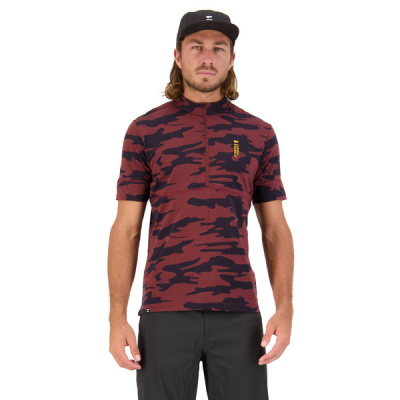
Mons Royale jerseys are built around one core idea: ZQ-certified Merino wool that works harder than your average synthetic. For MTB, enduro, and gravel riding, that means natural temperature regulation, genuine anti-odor performance, and a fabric that doesn't turn your back into a sauna on a steep climb or leave you shivering the moment you stop pedalling.
The range leans into blended constructions - Merino paired with recycled polyester and nylon - so you get wool's climate-managing qualities alongside the durability to handle repeated mud-caked washes and the odd bramble snag on a narrow Peak District bridleway. It's a practical compromise that keeps these jerseys relevant across the full UK riding calendar, not just the two decent weekends in June.
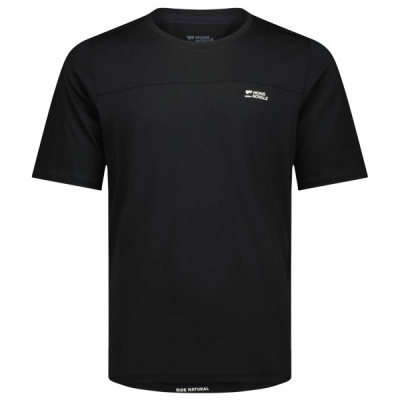
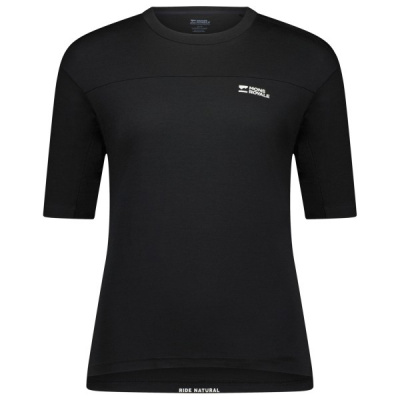
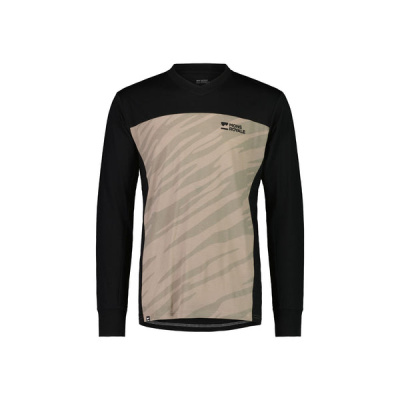
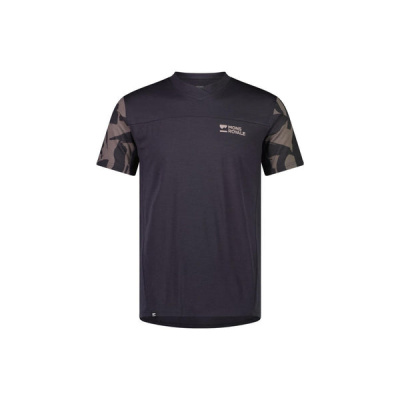
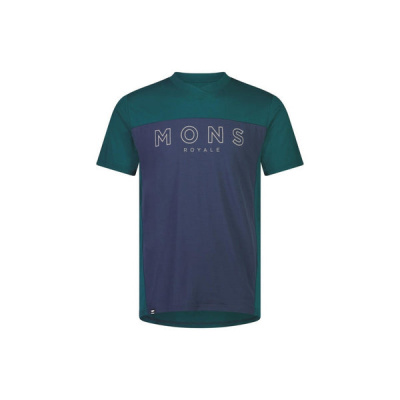
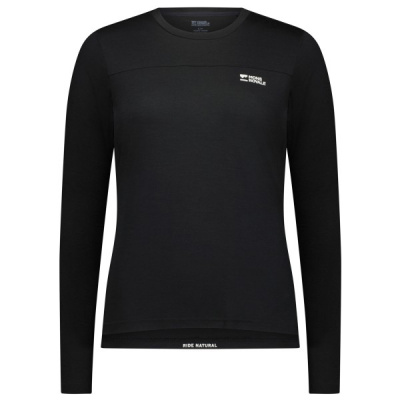
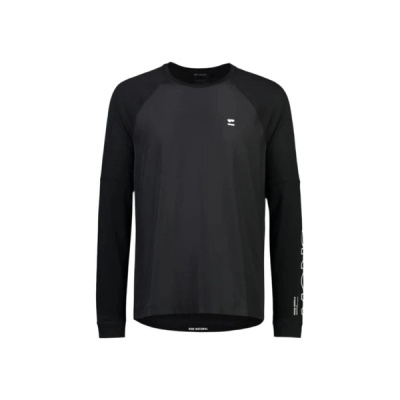
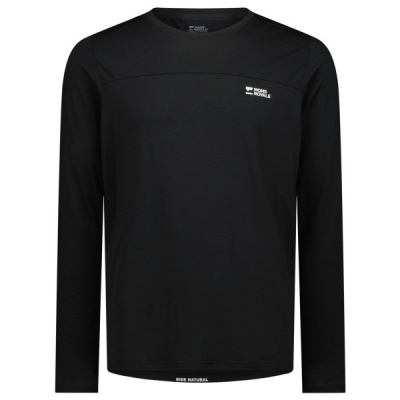
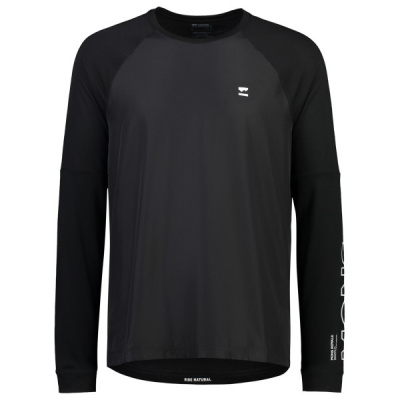
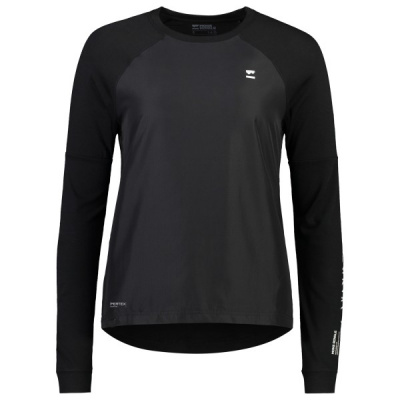
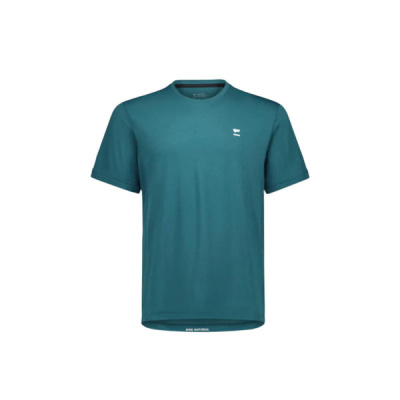
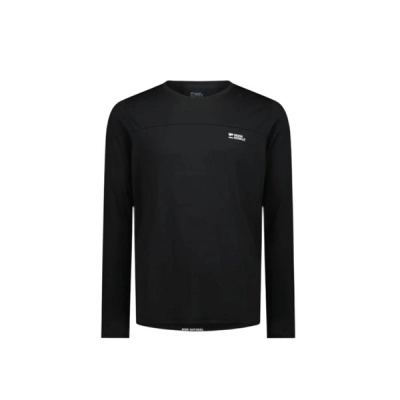
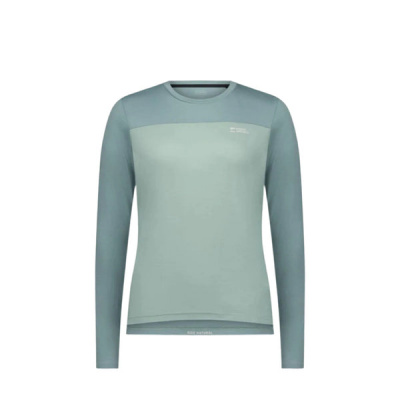
Fits are built for riding, not commuting. Relaxed enough to sit comfortably over body armour, with drop tail hems that stay tucked when you're stretched forward and raglan sleeves that let you move freely through rough, technical sections. There's also a neat detail worth knowing: several models include a hidden sunglasses wipe built into the hem - small thing, genuinely useful. Whether you're packing light for a multi-day bikepacking trip or just want a jersey that doesn't honk after day two, Mons Royale has a strong answer.
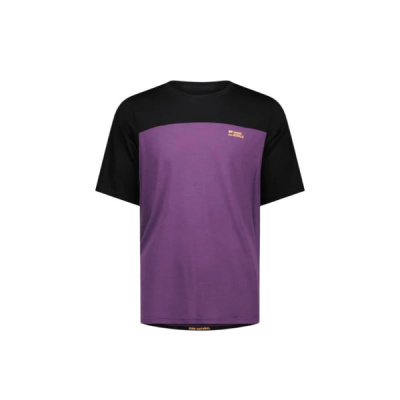
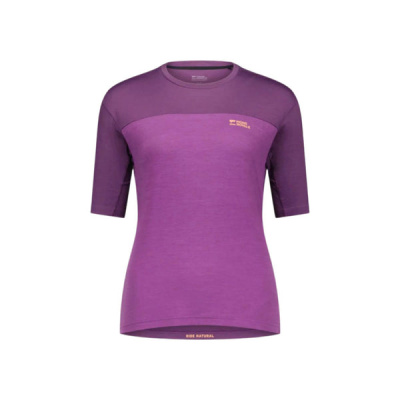
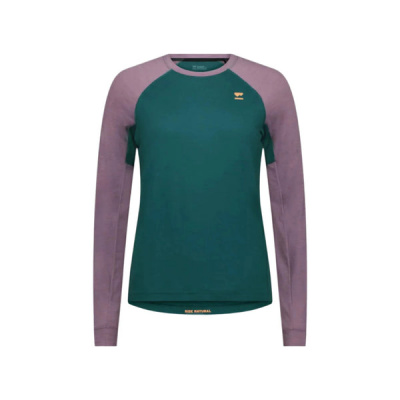
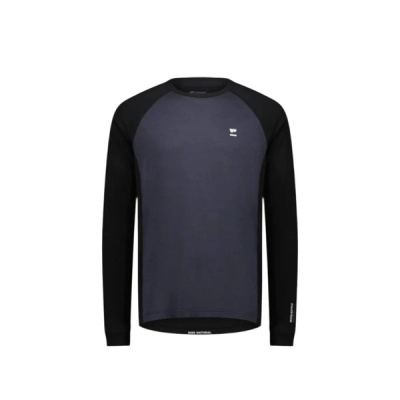
Prices and availability can change quickly. Delivery charges are not always included in listed prices.
Final price, stock status and delivery terms are set by retailer. We may receive a commission on purchases made.
Fabric Tech and What It Actually Does in UK Weather
There are two main fabric platforms across the Mons Royale jersey range, and understanding the difference saves you picking the wrong one for your riding. Merino Air-Con is the lighter construction - an open, highly breathable weave designed for high-output summer riding where overheating is the enemy. Think humid August singletrack in the Forest of Dean or a long gravel climb where the air barely moves. It wicks sweat rapidly and keeps airflow moving, without the clammy feeling you get from a cheaper synthetic once the effort really ramps up.
Merino Shift is the blend - Merino wool woven with recycled polyester and nylon - and it's the workhorse of the range. The synthetic content speeds up drying and adds meaningful abrasion resistance, which matters when you're washing mud out of a jersey every other ride through a Welsh autumn. Crucially, Merino Shift retains wool's core benefit: it keeps regulating your microclimate even when soaked. A sudden Scottish shower mid-ride doesn't leave you with a cold, wet rag against your skin the way a pure synthetic would. The wool fibres trap a thin layer of warmth while still moving moisture outward. That's not marketing - it's just how the fibre behaves.
The natural anti-odor properties of ZQ-certified Merino are also worth taking seriously if you do any multi-day bikepacking. Merino resists the bacterial growth that causes that familiar synthetic stink, so you can genuinely wear these jerseys across consecutive days without reaching for a second layer out of social obligation.
Getting the Fit Right: Tarn, Redwood, and the Range Explained
Mons Royale's jersey lineup splits broadly into two fit philosophies, and knowing which suits your riding style makes the choice straightforward. The Tarn range is the looser, more relaxed cut - built with enduro and freeride riders in mind. If you're running a chest protector or a back protector under your jersey, the Tarn sits cleanly over the top without pulling or bunching. It's the one to reach for if you spend your rides on bike park laps or gnarly all-mountain trails where armour is part of your kit checklist.
The Redwood range is slightly more tailored through the torso and upper arms - not race-cut, but trimmer. It's a better fit for all-mountain and gravel riding where you're not necessarily layering armour underneath, and where a more fitted silhouette makes sense across longer days in the saddle. Neither range is excessively boxy or clingy; both use raglan sleeves, which keep the shoulder seam off the joint and give your arms proper freedom through technical moves.
Drop tail hems appear across the range and they do a specific job: when you're in a steep, aggressive riding position, the back of a standard hem rides up and exposes your lower back to cold air and mud spray. A drop tail stays put. It's a small detail that matters on a long descent in the Brecon Beacons more than it ever does standing upright.
For casual off-bike wear after the ride, it's worth checking out the Mons Royale T-Shirts and Shirts collection separately - this page focuses on technical riding jerseys only.
If you're weighing up alternatives, 7mesh jerseys are worth a look for riders who prioritise an athletic, precision fit, while Dakine jerseys offer a more casual, durable take if you're less concerned with the Merino performance story. Alpinestars jerseys sit in similar enduro territory but lean harder into synthetic constructions.
Layering These Jerseys for Year-Round UK Riding
Merino jerseys work best when you treat them as the foundation of a system rather than a standalone solution. For winter riding - the kind of damp, 4°C morning on the Surrey Hills where the ground is soft and the air bites - pair a Mons Royale jersey directly over a Mons Royale base layer. The base layer handles the initial moisture management against your skin; the jersey adds a second layer of thermal regulation on top. It's a combination that gives you far more versatility than a single thick mid-layer because you can adapt it as the temperature shifts through the ride.
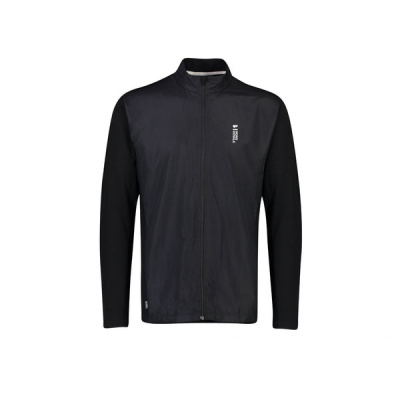
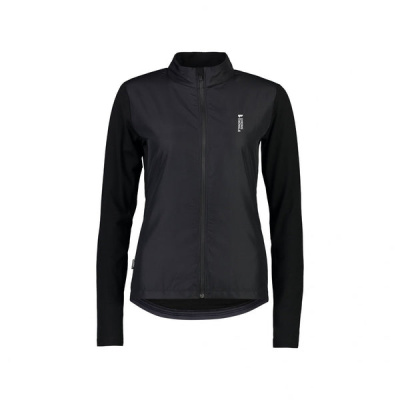
When the forecast looks properly grim, add a Mons Royale jacket over the top for wind and rain protection. The jersey still does its job in that stack - it doesn't become redundant just because there's a shell over it. That layering approach also means you can ditch the jacket mid-ride without immediately freezing, because the Merino is genuinely doing thermal work on its own.
On care: Merino wool is more forgiving than its reputation suggests, but there are a few rules worth sticking to. Wash at 30°C maximum on a gentle cycle, and use a non-biological detergent - biological enzymes break down protein fibres, which is exactly what wool is. Don't use fabric softener. It coats the wool fibres and ruins the moisture-wicking ability you paid for. Skip the tumble dryer entirely, reshape the jersey while it's still damp, and dry it flat. Takes a bit longer than bunging a synthetic in the dryer, but your jersey will look and perform the same after fifty washes as it did on the first ride. Pair these with Mons Royale MTB baggy shorts and you've got a kit combo that holds up across the full season without needing to think too hard about it.
Mons Royale Jerseys FAQs
Are Mons Royale jerseys good for hot weather?
Yes, particularly models using Merino Air-Con fabric, which is engineered for high breathability and rapid moisture transfer. Even Merino Shift blends perform well in heat - Merino naturally regulates body temperature rather than just dumping sweat, so humid summer climbs feel more manageable than they do in a standard synthetic jersey.
How should a Mons Royale MTB jersey fit?
Expect a relaxed, ride-oriented fit rather than a snug athletic cut. The Tarn range is the looser of the two - sized to layer cleanly over body armour - while the Redwood is slightly trimmer for all-mountain and gravel use. Both use raglan sleeves for shoulder mobility. If in doubt, size for comfort over armour rather than for a neat silhouette off the bike.
How do you wash a Merino wool cycling jersey?
Cold or cool wash only - 30°C maximum on a gentle cycle. Use a non-biological detergent and skip the fabric softener entirely; it coats the fibres and kills the moisture-wicking performance. No tumble dryer. Reshape the jersey while damp and lay it flat to dry. It takes a little more patience than synthetic kit, but the fabric holds its performance and shape far longer as a result.