
Mons Royale Jackets
Mons Royale jackets sit at a genuinely interesting crossroads: natural merino wool fibres doing the temperature regulation work, synthetic shells handling the weather. That combination makes them a serious option for enduro, freeride, and gravel riders who find traditional hardshells too clammy on the climbs and too restrictive when things get rowdy on the way down. If you've ever peeled off a sweat-soaked waterproof halfway up a Welsh hillside and wondered whether there's a smarter approach, this is where that answer lives.
The range leans into breathability over absolute waterproofing. DWR coatings and Pertex Quantum ripstop shells deal with trail spray, light showers, and biting moorland wind, while merino panelling or insulation keeps your core comfortable without cooking you. It's a high-output riding proposition - not a standing-in-the-rain jacket, but something far more useful for the sweaty, stop-start reality of UK trail riding.
Mons Royale built their reputation on merino base layers from New Zealand, and that fibre knowledge carries into their outerwear. Anti-odour properties, natural moisture-wicking, and a warmth-to-weight ratio that synthetic fill struggles to match at moderate temperatures. Worth knowing before you browse the range.
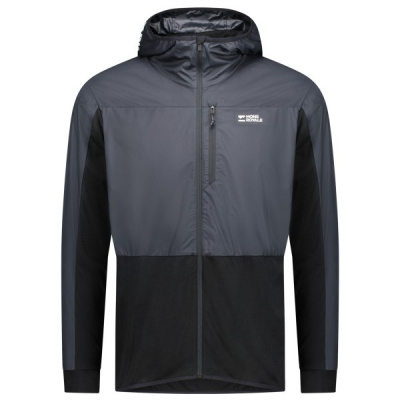
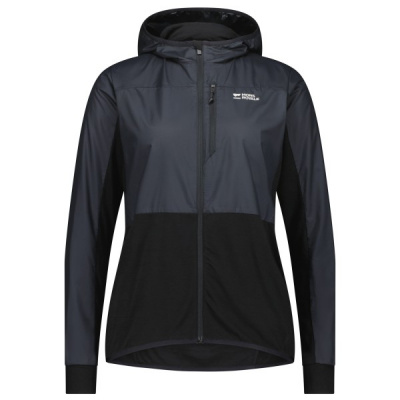
Prices and availability can change quickly. Delivery charges are not always included in listed prices.
Final price, stock status and delivery terms are set by retailer. We may receive a commission on purchases made.
Fabric Tech and What It Actually Means on the Trail
The merino wool cycling jacket argument starts with temperature regulation, and Mons Royale make a strong case. Merino fibres absorb moisture vapour before it becomes sweat-on-skin, releasing it gradually rather than dumping cold liquid against you the moment you stop pedalling. On a Peak District autumn ride - full gas on the climbs, standing in the wind at the top - that buffering effect is genuinely noticeable. You stay more even, less clammy, and the jacket doesn't stink after three rides the way a purely synthetic shell does.
The outer shell is where the synthetic side earns its place. Pertex Quantum ripstop fabric is a lightweight, tightly woven material used across premium softshell and packable outerwear; it's windproof, packs small, and resists snagging better than standard woven shells. Mons Royale use it to add structural durability to what would otherwise be a purely merino construction - relevant when you're pushing through gorse or stacking in bracken. DWR coating sits on top of that, beading off light rain and trail spray without adding waterproof membrane bulk. Breathability stays high because there's no laminate blocking vapour transfer.
It's worth being clear about the trade-off: DWR is not waterproofing. In sustained heavy rain, moisture will eventually wet out the shell and the jacket will feel heavier and cooler. For full Scottish winter downpours, a dedicated hardshell from 7mesh or Endura is still the right tool. But for the persistent drizzle, humid climbs, and intermittent showers that define most UK trail days from September through April, Mons Royale's approach is more comfortable to ride in than most waterproofs you'll find at this level.
The Merino Shift fabric used in some panels blends merino with more abrasion-resistant synthetic fibres, addressing the traditional weakness of pure merino outerwear. It won't snag or thin out at the shoulders where a pack sits, and it holds its structure better after repeated washing - relevant if you're riding two or three times a week through winter.
Fit, Models, and Which One Suits Your Riding
Mons Royale MTB jackets are cut for movement, not aerodynamics. The freeride fit is relaxed through the shoulders and chest, with enough room across the back to accommodate a chest protector or light armour underneath without the jacket pulling tight or riding up. If you're used to road or XC-oriented cuts, it'll feel roomy - deliberately so. Drop handlebars and a tucked position aren't what this fit is designed around.
The Tarn jacket is the windproof, freeride-focused option in the range - Pertex Quantum shell, merino-blend panelling where you need breathability, hood that sits under a helmet, and a cut that works whether you're shuttling laps or hiking a ridgeline. It's the jacket for when the forecast says cold and windy but not necessarily wet, and you want something that moves with you rather than around you. Think Dyfi, Glentress, or the exposed tops of the South Downs in February.
For deeper winter, models with merino insulation (the Arete sits in that bracket) add a loftier fill for standing starts, lifts, or slower trail days where generating heat isn't guaranteed. These run warmer and are better suited to days where you're not going to be grinding hard efforts for sustained periods.
On sizing: stick to your normal size for a classic baggy MTB fit with room for layers underneath. If you're riding gravel and want a closer profile that doesn't flutter at pace, sizing down typically works - the merino-blend fabric has enough stretch to keep it comfortable even trimmed up. The Mons Royale MTB jacket range doesn't cater specifically to enduro-race-replica fits, so if you want something truly body-mapped, that's a consideration worth making before you buy.
Layering It Right for UK Conditions
The jacket works hardest when the whole system is merino. Mons Royale base layers underneath a Mons Royale jacket means moisture-wicking at every layer without synthetic-on-merino interface problems - no clammy polyester trapped between two wool layers. The base layer pulls sweat away, the jacket manages what gets through, and you end up considerably drier than a mixed-fibre system through a three-hour ride.
On top of the base layer, a Mons Royale merino jersey gives you a mid layer on cold days without adding bulk - merino stacks efficiently because each layer stays thin. Pair that with Mons Royale trousers and you've got a coherent system rather than a layering lottery. It also means the anti-odour properties carry through the whole kit, which matters if you're riding before work or doing back-to-back days without access to laundry.
On washing: cold, gentle machine cycle with a wool-specific detergent. No fabric softener - it clogs the merino fibres and degrades the DWR coating faster than anything else. Skip the tumble dryer entirely; air dry flat or on a hanger. The DWR will need refreshing eventually regardless - a low-heat tumble dry of a clean, dry jacket (or a DWR re-proofer spray) will revive it when you notice water soaking in rather than beading. Treat the jacket that way and the Merino Shift construction will outlast most synthetic alternatives. If you want to compare the waterproofing spec against more hardshell-oriented options, Dirtlej jackets take a different approach worth a look.
Mons Royale Jackets FAQs
Are Mons Royale jackets fully waterproof?
No - most use a DWR coating rather than a waterproof membrane. They'll handle trail spray, light showers, and persistent drizzle comfortably, but sustained heavy rain will eventually wet out the shell. The trade-off is significantly better breathability than a hardshell during high-output riding, which for most UK trail days is the smarter compromise.
How do Mons Royale MTB jackets fit?
They run with a relaxed, freeride-oriented cut - roomy across the shoulders and chest to work over body armour or winter base layers without pulling tight. Stick to your normal size for a classic baggy MTB fit. If you're gravel riding and want less material moving around at pace, sizing down usually gives you a cleaner profile without losing comfort.
How should I wash a merino wool cycling jacket?
Cold, gentle machine cycle with a wool-specific or mild detergent. No fabric softener - it damages merino fibres and breaks down the DWR coating. Air dry rather than tumble dry. To restore DWR performance when water stops beading, either run a clean dry jacket on a low-heat tumble dry setting or apply a DWR re-proofer spray.