
Michelin Tubulars
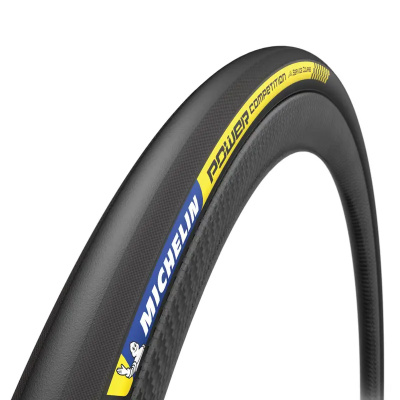
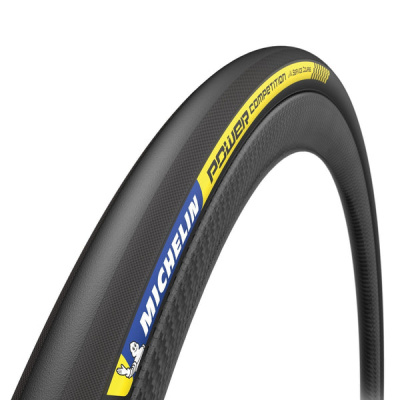
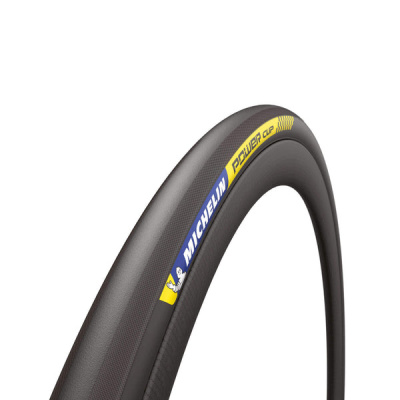
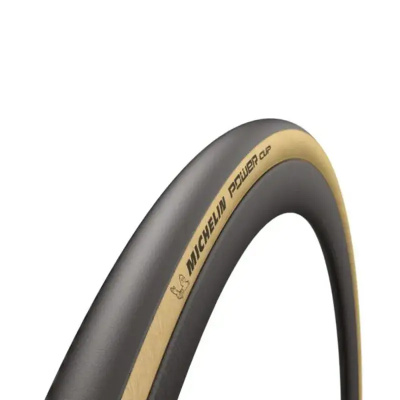
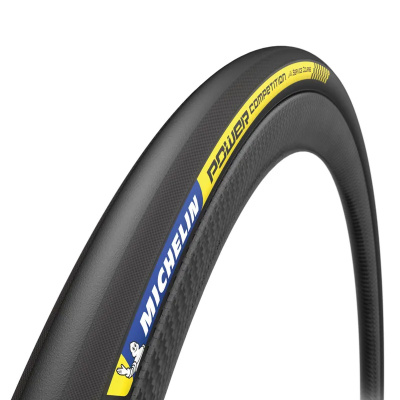
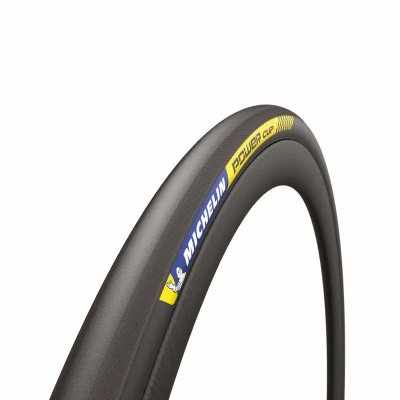
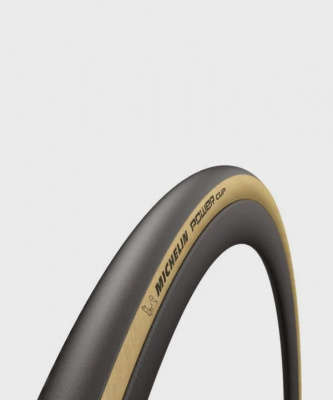
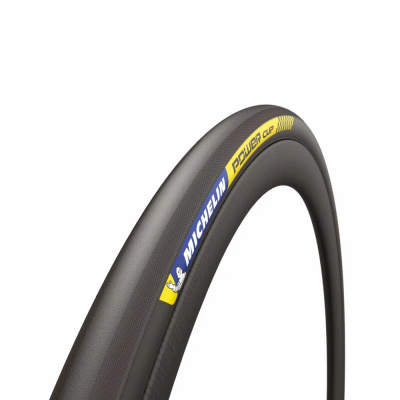
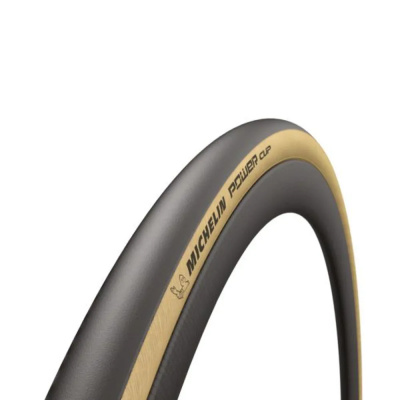
When you're chasing every watt on race day, Michelin tubular tyres are still the benchmark that serious road and cyclocross racers measure everything else against. Built around Moto GP-derived rubber compounds, ultra-supple cotton casings, and sewn-in latex inner tubes, Michelin's tubular range delivers a combination of rolling resistance, grip, and ride feel that standard clinchers simply can't match at the same weight. The headline act is the Power Tubular - a tyre refined through elite competition and carrying real race-day credentials. Whether you're putting together a climbing build for a sportive in the Dales or prepping a set of deep-section carbon wheels for a UK criterium circuit, the construction choices here genuinely matter. Lower rolling resistance means more speed for the same effort. A supple casing means the tyre conforms to the road surface rather than fighting it, which translates to better grip on greasy UK autumn tarmac. And the safety margin of a tubular staying on the rim during a high-speed blowout is something no clincher can replicate. Compare the best UK prices on Michelin tubulars below. After everyday training rubber? Our Michelin Road Tyres page covers clincher and tubeless-ready options.
Prices and availability can change quickly. Delivery charges are not always included in listed prices.
Final price, stock status and delivery terms are set by retailer. We may receive a commission on purchases made.
Rim Compatibility and Getting the Installation Right
Michelin tubular tyres are only compatible with tubular-specific rims - rims without bead hooks, built with a curved bed for gluing rather than a clincher's locking shelf. If you're running modern deep-section carbon wheels for a UK crit or a time trial, you're almost certainly already on tubular or tubeless-ready rims, but it's worth double-checking before you order. Mixing up rim types is the kind of mistake that's easy to make once and never again.
Valve length is a practical detail that catches people out. Most Michelin tubulars use a standard Presta valve, and on any rim deeper than about 40mm you'll need a valve core extension. Critically, check that the valve core on your chosen tyre is removable - this matters both for getting a pump head on properly with a deep rim and for injecting sealant later. Michelin tubulars typically do feature a removable core, which keeps your options open.
For installation, the choice comes down to traditional tubular glue (rim cement or mastic) versus modern tubular tape. Both work; each has its advocates. Rim cement gives a stronger bond and is the professional mechanic's preference for serious racing, but it's messier and slower. Tubular tape is cleaner and more beginner-friendly, though some mechanics feel it's less secure under sustained high-speed cornering loads on carbon. Whichever you choose, the process is the same in principle: stretch the tyre onto a dry rim and leave it for at least 24 hours before gluing. A tyre that's been pre-stretched seats far more evenly and you'll get a much cleaner, more consistent glue line. Apply thin, even coats to both the rim bed and the tyre's base tape, let each coat go properly tacky before adding the next, then mount and inflate firmly. Don't rush it - a poorly glued tubular is a genuine safety risk at speed.
The Michelin Power Tubular and Where It Sits
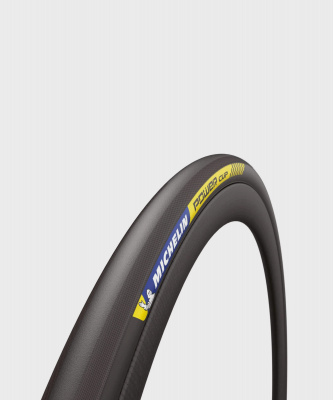
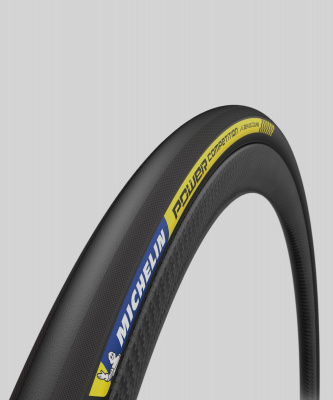
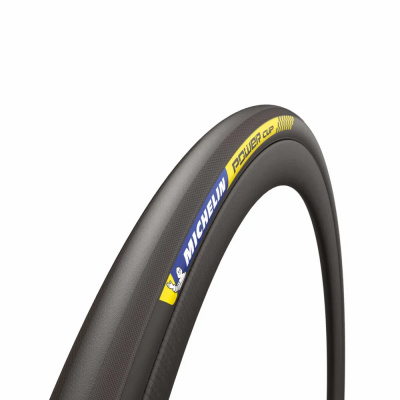
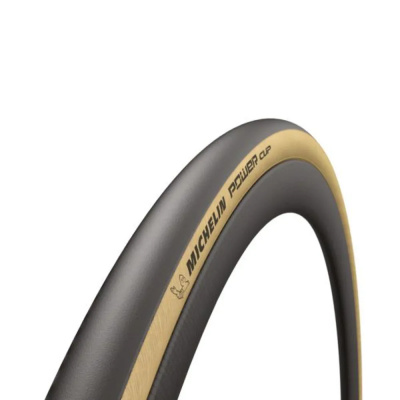
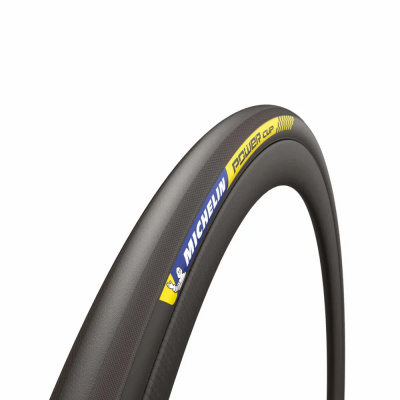
The Power Tubular is the centrepiece of Michelin's tubular offer, and it's built to a specification that reflects genuine racing intent rather than box-ticking. The casing uses high-TPI cotton construction - TPI (Threads Per Inch) being the measure of how finely the casing fabric is woven. More threads per inch means a more supple, more compliant casing that deforms around road imperfections rather than deflecting off them. The practical result is better grip, a more comfortable ride, and lower rolling resistance. It's the same principle as a high-thread-count sheet versus a cheap one - one gives, one resists.
The sewn-in latex inner tubes are equally significant. Latex has lower hysteresis than butyl - it deforms and recovers more efficiently under load, which means less energy lost to heat with every wheel revolution. The rolling resistance gains over a butyl-tubed clincher are measurable and meaningful over a race distance. The trade-off is that latex loses pressure faster than butyl, so checking and topping up before every ride is non-negotiable rather than optional.
Michelin's Race Compound rubber, developed in parallel with their Moto GP tyre programme, prioritises grip and low rolling resistance over longevity. It's a deliberate choice - this is a race-day tyre, not a training tyre. If you want something you can leave on the bike through a full winter of wet B-road miles, look at Continental tubulars or Tufo's training-focused range, which are engineered more explicitly around durability. The Power Tubular is built to go fast, not to last indefinitely.
Puncture protection comes via Michelin's High-Density Protek cross-laid layer - a reinforcement belt beneath the tread that intercepts flint and glass before they reach the latex tube. It's not an armoured touring tyre, but it's not naked race rubber either. For a UK criterium or road race on decent tarmac, it offers a reasonable safety net without the rolling resistance penalty of a thicker protection layer.
Keeping Michelin Tubulars in Good Shape on UK Roads
UK roads are harder on race tyres than most European racing surfaces. Flint debris on B-roads, glass in town, and the general grottiness of a wet October sportive all put the High-Density Protek layer to work. It handles most of it - but there are a few things worth knowing before your first ride.
If your tubulars have been sitting in storage, age them properly. A tyre that's been stored in a cool, dark, dry place for a few months before use will have slightly hardened tread rubber, which actually improves cut resistance. It's an old mechanic's habit - buy a set in summer, store them correctly, and mount them for autumn racing. It makes a real difference on gritty lanes.
For additional insurance on UK roads, injecting a small amount of latex-based sealant through the removable valve core is straightforward and genuinely worthwhile. The sewn-in construction of a tubular means it won't seal punctures as readily as a tubeless system, but a tablespoon or two of latex will close small holes from thorns or glass before you even notice the pressure drop. Use a proper tubeless sealant injector, remove the valve core, inject slowly, then reinstall the core and rotate the wheel to distribute the sealant. It adds a small amount of weight but meaningfully reduces the chance of a race-ending flat on a rough day out in the Yorkshire lanes.
Repairs in the field are limited - carry a spare pre-glued tubular under your saddle, taped to the rim base. Roadside tubular repair is possible but impractical at race pace. The real repair work happens back home, where a small puncture in the tread can be patched through the base tape. It's fiddly but worthwhile if the tyre is otherwise in good condition. Check the Michelin inner tubes range if you're running clinchers on your training bike alongside your tubular race setup - it keeps your kit consistent.
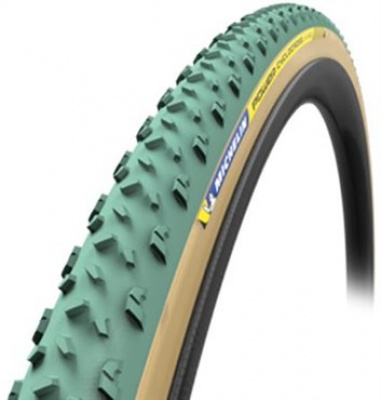
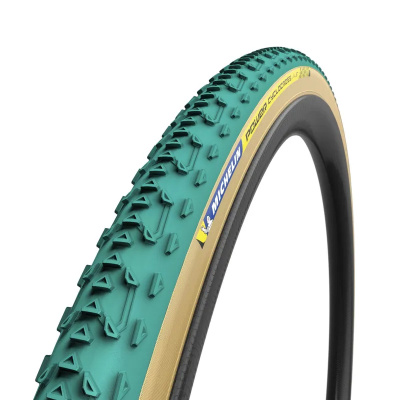
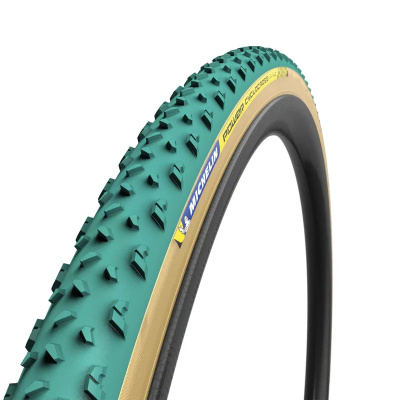
For cyclocross, Michelin tubular options sit alongside the likes of Dugast and Challenge tubulars at the premium end. The mud-specific demands of CX - lower pressures, higher flex, aggressive tread - mean the choice of tyre matters even more than on road. Run Michelin's cyclocross-specific tubulars at the pressures the manufacturer recommends for your weight; going too high on a muddy Welsh circuit is a fast way to lose all the casing compliance that makes tubulars worth the hassle in the first place. If you're piecing together a full CX setup, our Michelin commuter and hybrid tyres page is worth a look for your everyday training bike.
Michelin Tubulars FAQs
How do you glue a Michelin tubular tyre to a carbon rim?
Use a carbon-specific rim cement or quality tubular tape - standard mastic on a carbon rim can cause delamination. Apply two to three thin coats to both the rim bed and the tyre's base tape, letting each coat go properly tacky before the next. Pre-stretch the tyre on a dry rim for 24 hours first. Mount carefully, inflate firmly, and leave it at least overnight before riding hard on it.
Are tubular tyres still better than tubeless for racing?
For many pros, yes - the combination of a supple cotton casing, latex inner tube, and lower system weight still edges tubeless on feel and outright rolling resistance. The real advantage no one argues about is safety: a tubular stays on the rim after a blowout at speed, where a tubeless tyre can burp suddenly. Tubeless is closing the gap fast, but tubulars remain the purist's choice for elite road racing.
Can you put sealant in a Michelin tubular tyre?
Yes. Michelin tubulars feature removable valve cores, so you can inject latex-based sealant directly into the inner tube using a standard injector. It's well worth doing for UK riding - a small amount of sealant will automatically close punctures from glass or thorns before you lose significant pressure. Use latex sealant rather than fibre-based products, which can clog the valve.