
Michelin Road Tyres
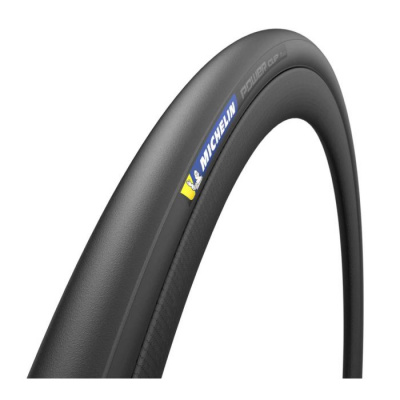
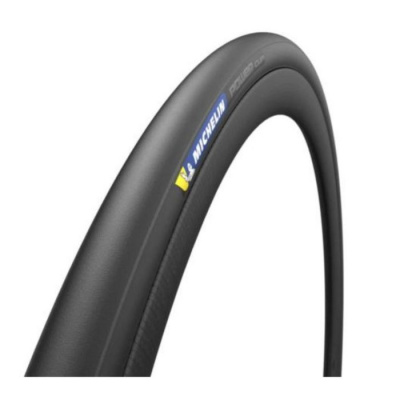
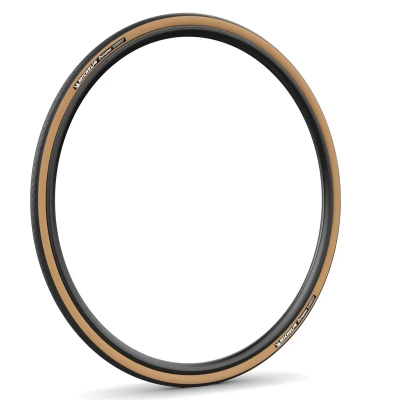
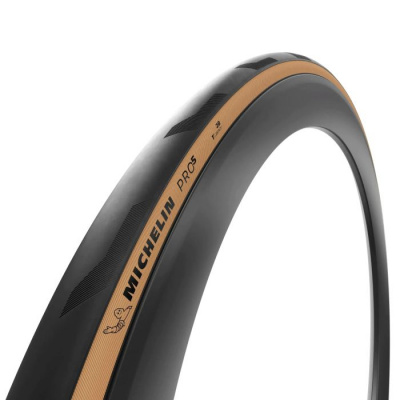
Michelin road tyres sit at the sharper end of what tyre engineering can actually do - balancing rolling resistance, cornering grip, and puncture protection in ways that translate directly to faster, safer riding on British roads. From the race-day Power Cup to the graft-ready Pro4 Endurance, the range covers riders chasing KOMs on dry summer climbs and those grinding out winter base miles on gritty B-roads with equal conviction. Underpinning it all are Michelin's proprietary Magi-X and Gum-X compounds, which are engineered to maintain grip across temperature swings - something that matters a lot when UK weather does what it does. You'll find both standard clincher and tubeless ready (TLR) options across the range, covering everything from 23c race widths to more forgiving 30c training setups. If you're after glue-on race day options, head over to our Michelin Tubulars page. For everyone else - clincher riders, tubeless converts, and those somewhere in between - you're in the right place. Browse the full range below and we'll help you match the right rubber to your wheels, your roads, and your riding.
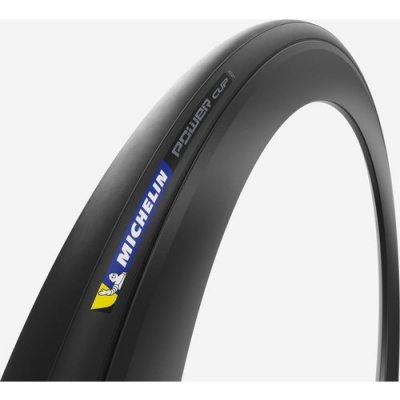
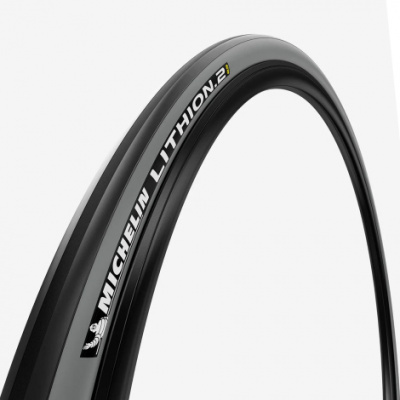
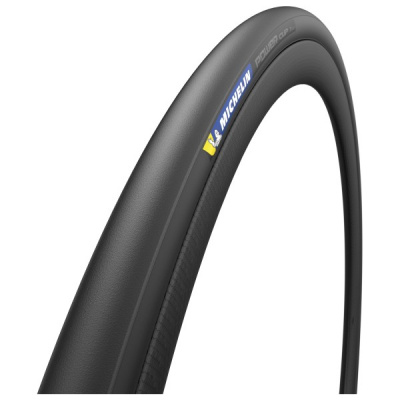
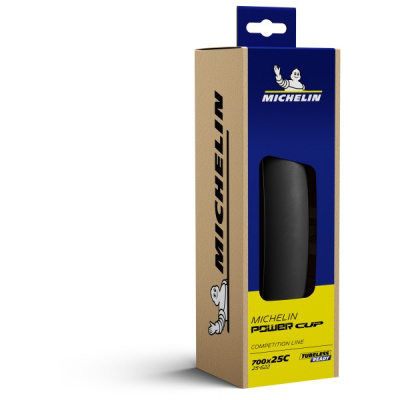
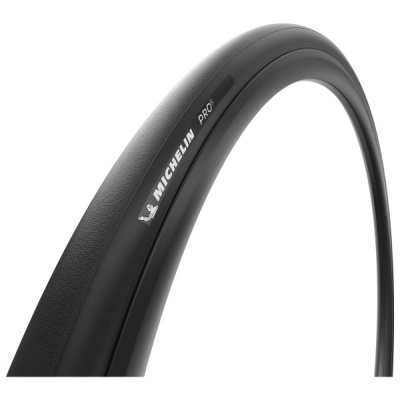
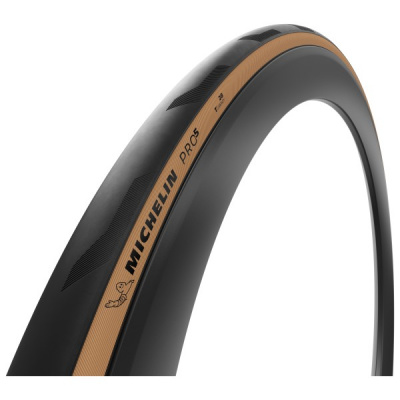
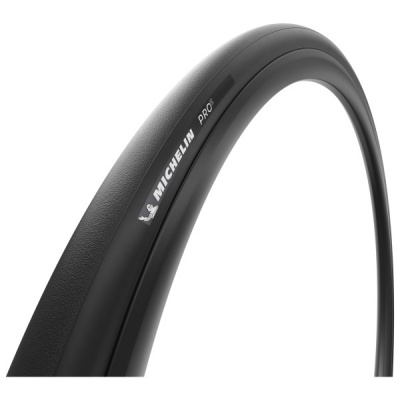
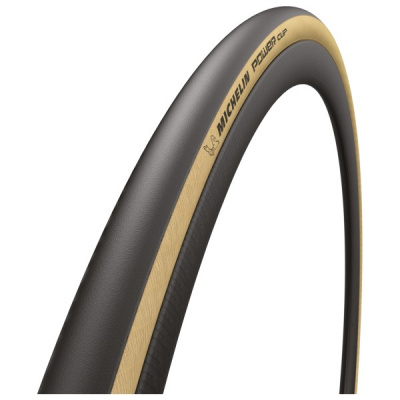
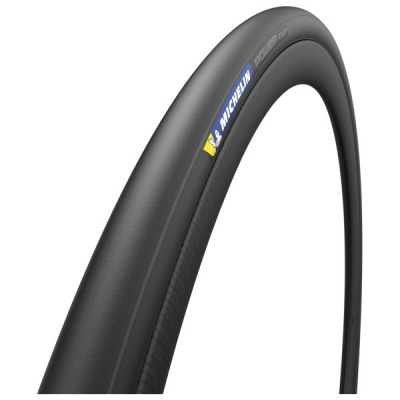
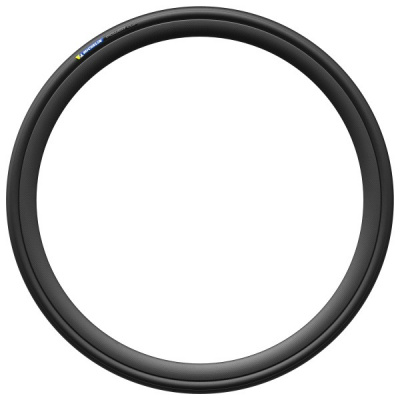
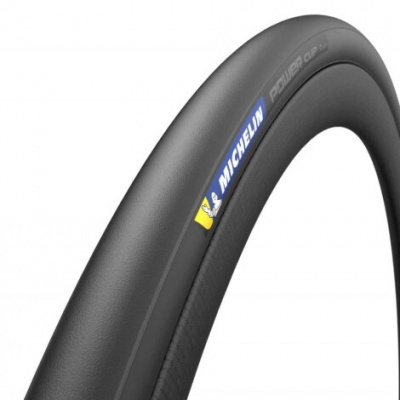
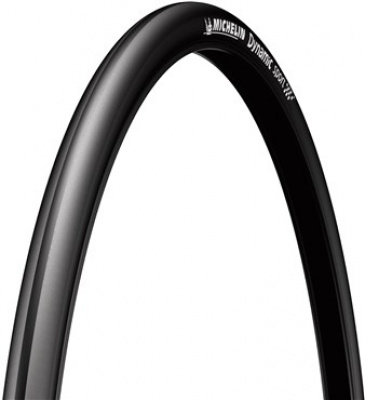
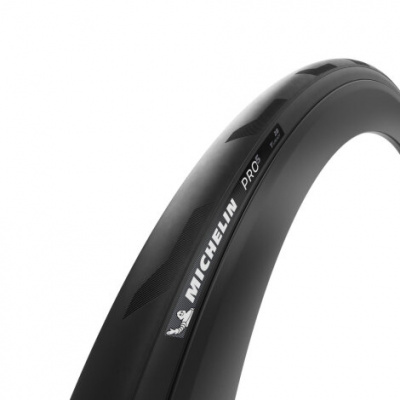
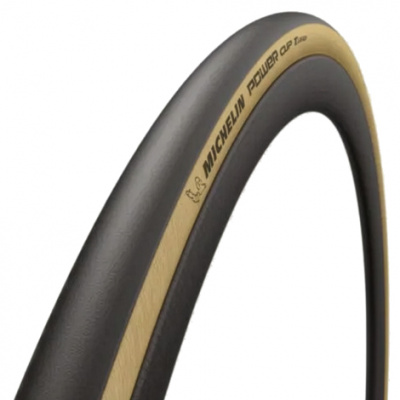
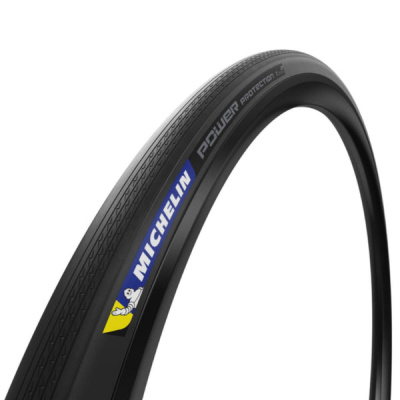
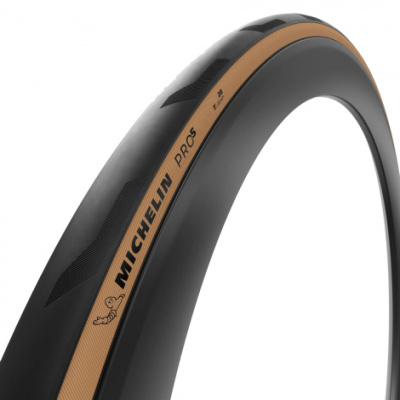
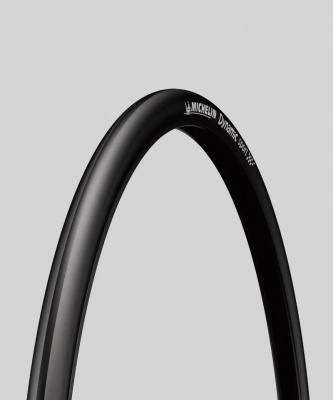
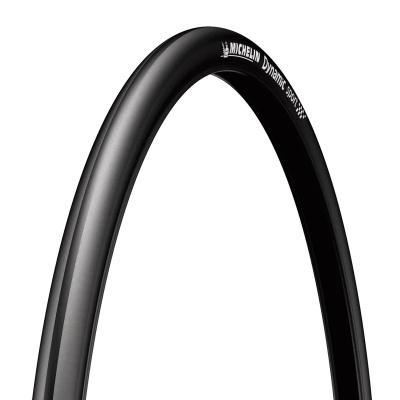
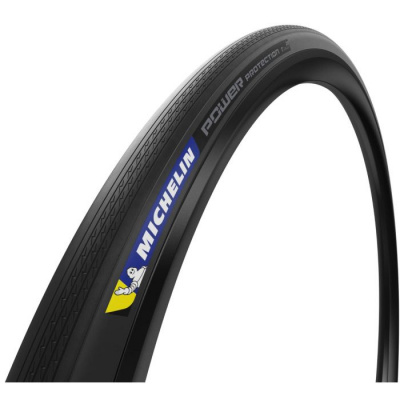
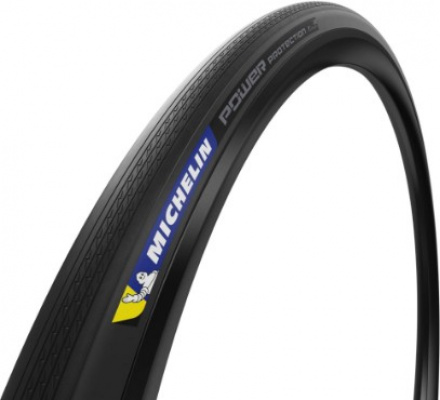
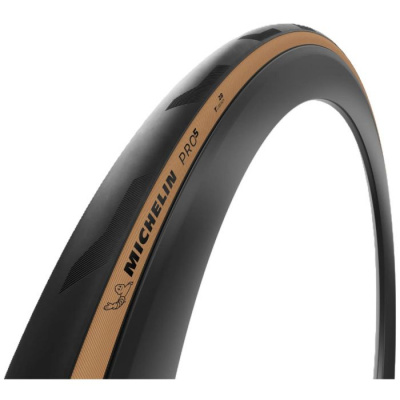
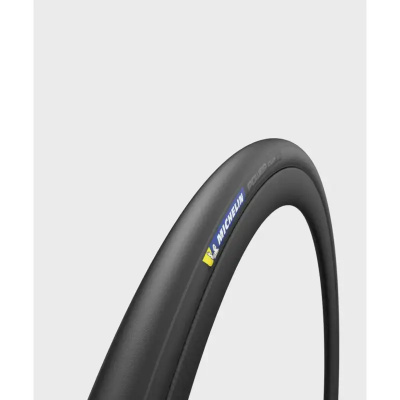
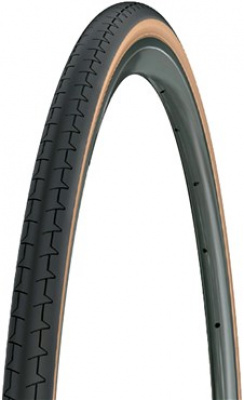
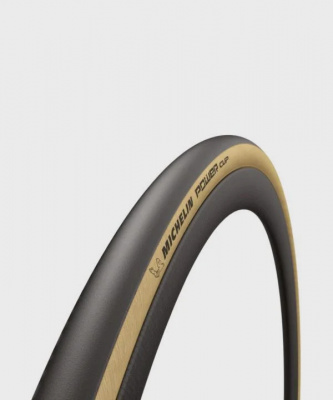
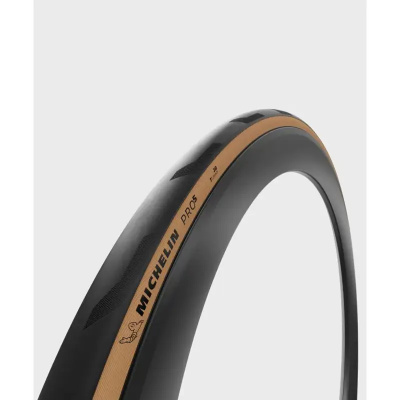
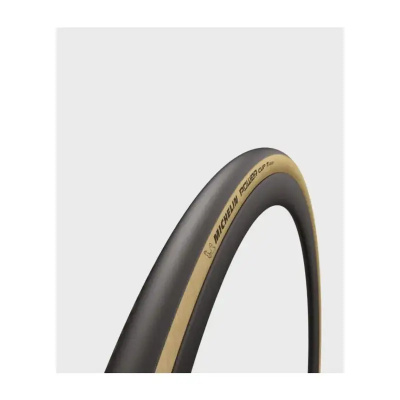
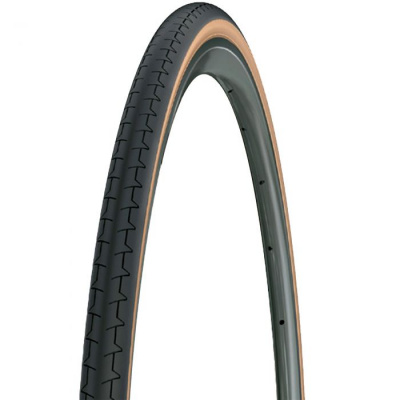
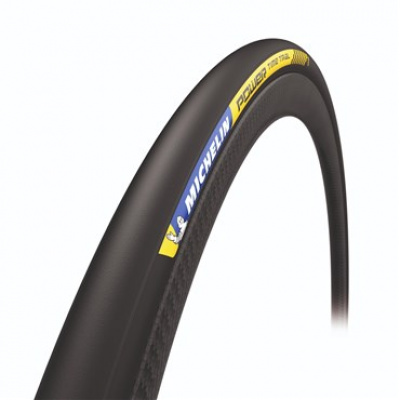
Prices and availability can change quickly. Delivery charges are not always included in listed prices.
Final price, stock status and delivery terms are set by retailer. We may receive a commission on purchases made.
Clincher, TLR, and Hookless: Getting the Fit Right
Before you add anything to your basket, it's worth spending two minutes on compatibility - because fitting the wrong tyre to the wrong rim is one of those mistakes that bites you on the roadside, not in the shop. Standard tube-type clincher Michelin road tyres work with any conventional hooked rim and a Michelin inner tube - straightforward, no drama. The tubeless ready (TLR) models need a rim with a sealed bed, tubeless valves, and sealant, but once they're set up properly you're carrying meaningful puncture insurance on every ride.
Hookless rims are where it gets specific. Michelin's TLR tyres in 28c and above - including the Power Cup TLR - carry ETRTO hookless certification, but that comes with a hard pressure ceiling, typically 73 psi (5 bar). Run them higher and you're voiding that certification and risking a catastrophic bead failure. Check your rim manufacturer's guidance too; hookless compatibility is a two-way conversation between tyre and rim. If you're moving from 23c to 28c or 30c widths, measure your frame clearance first - particularly around the fork crown and chainstay bridge, where older British sportive bikes can be surprisingly tight. A 28c tyre that measures 30c when inflated on a wide rim can catch you out.
Are Michelin road tyres tubeless ready? Not all of them - check the sidewall for the TLR designation before you attempt a tubeless setup. The clincher versions look identical in many cases, so it's not a step worth skipping.
Power Cup, Pro4, and Lithion: Which One's Actually for You
Michelin structures their road tyre range in three clear tiers, and the differences between them aren't just marketing - they show up in weight, suppleness, and how the tyre feels rolling over rough chip-seal at 40 kph.
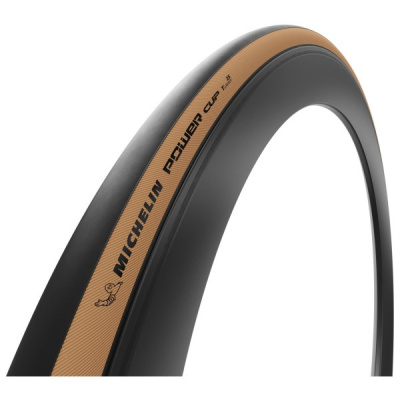
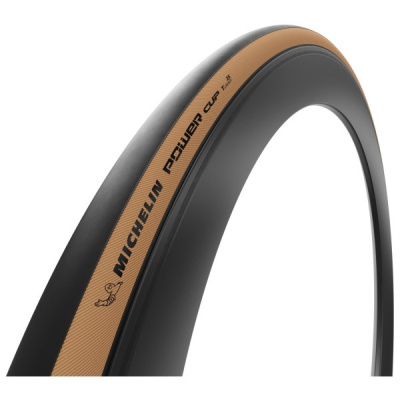
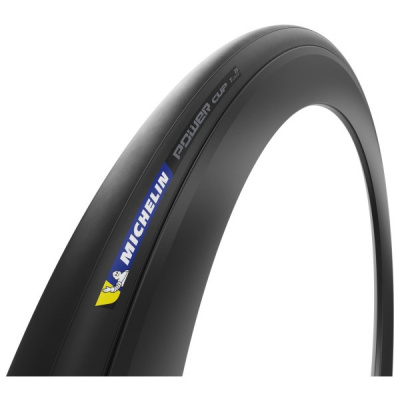
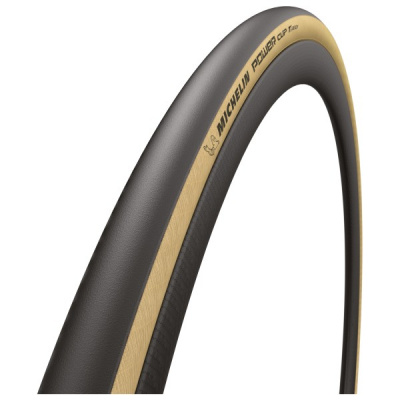
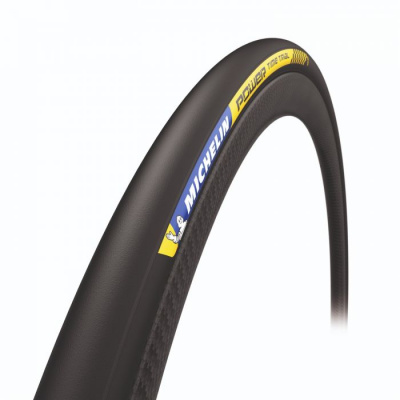
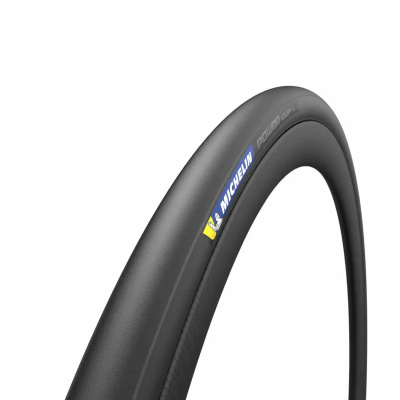
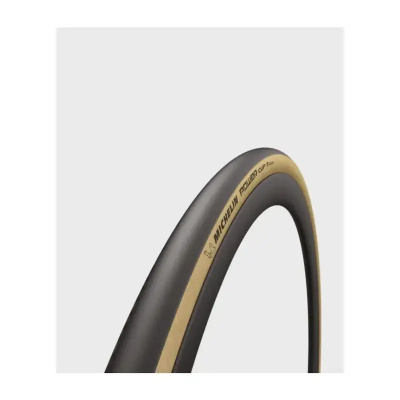
At the top sits the Power Cup, Michelin's premium race tyre and the successor to the Power Road. It uses the Magi-X compound, which is optimised for minimum rolling resistance and maximum cornering grip on clean, dry tarmac. The high-TPI casing is noticeably supple - it deforms around road texture rather than fighting it, which is where a lot of its speed comes from. It's light, it's fast, and it's the one you'd tape to a race wheel or bolt onto a dedicated summer bike. The trade-off is longevity; the rear will square off faster than a training tyre, and it's not the one you want to use daily on debris-strewn lanes. Compared to something like Continental's Grand Prix 5000, the Power Cup competes directly on rolling speed - both are genuine race-day options and it comes down to compound feel preference.
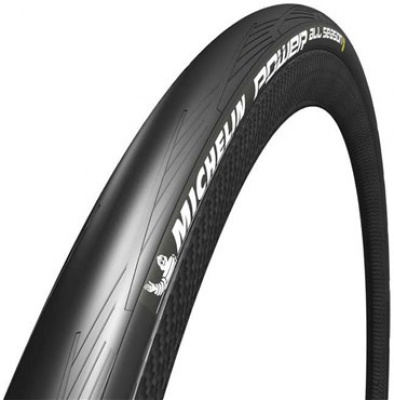
The mid tier covers the Pro4 Endurance and the Power All Season. These use the Gum-X compound, which trades a small amount of outright rolling efficiency for longevity and better behaviour on cold, damp roads - exactly the conditions you're dealing with from October through March in most of the UK. The High Density Protek belt runs beneath the tread: a high-density cross-laid puncture protection layer that handles the kind of flint and glass debris that litters West Country B-roads and urban commuter routes. Heavier than the Power Cup, yes - but the mileage you get in return makes it the more economical tyre over a full year of riding.
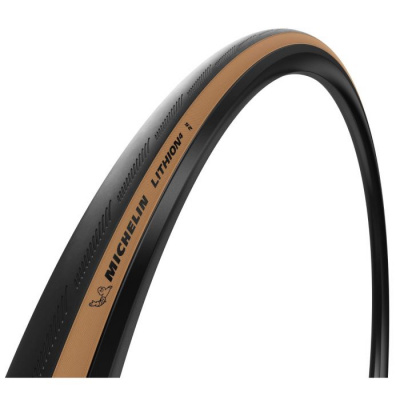
The Lithion range - currently the Lithion 3 and Lithion 4 - covers the entry tier. Lower TPI casing, slightly heavier, but durable and honest. If you're training on a second bike or commuting and want Michelin quality without the race tyre price, the Lithion makes a sensible case for itself. The Aramid Bead across most of the range - a lightweight, foldable bead design that seats securely and stores flat - keeps things tidy whether you're swapping tyres seasonally or stuffing a spare in your jersey. Brands like Vittoria and Pirelli play in the same tiers, and all three are worth comparing if you're undecided - but Michelin's compound technology is genuinely distinctive, particularly in cold conditions.
What do you actually get for the extra money as you move up the range? Suppleness, weight, and how alive the tyre feels underfoot. A high-TPI casing on the Power Cup wraps around road texture the way a worn-in leather glove fits your hand. The Lithion feels more wooden by comparison - capable, but less communicative.
Keeping Michelin Tyres Running Through a British Winter
Cold tarmac, wet leaves, and gritty chip-seal are the real test of any road tyre compound, and it's where Michelin's Gum-X compound earns its keep. Unlike harder compounds that lose grip as temperatures drop, Gum-X maintains its mechanical properties in the cold without going greasy - which matters when you're leaning into a damp corner on a January sportive. It's not magic, but it's measurably better than a hard-compound budget tyre in those conditions.
Pressure is the other lever you have. If you're still running 100 psi in a 28c tyre because that's what you did with your old 23c setup, you're leaving comfort and grip on the table. On rough UK chip-seal, dropping 10 - 15 psi from your old 23c pressures gives the casing room to absorb vibration and maintain a better contact patch. A 75 kg rider on 28c Michelin clinchers might find 80 - 85 psi rear, 75 psi front works far better than the tyre's maximum. Experiment; it costs nothing.
For tubeless ready setups, check your sealant every three to four months. UK winters are hard on sealant - temperature swings, wet grit forcing micro-punctures, and cold nights all accelerate drying. Running low on sealant doesn't announce itself until you pick up a hole you can't seal. A 30 ml top-up on schedule is far less inconvenient than a trailside sealant failure. How long do Michelin road bike tyres last? On the rear, a race-focused Power Cup typically runs 2,000 - 3,000 miles before it squares off noticeably. A Pro4 Endurance, ridden on typical UK roads, will regularly push past 4,000 - 5,000 miles depending on rider weight and road quality - rotate front to rear at the halfway point if you want to stretch that further.
Michelin Road Tyres FAQs
Are Michelin road tyres tubeless ready?
Some are, some aren't - you need to check the sidewall for the TLR designation before attempting a tubeless setup. Models like the Power Cup TLR are specifically designed for it, but Michelin also produces standard tube-type clinchers that look nearly identical. Don't assume; check before you buy.
What is the difference between Michelin Power Cup and Pro4?
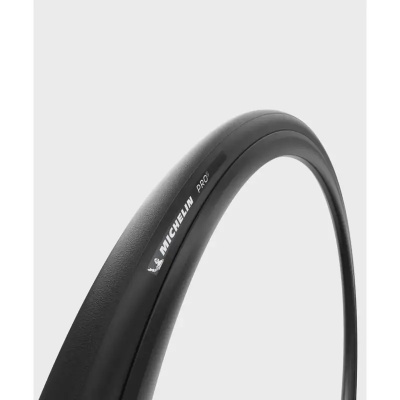
The Power Cup is the race tyre - lighter, more supple high-TPI casing, Magi-X compound for low rolling resistance and outright grip. The Pro4 Endurance is built for mileage: heavier, thicker tread, Gum-X compound, and a High Density Protek puncture belt. One wins races, the other survives winters.
How long do Michelin road bike tyres last?
Expect 2,000 - 3,000 miles from a rear Power Cup before the tread squares off. A Pro4 Endurance will comfortably do 4,000 - 5,000 miles under normal UK conditions. Rider weight, road surface, and inflation pressure all affect wear - heavier riders and rougher roads will shorten that lifespan noticeably.