
Continental Tubulars
Continental tubular tyres are still the benchmark for road racers, time trialists, and track riders who won't compromise on rolling speed or cornering feel. Hand-sewn at Continental's Korbach facility in Germany, these sew-up tyres combine a supple casing construction that no clincher can quite replicate with the BlackChili compound - a tread formulation that keeps grip and rolling resistance pulling in the same direction rather than fighting each other. That matters everywhere, but it matters especially on greasy British tarmac where micro-conformity between rubber and road surface is what keeps you upright through a wet roundabout at race pace.
Whether you're building up a set of deep-section carbon rims for a summer criterium or looking for a durable tubular that can handle the kind of glass-strewn B-roads that litter the UK's racing calendar, Continental's range covers the spectrum from robust training options right through to full pro-peloton specification. The Vectran Breaker layer adds a meaningful layer of puncture resistance without loading up the casing with weight - think of it as your insurance policy against the flint that lurks on every fast descent. Explore the range below and find the right model for your wheels and your ambitions.
Prices and availability can change quickly. Delivery charges are not always included in listed prices.
Final price, stock status and delivery terms are set by retailer. We may receive a commission on purchases made.
Compatibility and Mounting Basics
Continental tubulars are strictly for tubular-specific rims. There's no crossover with clincher or tubeless setups - if you're running standard hooked rims, these aren't for you. That's not a criticism, just the nature of the format. Most models ship with a 42mm Presta valve as standard, which works fine on a shallow rim but will sit frustratingly short in a deep-section carbon race wheel. The fix is straightforward: the valves feature removable valve cores, so you can thread on a valve extender without any drama. Pick up the right length from our Continental valve extenders page before race day rather than discovering the problem in the car park at 7am.
For mounting, you've got two routes: traditional mastic tubular glue or double-sided tubular rim tape. Glue offers a stronger, more permanent bond and is the preferred choice for hard racing - criteriums, track events, anything involving sustained cornering forces. Tape is cleaner, faster to apply, and plenty secure for sportives and training. Whichever you choose, surface prep is everything. A clean, lightly abraded rim bed makes all the difference to bond strength and long-term reliability.
Continental's Tubular Range Explained
Continental structures its tubular lineup in a clear hierarchy, and knowing where each model sits saves you from either overspending or under-speccing your race wheels.
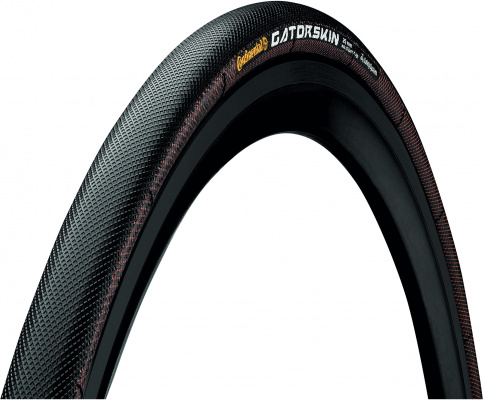
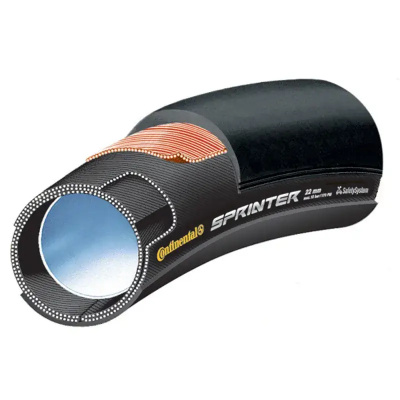
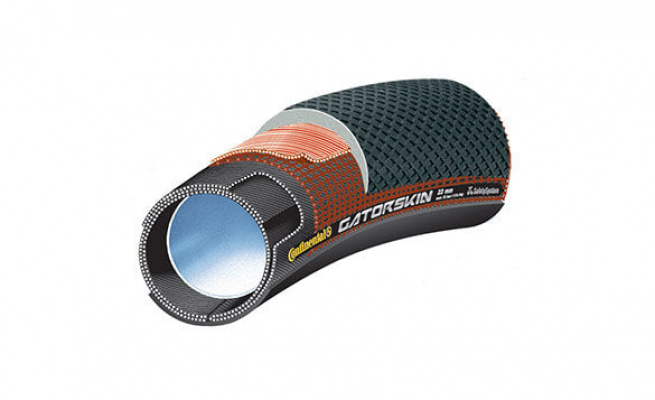
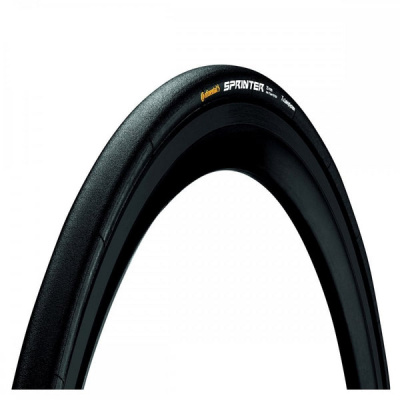
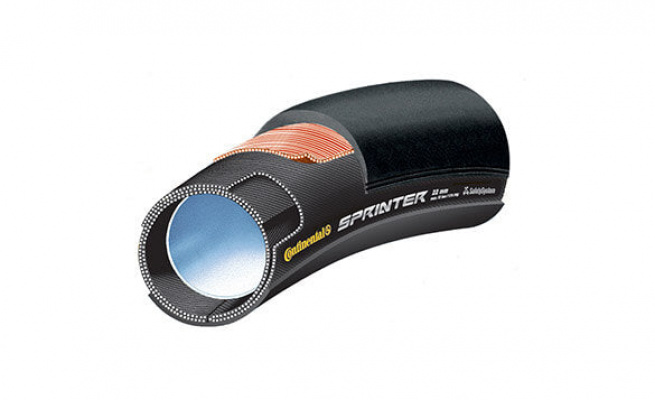
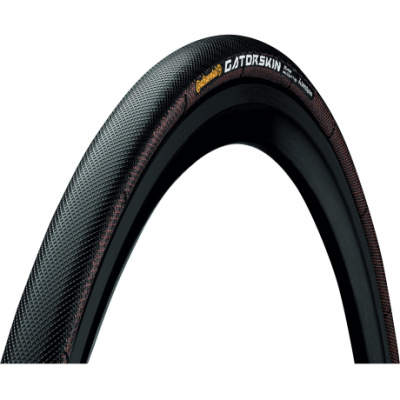
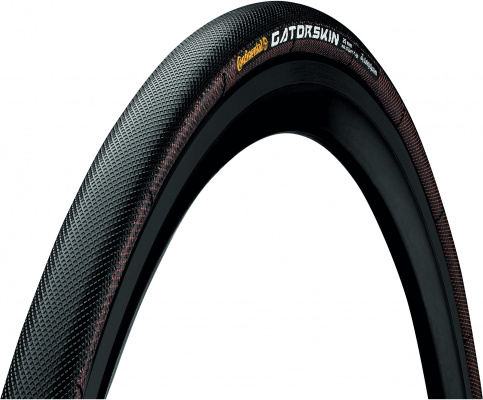
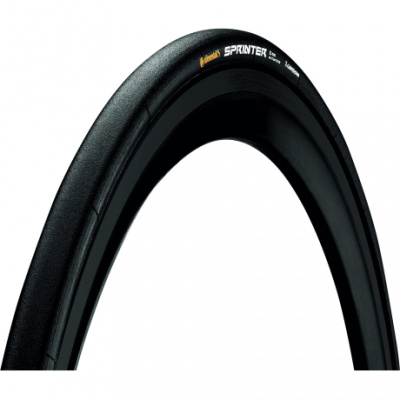
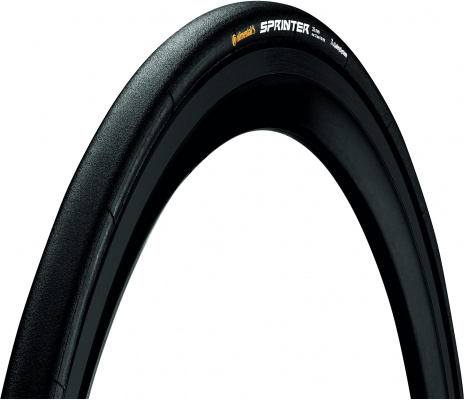
At the accessible end sits the Giro - a training-focused tubular with a standard compound and nylon casing that prioritises longevity over outright speed. It's honest, dependable, and won't punish you if you're still learning to glue tubulars or you're racking up winter miles on a spare set of wheels. Step up from there and you reach the Sprinter and the Sprinter Gatorskin. The nylon casing construction keeps weight and cost sensible, the Gatorskin variant adding an extra layer of cut protection that suits UK amateur racing - think four-corner crits on roads that haven't seen a resurfacing budget since 2009. The Continental Sprinter tubular is a legitimate choice for fast club racing and fast training in the same package.
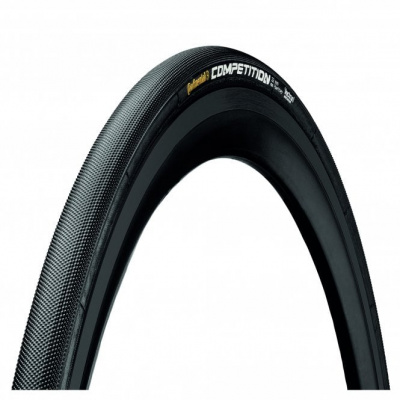
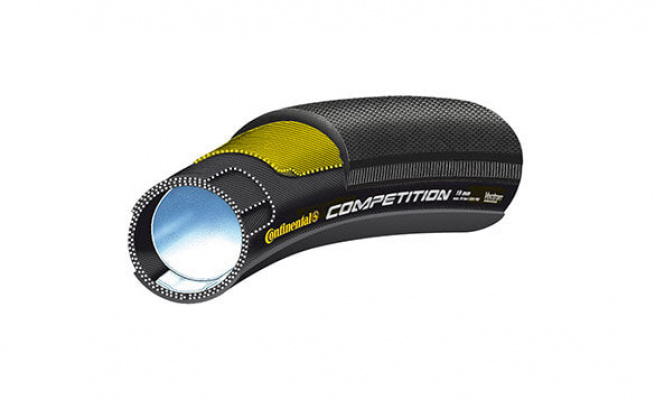
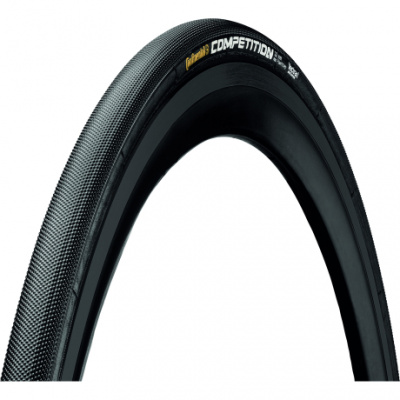
At the top sits the Competition. This is the Continental Competition tubular that you'll find on pro race wheels when margins actually matter. The higher TPI casing conforms more readily to the road surface, translating into noticeably lower rolling resistance at race speeds. Add the BlackChili Compound - Continental's proprietary tread mix that finds a genuine middle ground between grip, durability, and speed - and the Vectran Breaker beneath it, and you've got a tyre that performs on wet Welsh descents as convincingly as it does on a dry circuit. The Vectran Breaker is worth understanding properly: it's a synthetic high-tech fibre modelled on spider silk, offering serious tear resistance at a weight that won't blunt the casing's suppleness. For riders asking what the best Continental tubulars for racing actually deliver, the Competition is the honest answer.
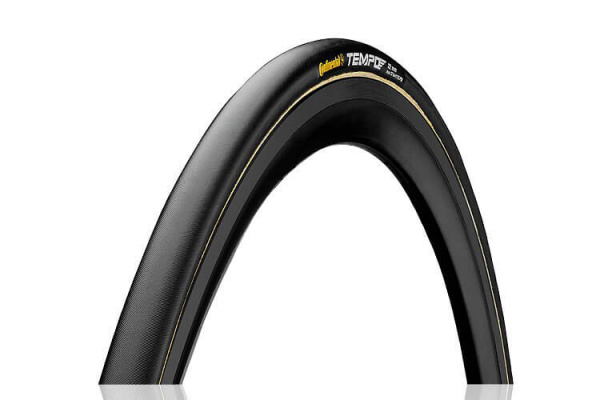
There's also the Podium TT for dedicated time trial use - a narrower, aerodynamically optimised casing designed to pair with the deep-section carbon rims that TT setups demand. If you spend your summers chasing PBs on out-and-back courses, it's worth a look alongside the Competition. Alternatives from Vittoria and Challenge occupy similar territory if you want a direct comparison, and Dugast goes further still for handmade cotton casing options - though at a significantly steeper price.
Running Tubulars on UK Roads
Pre-stretching is the step that separates a smooth installation from a sweary one. Mount your Continental tubular dry - no glue, no tape - onto a clean rim, inflate it fully, and leave it for 24 to 48 hours. The casing relaxes and opens up, meaning when you come to apply glue and mount it properly, it'll seat consistently and won't fight you. Skip this and you're making an already fiddly job harder than it needs to be. Worth the wait.
The Vectran Breaker handles the flint and glass debris that's endemic to UK B-roads well, but for winter riding or longer audax-style events where stopping to deal with a puncture isn't appealing, consider injecting a small volume of preventative latex sealant directly through the removable valve core. It won't make the tyre tubeless, but it adds a useful layer of self-sealing capability for small cuts and pinpricks. Not something you'd bother with for a circuit race, but sensible for longer road events where you're out of easy reach of a team car.
One practical point that often gets glossed over: if you do flat a tubular mid-race, you can ride it - carefully - to a stop without the tyre rolling off the rim, provided it's been glued correctly. That's a real safety advantage over a clincher blowout at speed. It won't save the tyre, but it keeps you upright. Keep a spare clincher wheelset for the commute and reserve the tubulars for when they're genuinely earning their keep on race day. If you're weighing up the full Continental road tyre picture beyond sew-ups, Tufo and Michelin both offer tubular alternatives worth comparing depending on your casing and compound priorities.
Continental Tubulars FAQs
What is the difference between Continental Sprinter and Competition tubulars?
The Sprinter uses a nylon casing with a standard compound - durable, capable, and well-suited to fast training and amateur road racing. The Competition steps up to a higher TPI casing for better road conformity, adds the BlackChili compound for improved grip and lower rolling resistance, and includes the Vectran Breaker for puncture protection. It's a meaningful performance jump, not just a marketing one.
Do Continental tubular tyres have removable valve cores?
Yes. Modern Continental tubulars use Presta valves with removable cores as standard. That makes it straightforward to fit valve extenders for deep-section carbon rims, or to inject a small amount of latex sealant into the tyre for added puncture protection - particularly useful for longer road events or winter riding.
How do you stretch a Continental tubular tyre before gluing?
Mount the tyre dry onto a clean rim - no glue or tape - then inflate it to maximum pressure and leave it for 24 to 48 hours. This lets the casing relax and expand so it seats evenly during the final glued installation. It makes the job noticeably easier and gives you a cleaner, more consistent result.