
Dugast Tubulars
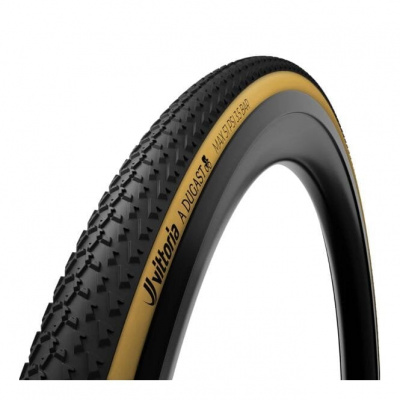
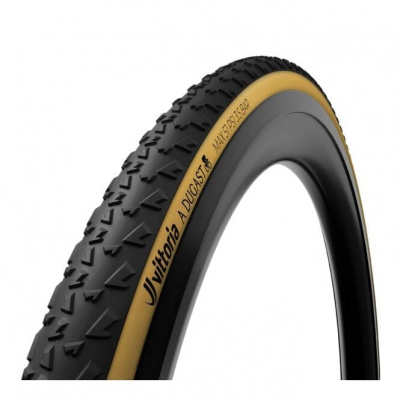
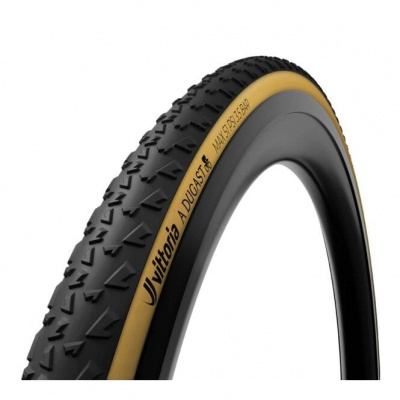
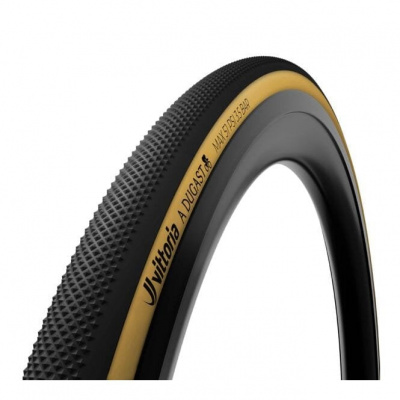
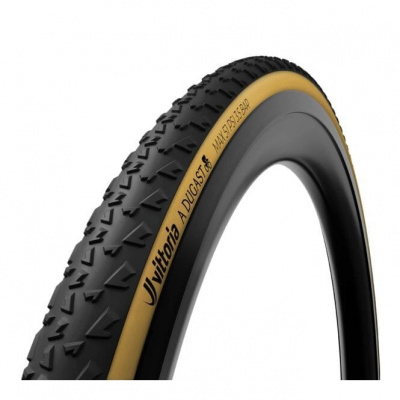
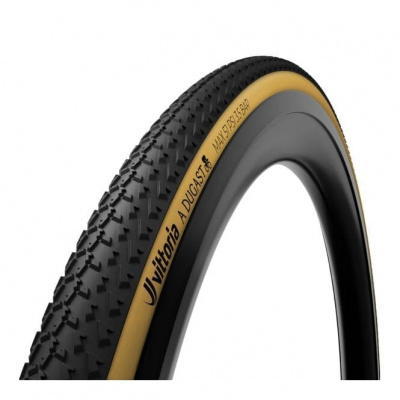
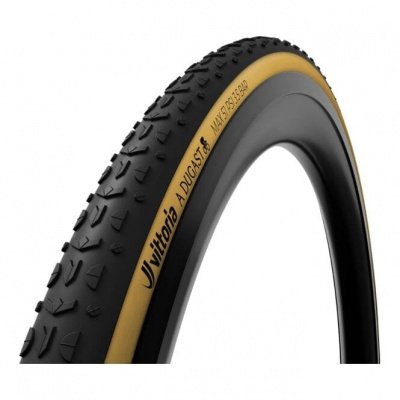
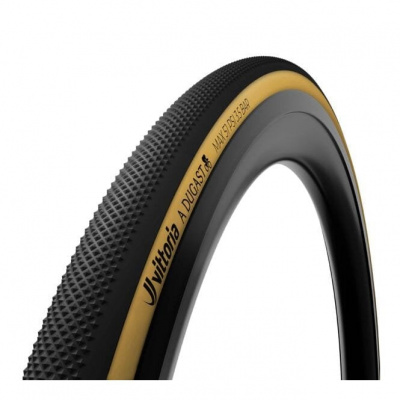
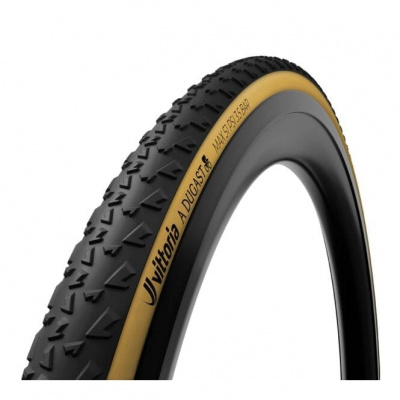
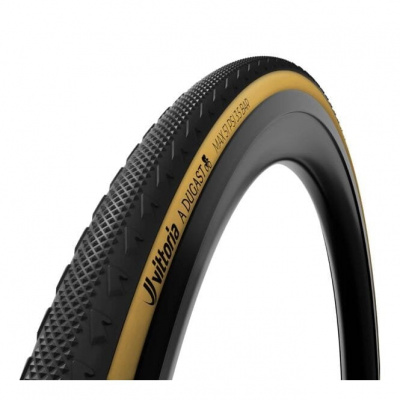
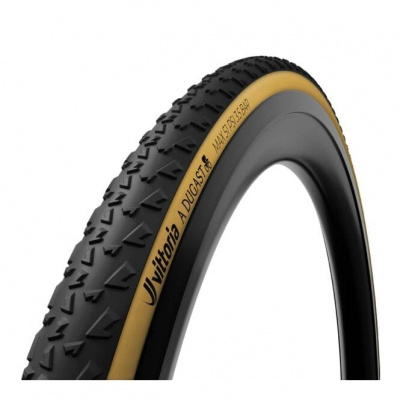
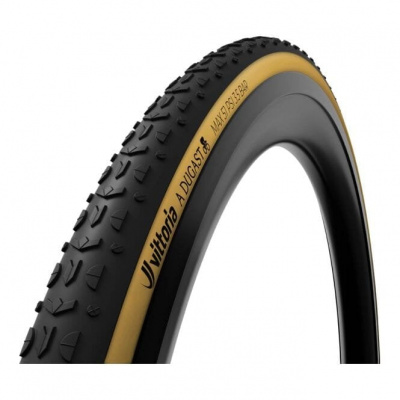
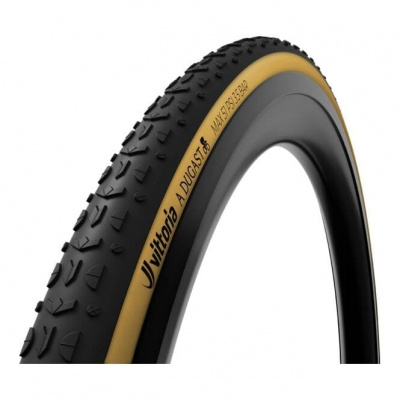
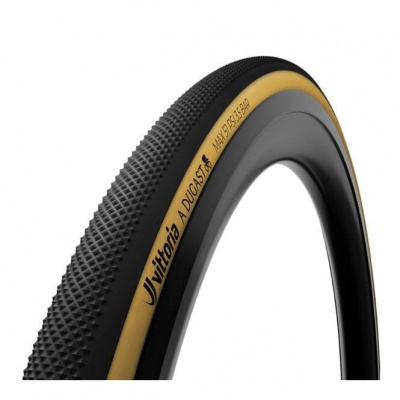
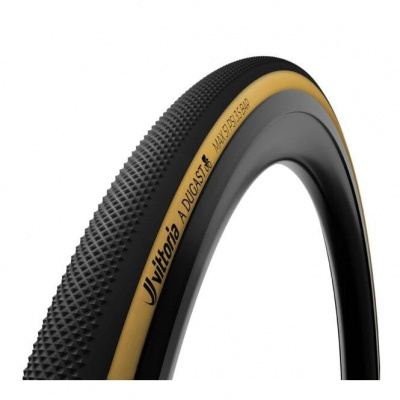
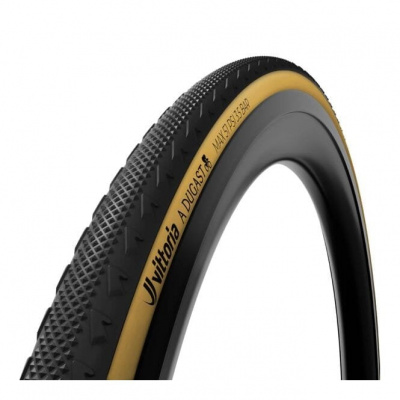
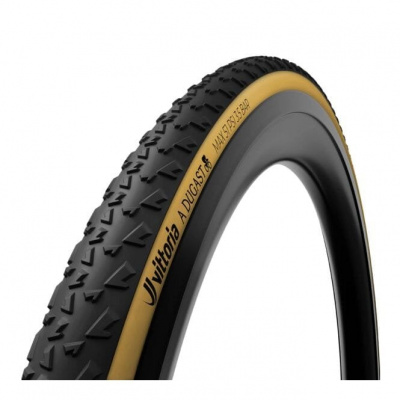
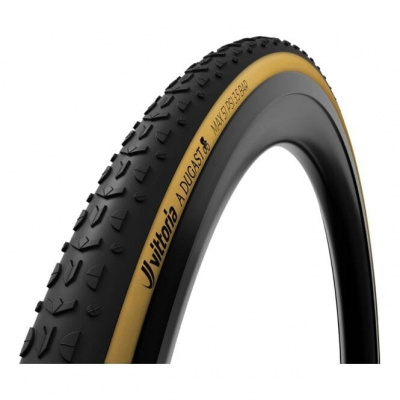
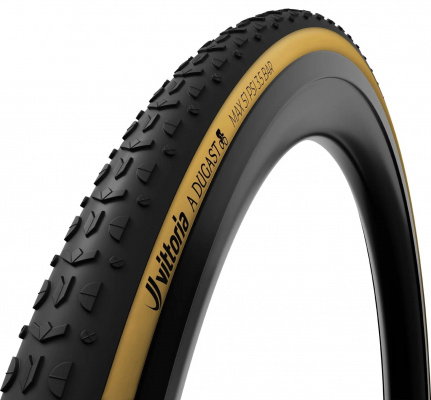
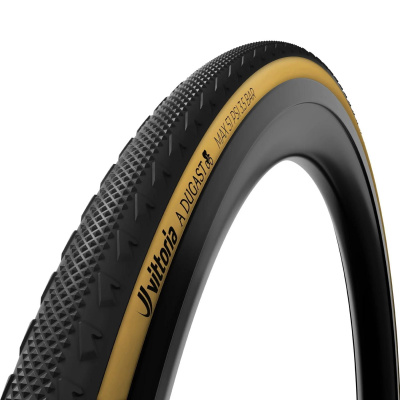
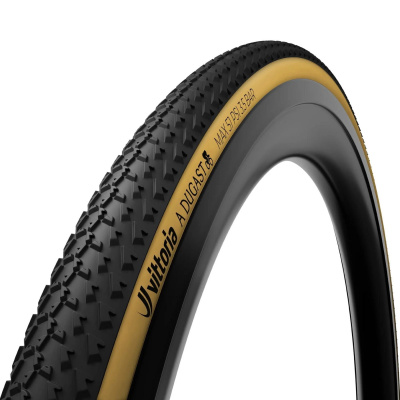
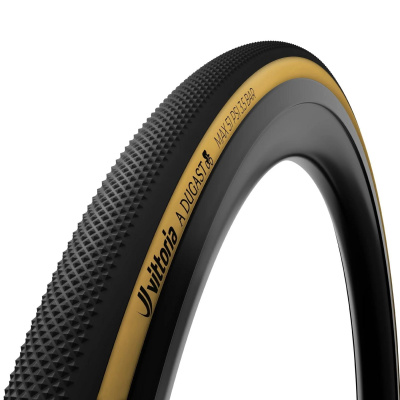
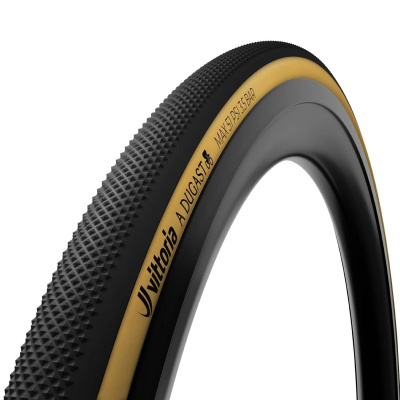
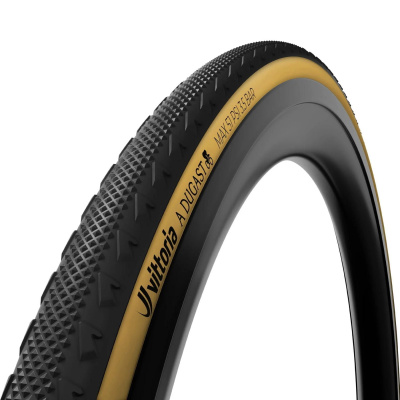
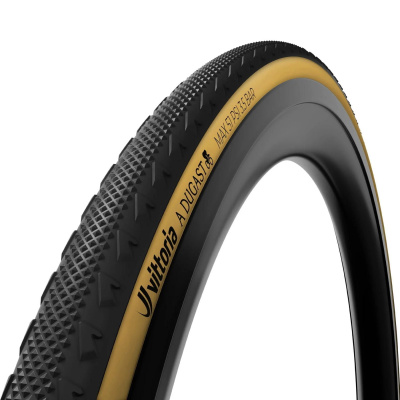
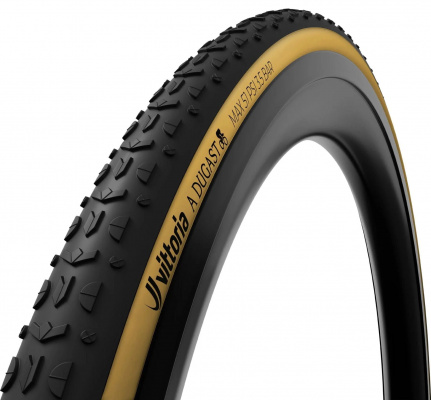
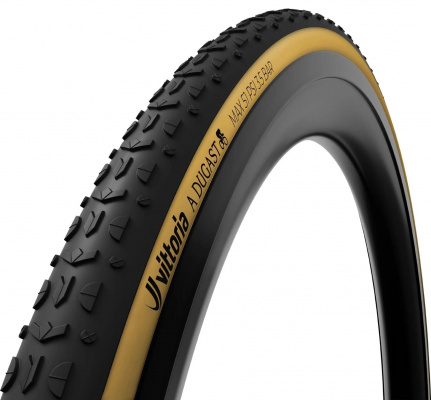
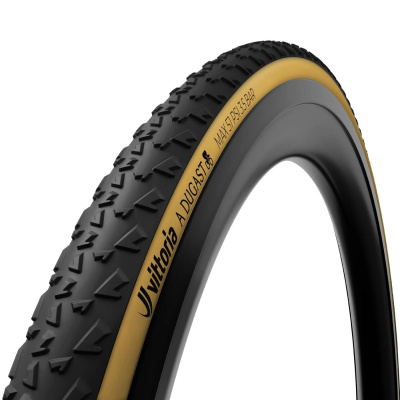
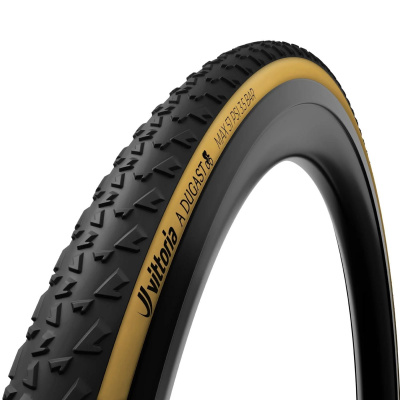
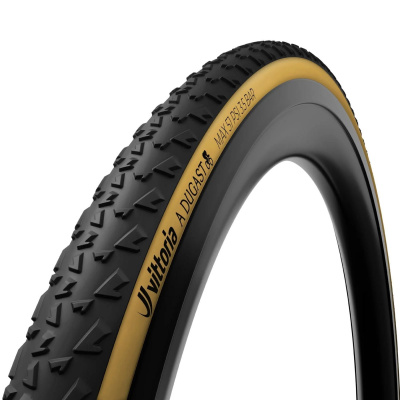
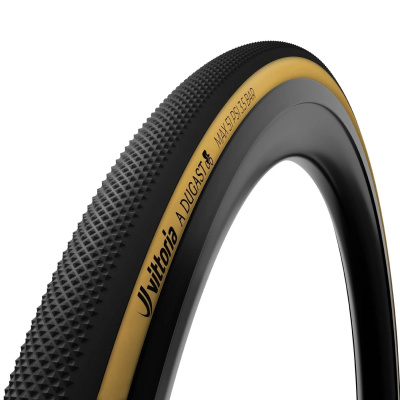
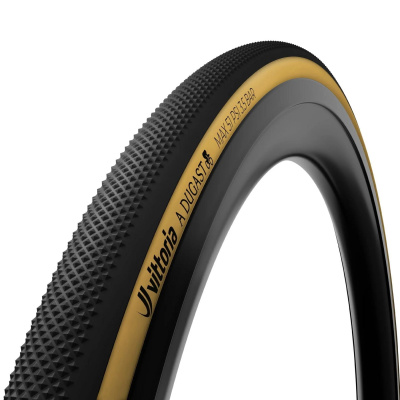
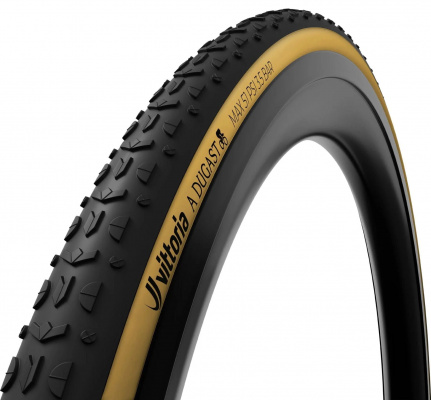
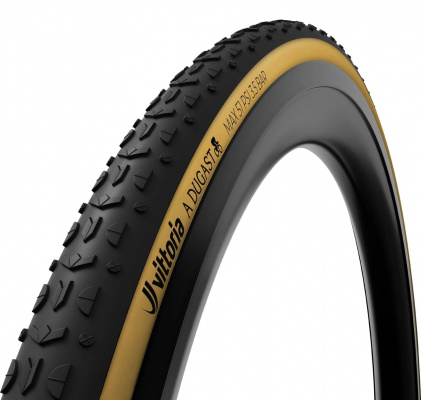
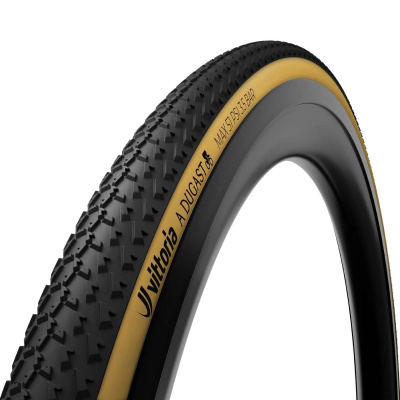
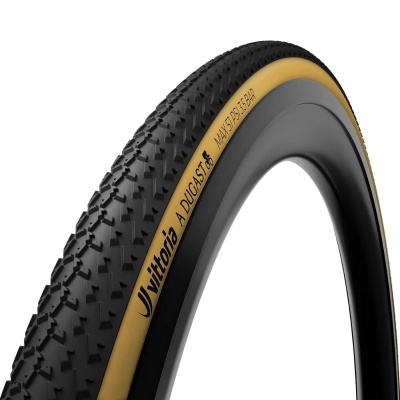
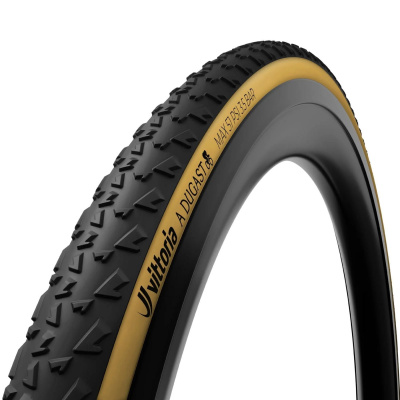
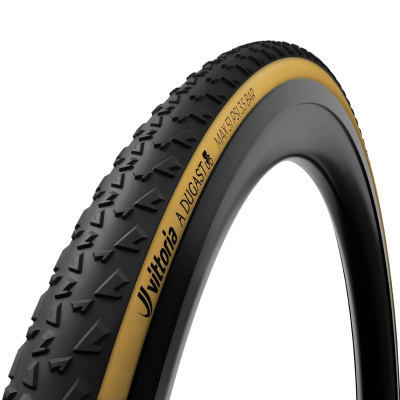
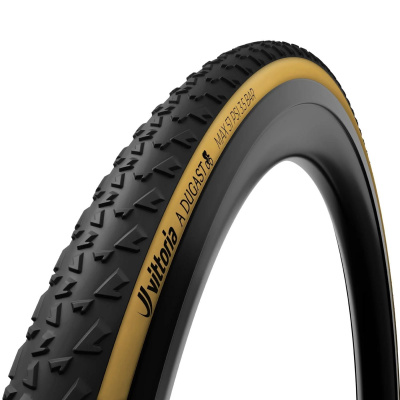
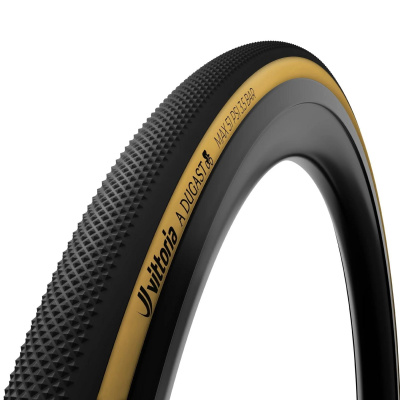
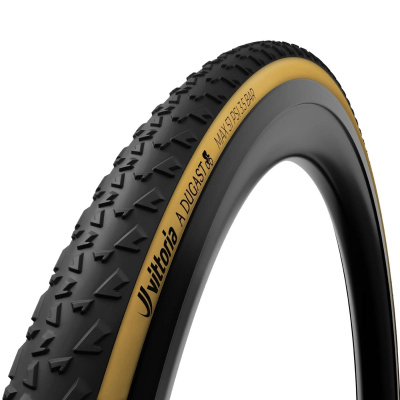
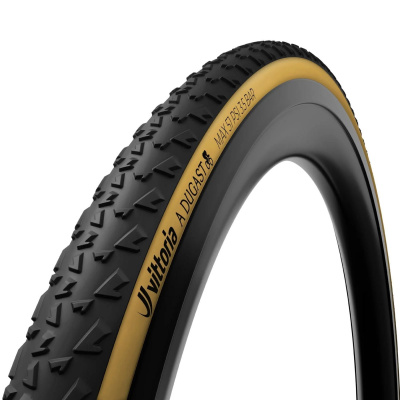
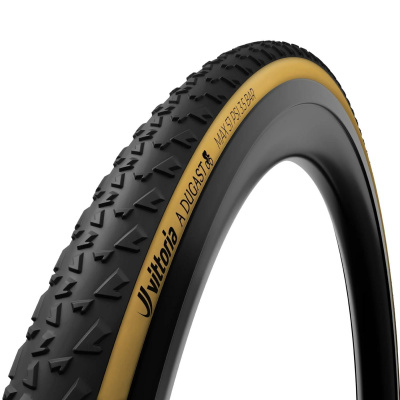
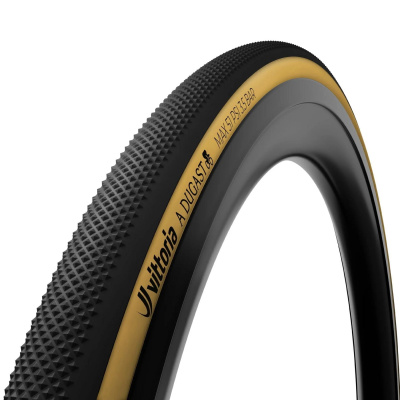
Dugast tubulars sit at the very top of the hand-built tyre world - the kind of thing mechanics in the pro peloton glue up the night before a race and track pursuers mount on carbon rims they treat better than their own bikes. Constructed from ultra-supple natural cotton or premium silk casings, each tyre is built by hand and fitted with a seamless latex inner tube. That combination does two things exceptionally well: it drops rolling resistance to a level that butyl-tubed tyres simply can't match, and it lets the casing conform to the road surface with a sensitivity that genuinely changes how a bike feels underfoot.
For UK riders, the case is straightforward if you're serious about performance. Whether you're building up a track machine for the velodrome, putting together a fast road racing wheelset, or chasing every watt on a criterium circuit, Dugast offers casings and compounds to match. The trade-off is real, though - these are high-maintenance tyres that demand proper gluing, regular pressure checks, and a bit of care in wet British conditions. Get that side right and you're running some of the fastest rubber available anywhere. That's not marketing; it's why the pros keep coming back to them.
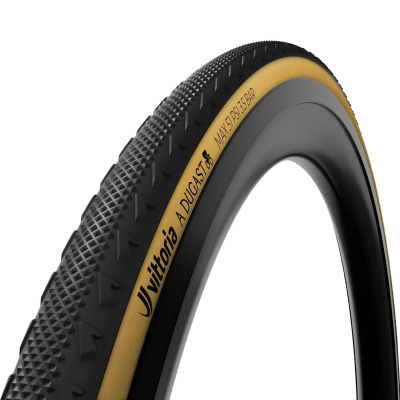
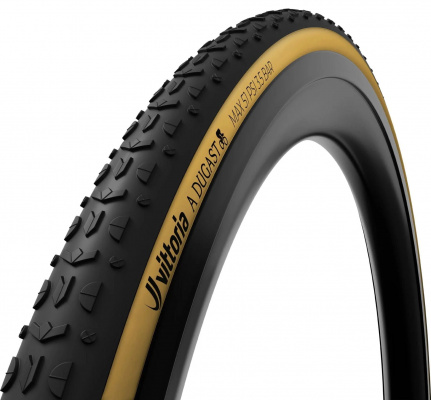
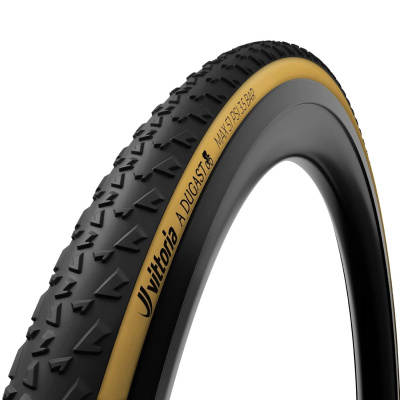
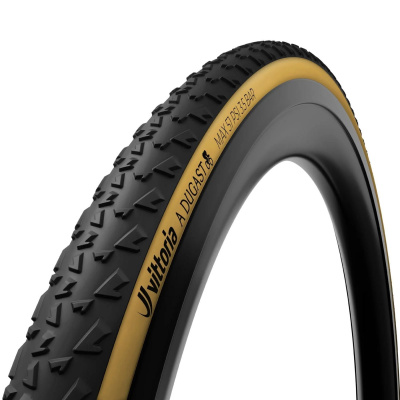
Prices and availability can change quickly. Delivery charges are not always included in listed prices.
Final price, stock status and delivery terms are set by retailer. We may receive a commission on purchases made.
Mounting Requirements and Rim Compatibility
Dugast tubulars are designed to be glued, and that shapes everything about how you set them up. Rim bed profile matters more than most riders expect - a shallow, flat bed gives the base tape full contact across its width, while a more rounded or concave profile can leave the edges unsupported, which affects both adhesion and how the tyre tracks at speed. Match the base tape width to your rim bed as closely as you can; Dugast's cotton base tapes are relatively wide, which is part of why they bond so well on traditional tubular rims.
If you're running deep-section carbon wheels - and on a velodrome or fast road circuit, you likely are - check your valve core length before you order. A standard valve often won't reach through a 60mm or deeper rim without an extension, and fitting one after gluing is the kind of faff nobody needs at 6am before a race. For high-performance cotton base tapes specifically, traditional tubular cement (mastic) remains the mechanic's choice over double-sided tape. Tape is convenient, but mastic cures into a more compliant bond that keeps rolling resistance lower and, crucially, holds under the heat and lateral loads of hard cornering. It's slower and messier, but on a Dugast, cutting corners on the gluing process defeats the point entirely.
Silk vs. Cotton - and Where the Flying Doctor Fits
Dugast's range splits cleanly into two casing families, and choosing between them comes down to what you're optimising for. Cotton casings are the foundation - hand-glued natural cotton that's been the benchmark for supple, responsive tubular construction for decades. They're light, they feel alive under you, and they offer rolling resistance figures that make a strong argument for the extra faff involved in running tubulars at all.
Silk casings go further. Lighter than cotton, stronger for the weight, and more supple in the way they deform and recover over road imperfections - silk is what you'd spec for a track pursuit, a time trial, or any application where every gram and every fraction of a watt matters. The Flying Doctor casing is a different proposition. It adds a reinforcing layer built into the cotton structure, stiffening the sidewall deliberately. That might sound counterintuitive given how much Dugast's reputation rests on suppleness, but for riders running aggressive cornering speeds at very low pressures, a slightly stiffer sidewall prevents the tyre from folding mid-corner. It's the casing for riders who know exactly what they need, not a compromise for those unsure which way to go. Both Vittoria tubulars and Challenge tubulars offer comparable casing hierarchies, but Dugast's hand-built process keeps tolerances tighter than most machine-made alternatives.
Looking for mud-shedding cyclocross treads like the Rhino, Typhoon, or Pipisquallo? Head over to our dedicated Dugast Gravel and Cyclocross Tyres page for the full off-road lineup.
Running Dugast in the UK - What Actually Needs Doing
British roads are not kind to premium tubulars. Wet tarmac, grit, and the kind of persistent damp that lingers from October through April all create specific challenges for cotton-cased tyres. The core issue is this: untreated cotton sidewalls absorb moisture and, over time, rot. It's not a rapid failure - more a gradual weakening that shows up as small cuts that wouldn't have opened on a sealed sidewall. Traditional Dugast cotton tubulars need a coat of Aquasure brushed onto the sidewalls before they go anywhere near a wet UK road. Two thin coats, let each one cure fully. It takes twenty minutes and it extends the life of the tyre considerably.
Newer Dugast models feature a factory-applied Neoprene protective coating that addresses exactly this problem without any work on your part. If you're buying new, check whether the model you're looking at includes the Neoprene treatment - it's increasingly standard, but not universal across the range. The Continental tubular range uses different casing constructions that are inherently more weather-resistant, which is worth knowing if low-maintenance durability is your priority over maximum suppleness.
Storage is another thing most riders get wrong. Tubulars left flat in a bag degrade faster than those stored inflated on spare rims. If you've got old rims kicking around, mount your spare tubulars on them, pump them to around 60psi, and keep them somewhere dark, dry, and away from direct heat. That process - essentially ageing the rubber - improves cut resistance, which is genuinely useful on abrasive UK tarmac. It also means your spares are already stretched to the rim profile and will glue down more accurately when you need them. Cold weather affects glue adhesion too: if temperatures are dropping below five degrees, allow extra curing time after gluing before you ride. Mastic that's rushed in cold conditions can shift under load. Michelin tubulars and Tufo tubulars use different bonding constructions, so if winter riding is your main use case, it's worth comparing how each handles the cold before committing.
Latex tubes lose pressure overnight. That's not a defect - it's the nature of latex, and it's the same porosity that gives the tube its suppleness and low rolling resistance. Check and inflate before every single ride, no exceptions. It takes thirty seconds and it's non-negotiable with any latex-tubed tyre, Dugast or otherwise.
Dugast Tubulars FAQs
Do I need to seal Dugast tubular sidewalls?
On traditional Dugast cotton tubulars, yes - unsealed cotton sidewalls absorb moisture and weaken over time in wet UK conditions. Two thin coats of Aquasure does the job. That said, newer Dugast models come with a factory Neoprene coating already applied, so check whether your specific model includes it before breaking out the brush.
Why do Dugast tubulars lose air so quickly?
Dugast tubulars use seamless latex inner tubes, which are naturally porous - air molecules pass through the rubber slowly but continuously. It's the same property that gives latex its superior rolling resistance and feel. Check and inflate before every ride; expecting a latex tube to hold pressure overnight like a butyl tube will only lead to disappointment on a cold Sunday morning.
What is the Dugast Flying Doctor casing?
The Flying Doctor is a reinforced cotton casing with an additional protective layer that stiffens the sidewall. The point is cornering stability at very low pressures - without reinforcement, an ultra-supple casing can fold or squirm under aggressive lateral loads. It's aimed at racers who run low pressures for grip and need the sidewall to hold its shape mid-corner rather than deform unpredictably.