
Dugast Gravel And Cyclocross Tyres
Dugast gravel and cyclocross tyres sit at the top of the handmade tyre world, and if you've ever watched a CX World Championship, you've already seen them in action. Built in the Netherlands by a small team of specialists, every Dugast is constructed around natural cotton and silk casings that behave in a way no moulded tyre can quite replicate. The casing deforms as you corner or roll over roots, conforming to the surface rather than skidding across it. That's not marketing language - it's physics, and it's why elite riders keep coming back.
For UK riders, the case is particularly compelling. British winters serve up heavy clay mud, relentless rain, and flint-strewn gravel paths that punish tyres without the right combination of grip and casing flex. Dugast's range addresses all of that, from aggressive mud-specific spikes to fast-rolling hardpack options. This page covers Dugast's clincher and Tubeless Ready (TLR) options. If you're after their world-famous glue-on race rubber, head over to our dedicated Dugast Tubulars page instead. Otherwise, read on - there's a lot to consider before you pick your tread.
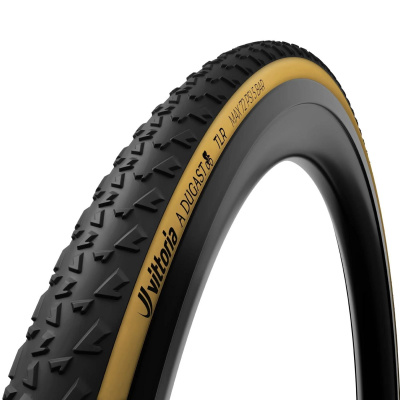
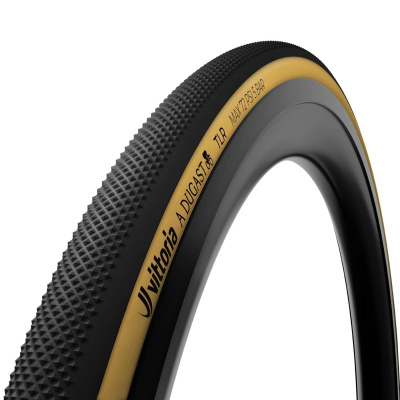
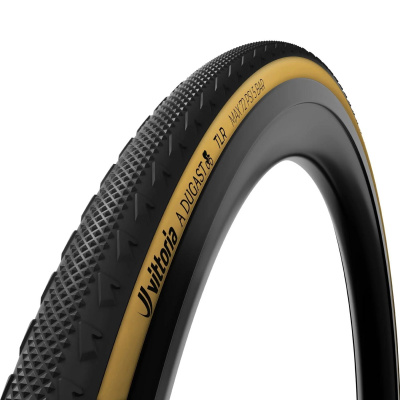
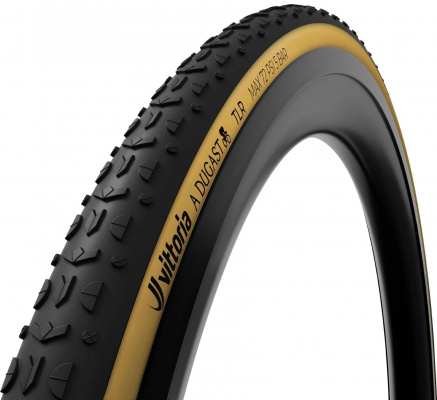
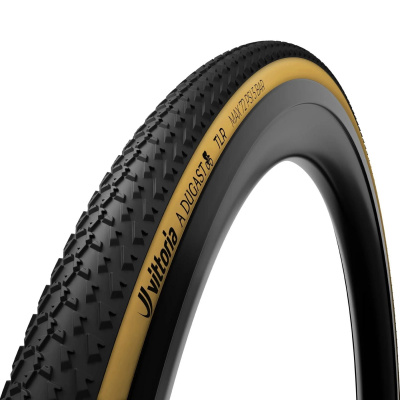
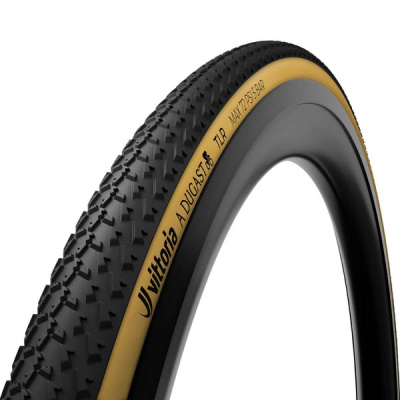
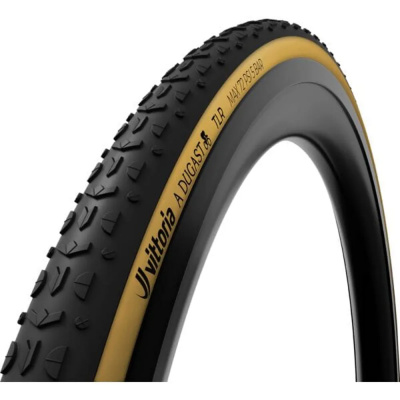
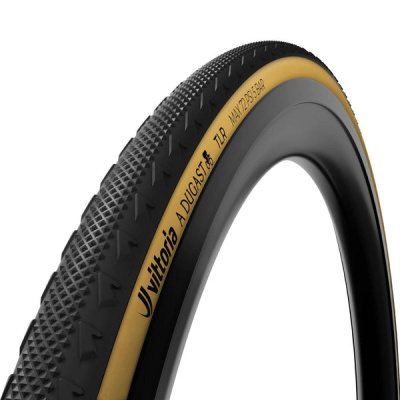
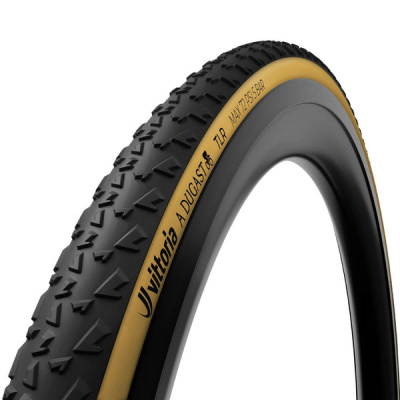
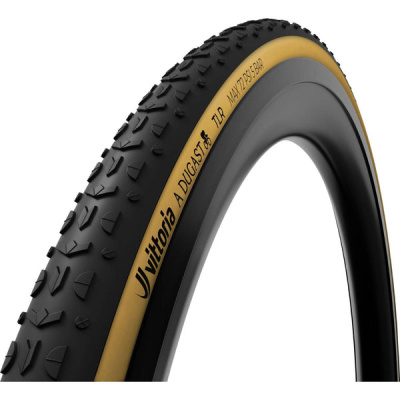
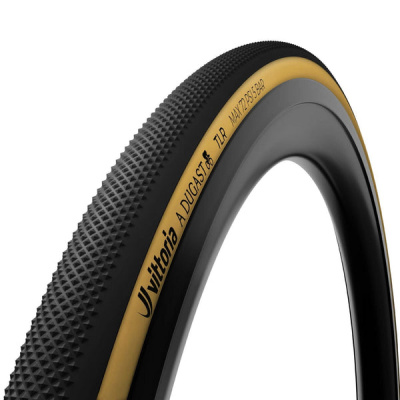
Prices and availability can change quickly. Delivery charges are not always included in listed prices.
Final price, stock status and delivery terms are set by retailer. We may receive a commission on purchases made.
TLR vs. Tubular, Rim Compatibility, and the UCI 33mm Rule
The first thing to sort out is which tyre format suits your setup. Dugast's Tubeless Ready clinchers are designed to mount on standard hookless and hooked rims with internal widths of roughly 19 - 25mm, covering most modern gravel and CX-specific wheelsets without drama. Run them with a latex inner tube if you're not confident your rim bed is sealed properly - latex compresses more uniformly than butyl and suits the suppleness of a cotton casing rather well.
The tubular range remains the preferred choice for sanctioned racing, partly because of how the tyre bonds to the rim and partly because you can run genuinely low pressures without risking a roll. Speaking of racing: if you're competing in UCI-sanctioned cyclocross events, you need to know that the maximum tyre width is 33mm. Dugast's CX-specific models are engineered to that limit, so you're not leaving any legal width on the table. Step across to gravel, though, and the rules disappear - Dugast produces options at 38mm and beyond, giving you the volume you need for a loaded ride across the South Downs or a rough autumn gravel loop through the Dales.
One practical note: the natural fiber casings are more sensitive to improper mounting than a standard clincher. Take your time seating the bead evenly, and don't rush the inflation. A few extra minutes in the garage saves a ruined sidewall.
Reading the Tread: Rhino, Typhoon, Pipisquallo and Beyond
Dugast's model names might sound esoteric but they map directly to conditions, and once you know the hierarchy, picking the right tyre becomes straightforward.
The Rhino is the one to reach for when the course or trail is properly grim. Tall, widely spaced spikes cut into heavy, sticky clay mud and eject it before it builds into a clogging mass around your tyre. If you're lining up at a wet Welsh 'cross race or heading out on a December morning ride where the bridleways have turned to porridge, the Rhino is doing the job nothing else can. Challenge tyres make capable mud options too, but few match the spike geometry Dugast have refined over decades of race use.
The Typhoon sits in the middle ground - a mixed tread that handles grass, light mud, and compacted dirt with equal composure. It's the tyre you'd fit for a typical UK autumn race where the course starts firm and gets progressively cut up, or for gravel rides where the surface shifts between loose grit and damp hardpack within the same loop. Think of it as the tyre that covers you when you genuinely don't know what you're rolling into.
At the fast end of the range, the Pipisquallo and Pipistrello are designed for sandy, dry, or hardpack conditions where rolling resistance matters more than mud clearance. Their lower-profile tread lets the casing do more of the grip work, which is where Dugast's cotton and silk construction really shows its advantage over a stiffer rival. Vittoria's gravel and CX range competes in this faster-rolling space, but the partnership between the two brands - which brought Vittoria's 11Storm rubber compound into Dugast's construction - means the tread compounds now share genuine racing pedigree.
On the casing choice: standard cotton casings offer superb compliance at a slightly lower price point, while silk casings take the TPI count higher still, producing a noticeably more sensitive, fluid feel underfoot. The difference is real, though whether it translates to lap time gains depends on your riding level. For most club-level riders, cotton is the practical call. For elite competition, silk is worth the premium.
Keeping Cotton Alive in UK Conditions
This is where a lot of riders come unstuck. Natural fiber casings are genuinely superior for performance, but they demand more attention than a standard synthetic tyre - especially in the UK, where wet conditions aren't seasonal, they're just weather.
Untreated cotton will absorb water over time, and repeated soaking followed by drying cycles can lead to fiber degradation and, eventually, rot. The good news is that most current Dugast tyres leave the factory with a neoprene coating applied directly to the sidewall fibers. That layer acts as a barrier against water ingress and grit abrasion, and for many riders it's sufficient protection without any additional work. Check the specific model you're buying - some older stock or specialist builds may not include it.
If you're working with an uncoated sidewall, apply a polyurethane sealant such as Aquasure along the cotton. Thin coats, fully dried between applications, work better than one thick layer. It's a faff, but it extends tyre life significantly and stops that hollow feeling when you realise the sidewall has started to soften mid-season. For tubeless setups, use a latex-compatible sealant like Aquasure internally rather than anything silicone-based, which can degrade natural fibers from the inside out.
Pressure is the other variable to manage carefully. The supple casing is an asset at low pressures, but flint on UK gravel paths is sharp enough to pinch a sidewall against the rim if you drop too low. A general guide: run no lower than 28 - 30psi on rough gravel with a cotton TLR tyre, and inspect your sidewalls after every few rides for small cuts that can be sealed before they open further. Michelin's gravel tyres use tougher synthetic casings that tolerate pressure abuse more readily - worth noting if your rides regularly take you across sharp limestone or chalk downland where pinching is a genuine risk.
Store your Dugasts away from UV light and heat when they're off the bike. A cotton casing left on a sunlit shelf dries and becomes brittle faster than you'd expect. A cool, dark corner of the garage, loosely coiled, keeps them supple between seasons.
Dugast Gravel And Cyclocross Tyres FAQs
Are Dugast tyres worth the money for cyclocross?
For serious racing, yes. The hand-built cotton and silk casings conform to the ground in a way that stiffer vulcanised tyres can't match, giving you genuine grip at low pressures in mud and corners. The difference is most obvious in wet, technical conditions - which describes most UK 'cross racing from October onwards. At club level, the performance gain is real but the maintenance commitment is higher than a standard tyre.
What is the difference between the Dugast Rhino and Typhoon?
The Rhino runs tall, widely spaced spikes built specifically for shedding heavy, sticky mud - it's the tyre for properly bad days. The Typhoon uses a mixed tread designed for grass, dirt, and light mud, making it the more versatile option when conditions are variable. Most UK riders end up with both and swap based on the forecast.
How do you protect Dugast cotton sidewalls from water damage?
Many current models come with a factory-applied neoprene coating that handles this straight out of the box. If yours don't have it, apply a polyurethane sealant like Aquasure to the sidewalls in thin, dried layers. Check each ride for small cuts and seal them early - a five-minute inspection after a muddy session saves you from a much bigger problem later.