
Michelin Gravel And Cyclocross Tyres
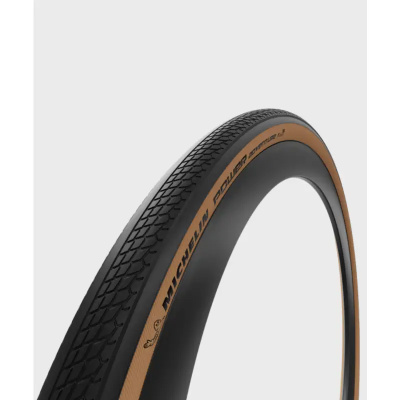
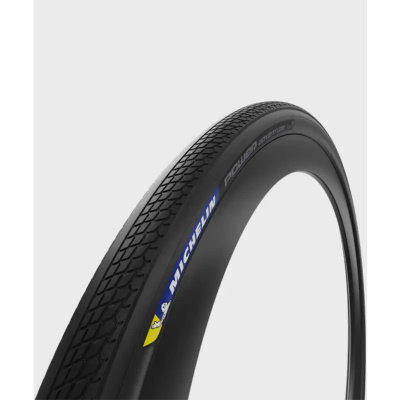
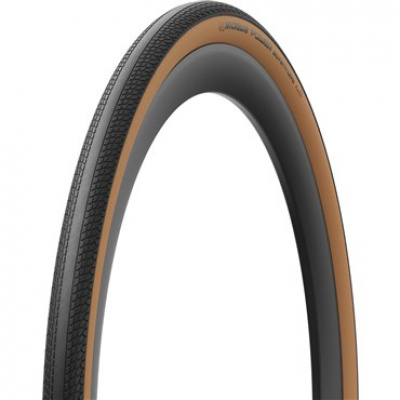
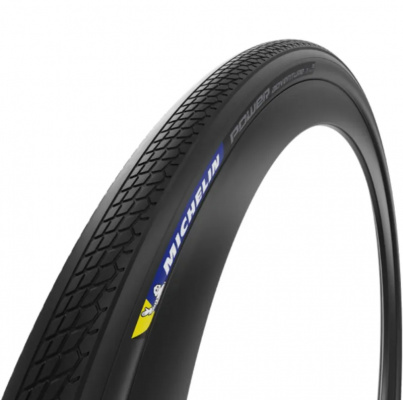
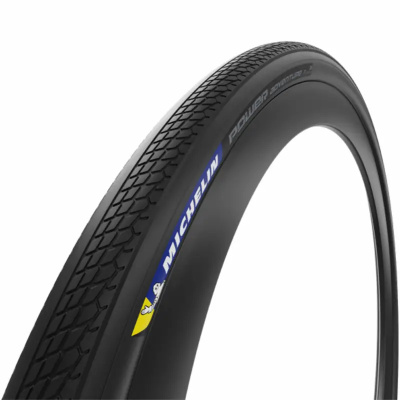
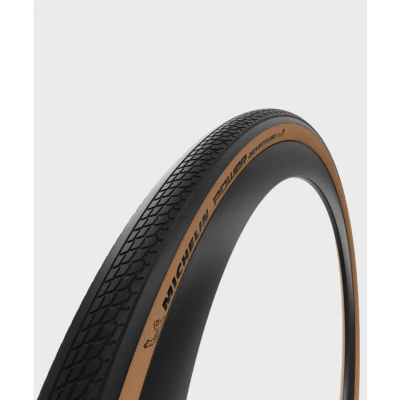
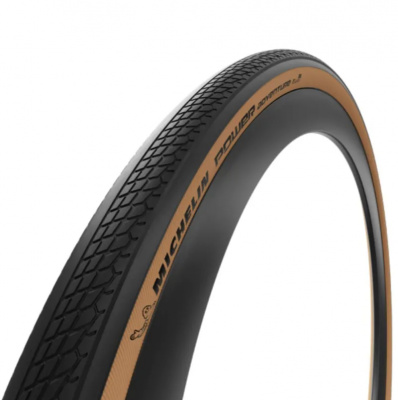
Michelin Gravel and Cyclocross Tyres bring serious rubber science to the drop-bar world - and on the flinty bridleways, sodden CX courses, and mixed-surface lanes that define UK riding, that matters. Michelin's motorsport and MTB pedigree feeds directly into two key technologies here: the Magi-X compound, an advanced rubber formulation engineered for grip in cold and wet conditions without sacrificing durability, and Bead 2 Bead Protek, a high-density cross-laid reinforcement that guards the entire casing, not just the crown, against slashes and pinch flats.
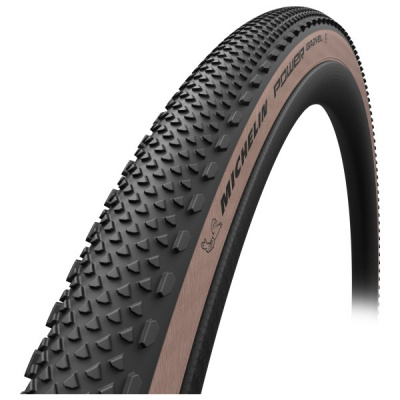
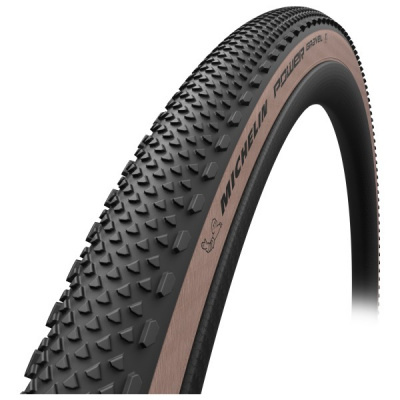
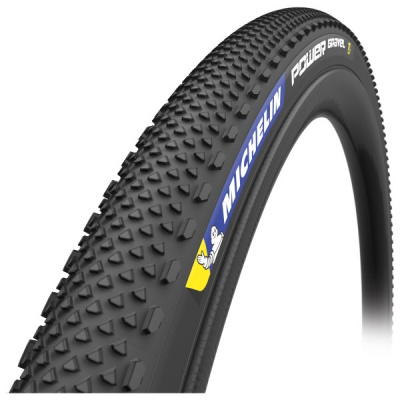
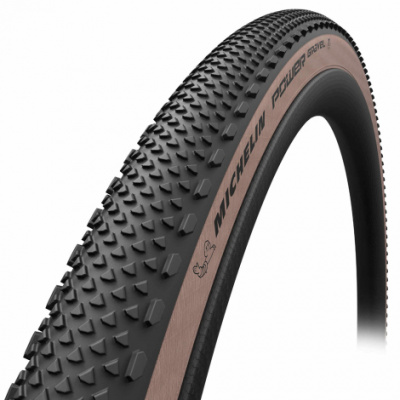
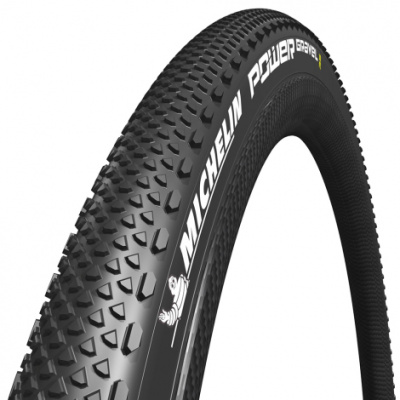
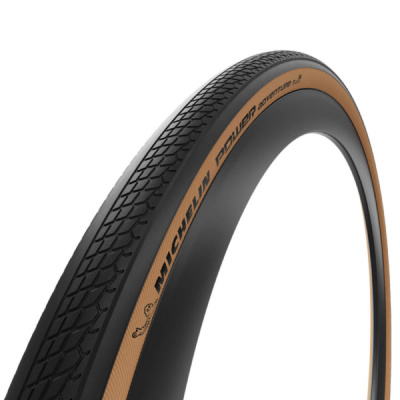
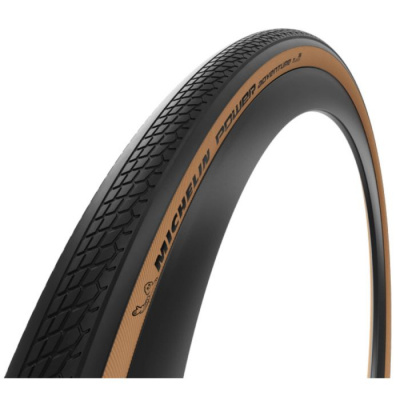
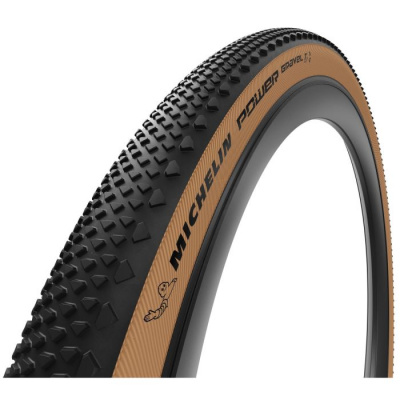
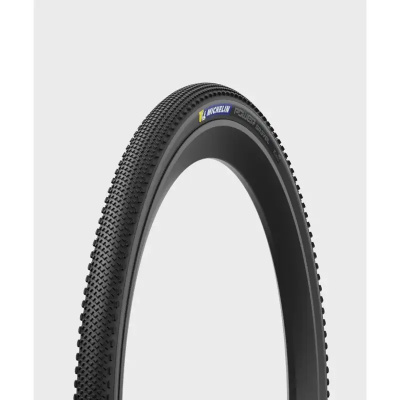
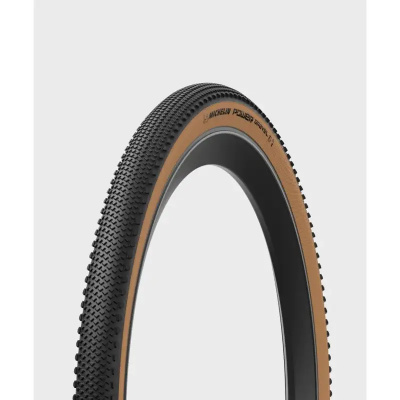
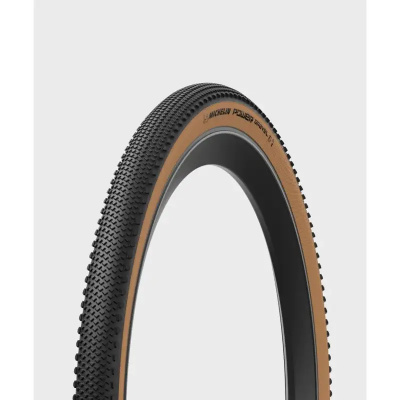
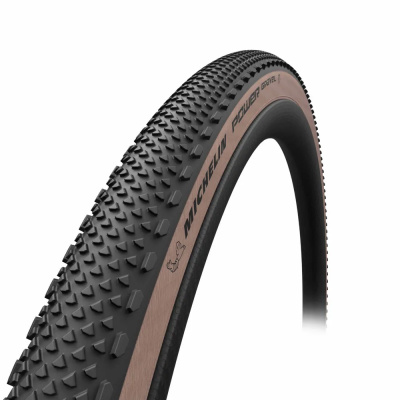
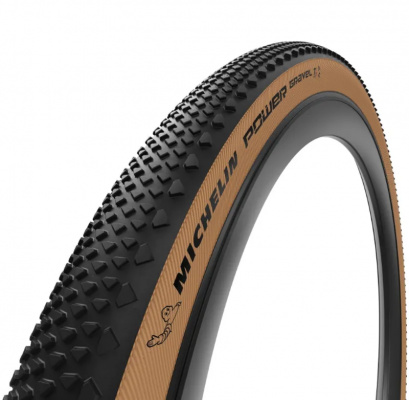
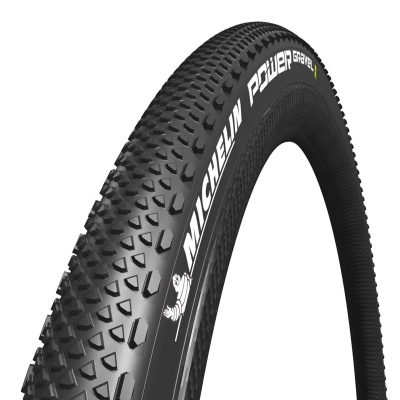
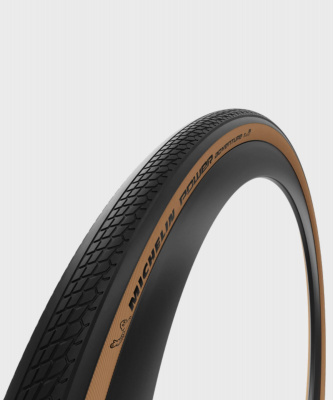
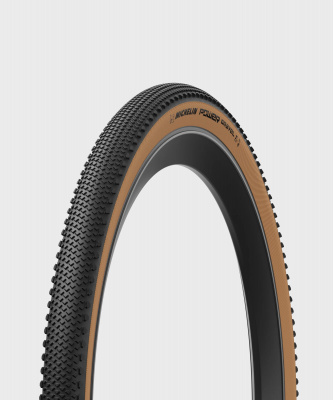
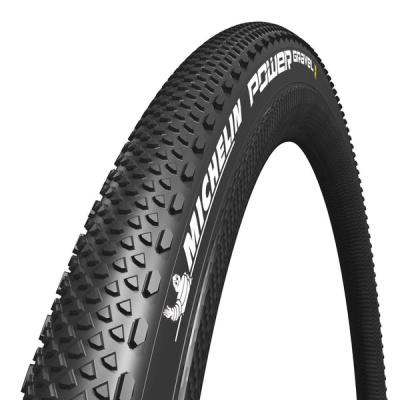
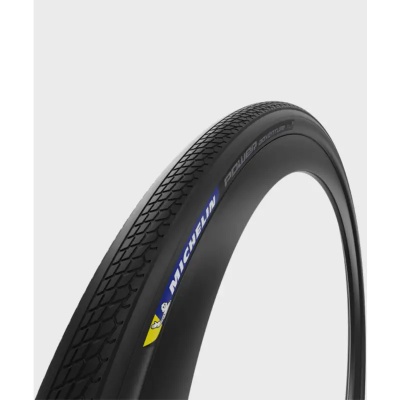
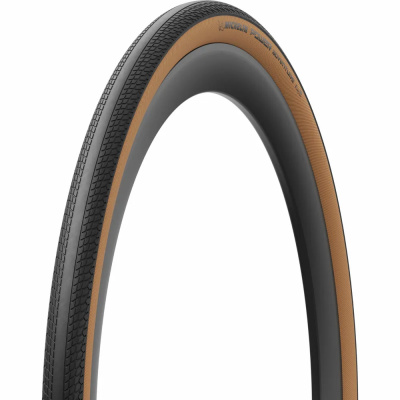
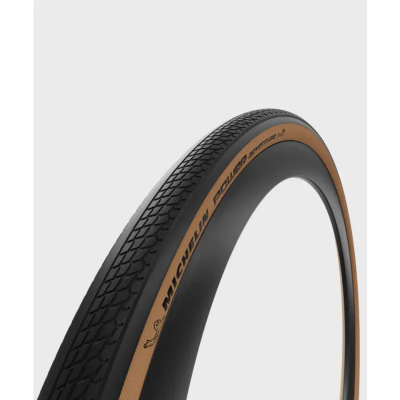
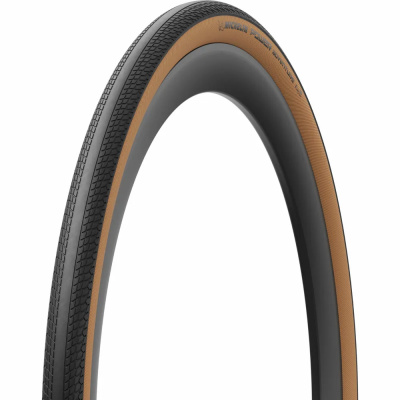
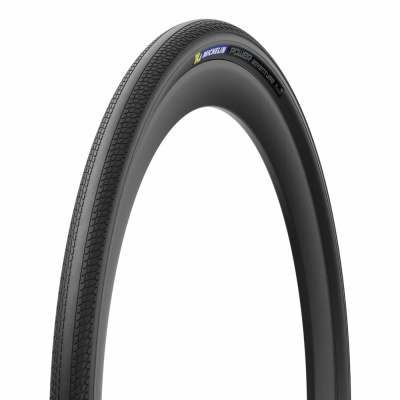
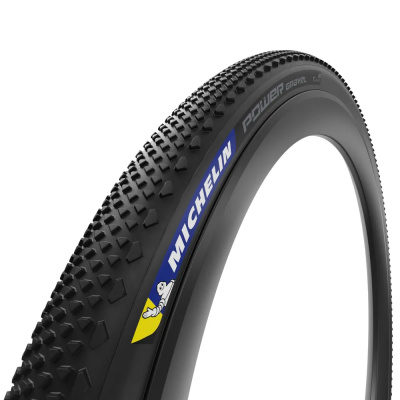
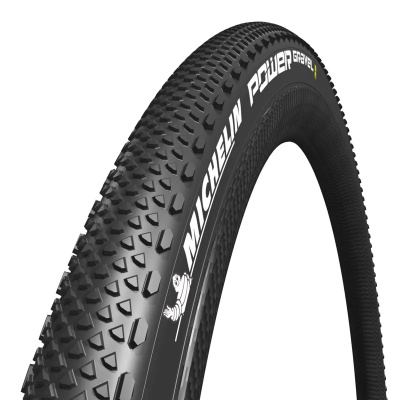
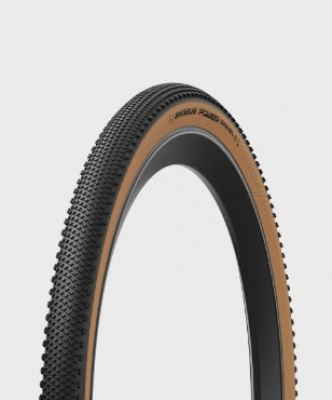
The range splits cleanly between gravel and cyclocross duties. The Power Gravel handles long days on mixed surfaces - gravel tracks, doubletrack, the odd tarmac link-up - while the CX-specific options are built around the demands of racing: either shedding thick winter mud or rolling fast on drier, harder ground. All the key models in this range are Tubeless Ready (TLR), meaning you can drop pressures, run sealant, and let the Magi-X compound do its best work against wet roots and loose corners.
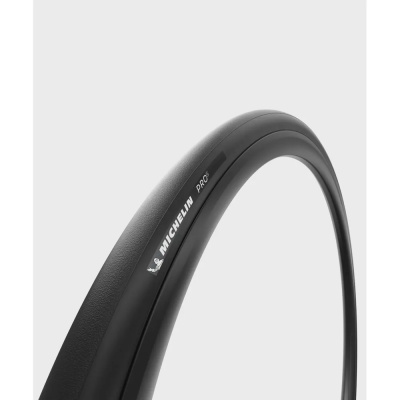
Use the comparison tool below to check current UK prices across the full Michelin gravel and cyclocross tyre range and find the right tread for your next ride.
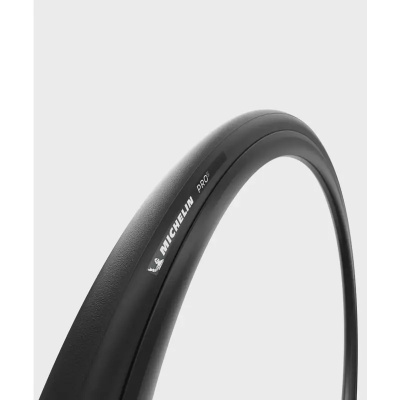
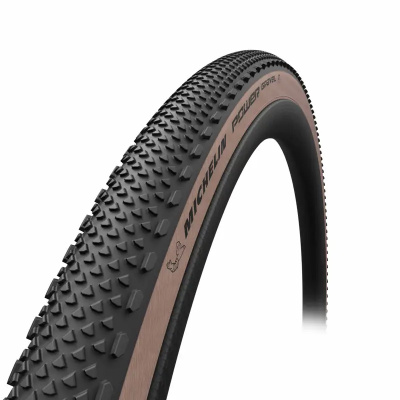
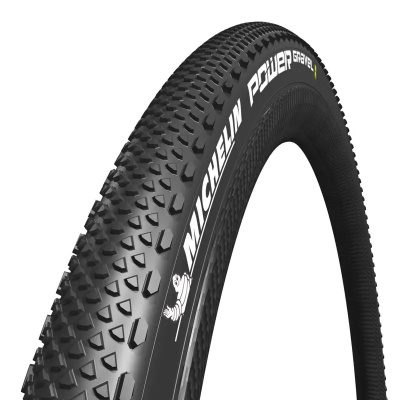
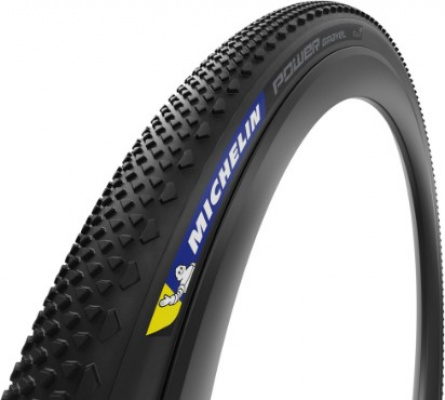
Prices and availability can change quickly. Delivery charges are not always included in listed prices.
Final price, stock status and delivery terms are set by retailer. We may receive a commission on purchases made.
Will They Fit? Sizing, Standards, and Tubeless Setup
Before anything else, check your tyre clearance. The Michelin CX tyres 33mm width ceiling is there for a reason - UCI regulations cap cyclocross race tyres at 33mm, and Michelin's CX lineup is designed to sit right at that limit. If you're racing a sanctioned league, that's your maximum. For gravel bikes with more generous clearances, the Power Gravel runs wider and fits most modern frames without issue, but always measure your frame's stated clearance and add a few millimetres of breathing room for mud buildup.
Tubeless Ready (TLR) setup requires a bit of prep. You need tubeless-compatible rims, airtight rim tape (double up on wider rims if in doubt), tubeless valves, and a quality liquid sealant. The TLR bead design on Michelin's gravel and CX tyres seats reliably with a track pump on most rims, though a blast from a compressor or a CO2 cartridge helps on tighter fits. Get the bead seated evenly before you start inflating - uneven seating is the main reason for a sealant blow-out on first setup.
On hookless compatible rim setups, a firm warning: not all Michelin gravel tyres are cleared for hookless (TSS) rims, so check the sidewall markings on the specific tyre you're buying. If the tyre is hookless-compatible, you must stay within the 72.5 psi (5 bar) maximum pressure limit that hookless systems require. Exceeding that on a hookless rim risks catastrophic bead failure. When in doubt, check your rim manufacturer's published tyre compatibility list before fitting.
Power Gravel, CX Mud, CX Jet - Which One Do You Actually Need?
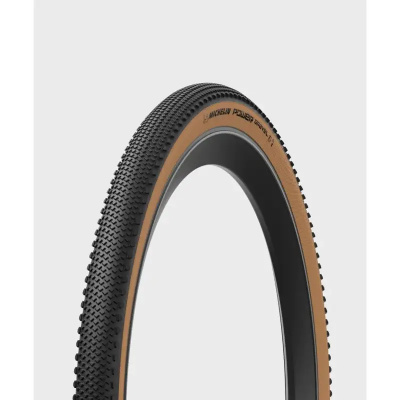
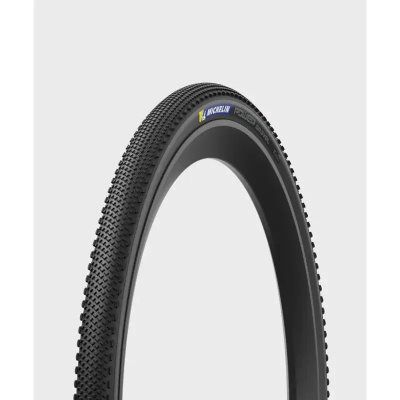
The Power Gravel is the workhorse. Wider volume, a versatile tread pattern that handles packed gravel, loose chippings, wet bridleways, and short tarmac sections without feeling compromised on any of them. If you're bikepacking across the South Downs, riding mixed-surface audaxes, or just commuting on unpaved lanes through winter, this is the one. Rolling resistance is well-managed for its tread depth - it doesn't drag like a full mud tyre on firmer ground.
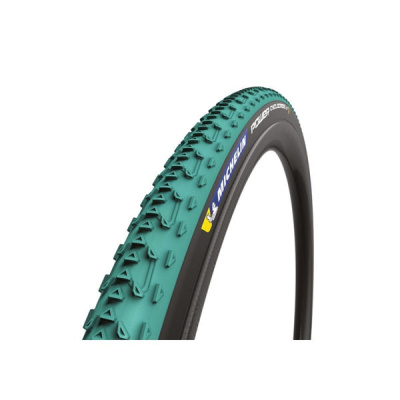
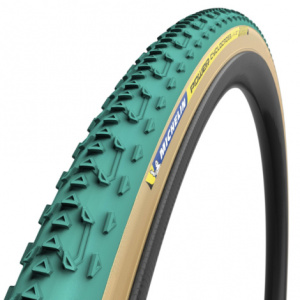
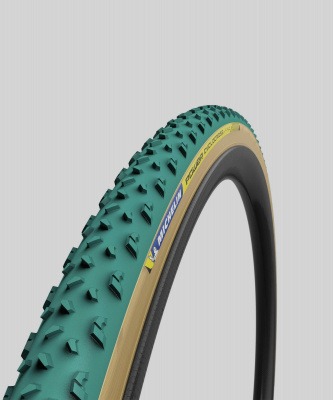
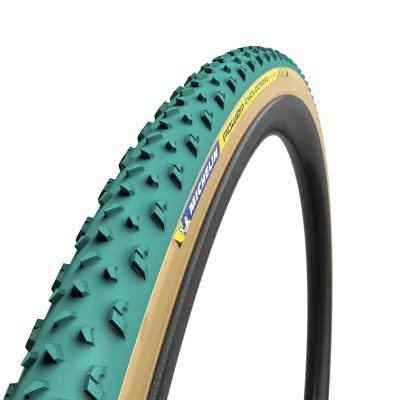
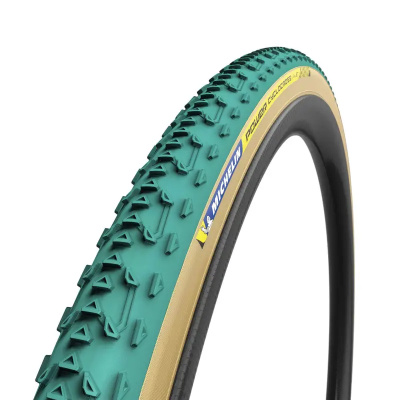
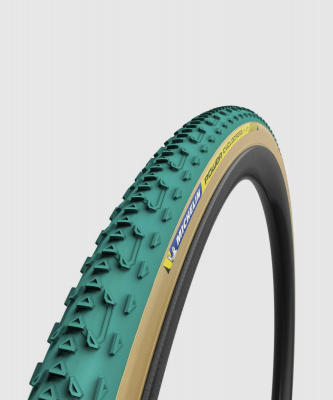
The cyclocross options are more specialised. The Michelin Power Cyclocross Mud tyre runs tall, widely spaced knobs that dig into soft ground and - crucially - self-clear under load. UK winter CX courses, particularly the kind of sticky clay and compacted grass you find at local league rounds from October through January, clog tighter treads fast. The Mud's open spacing stops that from happening. It's not a fast-rolling tyre on hard ground, but that's not what it's for.
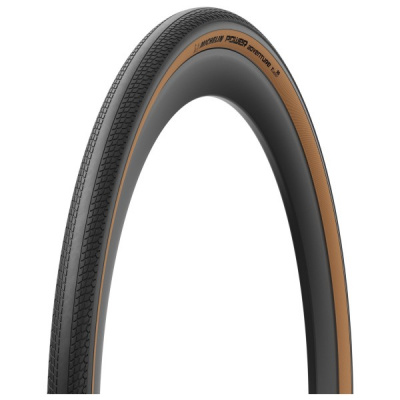
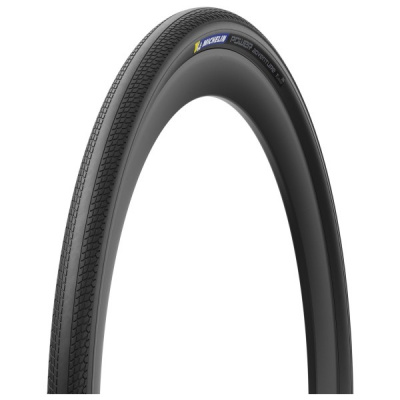
The Power CX Jet sits at the opposite end. Low-profile, closely-packed tread, designed for dry and hardpack courses - sandy circuits, frozen ground, Belgian-style grass that's been hammered into near-tarmac by a few hundred riders. It rolls noticeably quicker than the Mud on those surfaces, and on a dry December day in the East of England, the difference is real. The trade-off is predictable: in genuine mud, it blocks up and loses traction quickly. Choosing between them is a pre-race morning decision, not a one-size-fits-all call - and many serious CX riders carry both.
If you're weighing Michelin against other options, Continental gravel and cyclocross tyres offer a strong alternative, particularly in the TLR gravel segment, while Vittoria gravel and cyclocross tyres are worth a look if graphene-enhanced compounds are on your radar. For looser, more technical ground, Maxxis gravel and cyclocross tyres bring their MTB tread knowledge across to the drop-bar category with credible results.
Need something wider for a flat-bar rig or a dedicated trail setup? Michelin MTB tyres carry the same Magi-X compound DNA into higher-volume trail rubber - worth exploring if your riding spans both worlds.
Running Michelin Rubber Through a UK Winter
The Bead 2 Bead Protek casing is the feature that earns its place on UK gravel. Chalk and flint - the South Downs, the Chilterns, plenty of Suffolk and Norfolk lanes - will slash a standard tyre sidewall with barely any warning. Bead 2 Bead Protek runs reinforcement across the full casing width, not just a strip beneath the tread, so a glancing flint hit that would cut through a lighter tyre gets absorbed rather than sliced through. It adds a modest weight penalty, but for most UK riders on rough gravel, that's an easy trade.
Tubeless maintenance is straightforward but needs doing. Top up sealant every three to four months - in summer, the porous nature of some gravel casings and the heat can dry sealant out faster than you'd expect, leaving you without pinch flat protection when you need it. Give the tyre a shake before longer rides to check the sealant is still liquid. If you hear nothing, it's gone dry. A 30ml top-up through the valve with a syringe takes two minutes and saves a roadside repair.
Pressure makes a bigger difference than most riders realise. Running 25 - 35 psi on a tubeless Power Gravel - lower for softer, looser ground, toward the upper end for gravel and hard-pack - lets the Magi-X compound conform to the surface properly. Too much air and you're effectively riding on the tread centre only; the compound's grip advantage disappears. On wet roots, which are as slippery as polished glass on any UK winter ride, that contact patch matters. Panaracer gravel and cyclocross tyres are another option worth comparing if you're prioritising low rolling resistance on firmer winter ground.
The TPI (Threads Per Inch) count of the casing also plays into ride quality and durability. Higher TPI casings are suppler and absorb vibration better on long days, but can be more susceptible to sidewall cuts if run without Protek protection. Michelin's balance here - a reasonably high TPI casing paired with Bead 2 Bead Protek - is sensible for UK conditions where comfort and robustness both matter.
Michelin Gravel And Cyclocross Tyres FAQs
Are Michelin Power Gravel tyres tubeless ready?
Yes. Most of Michelin's current gravel and CX range uses Tubeless Ready (TLR) bead technology. To set them up properly, you'll need tubeless-compatible rims, well-sealed rim tape, tubeless valves, and a decent liquid sealant. A compressor makes first-time seating easier, but a good track pump will do the job on most rim and tyre combinations.
What is the difference between Michelin Power CX Mud and Jet?
The Power CX Mud runs tall, widely spaced knobs - built to bite into soft ground and clear thick winter mud between the lugs. The Power CX Jet uses a lower-profile, denser tread for dry, sandy, or frozen courses where rolling speed matters more than mud clearance. Most CX riders keep one of each and choose on race morning.
Can I run Michelin gravel tyres on hookless rims?
Some Michelin gravel tyres are hookless-compatible - check the sidewall markings on the specific tyre before fitting. If it's confirmed compatible, keep maximum inflation at 72.5 psi (5 bar) as hookless rim systems require. Always cross-reference with your rim manufacturer's published compatibility list, as tyre and rim approval can vary between model generations.