
Mavic Gravel Wheels
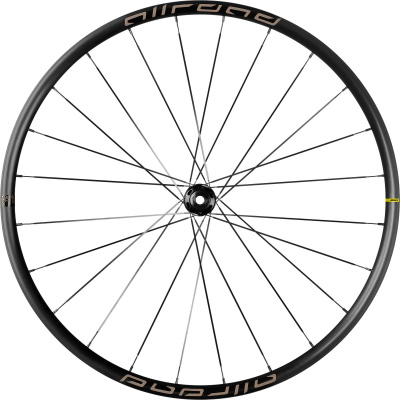
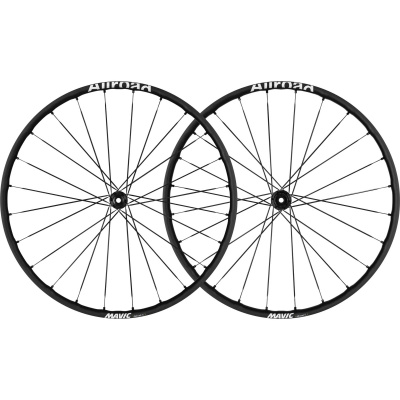
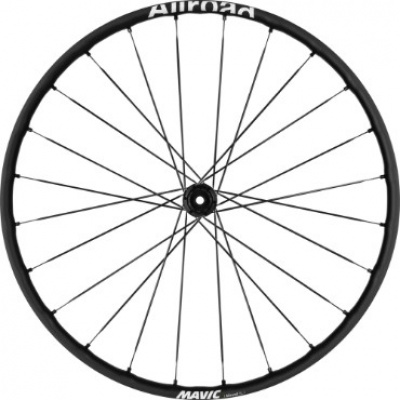
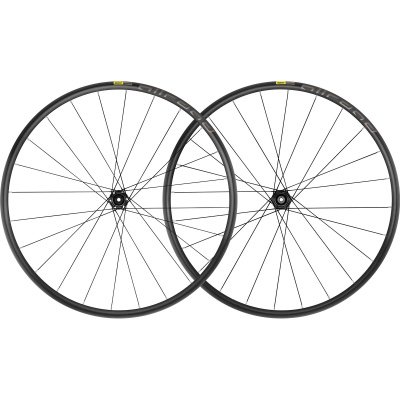
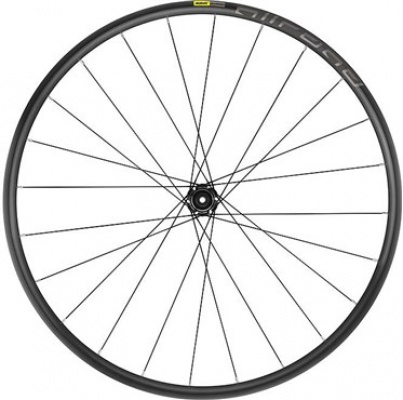
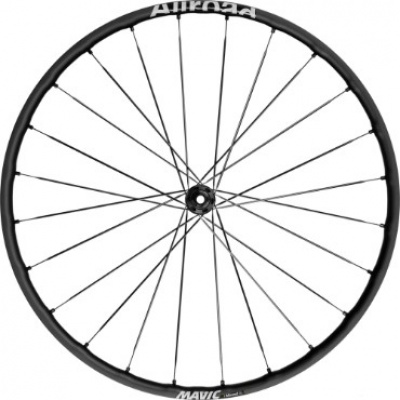
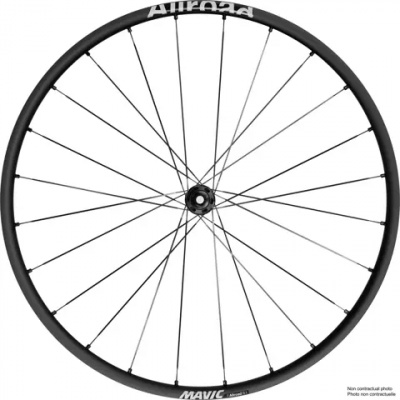
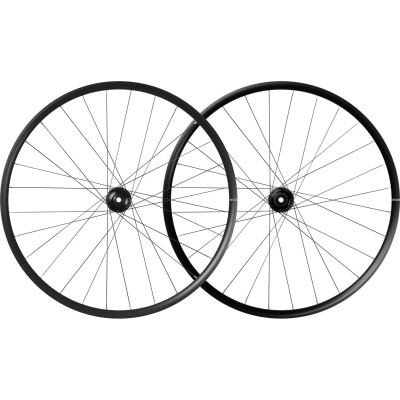
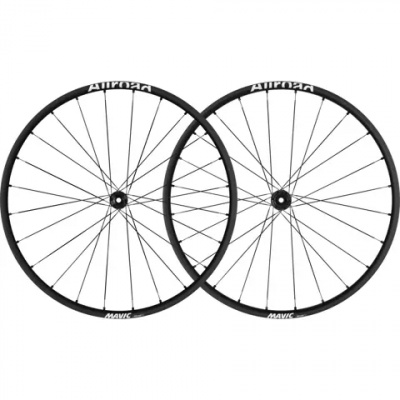
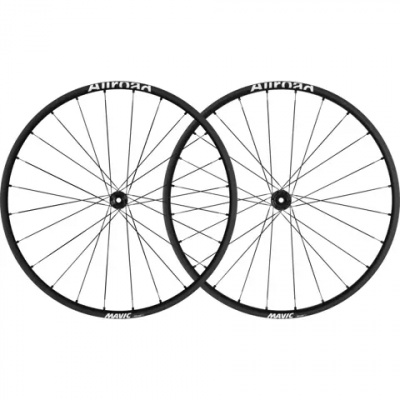
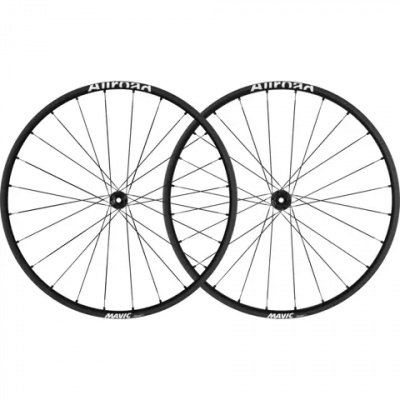
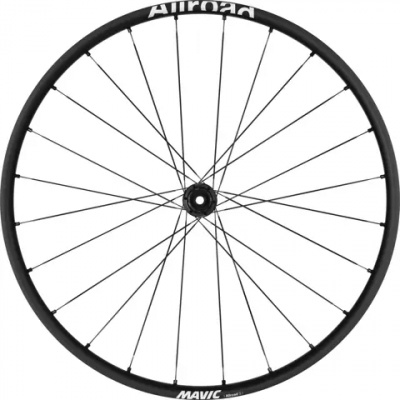
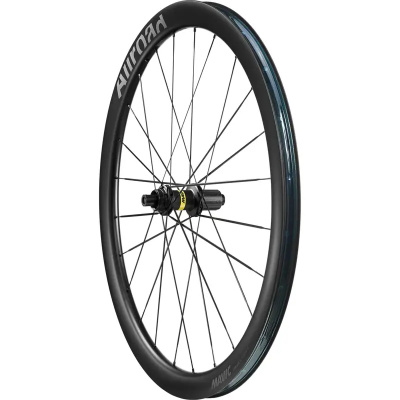
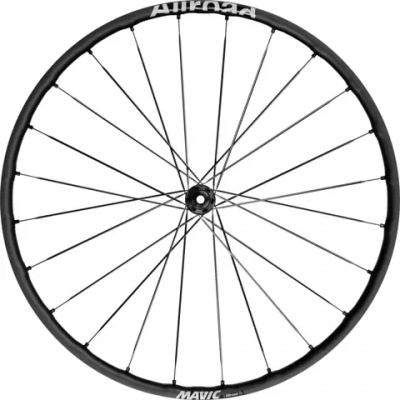
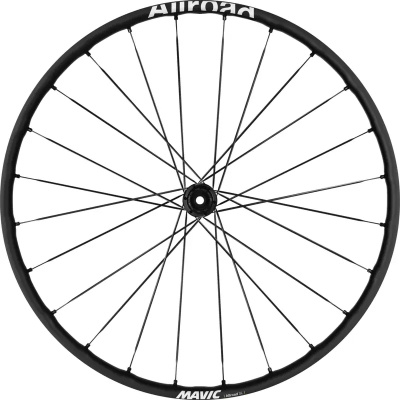
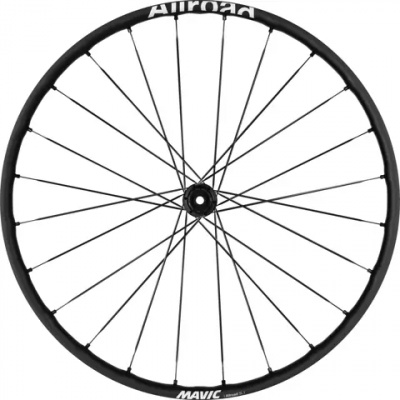
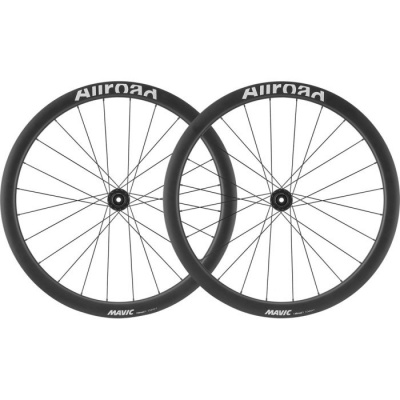
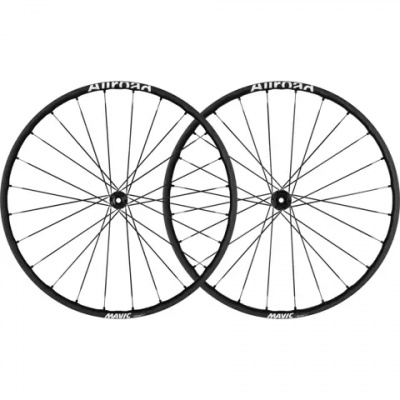
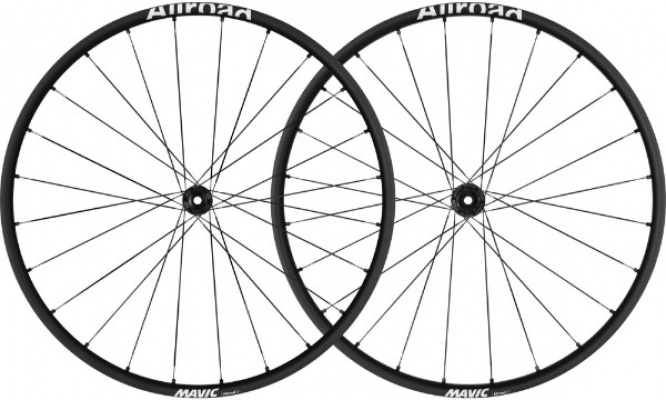
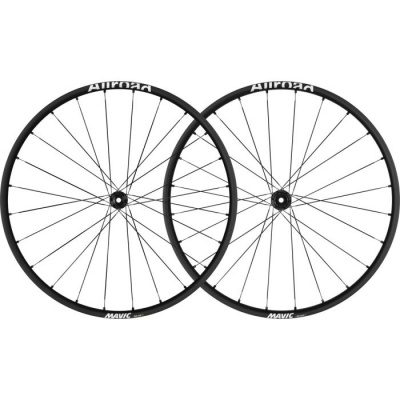
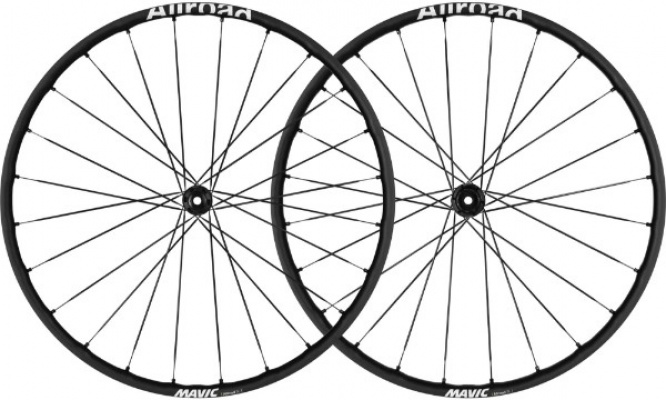
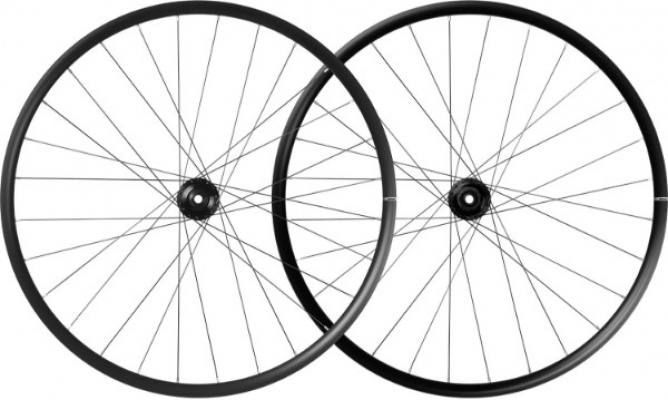
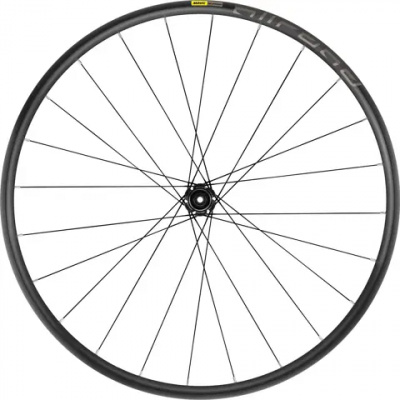
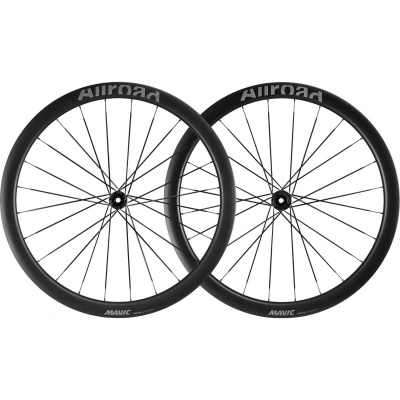
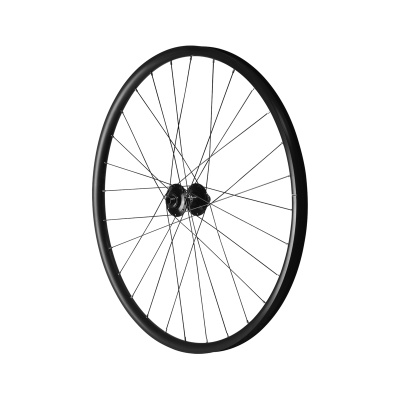
Mavic gravel wheels have earned a serious reputation on the UK's bridleways, fire roads, and gated farm tracks - and the Allroad range is the core of that story. Built around the Instant Drive 360 (ID360) freehub and the Infinity Hub platform, these wheelsets combine rapid 4.5-degree engagement with genuinely tool-free maintenance. That matters more than you'd think when you're out on a January lane-and-bridleway loop and the freehub is packed with Peak District mud. The UST (Universal System Tubeless) standard - Mavic's own, and the one that set the benchmark - makes tyre seating straightforward at home or trailside, with no fussing over tape or valve compatibility. Run sealant, seat the bead, get on with it. Whether you're weighing up the bombproof alloy construction of the entry Allroad or considering the stiffness-per-gram gains of the Allroad Pro Carbon, there's a clear hierarchy within the range to suit different riders and budgets. 650b options add another variable worth thinking about if your frame clears the extra volume. Compare current UK prices on Mavic gravel wheelsets below and find the right set for how - and where - you actually ride.
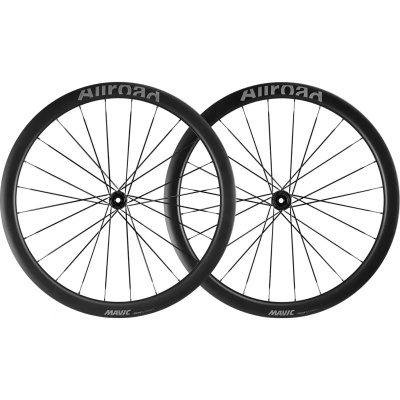
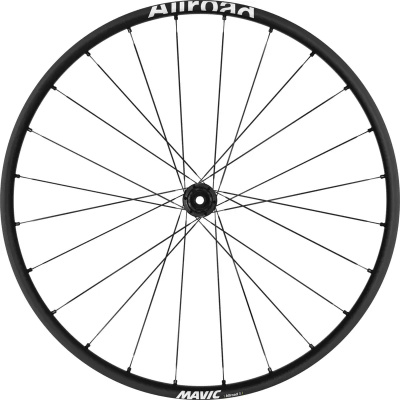
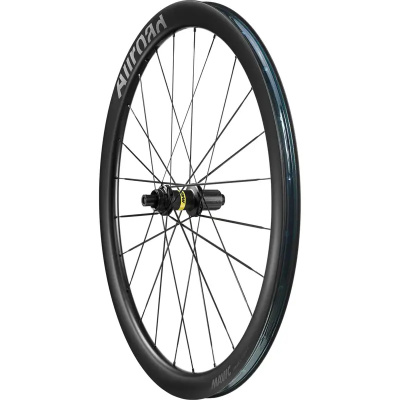
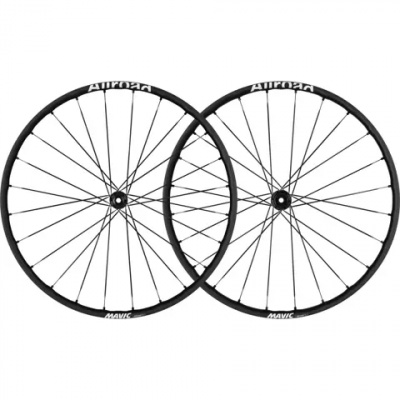
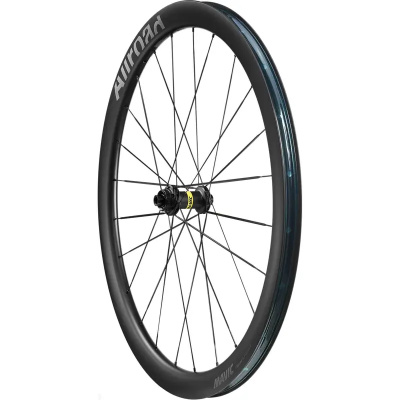
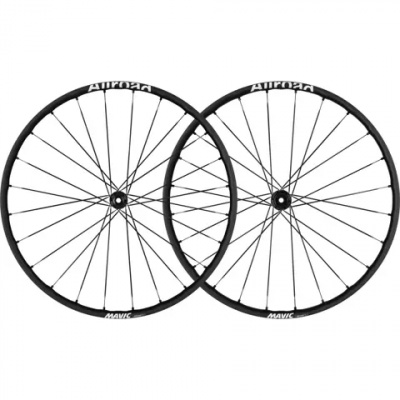
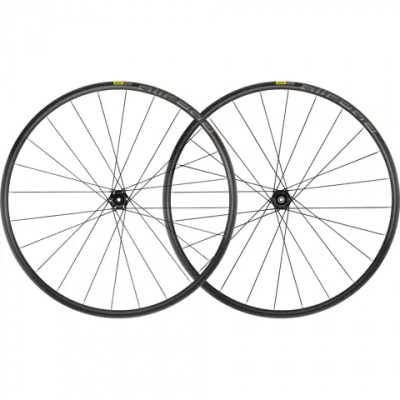
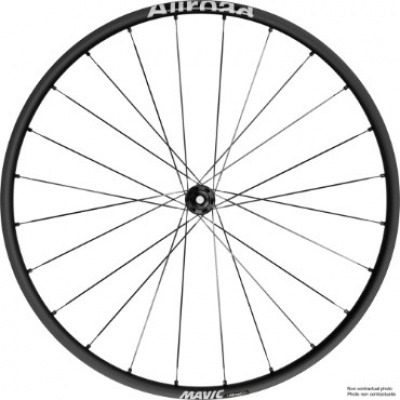
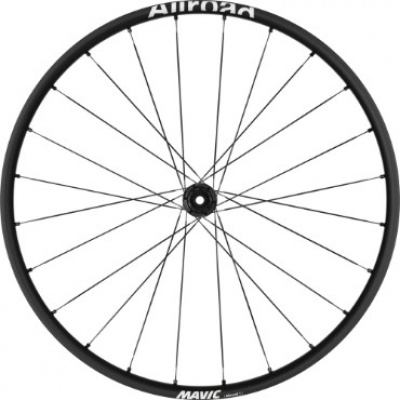
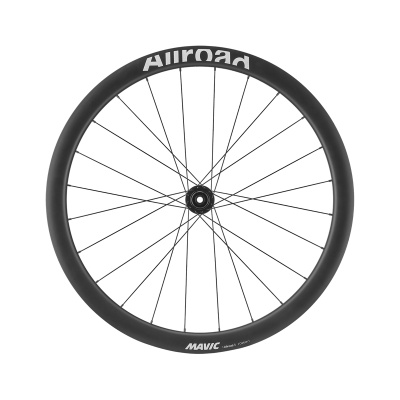
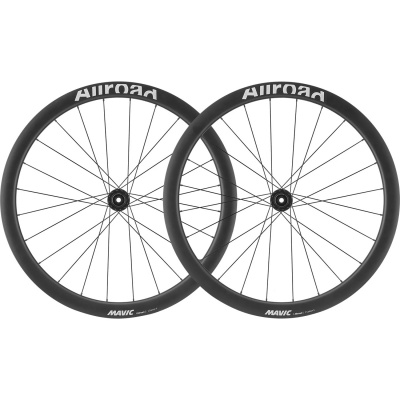
Prices and availability can change quickly. Delivery charges are not always included in listed prices.
Final price, stock status and delivery terms are set by retailer. We may receive a commission on purchases made.
Fitment, Standards, and What Works With Your Bike
Getting compatibility right before you buy saves a frustrating conversation with the postman. All current Mavic Allroad wheelsets run 12mm thru-axle standards - 100mm front, 142mm rear - which covers the vast majority of modern gravel bikes. If you're on an older quick-release frame, these won't fit without an adapter, so check your dropouts first.
Rotor mounting is worth pinning down too. Mavic offers both Centerlock disc and 6-bolt configurations across the range, so match what's already on your rotors or budget for new ones. Freehub body options cover Shimano HG, SRAM XDR, and Campagnolo N3W - the latter relevant if you're running one of the newer 13-speed Campagnolo groupsets.
Internal rim width sits at 22mm on most Allroad alloy models and nudges wider on carbon variants. That 22mm figure supports tyres from around 28mm up to 50mm comfortably - enough range to cover fast-pack gravel in summer or chunky winter rubber when the Chiltern chalk gets properly slick. Go wider on the tyre and you want a wider internal rim; the physics don't lie. For Mavic rim specifications in detail, or if you're sourcing individual Mavic spokes and nipples for a rebuild, those dedicated pages have the full breakdown - no point duplicating it here.
The Allroad Range: Where Each Model Sits
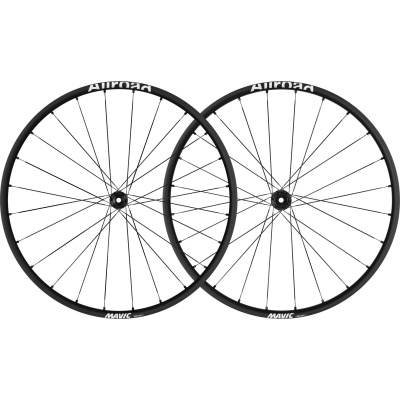
Mavic keeps the Allroad hierarchy fairly logical once you strip away the badging. The entry-level Allroad is an alloy wheelset with solid construction and full UST tubeless compatibility - a dependable choice for riders who want to stop fixing pinch flats on flint-heavy bridleways without spending carbon money.
Step up to the Allroad S and you get Fore Technology: a fully sealed upper rim bridge with no spoke holes breaking through the rim bed. No rim tape needed, ever. It's a genuine practical gain - one less thing to burp, one less thing to replace after a season of grit and sealant. The SL variant refines the alloy further with a lighter build and marginally higher spoke count precision.
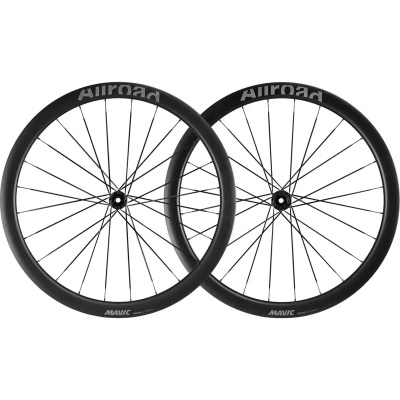
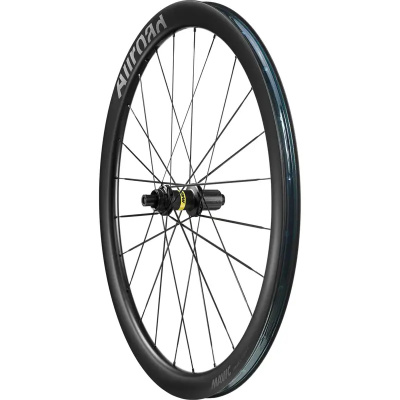
The Allroad Pro Carbon and Allroad SLR Carbon are a different conversation. Carbon layup reduces rotational weight meaningfully - and rotational weight is the weight that actually costs you on long climbs and punchy accelerations out of corners. The stiffer carbon construction also transfers power more directly, which you'll notice on hard-packed tracks where flex used to bleed watts. Compliance over roots and ruts is also improved; the rim profile absorbs small impacts without transmitting every vibration up through your hands. The trade-off is straightforward: carbon costs more and requires more care if you're regularly dropping into rocky descents.
If your riding is mostly tarmac with occasional gravel intrusions, Mavic road wheels will serve you better. If you're heading into proper trail work with more aggression, Mavic MTB wheels are built for that kind of punishment. The Allroad range sits squarely between those two worlds.
Brands like DT Swiss gravel wheels and Hope gravel wheels offer strong competition at various price points - DT Swiss with their star ratchet system, Hope with their entirely UK-made hubs. Worth a look if Mavic's pricing or availability doesn't line up for you. Fulcrum gravel wheels are another option if you're deep in a Campagnolo-compatible setup.
Keeping Them Running Through a UK Winter
British winters are hard on wheel bearings. Winter grit is abrasive, mud packs into every gap, and most riders don't clean their bikes as often as they probably should. The QRM Auto bearing preload system in the Infinity Hub handles lateral loads well and self-adjusts to compensate for wear - which means you're not constantly chasing preload with a cone spanner. That said, no bearing system is bulletproof if you leave it soaking in salt water all winter without a wipe-down.
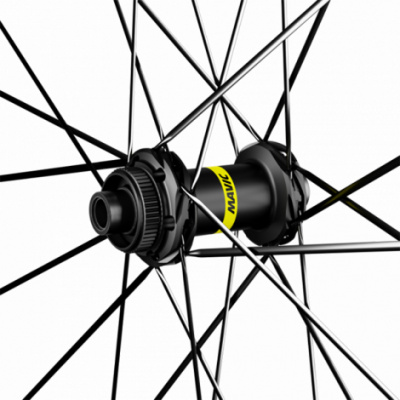
The ID360 freehub deserves specific attention. It's a dual ratchet system - 360 engagement points giving that near-instant pickup - and it's one of Mavic's genuinely strong suits. Servicing it requires no tools: pull the cassette, slide the freehub body off the axle, and you're in. Clean the ratchet rings with a dry cloth or a soft brush, not solvent. Here's the bit that catches people out: use only Mavic's specific ID360 grease. Standard bearing grease thickens in cold weather and causes the pawls to stick, which means the freehub slips under load - a deeply unpleasant sensation on a steep climb. The Mavic grease stays viscous at low temperatures. Apply a thin coat to both ratchet rings every three to six months, more often if you're riding through winter regularly.
Straight-pull bladed spokes across the range resist wind-up during tensioning and hold true well over time - a practical benefit on roads where potholes appear without warning. If you do need replacement spokes, Mavic spokes and nipples are sold separately. To complete your gravel setup, Mavic MTB and gravel shoes pair neatly with the wheelsets for a consistent stiffness and traction platform.
Mavic Gravel Wheels FAQs
Are Mavic Allroad wheels tubeless ready?
Yes. Every current Allroad model uses Mavic's UST tubeless standard, which makes tyre seating notably easier than most aftermarket setups. On the Allroad S and carbon models, Fore Technology seals the rim bed entirely - no tubeless tape required, ever. Just fit a UST or tubeless-ready tyre, add sealant, and you're away.
What is the maximum tyre size for Mavic gravel wheels?
It depends on the specific model's internal rim width. The Allroad S runs a 22mm internal width, which comfortably supports tyres from 28mm up to around 50 - 64mm depending on frame clearance. Wider internal rims on the carbon models open the tyre volume further. Always cross-reference your frame's stated tyre clearance before going large.
How do you service a Mavic ID360 freehub?
No tools needed. Remove the cassette, then pull the freehub body straight off the axle. Clean both ratchet rings with a dry brush - avoid solvent. Apply a thin coat of Mavic's own ID360-specific grease; standard grease thickens in cold weather and causes slipping under load. Do this every three to six months, or more frequently through winter.