
DT Swiss Gravel Wheels
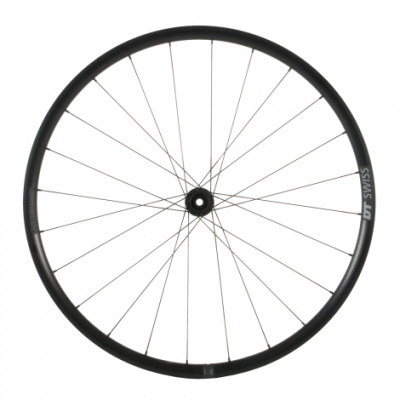
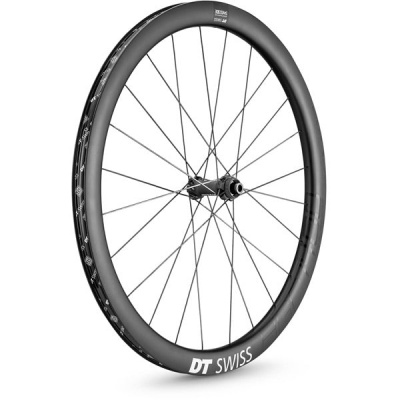
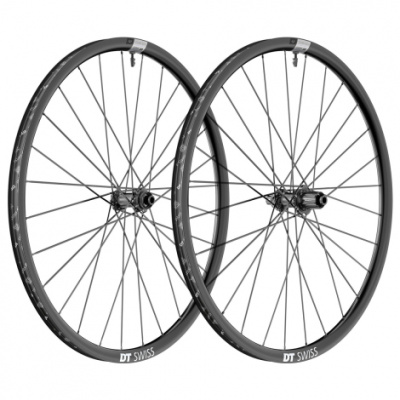
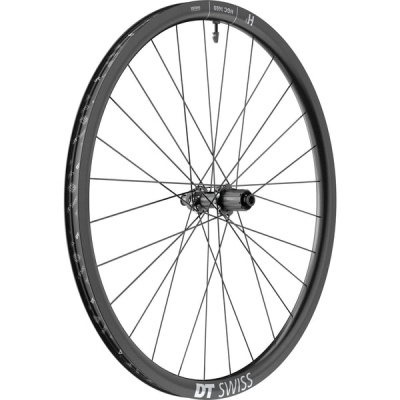
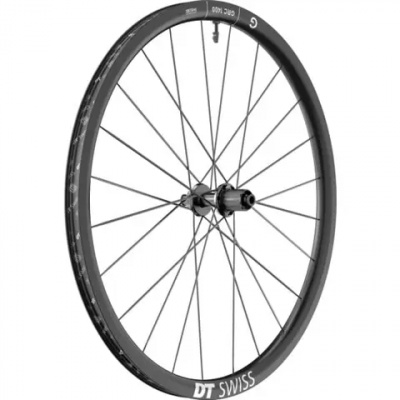
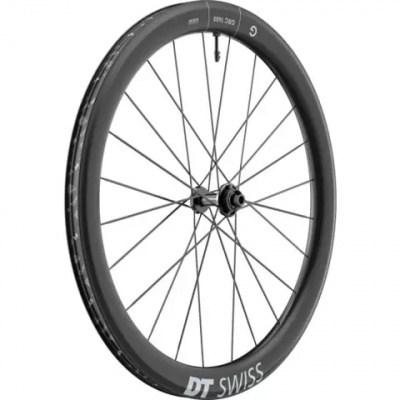
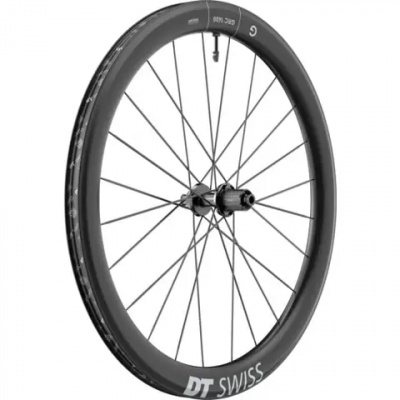
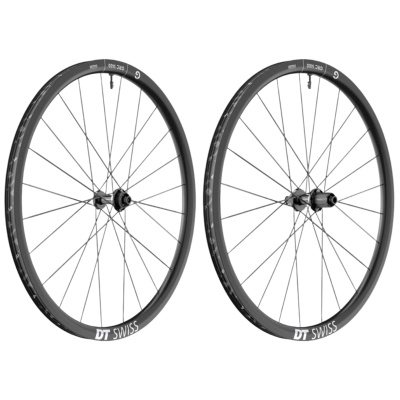
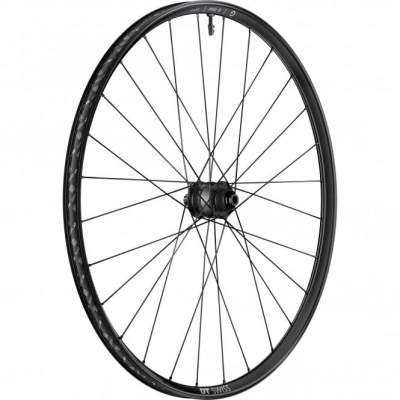
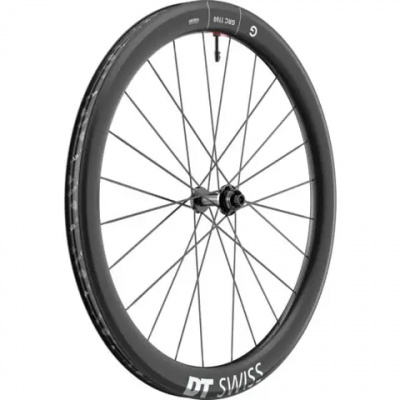
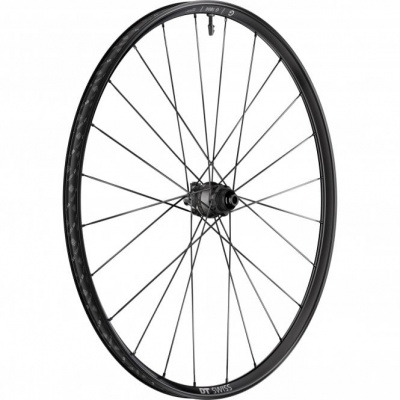
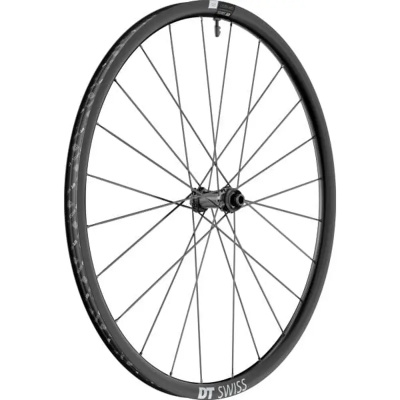
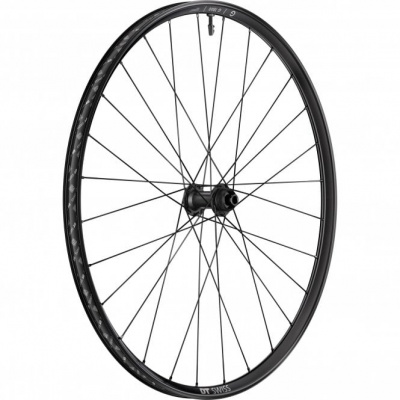
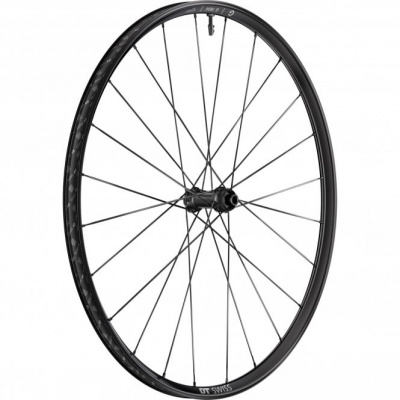
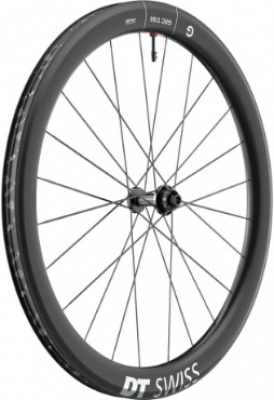
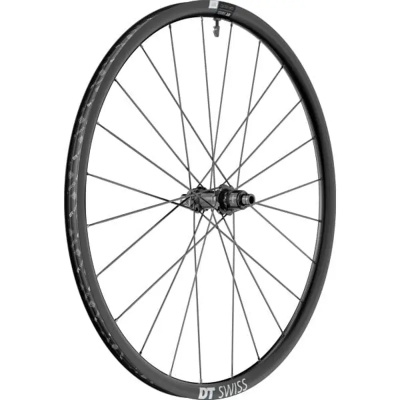
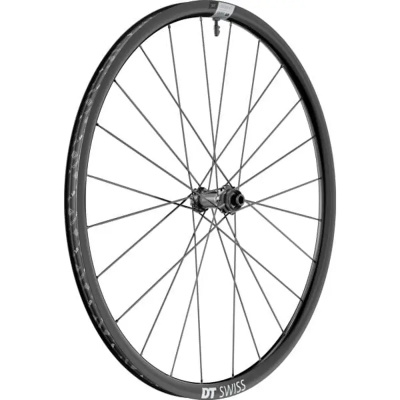
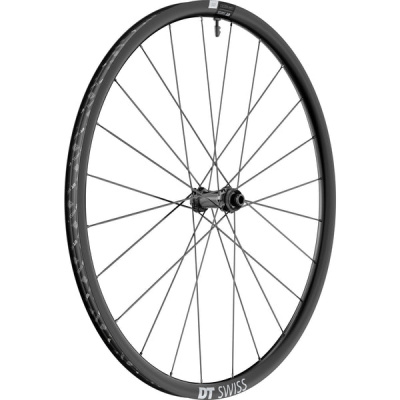
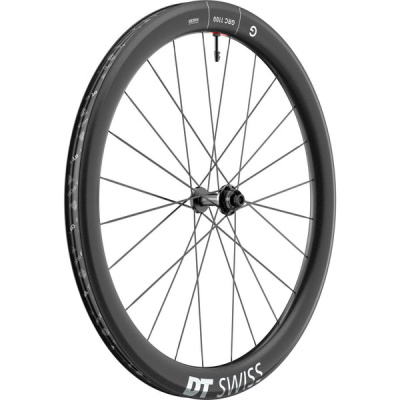
DT Swiss gravel wheels have become the reference point for riders who want Swiss-engineered precision without gambling on reliability when the South Downs flint or a Welsh bridleway puts the pressure on. The range spans aerodynamic carbon hoops through to tough-as-nails alloy workhorses, and every current wheelset arrives tubeless-ready straight out of the box - rim tape fitted, valves included, no faff. At the heart of it all is the Star Ratchet and Ratchet EXP freehub system: a mechanism so well-regarded that mechanics and riders talk about it the way they talk about a dependable groupset - you just know it'll work come January. Both 12x100mm front and 12x142mm rear axle standards are covered across the range, with freehub options for Shimano HG, Micro Spline, and SRAM XDR cassettes. Centerlock disc mounts are standard throughout, keeping rotor fitting clean and consistent. Whether you're chasing course records or just want wheels that don't demand attention every other weekend, DT Swiss has a wheelset sized for that ambition. Compare the full range below to find the right build for your gravel rig.
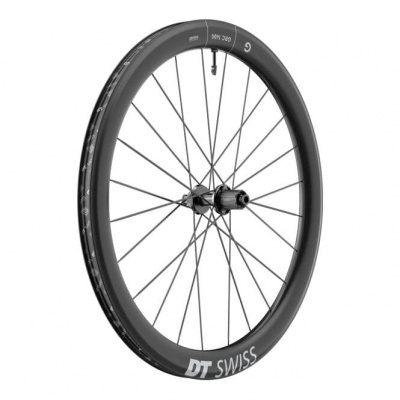
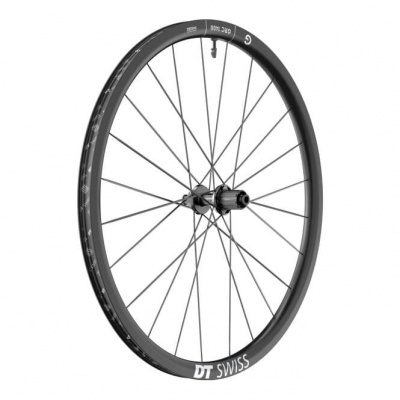
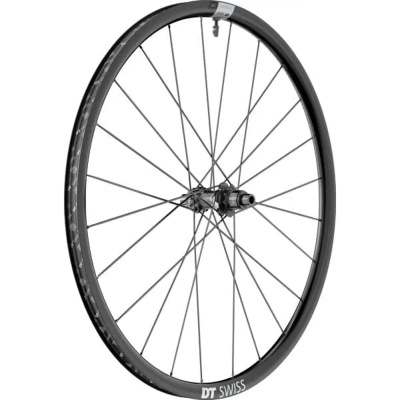
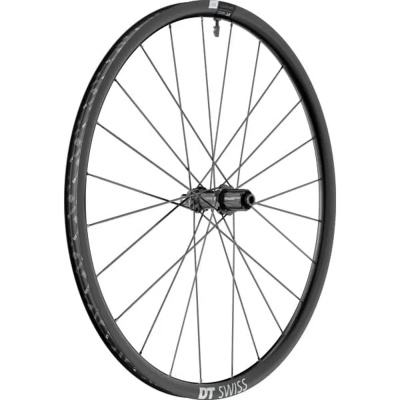
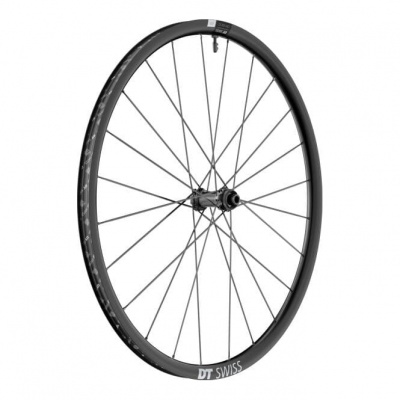
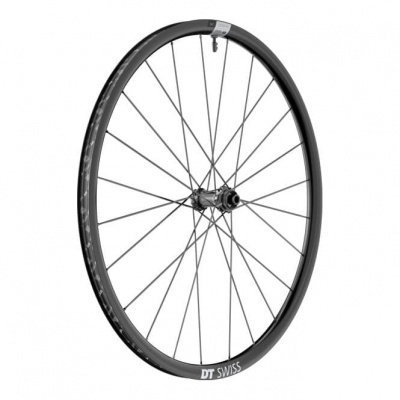
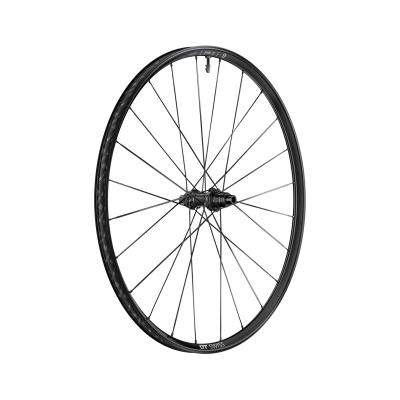
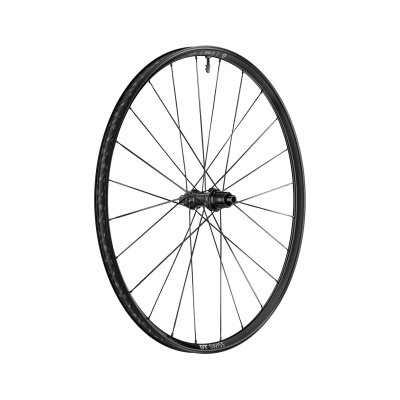
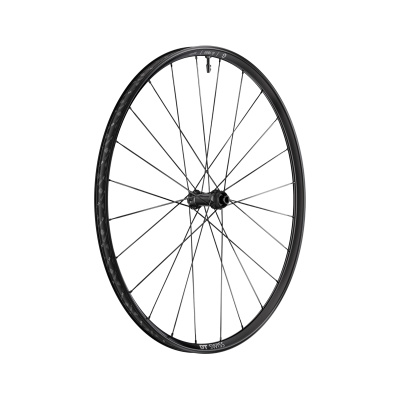
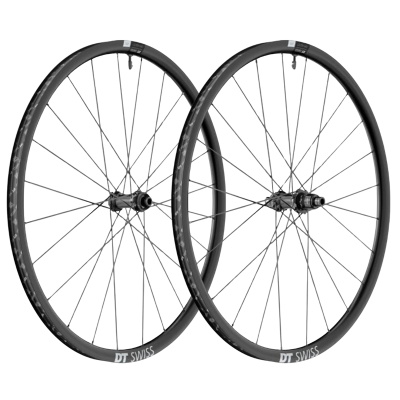
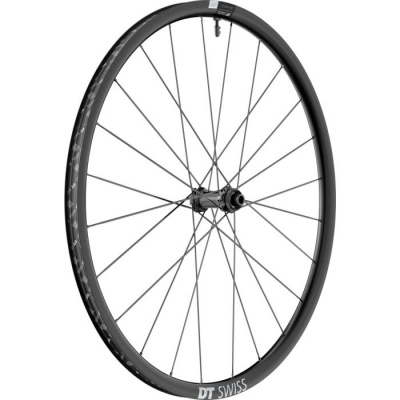
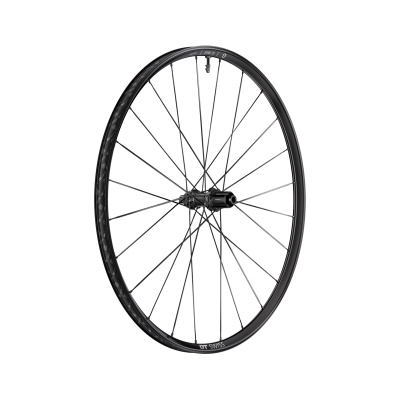
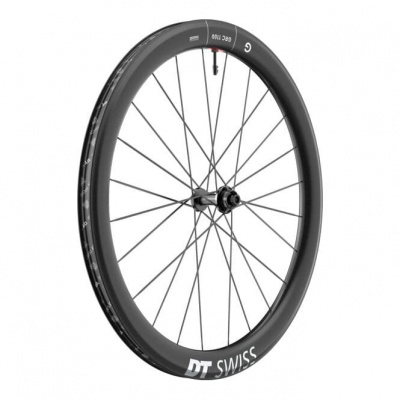
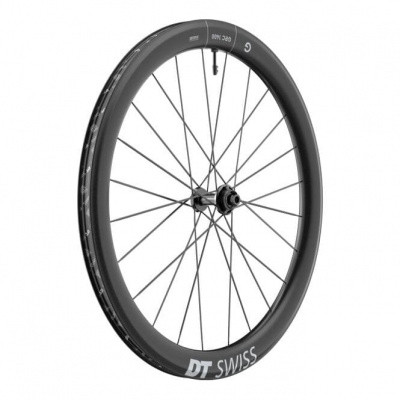
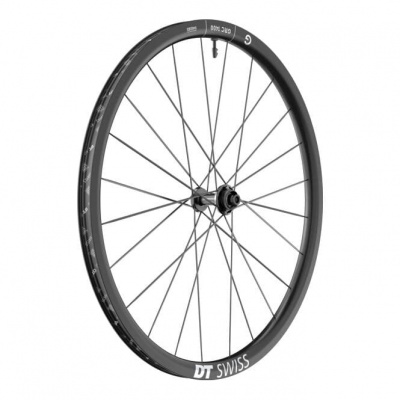
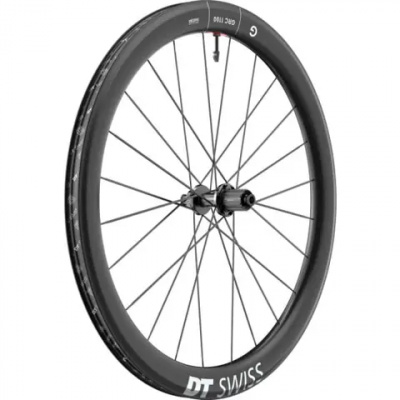
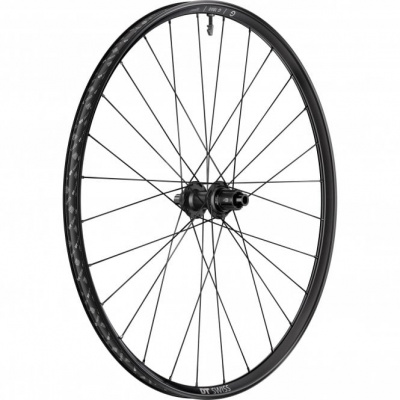
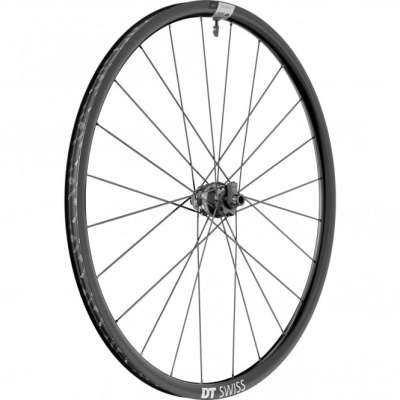
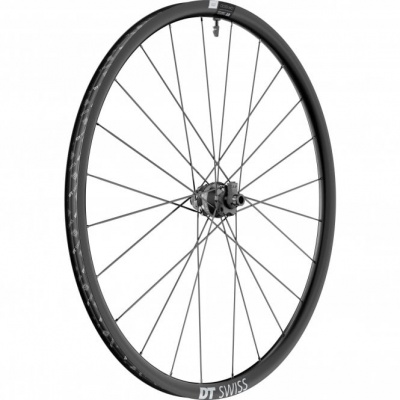
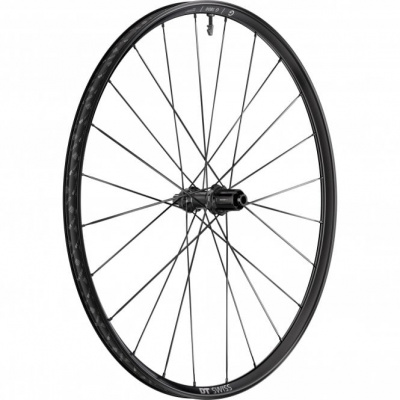
Prices and availability can change quickly. Delivery charges are not always included in listed prices.
Final price, stock status and delivery terms are set by retailer. We may receive a commission on purchases made.
Axle Standards, Freehub Bodies, and Disc Compatibility
Fitting DT Swiss gravel wheels to most modern gravel bikes is straightforward. The standard axle configuration across the range is 12x100mm up front and 12x142mm at the rear - which covers virtually every thru-axle gravel frame sold in the UK today. If you're running an older quick-release frame or need to adapt axle standards, check out the DT Swiss Adapters and DT Swiss Skewers pages before you commit.
Freehub compatibility is where you need to pay attention. DT Swiss offers bodies for Shimano HG (the most common on UK builds), Micro Spline for 12-speed Shimano cassettes, and SRAM XDR for SRAM's 12-speed road and gravel groupsets. The good news is that freehub bodies on DT Swiss wheels are user-swappable - so if you change drivetrain down the line, you're not writing off the wheelset. All models use Centerlock disc brake mounts, which accept any Centerlock rotor and can be adapted to 6-bolt with a widely available lockring tool. Neat, consistent, and far less prone to warping issues than some older standards.
Making Sense of the Range: GRC, GR, and CRC
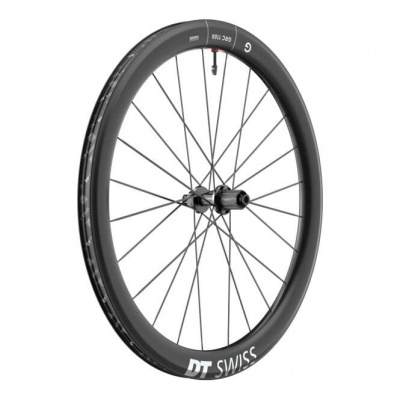
DT Swiss uses a naming system that's logical once you know the code. GRC stands for Gravel Racing Carbon - these are the aero-focused wheelsets built around deep-section or mid-depth carbon rims, aimed at riders who want to go fast on mixed surfaces without carrying unnecessary weight. The DICUT hub shell sits at the top of the range here: it's an aerodynamically refined hub body paired with Ratchet EXP engagement, giving you fast pickup and a hub that slips through air more cleanly at speed. Think of DICUT as the performance trim, SPLINE as the dependable standard - both use straight-pull spoke lacing, but SPLINE hubs carry the more familiar cylindrical profile you'll recognise from workhorse builds.
GR wheels use alloy rims rather than carbon, which makes them heavier but considerably more resistant to impact damage - relevant if your local rides involve rough bridleways, loose gravel, or the kind of chunky chert you find across parts of the Cotswolds. They're also repairable in ways a carbon rim simply isn't. The trade-off is rolling weight and, to a lesser extent, rim stiffness under hard cornering loads. For most non-race riders doing the bulk of their miles on mixed UK surfaces, the GR line is the sensible choice. CRC rounds things out as the cyclocross-specific carbon option - narrower internal widths optimised for 33mm CX tyres, not a gravel-first wheelset.
One thing worth flagging: hookless vs hooked rim beds vary across the range, and hookless rims carry tyre pressure limits you need to respect (typically capped at 72.5 psi for many carbon hookless designs). Always cross-reference the ETRTO compatibility chart for whichever wheelset you're buying. If you're planning a custom build rather than a complete wheelset, our dedicated DT Swiss Hubs and DT Swiss Rims pages let you spec each component separately.
The Aero Comp straight-pull spokes used across much of the DT Swiss gravel range are worth a mention too. Bladed in cross-section, they cut drag at speed and resist twisting during tensioning - which means a more consistent build and fewer truing visits over the life of the wheel. Pro Lock nipples with integrated threadlock compound keep spoke tension stable even after repeated vibration from rough surfaces, which in practice means the wheels hold true longer between services.
Compared to Hope gravel wheels, DT Swiss leans more aerodynamic at the top end; Hope counters with arguably bombproof UK-made hubs and a broader colour range. Mavic gravel wheels offer similarly integrated tubeless systems but with proprietary spoke beds that can complicate field repairs. DT Swiss sits in the middle ground - widely serviced, well-stocked with spare parts, and with a hub ecosystem that's genuinely easy to maintain yourself.
Surviving UK Winters: Seals, Mud, and Tubeless
British gravel riding in autumn and winter is a different proposition from a dry Mediterranean gravel race. Grit-laden bridleways, standing water, and the kind of mud that coats everything within three miles of a farm gate will test hub seals in ways that summer riding simply doesn't. DT Swiss addresses this with well-engineered bearing seals across the range, but the real advantage is the Ratchet System itself - you can pull the freehub body off without any specialist tools, clean the star ratchets, re-grease, and have everything back together in a few minutes at the kitchen table. That matters when you're riding flint-heavy paths on the South Downs or soggy farm tracks in the Dales through winter.
All current DT Swiss gravel wheels ship tubeless ready - tape and valves pre-installed at the factory. That said, you'll still want to add sealant before the first ride. On flint and thorn-heavy routes, a quality sealant is the difference between a self-sealing five-second inconvenience and a walk back to the car. Pick up DT Swiss Sealant to keep the setup consistent and avoid compatibility guesswork. Top it up every few months - latex-based sealants dry out faster than some riders expect, particularly in cold weather.
If you're comparing DT Swiss against ENVE gravel wheels or Fulcrum gravel wheels at the carbon end, DT Swiss wins on parts availability and DIY serviceability. ENVE makes exceptional rims but hub service is less accessible for most UK riders. Fulcrum's tubeless implementation is solid but the hub engagement system doesn't match the Ratchet EXP for tactile feedback or ease of cleaning.
DT Swiss Gravel Wheels FAQs
Are DT Swiss gravel wheels tubeless ready?
Yes. Every current DT Swiss gravel wheel comes with factory-fitted tubeless rim tape and DT Swiss tubeless valves already installed - so setup is straightforward from the off. You'll still need to add sealant before riding, but the groundwork is done. Check tyre-to-rim ETRTO compatibility if you're using narrower or wider tyres than the wheelset's stated range.
What is the difference between DT Swiss GRC and GR wheels?
GRC wheels use carbon rims with an aero focus - lighter, stiffer, and faster rolling. GR wheels are built around alloy rims, which adds weight but makes them more impact-resistant and far easier to repair after a bad hit. GRC suits race-oriented or fast-touring riders; GR is the more practical, long-term choice for rough UK bridleways and winter miles.
Can I put road tyres on DT Swiss gravel wheels?
You can, provided the tyre width suits the rim's internal width - most DT Swiss gravel rims run a 24mm internal width, so tyres from 28mm upward will seat safely. Narrower road tyres may not seal reliably tubeless or could exceed the recommended tyre-to-rim width ratio. Always check the ETRTO compatibility chart for your specific wheelset before fitting.