
Fulcrum Gravel Wheels
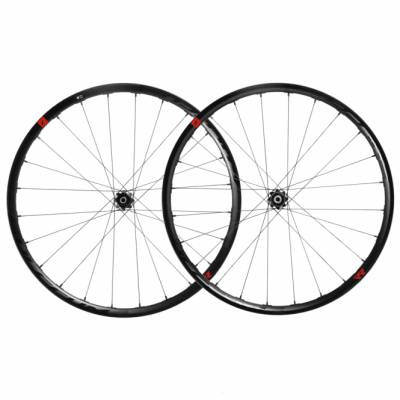
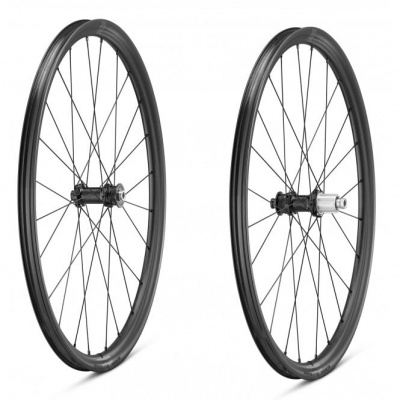
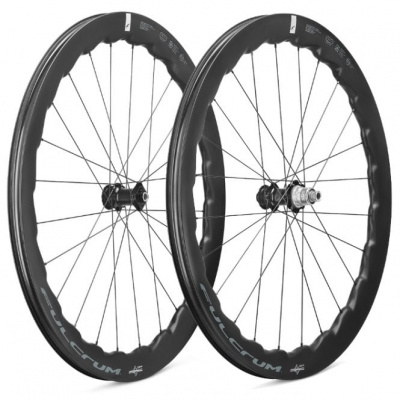
Fulcrum gravel wheels have earned a serious reputation on everything from flint-riddled South Downs bridleways to loaded bikepacking routes across the Scottish Borders - and the Rapid Red series sits at the centre of that story. These are wheelsets built around wide internal rim profiles and Fulcrum's proprietary 2-Way Fit tubeless technology, which means lower pressures, better tyre compliance, and a genuinely confidence-inspiring ride on loose or unpredictable surfaces. The range splits cleanly between alloy and carbon options, and between 700c and 650b formats, so whether you're running big 47mm rubber on a loaded rig or a faster 40mm slick for mixed road-gravel days, there's a Fulcrum hoop that fits the brief. Italian manufacturing heritage counts for something here - the spoke lacing, rim tolerances, and bearing quality are noticeably above the category average at each price point. Compare the full range below and find the right wheelset for your gravel bike.
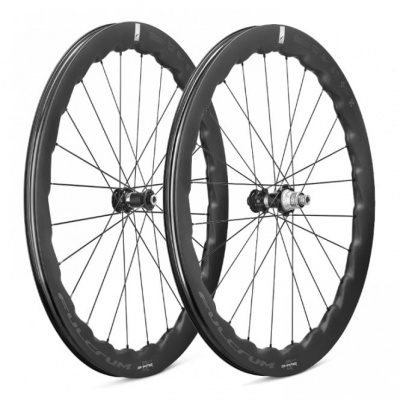
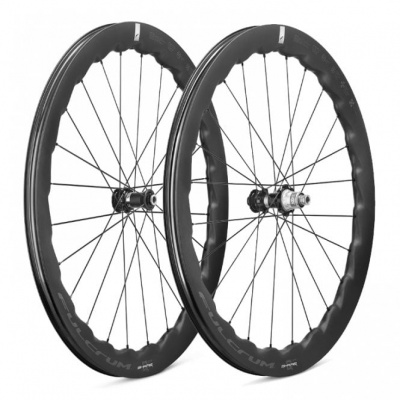
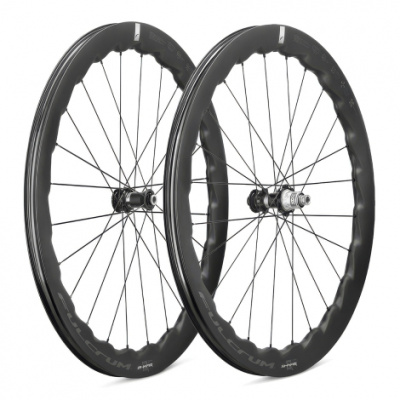
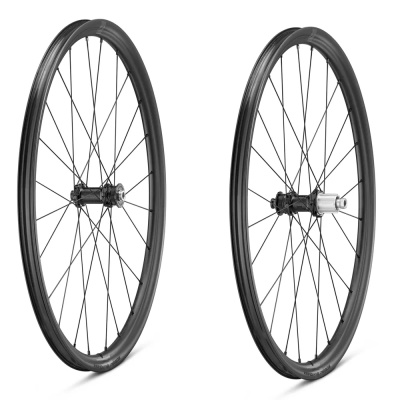
Prices and availability can change quickly. Delivery charges are not always included in listed prices.
Final price, stock status and delivery terms are set by retailer. We may receive a commission on purchases made.
Fitting Fulcrum Gravel Wheels to Your Bike
Axle standards across the Fulcrum gravel range follow the current norm: 12x100mm at the front and 12x142mm at the rear, which covers the vast majority of gravel framesets on sale today. Disc rotor mounting uses Fulcrum's AFS (Axial Fixing System) - a Centerlock-compatible design, so it works directly with any standard Centerlock rotor. No adapters needed if you're already running Centerlock. If your frame uses six-bolt mounts, a standard Centerlock-to-six-bolt adapter sorts it cleanly.
Internal rim width matters a lot on gravel. The Rapid Red Carbon sits at 24mm internal, which is the point where a 38mm tyre starts to open up properly and a 40mm or wider genuinely fills out as designed. Wider internal dimensions let you drop pressures without tyre squirm - critical on wet chalk and clay, where UK bridleways turn into something resembling a skating rink in autumn. The alloy models in the Rapid Red range run slightly narrower but still comfortably within the recommended envelope for 30mm to 46mm+ tyres.
Freehub compatibility is the one area worth double-checking before you buy. Fulcrum gravel wheels can be specced with Shimano HG11, SRAM XDR, Shimano MicroSpline, or Campagnolo N3W freehub bodies - confirm which drivetrain you're running before ordering. For freehub body replacements and rotor hardware, our Fulcrum hubs and spares category has everything you need.
The Rapid Red Family: What You Actually Get for the Money
The Rapid Red range is a clear hierarchy, and knowing where each model sits stops you paying for more than you need - or underspending and regretting it six months in.
At the entry point, the Rapid Red 5 uses a standard extruded alloy rim and sealed cartridge bearings. It's heavier than the models above it, but it's also a genuinely solid gravel wheelset that'll handle year-round UK riding without drama. If you're new to gravel or putting together a dedicated winter training setup, this is where the value sits. Both 700c and 650b versions are available, and the 2-Way Fit tubeless compatibility is present throughout - so you're not locked out of tubeless just because you bought the entry model.
Step up to the Rapid Red 3 and the difference is real. The alloy rim is CNC-machined, which removes material selectively and drops rotational weight - the kind of saving you feel on long climbs or punchy lane-road transitions rather than in a straight-line sprint. More significantly, the Rapid Red 3 uses cup and cone bearings rather than sealed cartridges. That matters for UK riders: cup-and-cone systems can be cleaned, adjusted, and re-greased by any competent home mechanic or local workshop, whereas press-fit cartridges get replaced wholesale once grit works in. Preload adjustment also means you can dial out the slight play that develops over a wet winter, keeping the wheel running precisely for longer.
The Rapid Red Carbon is the flagship. The weight drop over alloy is meaningful - particularly in the 650b format where you're often running heavier tyres - and carbon rims offer a degree of vertical compliance that smooths out repeated sharp hits better than alloy can. For riders doing longer gravel events or multi-day routes, that compliance accumulates across a day in the saddle. It's a different kind of performance gain to aero savings; less about numbers, more about how your legs feel at hour five. If you're comparing at this price point, DT Swiss gravel wheels and Campagnolo gravel wheels are the natural reference points - both strong options, but Fulcrum's bearing serviceability and tubeless implementation are genuine differentiators.
For riders who want a more budget-accessible British-built alternative, Hope gravel wheels are worth a look - different philosophy, but similarly repairable. Mavic gravel wheels are another solid comparison if you're weighing up integrated tyre systems against open-standard builds.
Winter Riding, Bearing Care, and UK Conditions
British gravel riding does a number on wheel bearings. Gritty bridleway mud in the Peak District or on North Yorkshire lanes works into bearing races faster than most manufacturers' service intervals assume. This is where Fulcrum's choice of cup and cone bearings on the Rapid Red 3 and Carbon pays off in practice. You can crack the hub open, flush the grinding paste out, repack with fresh grease, and set the preload back to factory spec in under an hour. Do that twice a winter and the wheels run cleanly for years. Sealed cartridge bearings on the Rapid Red 5 are simpler to live with casually, but when they're done, they're done.
On the tubeless side, the premium models in the Rapid Red range use Fulcrum's MoMag technology - short for Mounting Magnet. The practical upshot is an un-drilled rim bed: no spoke holes breaking through the inner rim surface, which means no tubeless tape required. That's not just a marginal gain. UK riders who swap between winter and summer tyres regularly will know the frustration of tubeless tape lifting, bubbling, or losing its seal after a seasonal change. MoMag removes that failure point entirely. The rim bed is structurally cleaner, the tubeless seal is more consistent, and setup is faster. For tubeless valves and sealant to complete the setup, check our Fulcrum wheels spares range.
One practical note on tyre pressure: with a 24mm internal rim width and a 40mm+ tyre, you can run meaningfully lower pressures on flint-heavy surfaces without the tyre folding under cornering load. That's the combination that makes wide-internal gravel wheels feel so different to older, narrower hoops - it's not just marketing. The ASTM Category 2 rating across the Rapid Red range confirms these are built for mixed-surface and light off-road use, not just smoothed-out gravel paths.
If you're also running a second wheelset for road days, our Fulcrum road wheels category is worth a browse - the hub standards align across ranges, so swapping between setups on the same frame is straightforward.
Fulcrum Gravel Wheels FAQs
Are Fulcrum Rapid Red wheels tubeless ready?
Yes. Every model in the Rapid Red range runs either 2-Way Fit or 2-Way Fit Ready technology, so you can use standard clincher tyres with tubes or set them up tubeless with sealant and tubeless-compatible tyres. The flagship models add MoMag - no spoke holes in the rim bed, so no tubeless tape is needed at all.
What is the difference between Fulcrum Rapid Red 3 and 5?
The Rapid Red 3 has CNC-machined alloy rims to cut rotational weight and uses adjustable cup-and-cone bearings that you can service and repack at home. The Rapid Red 5 uses a standard extruded alloy rim and sealed cartridge bearings - a bit heavier, but very cost-effective and perfectly capable for year-round riding.
What freehub do I need for Fulcrum gravel wheels?
It depends on your groupset. Fulcrum gravel wheels are available with Shimano HG11, SRAM XDR, Shimano MicroSpline, and Campagnolo N3W freehub bodies. Check which cassette standard your drivetrain uses before ordering - getting this wrong is the most common fitment mistake.