
Fulcrum MTB Wheels
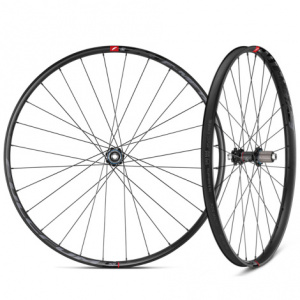
Fulcrum MTB wheels have built a serious reputation for combining Italian rim engineering with hub internals that can actually handle what UK riding throws at them. From XC race days to winter enduro bashing, the range covers a lot of ground - and the tech behind each wheelset is genuinely worth understanding before you buy. Fulcrum's 2-Way Fit system means every current MTB rim runs tubeless straight out of the box, while the MoMag system on higher-end models takes things further with an undrilled rim bed that removes the need for tubeless tape entirely - no bubbling, no peeling, no faff after a wet Welsh weekend. Hub build quality is a consistent strength, with double-sealed bearings and a modular freehub design that supports Shimano HG, Micro Spline, and SRAM XD drivers. Asymmetric rim profiles and straight-pull spokes help balance tension across the wheel, which matters for longevity on technical ground. Whether you're looking at the lightweight Red Zone for downcountry days in the Peak District, the burlier Red Metal for trail and enduro work, or the reinforced E-Metal line for e-MTB torque loads, there's a clear logic to how the range stacks up. Use the comparison grid to check live UK prices and double-check your axle and freehub standards before you commit.
Prices and availability can change quickly. Delivery charges are not always included in listed prices.
Final price, stock status and delivery terms are set by retailer. We may receive a commission on purchases made.
Will They Fit? Axle Standards, Rotors and Freehub Bodies
Before anything else, check your axle spacing. Most modern Fulcrum MTB wheels run Boost sizing - 15x110mm front and 12x148mm rear - which matches the vast majority of trail and enduro frames sold in the UK over the last several years. Super Boost (157mm rear) is a different standard used on some wider-spaced frames, so confirm your rear dropout width before ordering, especially if you're running an older or non-mainstream frame.
Rotor mounting on Fulcrum MTB hubs uses their AFS (Axial Fixing System), which is fully compatible with Centerlock rotors - the same standard used across Shimano's MTB range. If your current rotors are 6-bolt, you'll need a Centerlock-to-6-bolt adapter, which is a cheap and easy fix. For specific rotor compatibility and sizing, our Fulcrum rotors page has the detail you need rather than us duplicating it here.
Freehub compatibility is equally straightforward. Fulcrum's modular hub design accepts Shimano HG, Micro Spline, and SRAM XD driver bodies, so swapping between drivetrains is possible without replacing the whole wheel. That said, getting the right body for your specific wheel model and year matters - head to our Fulcrum freehub bodies and spares page for the exact part matching rather than guessing.
Red Zone, Red Metal, E-Metal: What You're Actually Paying For
Fulcrum's MTB range splits into three distinct lines, and the differences aren't just marketing - they reflect genuinely different construction priorities.
The Red Zone sits at the XC and downcountry end. Rims are lighter, internal widths are narrower relative to the other lines, and the hubs are tuned for faster engagement - useful when you're pushing hard on climbs and need immediate power transfer on punchy, technical singletrack. If you're running a hardtail or a lightweight full-sus on cross-country routes, this is the wheel for you. Riders comparing options might also look at Mavic MTB wheels at this end of the market, though Fulcrum's tubeless implementation gives it a practical edge.
Red Metal is where most UK trail and enduro riders will land. Wider internal rim widths - typically in the 30mm range - suit the 2.4-inch-plus tyres that work well on loose, rooted ground like you'd find in the Brecon Beacons or on Hamsterley's harder lines. The spoke beds are reinforced to handle repeated hard landings, and the overall build is notably more robust than the Red Zone. The asymmetric rim profile is worth mentioning here: by offsetting the rim's centreline, Fulcrum balances the spoke tension difference between the drive and non-drive sides of the rear wheel. More even tension means more consistent flex behaviour and longer spoke life - something you notice when you're not re-truing wheels every few months. DT Swiss MTB wheels compete closely here, particularly the EX line, but Red Metal holds its own on value and tubeless ease.
E-Metal is a specifically reinforced range for e-MTBs, where motor-assisted torque loads and the additional system weight put meaningfully higher stress on hubs and spokes. Fulcrum addresses this with thicker spokes, reinforced freehub bodies, and hub internals rated for the demands of an e-MTB drivetrain. If you're running a full-power mid-drive system and thinking of fitting standard trail wheels, don't - E-Metal exists for good reason.
Across all three lines, the 2-Way Fit system means tubeless setup is designed in from the start, not an afterthought. On MoMag-equipped models, the rim bed is undrilled, so there are no spoke holes to seal and no tape to install. That's a genuinely useful feature for anyone who's spent time fighting peeling tape on a cold garage floor.
Keeping Fulcrum Wheels Running Through a UK Winter
Hub bearings are the weak point on any MTB wheel in British conditions - and that's not a criticism of Fulcrum specifically, it's just the reality of riding in Peak District grit or Surrey clay week after week. The abrasive mud that gets into bearing interfaces will wear seals and races regardless of brand. Fulcrum's double-sealed hub design gives you decent protection, but it's not indefinite. Check for play in the hub every month or so during winter, and plan for a bearing swap at least annually if you ride regularly through the colder months. Our Fulcrum bearings page lists the exact sizes you'll need by model.
The MoMag tubeless system earns its keep in wet conditions. Standard tubeless setups using rim tape can fail over a UK winter - tape lifts at the valve hole, sealant gets under the edge, and you end up with a slow deflation mid-ride on some off-camber root section where you really don't want it. The undrilled rim bed on MoMag wheels removes that failure point entirely. You still need sealant, naturally, and you'll want to top it up more regularly in cold weather when it dries faster. Check our Fulcrum tubeless valves page for compatible valve stems and sealant options.
One practical note on tyre pressure: wet, off-camber roots reward lower pressures for grip, but that puts more load on the rim if you misjudge a rock strike. Red Metal's reinforced rim bed handles this better than the Red Zone, which is another reason to match the wheel to your riding rather than just buying the lightest option. Hope MTB wheels are often cited in the same conversation for UK durability, but Fulcrum's rim construction and tubeless tech make a strong case for riders who want a European-engineered alternative with wide retailer support.
Fulcrum MTB Wheels FAQs
Are Fulcrum MTB wheels tubeless ready?
Yes. All current Fulcrum MTB wheels use their 2-Way Fit system, so they're tubeless compatible from the off. Models with MoMag technology go further - the rim bed is undrilled, meaning no tubeless tape is needed at all. Add your sealant and valve stem and you're done.
What is the difference between Fulcrum Red Zone and Red Metal?
Red Zone is built for XC and downcountry riding - lighter rims, faster hub engagement, and a construction focused on acceleration rather than absorption. Red Metal is wider, heavier, and significantly more robust, designed for trail and enduro riding where repeated impacts and technical ground are part of the day.
Can I change the freehub body on my Fulcrum MTB wheels?
Yes - Fulcrum hubs are modular, so you can swap between Shimano HG, Micro Spline, and SRAM XD driver bodies. You do need to buy the correct freehub for your wheel's specific model year and axle standard, so check the compatibility details on our Fulcrum freehub bodies page before ordering.