
Fulcrum Road Wheels
Fulcrum road wheels sit at a curious crossroads: they carry Campagnolo's engineering DNA yet play nicely with Shimano, SRAM, and every modern drivetrain standard going. That makes them one of the more versatile premium options on the UK market right now. Whether you're chasing a KOM on a set of featherlight carbon Speed hoops or putting together something bulletproof for six months of British winter, there's a Fulcrum wheelset built for the job.
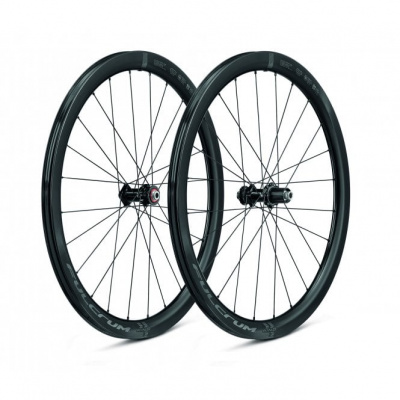
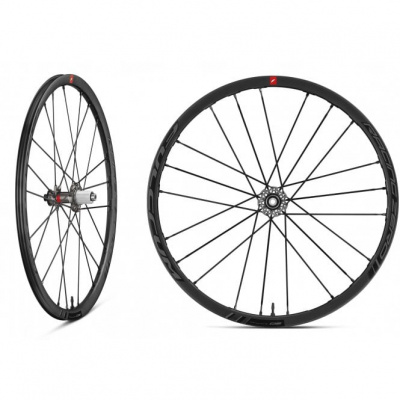
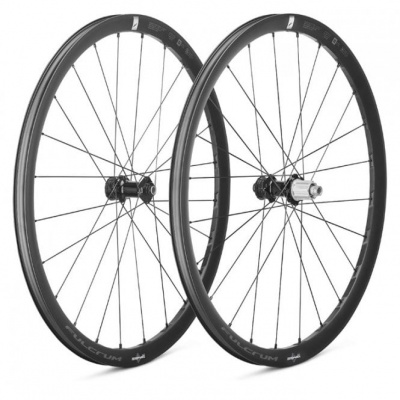
The Two-to-One spoke ratio runs through almost every model in the range - doubling the spoke count on the drive side to balance tension across the wheel and stop wasted flex under hard pedalling efforts. Pair that with 2-Way Fit technology for a clean tubeless conversion, and AFS rotor mounts that accept any standard Centerlock disc, and you've got a system that works straight out of the box on most modern road bikes. Alloy or carbon, rim or disc - the range covers more ground than you might expect. If you're heading off-road, though, check out our dedicated Fulcrum Gravel Wheels page instead.
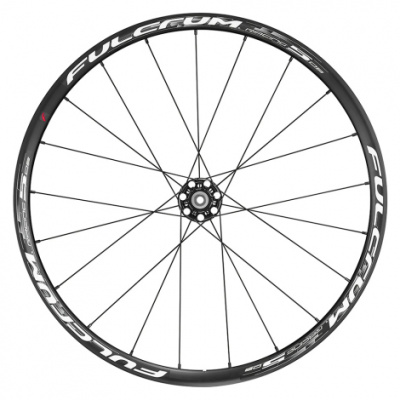
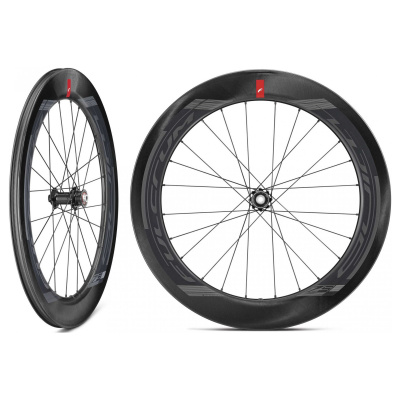
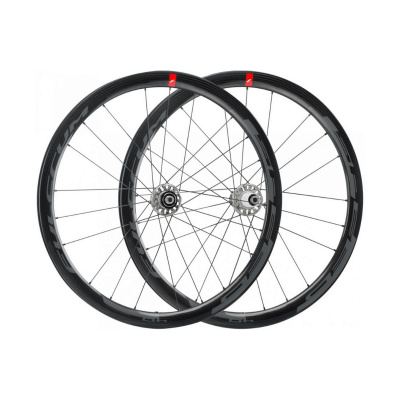
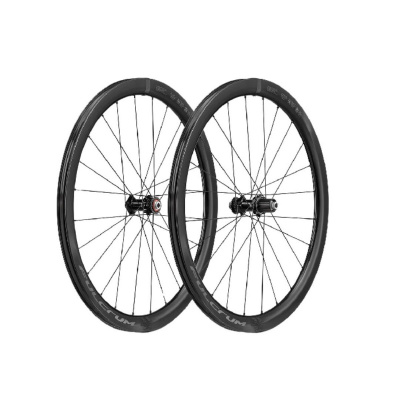
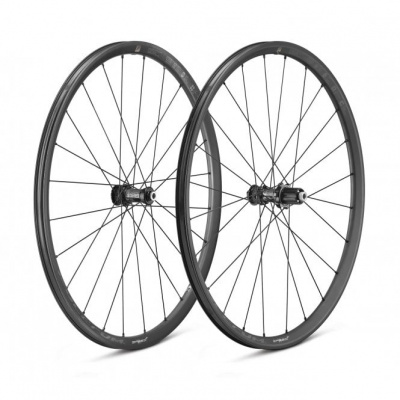
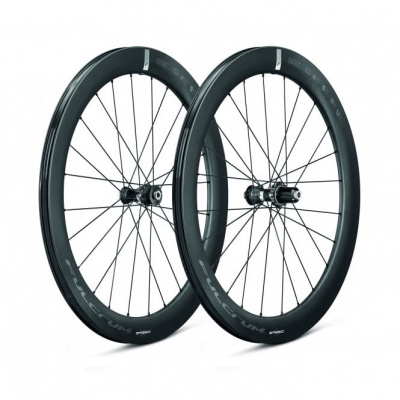
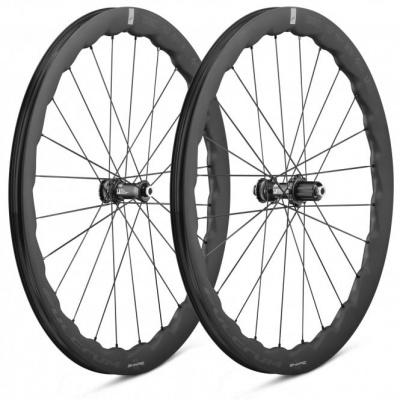
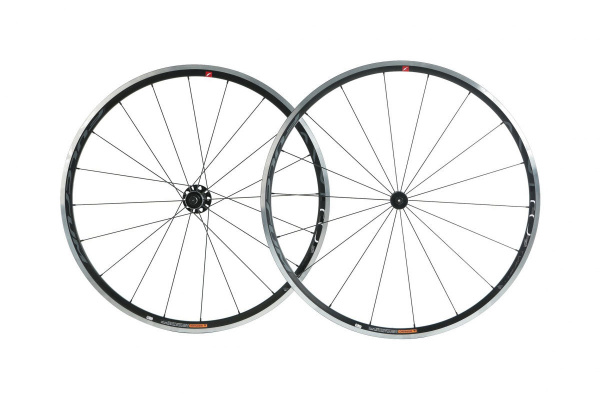
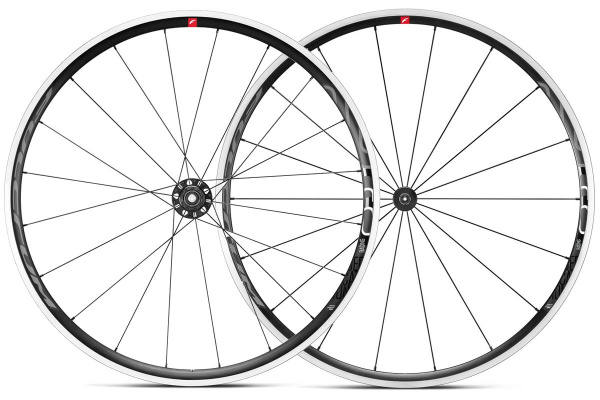
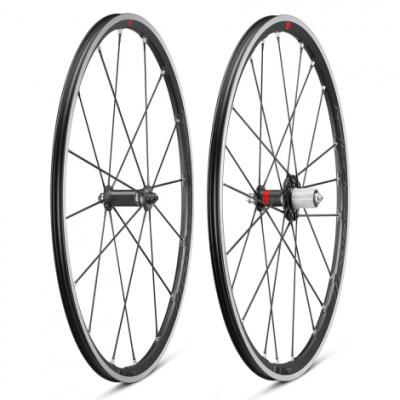
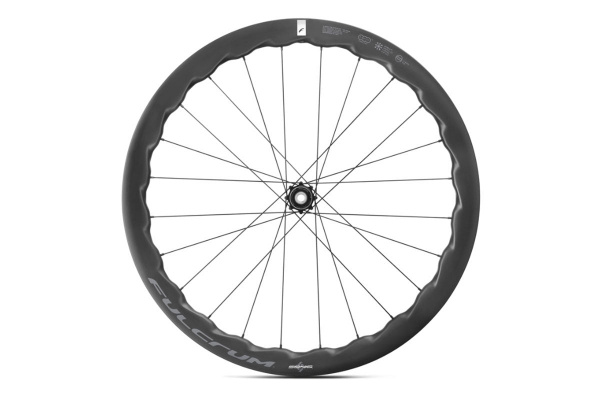
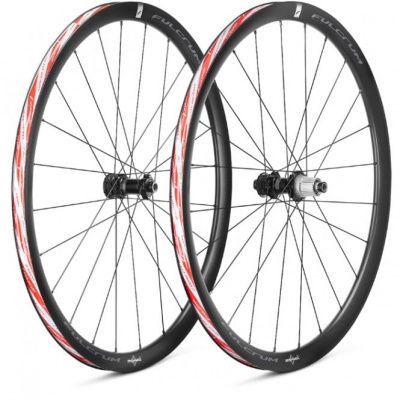
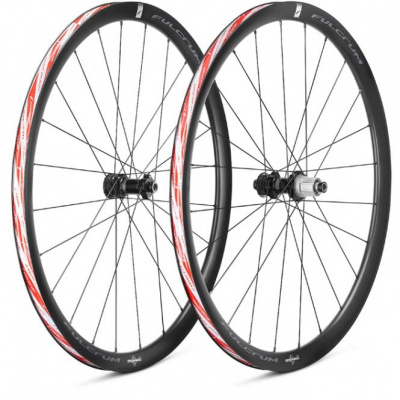
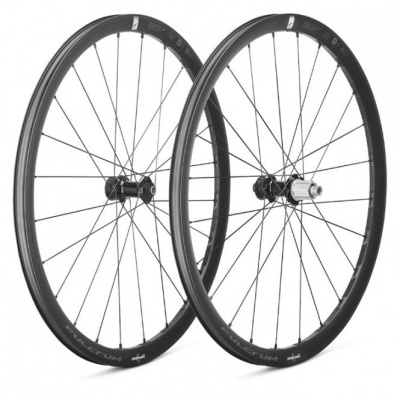
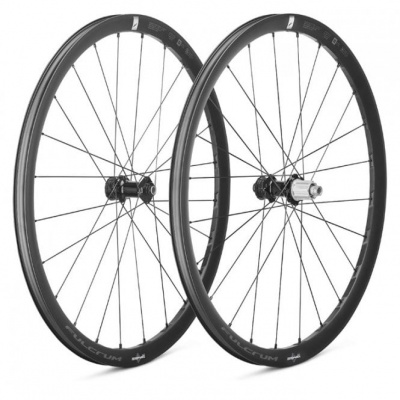
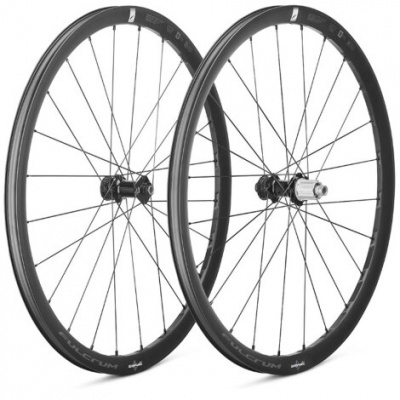
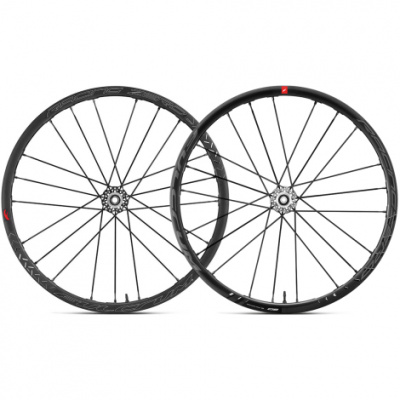
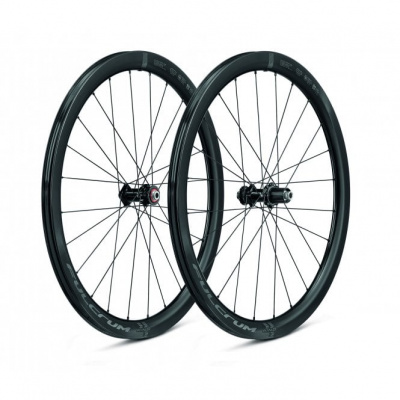
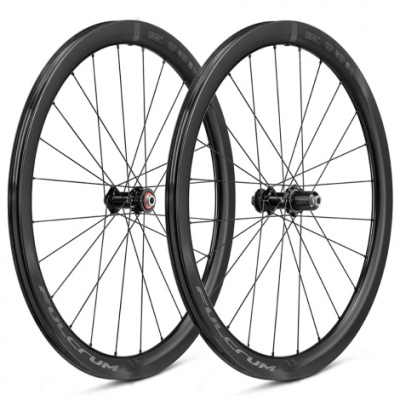
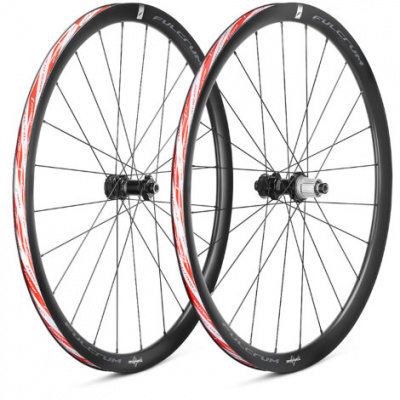
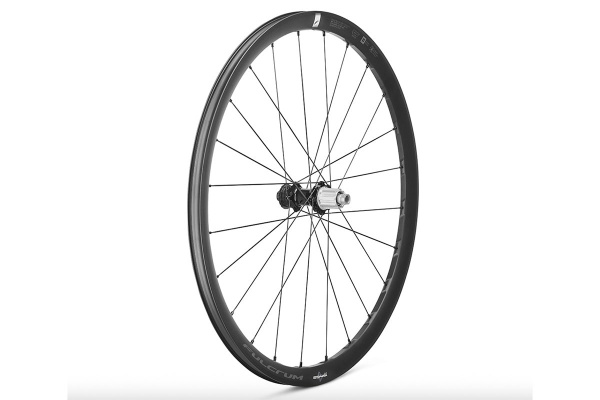
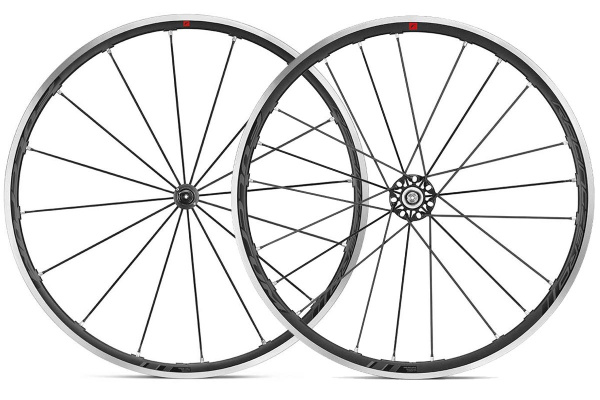
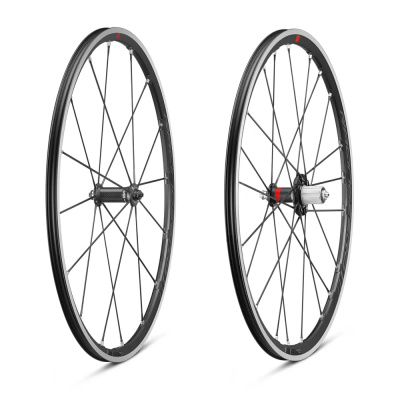
Prices and availability can change quickly. Delivery charges are not always included in listed prices.
Final price, stock status and delivery terms are set by retailer. We may receive a commission on purchases made.
Will They Fit Your Bike? Axles, Freehubs and Rotor Standards
Getting compatibility right before you buy saves a lot of grief in the car park on day one. Fulcrum's disc brake road wheels use standard 12x100mm front and 12x142mm rear thru-axle spacing, so they'll drop straight into the vast majority of modern disc road frames without adapters. Rotor attachment uses Fulcrum's own AFS (Axial Fixing System), which is fully compatible with the industry-standard Centerlock interface - the same one used across Shimano's hub range - so your existing rotors will transfer over without a fuss.
Freehub choice is where it gets slightly more involved. Most Fulcrum wheels ship with an HG11 body as standard, covering Shimano 10, 11, and 12-speed road cassettes. If you're running SRAM AXS, you'll want the XDR freehub body. Campagnolo's newer groupsets need the N3W freehub, which Fulcrum - given the family connection with Campagnolo - supports properly. The good news is that freehub bodies on most Fulcrum models are user-swappable, so if your groupset changes down the line, you're not stuck buying new wheels. For anyone converting an older wheelset or sourcing a replacement body, our Fulcrum Hubs page covers the options in more detail.
Racing, Wind, Speed: Making Sense of the Fulcrum Range
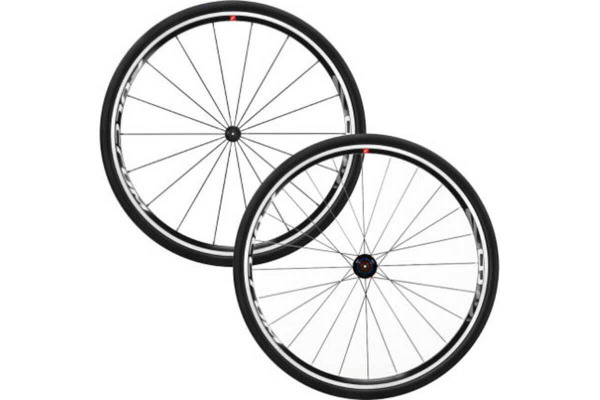
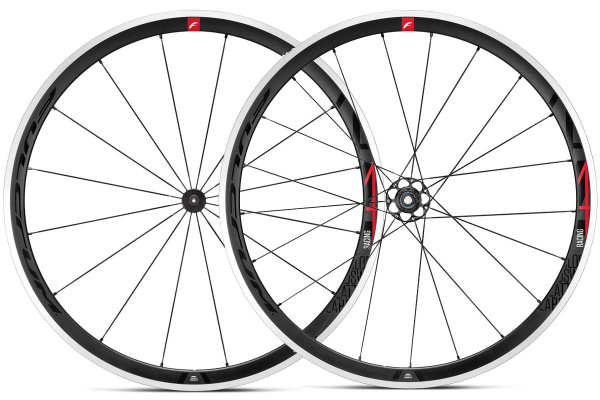
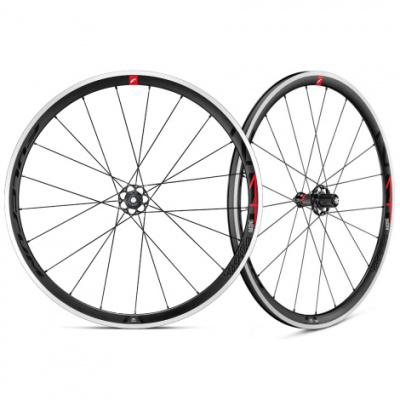
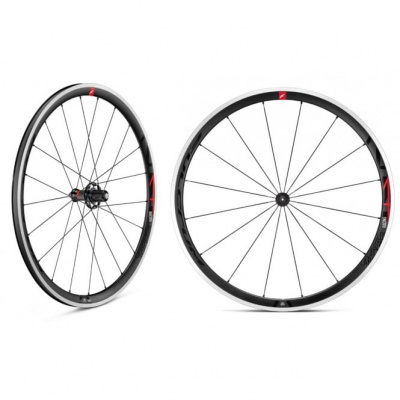
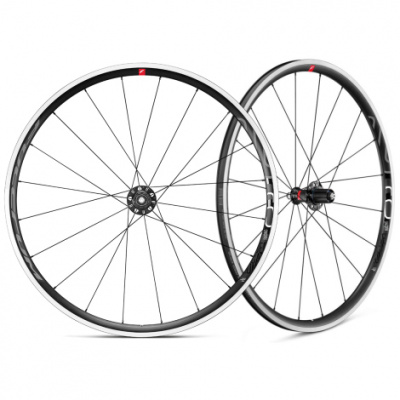
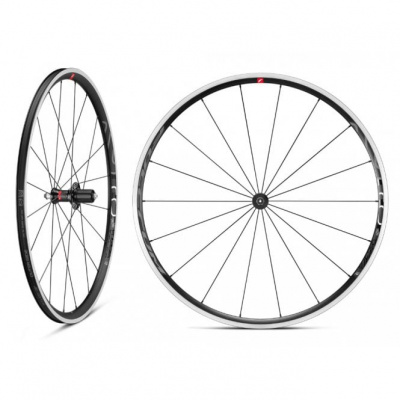
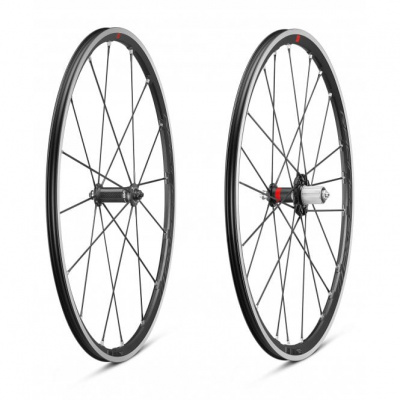
Fulcrum's naming system looks logical once you know the logic. The Racing series runs from the entry-level Racing 7 up through Racing 6, 5, 4, and 3 - lower numbers mean lighter rims, better bearings, and a higher price point. These are alloy wheels, built for durability and reliable braking performance. The Racing Zero sits at the top of this alloy tree: stiff, responsive, and the go-to for riders who want a proper climbing wheel without moving to carbon. It's what Mavic's Ksyrium range competes against on weight and feel.
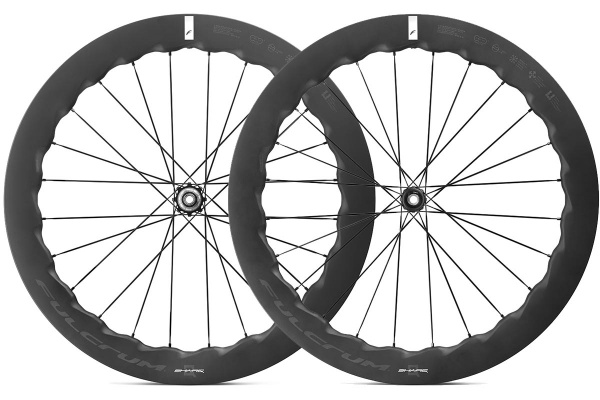
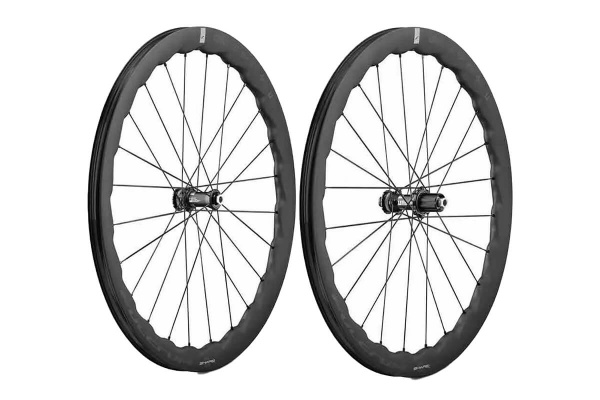
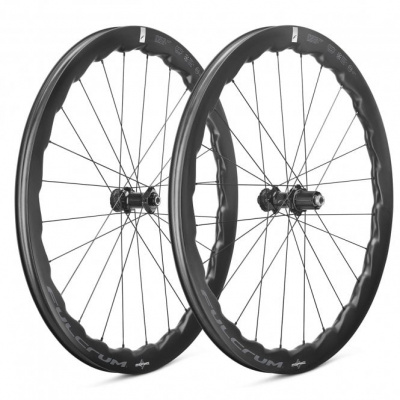
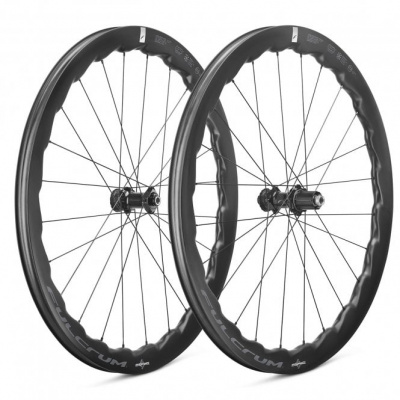
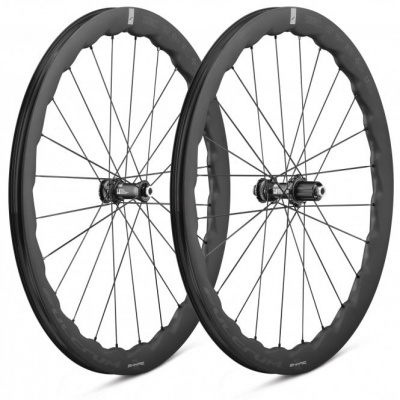
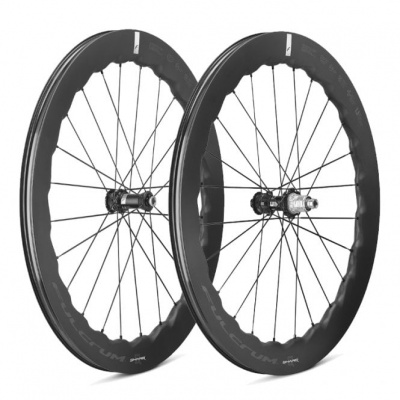
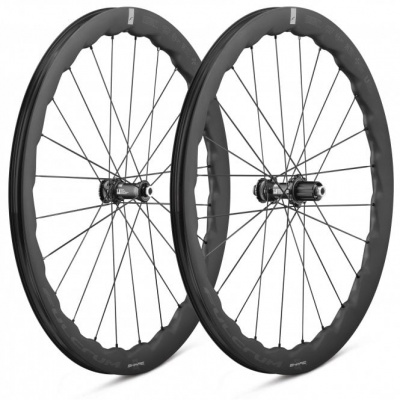
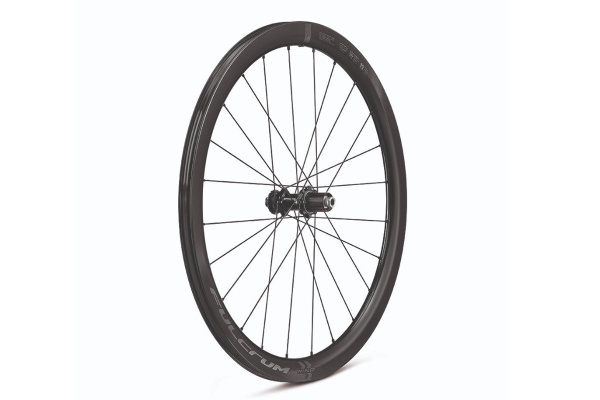
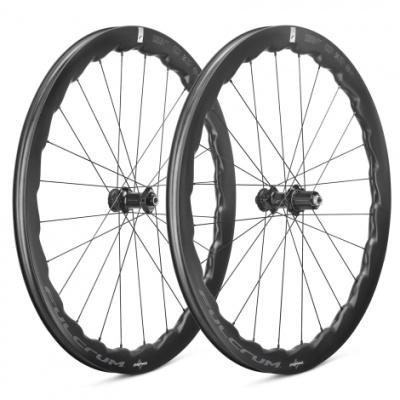
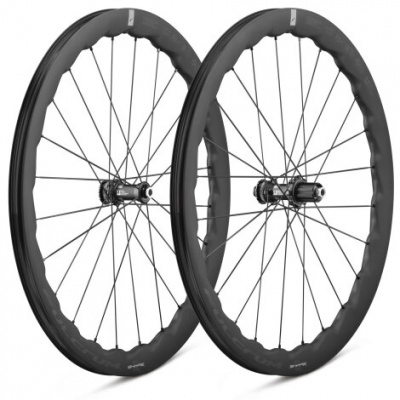
Step up to carbon and you're into the Wind series - deeper-section hoops aimed at faster club runs and sportives where aerodynamic efficiency matters more than raw weight savings. These are the wheels for flatter routes and higher average speeds. Above that sits the Speed series: pro-level carbon construction, exceptional stiffness, and the option of CULT ceramic bearings (Ceramic Ultimate Level Technology) - Fulcrum's highest-spec bearing option. Where USB (Ultra Smooth Bearings) offer a meaningful upgrade over standard steel bearings, CULT goes further still, with lower rolling resistance that you'll notice on long days in the saddle. If budget is the priority, DT Swiss offer comparable carbon depth options at various price points worth comparing.
The practical question is which series suits your riding. For most UK club cyclists doing a mix of sportives, Saturday rides, and the odd midweek thrash, the Racing 3 or 4 hits the balance between longevity and performance. The Wind series makes more sense if you spend time on exposed A-roads or flat sportive courses. The Speed carbon wheels are for riders who know exactly what they want and are prepared to pay for marginal gains at the bearing and rim level.
Surviving UK Roads: Bearings, Rims, and Wet-Weather Sense
British roads ask a lot of road wheels. Pothole-ridden B-roads, persistent surface grit, and six months of rain and salt are the reality for most of us. The alloy Racing models - particularly the Racing 4 and 5 - handle this well. Alloy rims resist the kind of denting that catches out shallower carbon hoops on rough surfaces, and they're considerably easier to true after a poorly-judged line through a pothole on a back lane outside Hexham.
Fulcrum's cup-and-cone bearing design on many models is genuinely useful here. Unlike sealed cartridge bearings - which you replace wholesale when worn - cup-and-cone units can be cleaned, repacked with grease, and adjusted for preload. After a wet winter that's left your hubs notchy and rough, that serviceability is worth real money. Pair that with MoMag technology on higher-end models: the rim bed has no spoke holes drilled through it, which eliminates the main route for water to get inside the rim cavity. No spoke holes also means no tubeless tape required - the rim seals directly. On standard 2-Way Fit Ready models without MoMag, you will need tubeless-specific tape to seal the rim bed before setting up without tubes. It's a straightforward job, but worth knowing before you get the sealant out. Pick up the right valves and tape from our Tubeless Valves section to make the conversion clean first time.
For riders in more exposed spots - the Yorkshire Dales, the Peaks, anywhere with long open stretches - mid-depth profiles around 40mm make more sense than deep-section carbon on a breezy day. Deep rims in crosswinds require constant micro-corrections that wear you out well before the climb does. The Wind series' shallower options thread this needle reasonably well. Keep brake pads matched to your rim material too; the wrong compound on an alloy rim will chew through the braking surface faster than you'd expect.
Fulcrum Road Wheels FAQs
Are Fulcrum wheels compatible with Shimano cassettes?
Yes. Most Fulcrum road wheels ship with an HG11 freehub body, which accepts Shimano 10, 11, and 12-speed road cassettes. The freehub body is swappable on the majority of models, so you can switch to SRAM XDR or Campagnolo N3W later if your groupset changes.
Do I need rim tape for Fulcrum 2-Way Fit wheels?
It depends on the model. Wheels featuring MoMag technology have an undrilled rim bed with no spoke holes, so no tubeless tape is needed - the rim seals directly. Standard 2-Way Fit Ready models do have spoke holes and require tubeless-specific rim tape before you can run them without tubes.
What is the difference between Fulcrum Racing and Wind wheelsets?
The Racing series uses alloy rims with a low profile - great for training, climbing, and year-round use where durability matters. The Wind series moves to deeper carbon profiles optimised for aerodynamic efficiency on faster, flatter roads. Different tools for different jobs, and the price gap reflects that.