
Mavic MTB Wheels
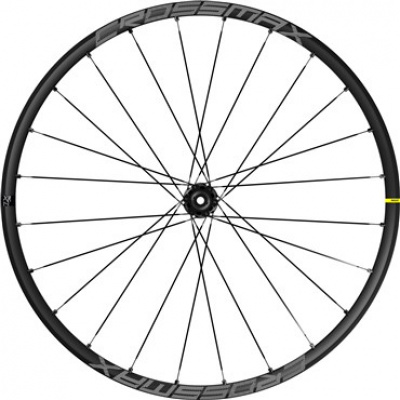
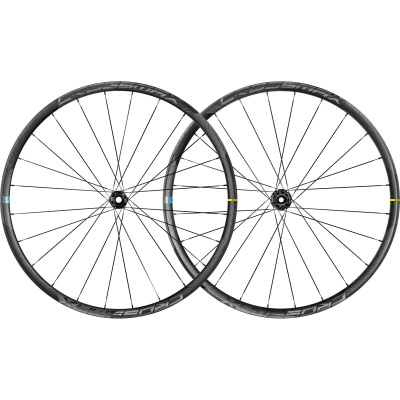
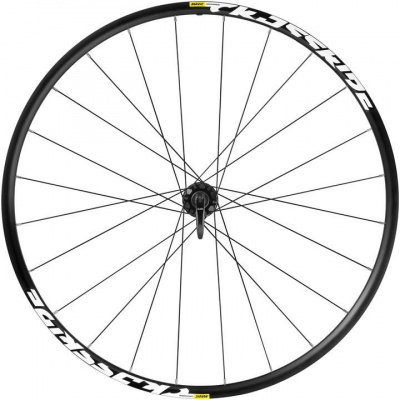
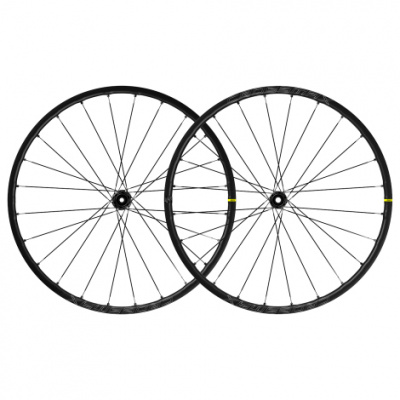
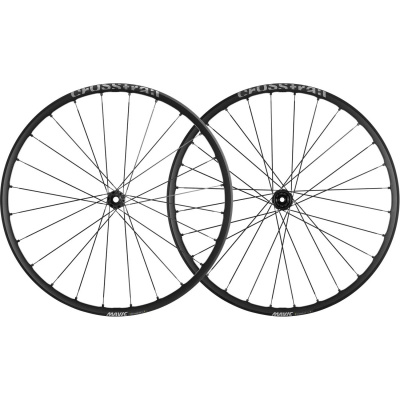
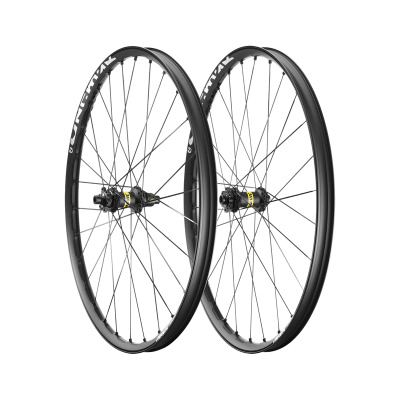
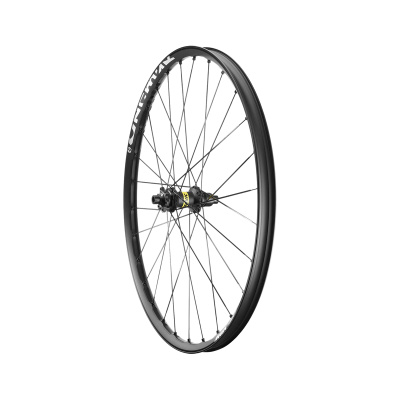
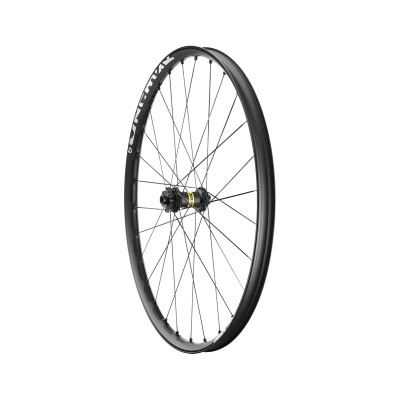
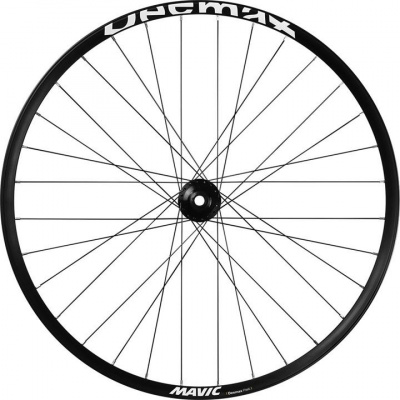
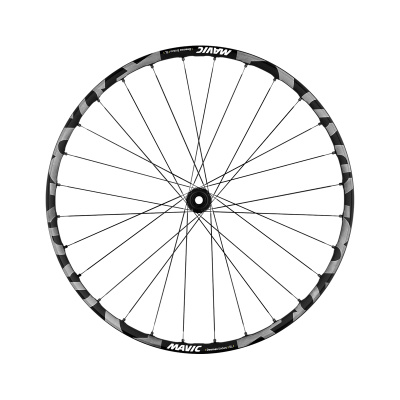
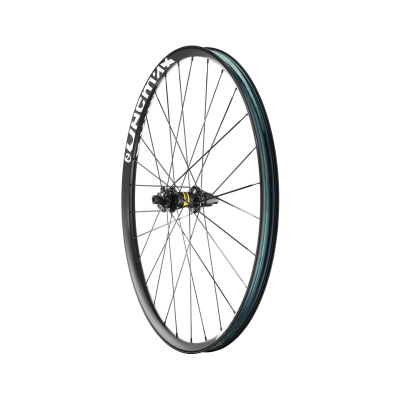
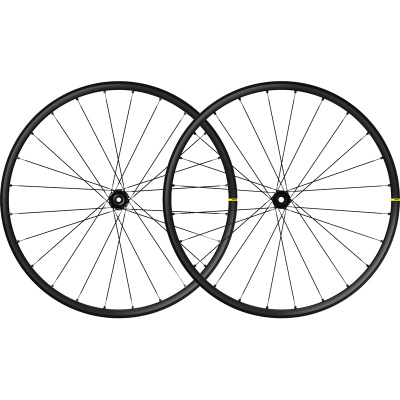
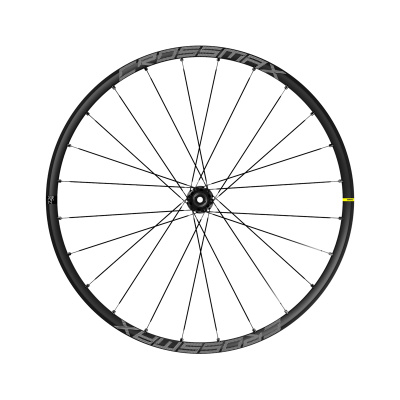
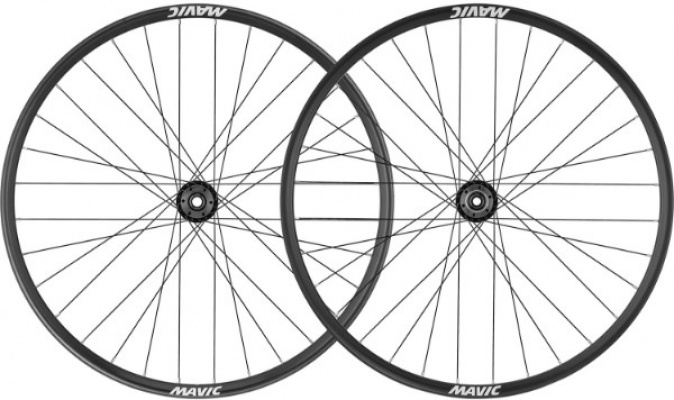
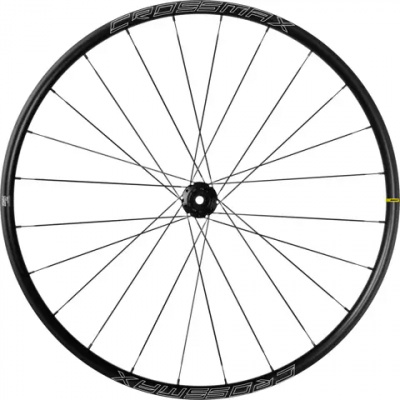
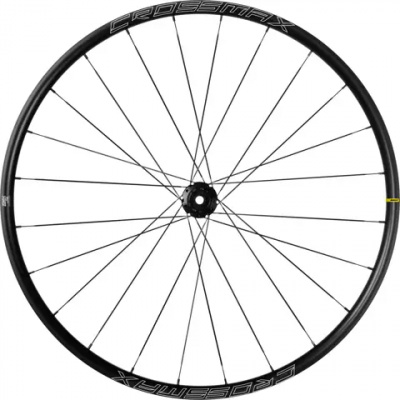
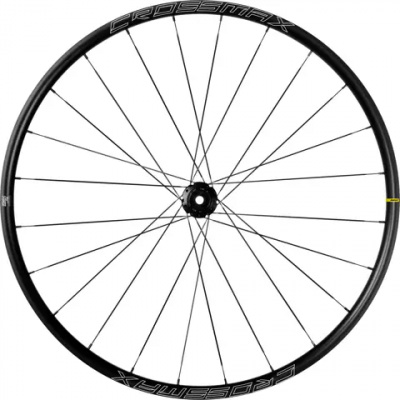
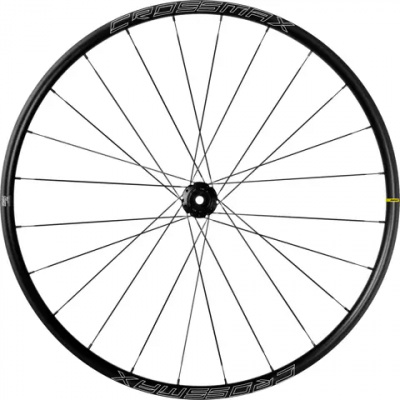
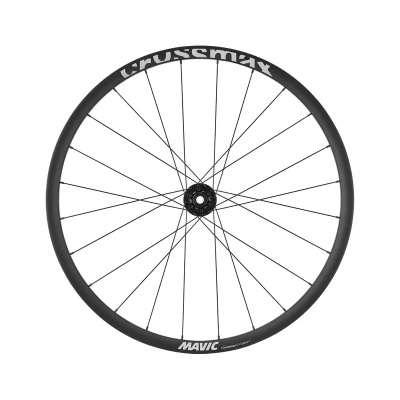
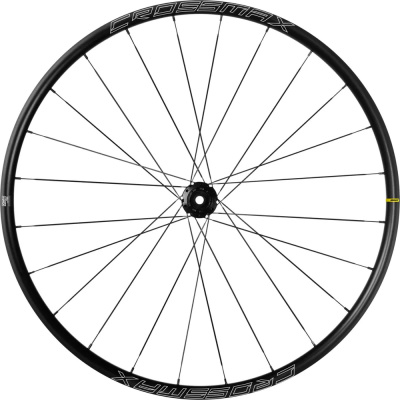
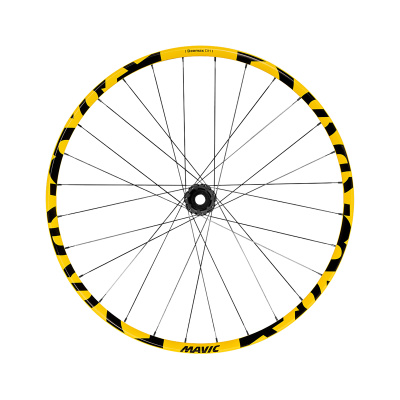
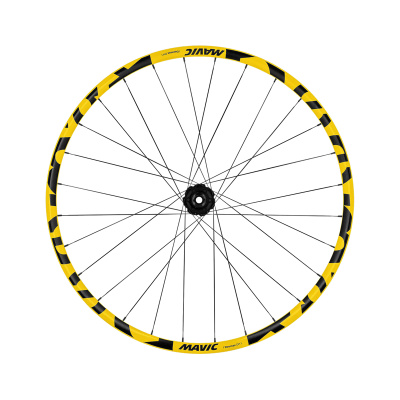
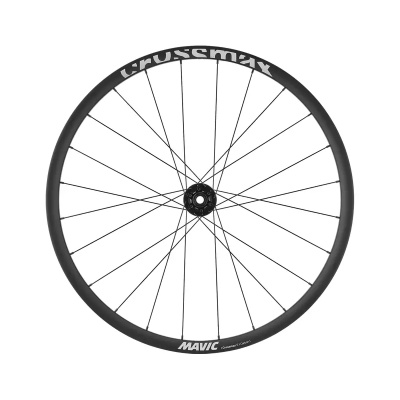
Mavic MTB wheels have earned their place on everything from muddy Peak District singletrack to EWS-level enduro stages - and for good reason. Two core families do the heavy lifting here: the Crossmax line, shaped around cross-country efficiency and trail precision, and the Deemax range, which is built to take serious punishment. Both carry Mavic's UST tubeless technology, which means a secure, burp-resistant seal at the low pressures UK trails demand, without the faff of multiple tape layers. The ID360 freehub underpins both families - nine-degree engagement means the power goes down fast, which matters when you're picking a line on a wet, rooty descent and can't afford a dead spot in the drivetrain.
Rim construction leans on Maxtal aluminium alloy, a higher-strength material than standard 6106 alloy that lets Mavic keep weight down without sacrificing rigidity. Where carbon enters the picture on the higher-end Crossmax models, rotational weight drops further still. Fore technology - Mavic's tapeless tubeless approach - leaves the upper rim bridge intact, so you get a stiffer hoop and a cleaner setup. Whether you're after a light 29er for racing or a wide, reinforced enduro wheelset that laughs off rock strikes, there's a Mavic option worth a close look.
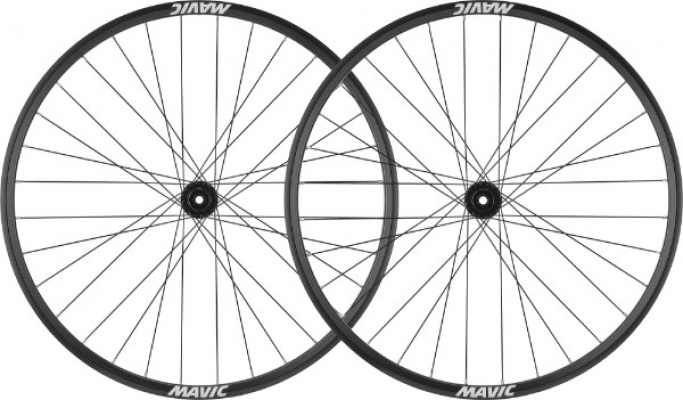
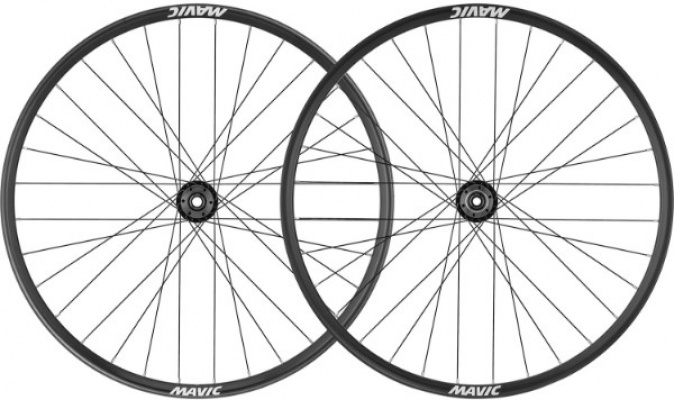
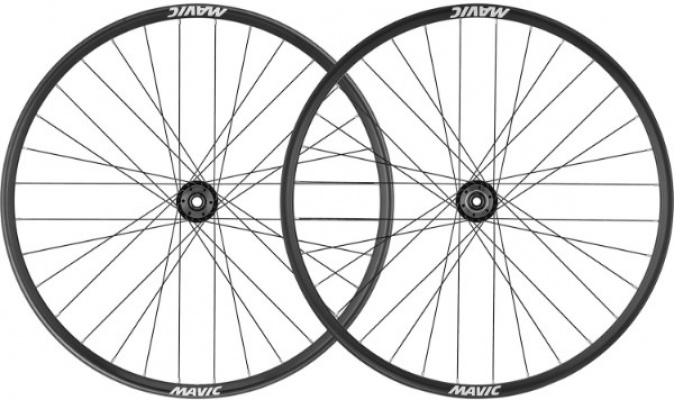
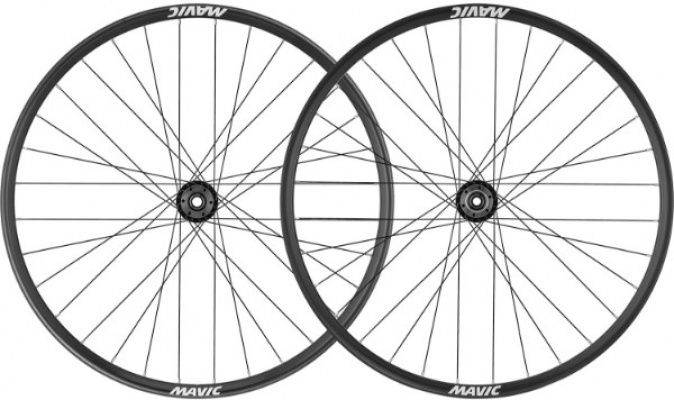
Prices and availability can change quickly. Delivery charges are not always included in listed prices.
Final price, stock status and delivery terms are set by retailer. We may receive a commission on purchases made.
Compatibility and Fitment: Getting the Spacing Right
Before anything else, check your frame and fork spacing. Most modern trail and enduro bikes run Boost - 15x110mm at the front and 12x148mm at the rear - and Mavic's current Crossmax and Deemax wheels are built around that standard. If you're running an older frame with non-Boost spacing, options narrow quickly, so it's worth confirming before you add anything to a basket. Downhill-specific rigs may use Super Boost rear spacing at 157mm, and Mavic covers that with dedicated Deemax builds.
Brake rotor mounting is the next fork in the road. Mavic wheels come in both Centerlock and 6-bolt rotor variants depending on the model and build spec - Centerlock is tool-tidy and increasingly common on higher-end groupsets, while 6-bolt remains more universal across budget brake options. Neither is better on the trail; it's purely about what your calipers need. Freehub body compatibility matters too: Shimano HG, Micro Spline for 12-speed Shimano, and SRAM XD for Eagle drivetrains are the standards you'll encounter across the Mavic range. Double-check your cassette before ordering. If you're piecing together a custom build or need to replace individual components rather than a full wheelset, we carry Mavic hubs and Mavic rims separately for exactly that.
Crossmax vs Deemax: Picking the Right Family
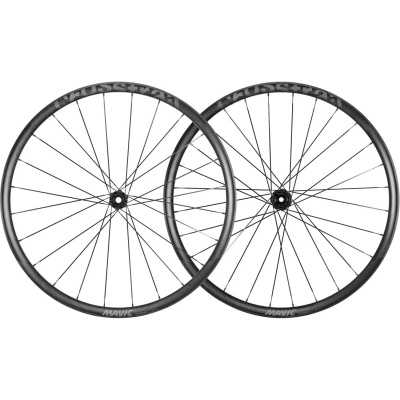
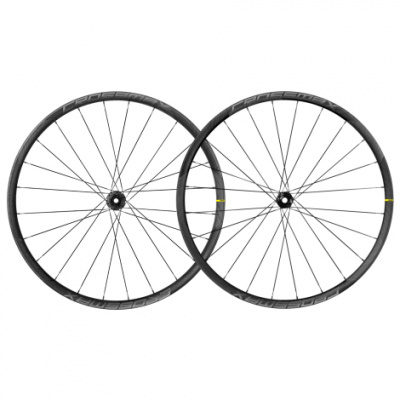
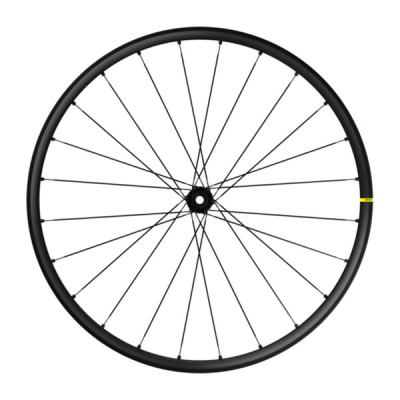
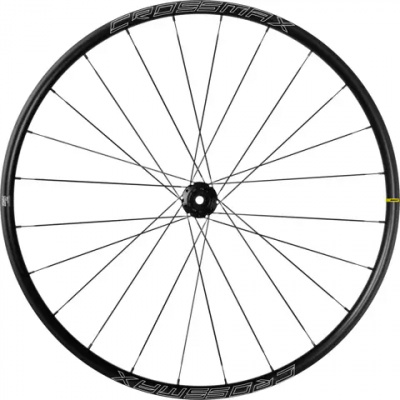
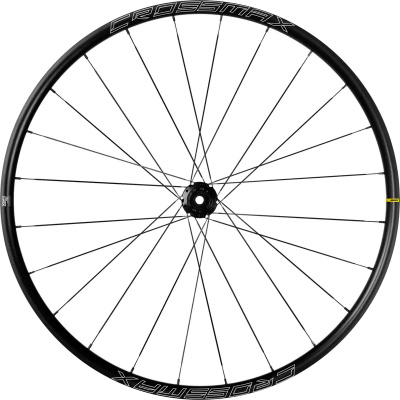
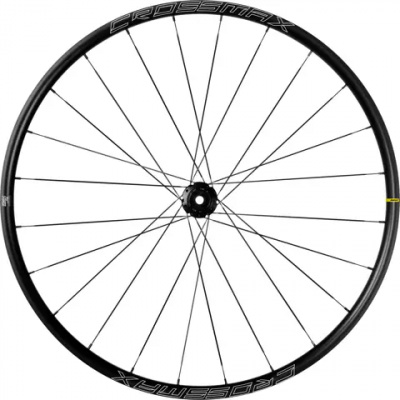
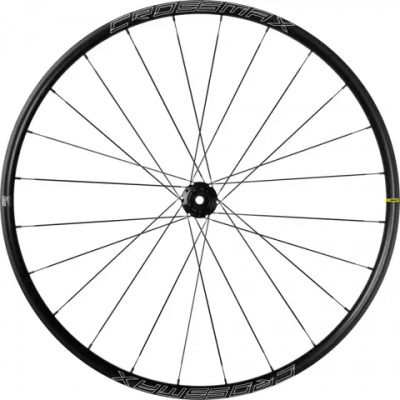
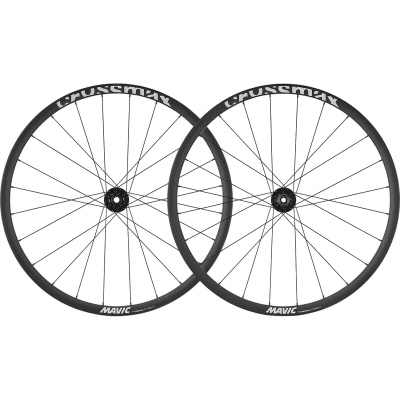
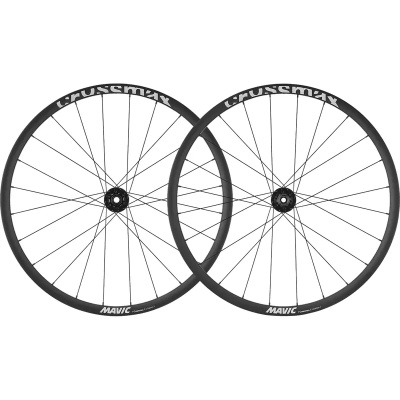
The Mavic Crossmax 29er wheelset is the go-to for XC racers and riders who spend most of their time climbing hard and descending fast on natural trails. The SL and SL R variants push into carbon rim territory, dropping rotational weight to the point where you feel it on long, repeated climbs. The XL and XL R sit in a more accessible alloy bracket - still built around Maxtal for that strength-to-weight advantage - and suit aggressive trail riders who want efficiency without a carbon price tag. Crossmax rims run relatively narrow internal widths, which pairs well with 2.2 - 2.4in tyres and keeps things lively on hardpack or dry UK summer trails.
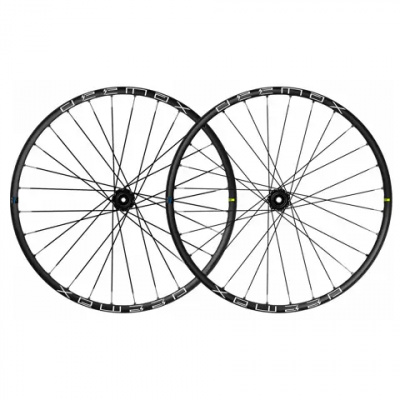
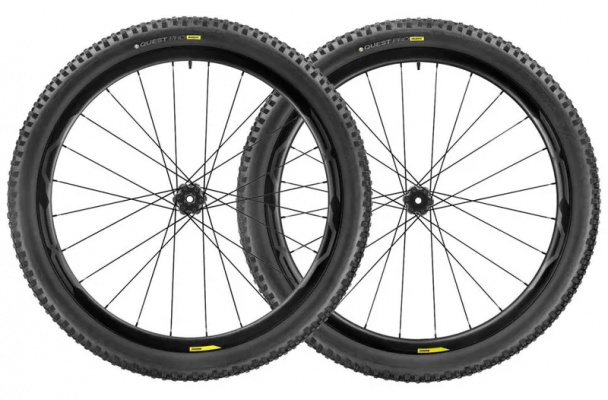
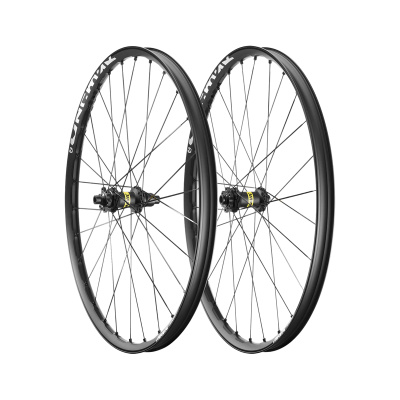
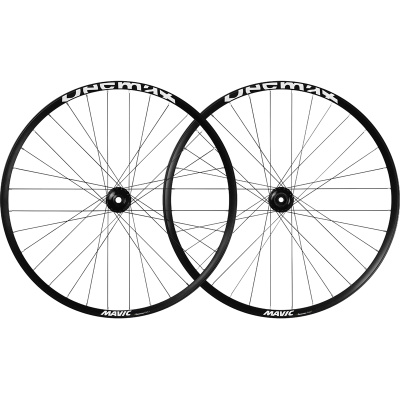
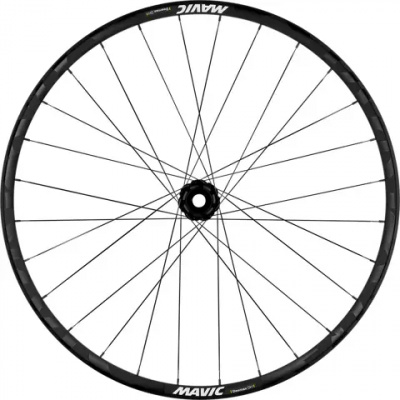
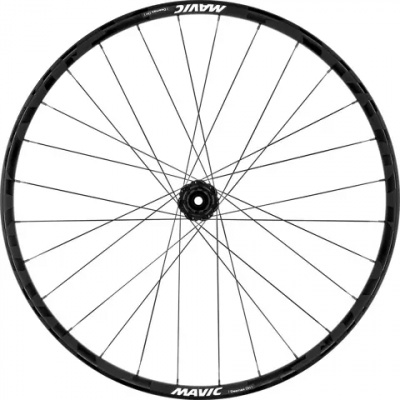
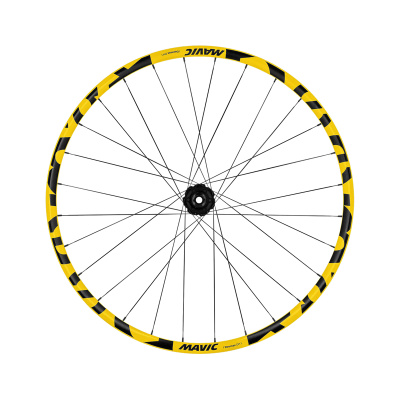
The Mavic Deemax enduro wheels are a different animal. Internal rim widths go wider, spoke beds are reinforced to handle lateral impacts, and Black Shield rim treatment adds a layer of protection against the kind of rock strikes you'd pick up on a Brecon Beacons descent or a loose Scottish trail. Deemax also covers E-MTB use, where the additional torque load through the drivetrain and the extra bike weight demand a wheel that simply won't flex under pressure. If the difference between Crossmax and Deemax still feels abstract - think of it this way: Crossmax is built around going fast with minimal mass, Deemax is built around surviving whatever you throw at it. Most riders land somewhere between the two, and the trail-spec Crossmax XL often hits that middle ground well. Compared to something like DT Swiss MTB wheels or Hope MTB wheels, Mavic's UST tubeless integration is notably more integrated from the factory - less faff at setup, particularly for riders who don't want to spend Sunday morning fighting rim tape. Need replacement spokes for your Crossmax or Deemax? Find exact matches in our Mavic spokes and nipples category. If your riding leans more towards drop-bar off-road, check out our Mavic gravel wheels.
Keeping Mavic Wheels Running Through a UK Winter
UK trails are hard on wheels in a way that a dry September lap doesn't prepare you for. Peak District grit works into every moving part, grinding freehub seals faster than most riders expect. Welsh trail centres turn into mud baths from October onwards. The ID360 freehub is genuinely well-suited to this environment - its dual ratchet mechanism engages in nine degrees, which is fast enough that you're not coasting through a pedal stroke when you need grip. But it needs the right grease. Mavic specifies their own ID360 grease for the ratchets, and it matters: thick marine grease or heavy wet lube will cause the pawls to drag or stick in cold weather, killing that snappy engagement. Use the correct product, and a quick winter service is straightforward.
The tool-free nature of the ID360 is genuinely useful here. Pull the cassette, slide the freehub body off the axle by hand, clean the ratchets, regrease, reassemble. No workshop appointment needed - you can do it in the car park after a particularly filthy ride. That kind of accessibility is something Crank Brothers MTB wheels and Halo MTB wheels approach differently, with their own service designs, but Mavic's system is among the cleaner ones to work on in a hurry.
Fore technology earns its keep in winter, too. Because there's no rim tape to degrade or peel when sealant gets contaminated by cold muck, the tubeless setup stays reliable across the season. Standard taped rims can develop air leaks as tape adhesive fails in repeated freeze-thaw cycles - Fore sidesteps that entirely by leaving the upper rim bridge structurally intact. Add in Black Shield rim treatment on Deemax models to resist the inevitable scratches and dings from loose rock, and you've got a wheel designed with longevity in mind rather than just launch-day performance. Complete your trail setup with our range of Mavic MTB and gravel shoes and Mavic helmets for maximum control and protection on the descents that matter.
Mavic MTB Wheels FAQs
Are Mavic MTB wheels tubeless ready?
Yes. Virtually all current Mavic MTB wheels use UST (Universal System Tubeless) technology for a reliable, burp-resistant seal. Models with Fore technology go further - the upper rim bridge stays intact, so there's no rim tape required at all. That means a faster setup and one less thing to go wrong mid-season.
What is the difference between Mavic Crossmax and Deemax?
Crossmax is built for XC racing and trail riding - it prioritises low rotational weight and climbing efficiency, with carbon options in the SL and SL R variants. Deemax is the enduro and downhill wheelset, with wider internal rim widths, reinforced spoke beds, and Black Shield protection against rock strikes. More mass, more durability - that's the trade-off.
How do I service a Mavic ID360 freehub?
The ID360 is tool-free to remove - pull the cassette, then slide the freehub body straight off the axle by hand. Clean the dual ratchets, apply Mavic's own ID360 grease sparingly, and reassemble. Don't use thick marine grease or heavy wet lube; in cold weather it'll cause the ratchets to drag and you'll lose that fast nine-degree engagement.