
Mavic MTB & Gravel Shoes
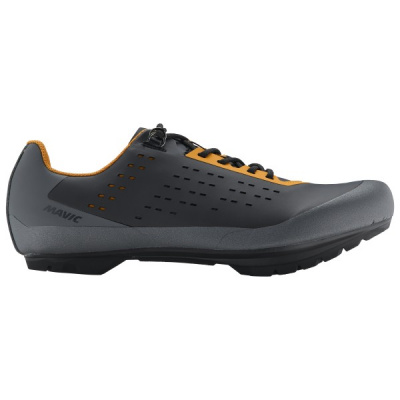
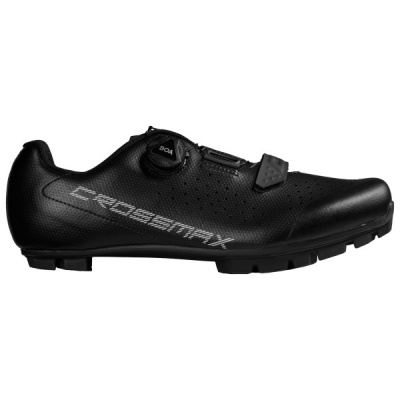
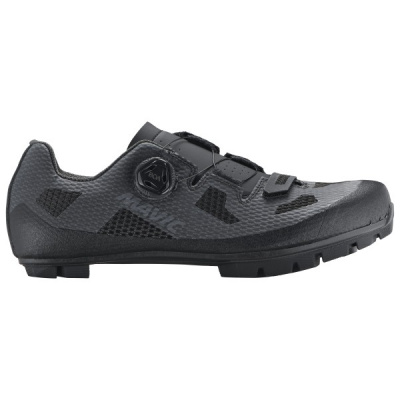
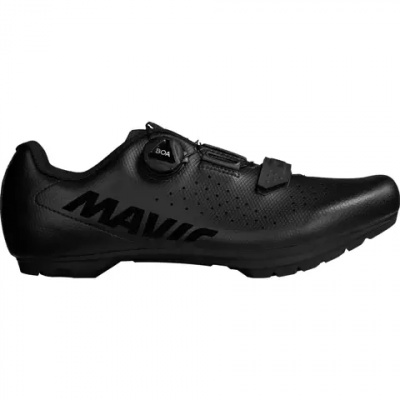
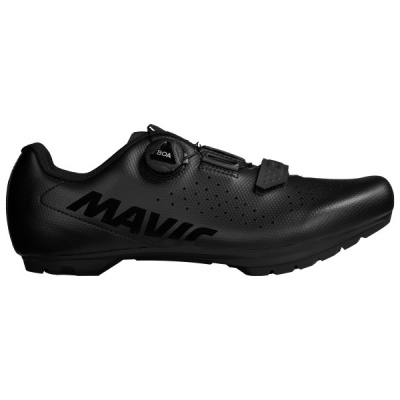
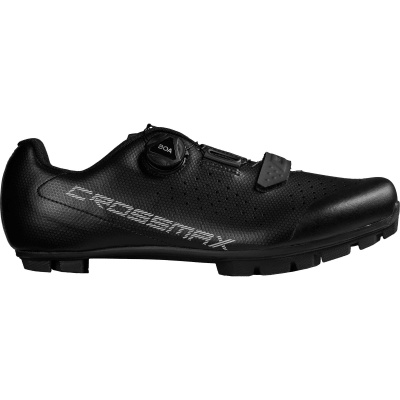
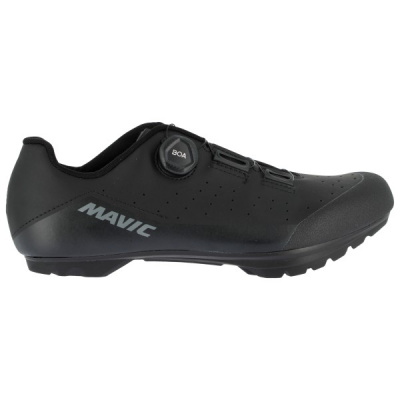
Mavic MTB and gravel shoes cover the full spread of dirt riding - from clipped-in XC racing to long bridleway grinds where you're pushing the bike as much as pedalling it. Mavic have been building off-road footwear long enough to understand what actually matters when trails get technical: power transfer that doesn't bleed away into a flexy sole, grip you can trust on a muddy hike-a-bike, and an upper that handles bramble scratches and sudden downpours without turning into a wet flannel. The range runs from the race-focused Crossmax through the adventure-ready Allroad to the burly Deemax, so there's a shoe matched to how you actually ride rather than some average of everything. Proprietary Contagrip rubber tread deals with the kind of sloppy, clinging mud you get on UK winter trails, while BOA L6 dials let you dial fit mid-ride with cold, gloved hands - no fumbling with laces or buckles. Matryx uppers blend Kevlar with polyamide for a shell that breathes reasonably well and shrugs off gorse and grit without absorbing water weight. If you're also running Mavic wheels, the engineering philosophy is consistent right through the contact points.
Prices and availability can change quickly. Delivery charges are not always included in listed prices.
Final price, stock status and delivery terms are set by retailer. We may receive a commission on purchases made.
Outsole Tech and Weather Performance
The foundation of every Mavic off-road shoe is the Energy Grip outsole - a carbon composite structure stiff enough to keep your power going into the pedal rather than flexing away into the sole. That stiffness matters most on longer efforts, where a soft outsole quietly robs you over the course of a ride. Around the cleat area, the sole is shaped to shed mud rather than pack it in, which is a detail that genuinely makes a difference when you're riding chalky Peak District bridleways or the kind of heavy clay you find on North Downs winter loops.
The Contagrip rubber tread handles the off-bike moments. Lug spacing is deliberately open to clear thick mud on dismounts and hike-a-bike sections - the sort of squelchy, boot-grabbing stuff that clogs narrower treads solid. On rocky scrambles or wet boardwalk, Contagrip bites cleanly rather than skating. It's the same rubber compound Salomon use across their trail running range, so its pedigree on unpredictable surfaces is well established.
Uppers on the performance models use Matryx technology - a woven Kevlar and polyamide blend that's worth understanding properly. It's not a traditional mesh that opens up and lets the world in, nor a waterproof membrane that traps heat and moisture inside. Instead, Matryx sits between those two extremes: abrasion-resistant enough to take repeated contact with gorse, fence posts, and loose grit without fraying, but structured in a way that allows reasonable airflow. In a UK context, that means the upper won't act like a sponge in a downpour, and it dries out faster than a standard textile once you're back indoors. Pair them with Mavic socks and you've got a system that works together from the start.
Understanding the Mavic Fit and Range
Three lines, three distinct purposes. Get this right and you've got a shoe that fits both your foot and your riding. Get it wrong and you'll be fighting the shoe all day.
The Crossmax is the XC and race shoe. It's the lightest option in the range, built around a stiff Energy Grip outsole with minimal bulk. The fit is snug and performance-oriented - it rewards riders who want direct feedback from the pedal and don't need a platform that's comfortable to walk long distances in. If your riding is predominantly clipped in and moving, this is the shoe. Mavic MTB wheels and Crossmax shoes share that same race-kit logic.
The Allroad targets gravel and adventure riding. The outsole is still stiff enough for efficient pedalling but the lug pattern is more walkable, and the overall construction is built for days that mix long road connectors with rougher tracks. It's the Mavic gravel shoe most riders will find genuinely versatile. If you're exploring the Scottish gravel network or stringing together a multi-surface loop through the Cotswolds, the Allroad makes sense as a daily driver. Compared to options from Fizik or Giro in this category, the Allroad holds its own on walkability while keeping pedalling efficiency honest.
The Deemax is the trail and enduro option. More protective around the toe box, more robust through the upper, and built for rides where you're regularly dismounting on technical ground. It's heavier than the Crossmax - that's the trade-off - but on a gnarly Welsh trail centre descent or a rooty Scottish enduro stage, that extra protection earns its weight.
On sizing: Mavic's last runs slightly narrow by default, with a performance-oriented shape that suits riders with a medium to slimmer foot profile. If your foot is on the wider side, or you plan to wear thick waterproof socks through winter, sizing up by half a size is sensible. Worth checking before you order rather than after - Ortholite insoles can help fine-tune the fit once you've got the right shell size, but they won't fix a shoe that's fundamentally too narrow across the ball of the foot. The Mavic Deemax trail shoes in particular have a slightly roomier toe box than the Crossmax, which some riders will find suits them better even outside of enduro use.
Mavic SPD shoes across the range use a standard 2-bolt mounting pattern, so compatibility with your existing pedals isn't a concern - more on that in the FAQ below.
Keeping Them Going Through a UK Winter
Mavic's off-road shoes aren't marketed as waterproof, and that's actually fine. A fully waterproof shoe often holds water once it gets in over the ankle, and dries painfully slowly. The Matryx upper manages moisture better than most: water doesn't soak in readily, and what does get through drains and evaporates faster than a traditional textile construction. For genuinely deep winter riding - think January mud on the South Downs or a soaked Yorkshire bridleway - neoprene overshoes over the Allroad or Crossmax are the practical answer. They trap heat, block wind, and keep the worst of the spray off. Waterproof socks work well too, particularly if you're doing shorter rides and want to skip the overshoe faff.
Maintenance is straightforward but worth doing consistently. After muddy rides, let the shoes dry partially before cleaning - trying to scrub wet mud just smears it. Once dry, a stiff brush through the Contagrip lugs clears packed grit and keeps the tread pattern doing its job. Pay attention to the BOA L6 dials: mud and fine grit can work into the mechanism over time, and a quick brush-out after dirty rides keeps them clicking smoothly. Never dry the shoes on a radiator or near a direct heat source - composite soles can warp at sustained heat, which affects both fit and the bond between layers. Stuff them with newspaper and leave them somewhere with decent airflow. It's not glamorous advice, but it keeps a quality shoe in good shape for years rather than one season.
If you're building out a complete trail kit, it's worth looking at Mavic gravel wheels alongside the shoes - the brand's engineering consistency across components means the system genuinely hangs together. And if you're curious how the off-road range sits relative to Mavic's tarmac options, Mavic road shoes follow the same fit philosophy with a harder focus on stiffness and weight.
Mavic MTB & Gravel Shoes FAQs
Are Mavic MTB shoes true to size?
Mavic's last runs slightly narrow and performance-oriented, so they're not always a straight true-to-size fit. Riders with wider feet, or anyone planning to wear thick waterproof socks in winter, will generally find half a size up works better. If you're between sizes, err on the larger side rather than squeezing in.
Can you use Mavic gravel shoes for mountain biking?
Yes, in most cases. Mavic gravel shoes use a standard 2-bolt SPD-compatible sole and carry enough outsole stiffness and Contagrip grip for cross-country and light trail riding without issue. If your riding is more aggressive - enduro, chunky descents, technical rock sections - the Deemax is the better call, with more protective construction around the toe.
What cleats are compatible with Mavic MTB shoes?
All Mavic MTB and gravel shoes are built around a standard 2-bolt mounting system. That means they're fully compatible with Shimano SPD, Crankbrothers, Time ATAC, and any other 2-bolt off-road cleat system. No adapters needed - just bolt your existing cleats straight on.