
Mavic Socks
Mavic cycling socks sit at the last point of contact between your body and the bike - and that makes them matter more than most riders give them credit for. Get the sock wrong and you're fighting hot spots, bunching around the toe box, or cold, damp feet by the first climb. Get it right and it's one less thing on your mind for the next four hours.
Mavic's range covers the full spread. Lightweight open-mesh constructions using Q-Skin antimicrobial fibres handle the sweat and heat of hard summer efforts, moving moisture away before it becomes a problem. At the other end, Merino wool blend options bring natural thermoregulation to cold, wet winter base miles - the kind of riding where a damp synthetic sock turns a good day into a miserable one fast.
Across the range you'll find compressive arch support, flatlock seams at the toe, and heel and toe reinforcement that holds up session after session. Profiles run from classic crew length to taller mid-calf race cuts. Whether you're pairing them with Mavic road shoes or lining up for a long gravel day, there's a sock in this range built around how your foot actually sits in a cycling shoe.
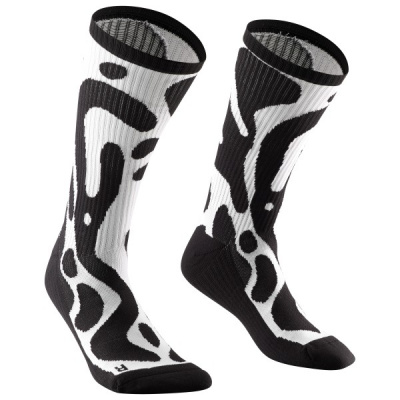
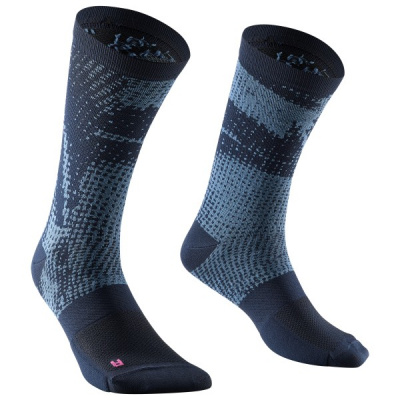
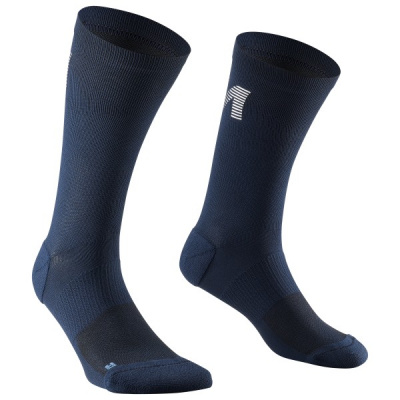
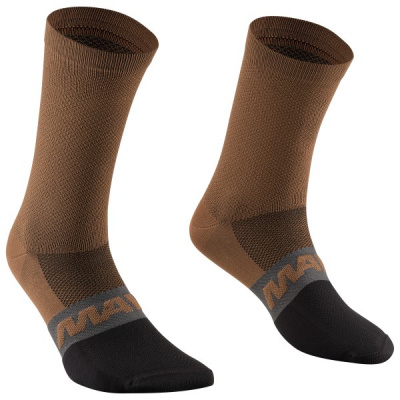
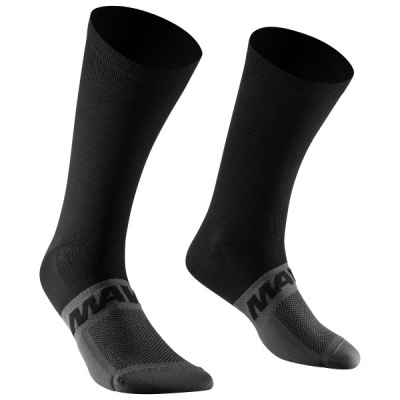
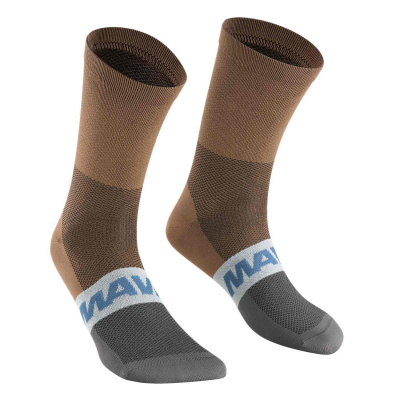
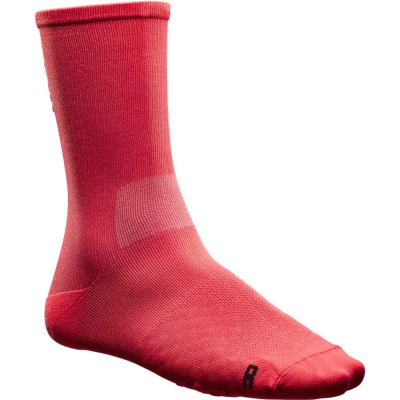
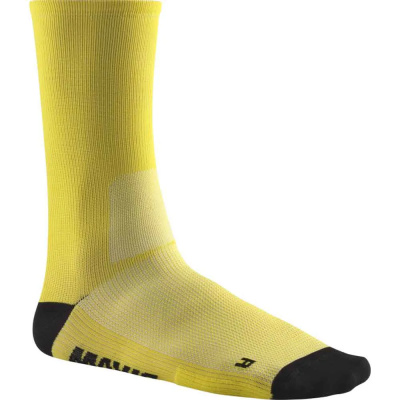
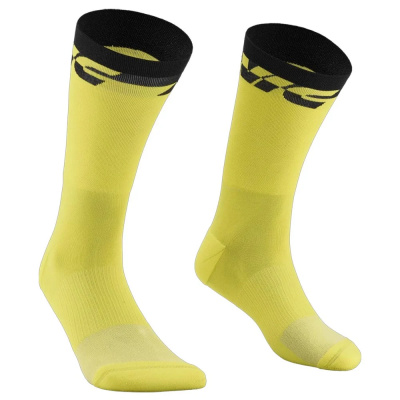
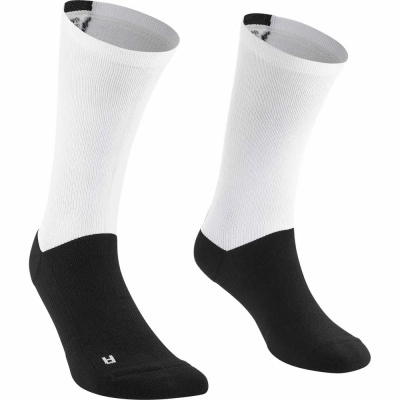
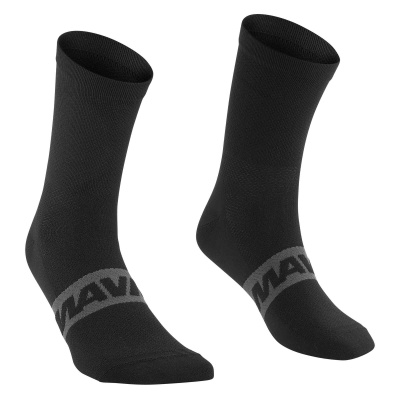
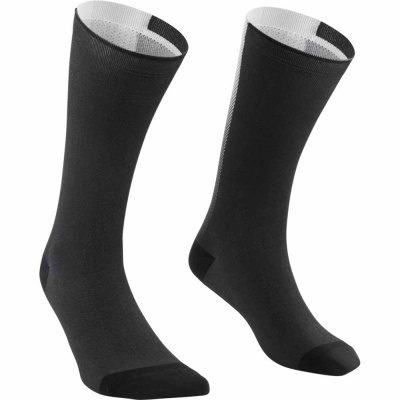
Prices and availability can change quickly. Delivery charges are not always included in listed prices.
Final price, stock status and delivery terms are set by retailer. We may receive a commission on purchases made.
Fabric Tech and Weather Performance: Q-Skin to Merino
The material story in Mavic's sock range splits cleanly along seasonal lines, and understanding it helps you pick the right tool rather than just grabbing what's on sale. Summer socks lean on Q-Skin fibre - a synthetic antimicrobial yarn woven into open-mesh panels that sit across the most heat-generating parts of the foot. The mesh isn't decorative. It pulls warm, humid air away from the skin, accelerates evaporation, and the antimicrobial treatment keeps odour from building up across multi-day trips or back-to-back rides. On a hard climb in July, that moisture-wicking action is the difference between dry feet at the top and socks that feel like they've been wrung out.
The winter side of the range swaps that open construction for a Merino wool blend. Merino's key property here isn't just warmth - it's the way it holds a significant proportion of its insulating ability even when wet. On a damp November morning in the Peak District, where you're going to get rained on regardless, a Merino sock keeps working while a thin synthetic has already given up. The blend typically pairs Merino with a percentage of nylon or elastane, which adds durability and keeps the sock's shape over time. Pure Merino would pill and sag; the blend doesn't.
For the shoulder season - those rides where the forecast sits stubbornly between summer and winter - a mid-weight option with partial Merino content and tighter knit construction gives you adaptability without bulk. UK riding in March or October rarely rewards extremes. Quick-drying synthetics also earn their place here; a sudden shower that soaks a heavy winter sock is far less of an issue in a tighter-knit mid-weight construction that drains and dries on the move.
Understanding the Mavic Fit and Range
Mavic produces socks in two primary silhouettes, and the choice between them is partly functional, partly personal. The crew length cut sits just above the ankle - the everyday workhorse that pairs with bib tights, shorts, or leg warmers without creating a visible gap or a bunched cuff. Most riders will spend the majority of their riding time in this profile. It's unfussy and versatile.
The taller mid-calf length is where the aero argument comes in. A longer sock that sits high on the calf reduces the exposed skin-to-air interface around the lower leg, and at race pace that does produce a measurable drag reduction. Aero cycling socks in this cut are popular at sportives and crits, and they've crossed over into gravel riding too, where the coverage also keeps trail debris off your ankles. If you're riding Mavic MTB and gravel shoes, the taller cuff pairs well with the lower collar height common in that footwear category.
Fit precision matters more in cycling socks than almost any other clothing category. A sock that bunches under the ball of the foot creates pressure points that, over three or four hours, graduate from irritating to genuinely painful. Mavic addresses this with a compressive arch band - a tighter-knit zone across the midfoot that holds the sock in place and stops it migrating forward inside the shoe. Combined with flatlock seams at the toe, which lie flat rather than creating a ridge, the sock sits clean against the foot with nowhere to fold or gather. Heel and toe reinforcement adds durability at the two points that take the most abrasion against shoe material.
On sizing: Mavic cycling socks run true to size in most cases. If you're between sizes, go smaller rather than larger. A slightly snug fit keeps the arch band positioned correctly and stops the heel cup wandering. A sock that's a size too big will fold, and no amount of good construction fixes that once it's happening inside a tight shoe.
If you're comparing options across brands, Castelli socks tend toward a very firm compression fit, while Assos socks sit slightly roomier in the toe box - useful context if you've ridden either and know where you land on that spectrum. DeFeet leans into knit character and a wider fit profile, which suits riders who find the Mavic construction a touch firm across the midfoot.
Layering and Care for UK Riding
The most common mistake in cold-weather sock choice isn't picking the wrong weight - it's going too thick and then trying to force the result into a cycling shoe designed around a precise volume. Restrict blood flow in your feet and they'll get cold faster than if you'd worn a thinner sock in the first place. The better call for deep winter riding is a mid-weight Merino sock paired with a set of Mavic overshoes. The overshoe handles the wind and wet; the sock handles the insulation. That combination works across a much wider temperature range than a thick sock alone, and your shoe still fits as it should.
For rides where the temperature drops but full overshoes feel excessive, pairing a mid-weight Mavic sock with Mavic leg warmers that extend close to the ankle adds coverage without changing the shoe fit equation. It's a setup that handles most of what a UK autumn or early spring will throw at you.
On washing: keeping Q-Skin fibres working properly means not destroying them in the machine. Cool wash, inside out, no fabric softener. Softener coats synthetic fibres and kills their moisture-wicking ability - the sock will still look fine but it'll behave like a cotton tube. The same rule applies to Merino blends; fabric softener and heat are what cause pilling and early degradation. Air dry rather than tumble where possible. That's it. Follow those steps and Mavic socks will hold their compressive snap and antimicrobial performance for considerably longer than the socks that get bunged in on a hot wash with everything else.
If you're also considering options from GripGrab for winter specifically - their thermal range is worth a look alongside Mavic's Merino offering, particularly if you want a slightly more padded underfoot feel for longer cold-weather rides.
Mavic Socks FAQs
Are Mavic cycling socks true to size?
Yes, Mavic socks generally run true to size with a compressive, close fit that keeps the arch band and heel cup in the right place. If you're sitting between two sizes, go smaller - a sock that's slightly too large will fold inside a tight cycling shoe, and that causes pressure points no matter how well it's constructed.
What materials are Mavic cycling socks made of?
Summer options use synthetic blends built around Q-Skin, an antimicrobial fibre that wicks moisture and manages odour across hard efforts. Winter socks bring in a Merino wool blend for thermoregulation that holds up even when wet, typically combined with nylon or elastane to add durability and keep the sock's shape over time.
How do I choose between summer and winter cycling socks?
For summer, go lightweight with open-mesh synthetic construction - maximise airflow and evaporation. For winter, Merino wool blends retain heat even when damp, which matters on long cold UK rides. Don't size up to a thicker sock and cram it into your shoe; pair a mid-weight Merino sock with overshoes instead. Better warmth, better blood flow, better day.