
Mavic Road Wheels
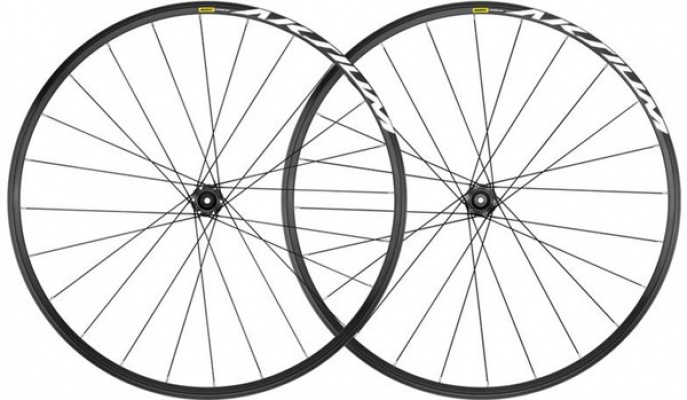
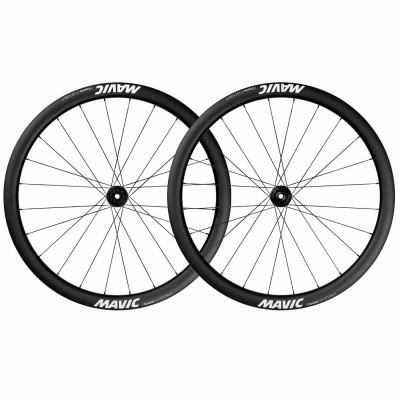
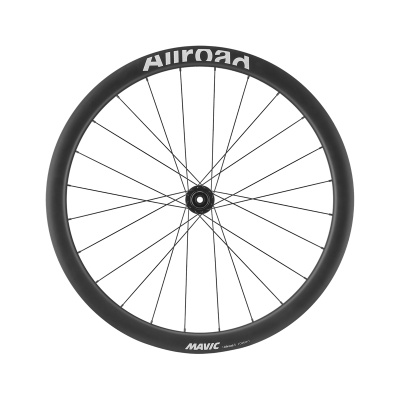
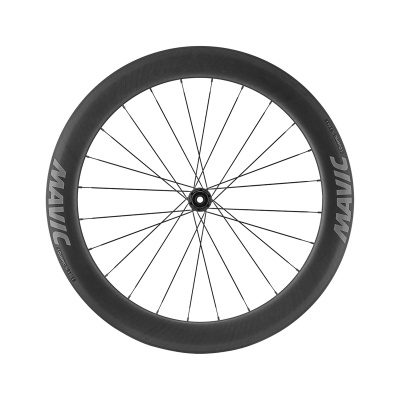
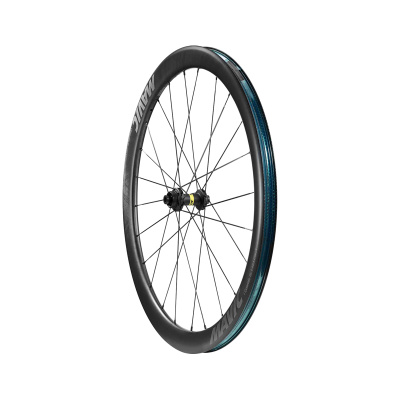
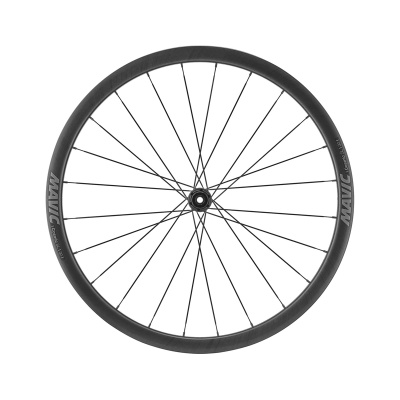
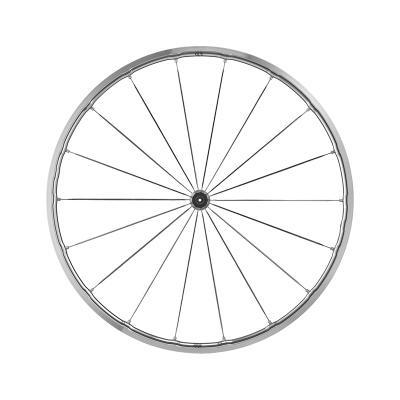
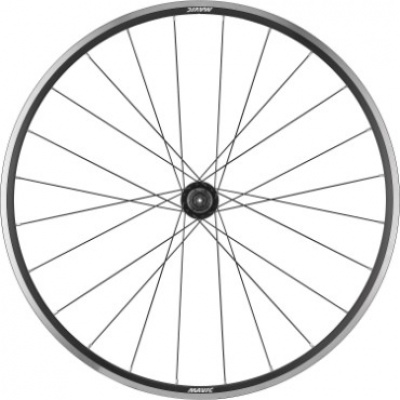
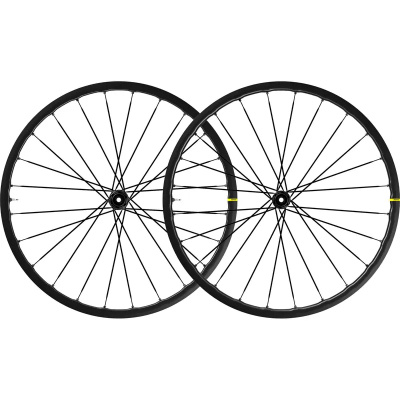
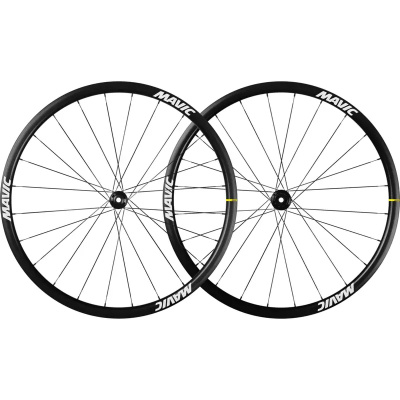
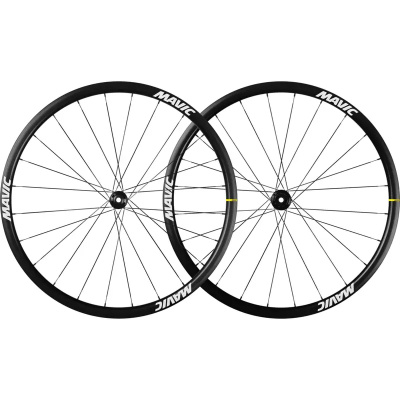
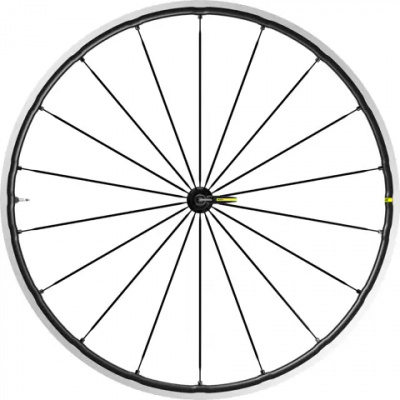
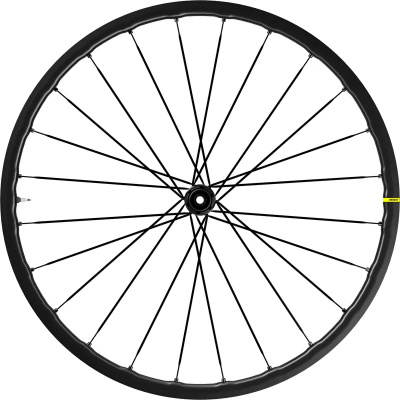
Mavic road wheels have been a constant in the peloton for decades - and for good reason. Whether you're chasing PRs on smooth tarmac with deep-section carbon or grinding through lumpy UK B-roads on proven alloy hoops, there's a Mavic wheelset built around what you actually need. The Cosmic series brings genuine aerodynamic engineering via NACA-profiled carbon rims, while the Ksyrium range keeps things sharp and light for climbers and endurance riders. Both lines lean on Mavic's UST (Universal System Tubeless) technology - still the cleanest, most reliable tubeless bead seat in the business - and the Instant Drive 360 freehub, which snaps into engagement in just 9 degrees of pedal rotation. For UK riders dealing with potholed B-roads, crosswinds across exposed moors, and winters that eat bearings for breakfast, that combination of aero stability, tubeless confidence, and rapid power transfer matters more than a marketing spec sheet. Rim brake or disc, thru-axle or quick-release, climbing featherweight or aero weapon - the range covers it. Compare UK prices on Mavic road wheelsets below and find the right upgrade for your build.
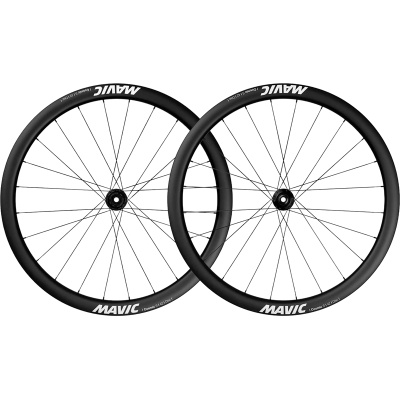
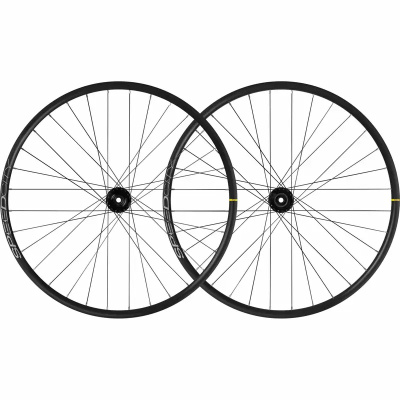
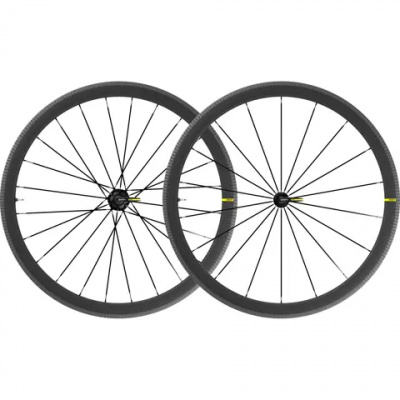
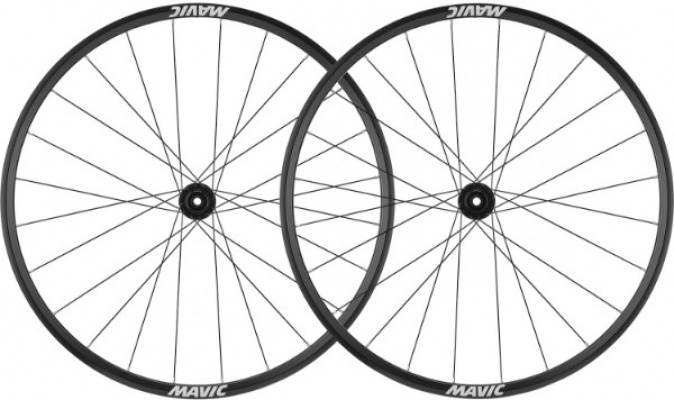
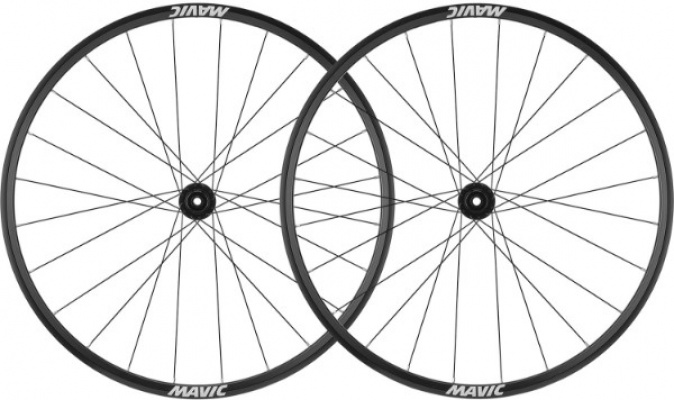
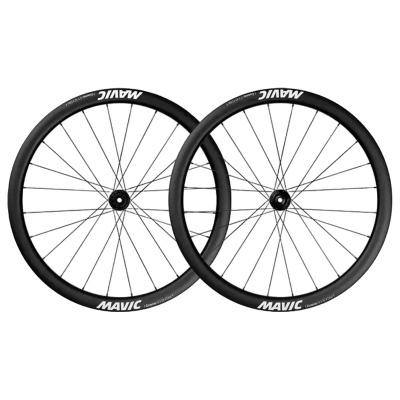
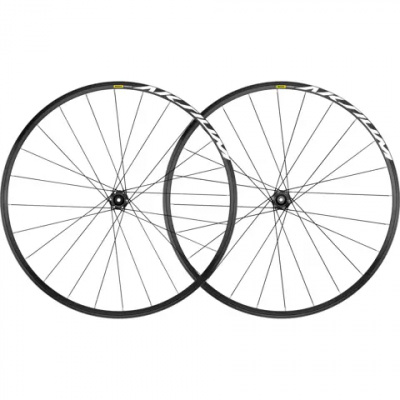
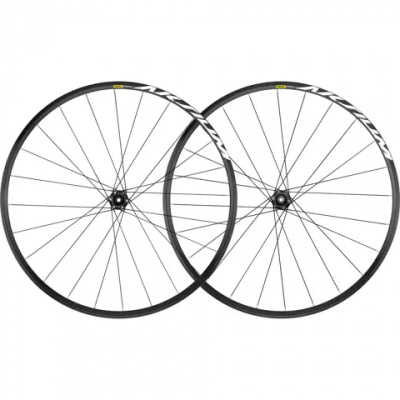
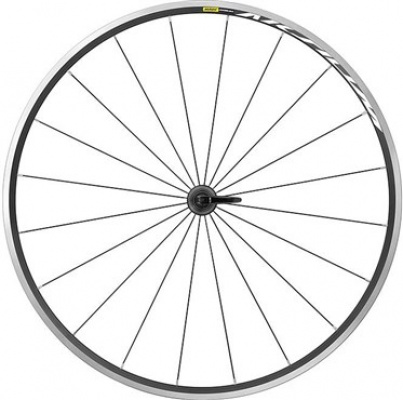
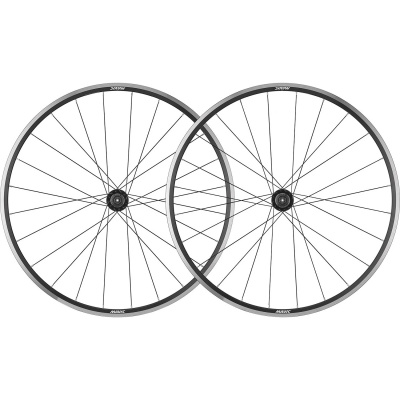
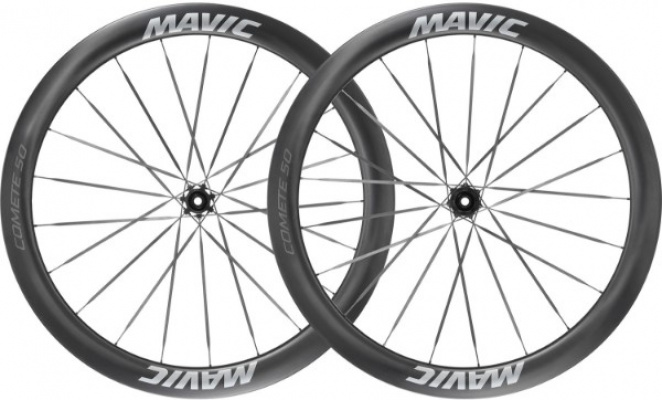
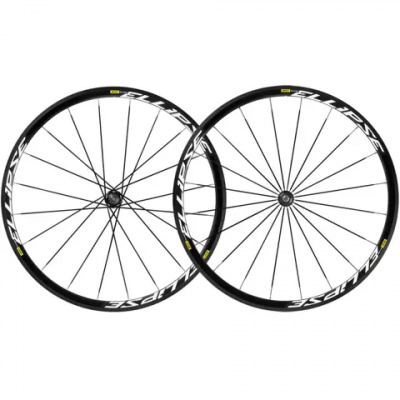
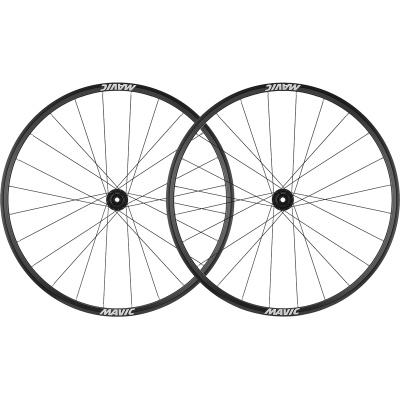
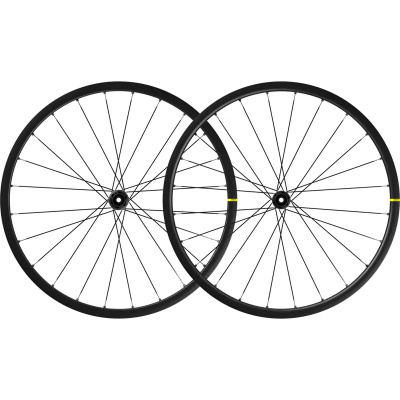
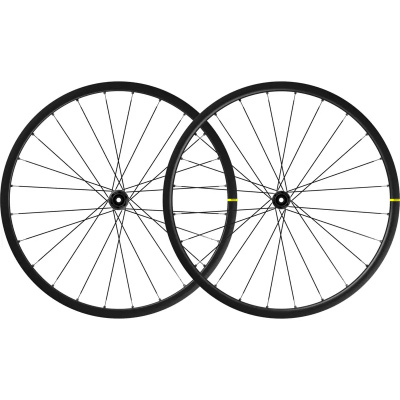
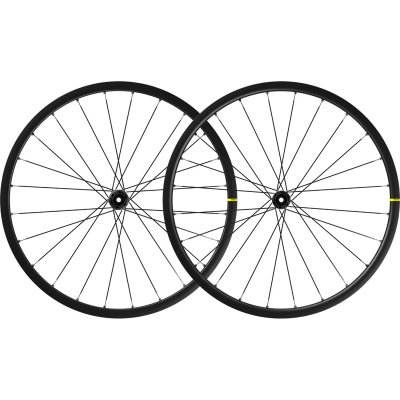
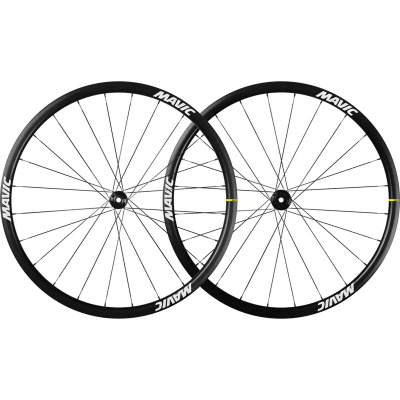
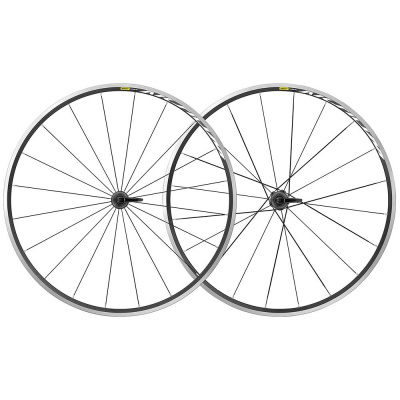
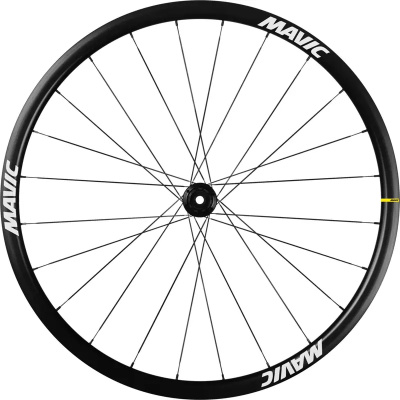
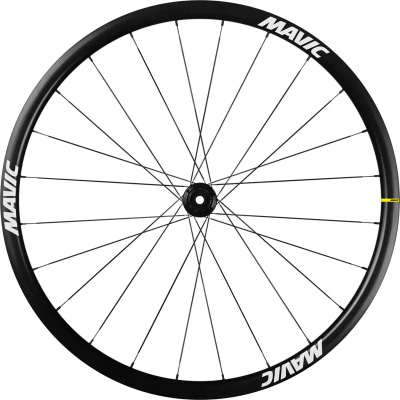
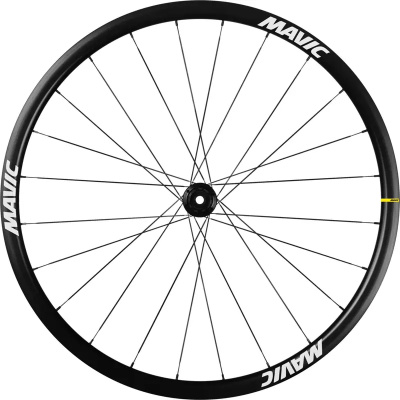
Prices and availability can change quickly. Delivery charges are not always included in listed prices.
Final price, stock status and delivery terms are set by retailer. We may receive a commission on purchases made.
Compatibility Matrix: Fitting Mavic Wheels to Your Bike
Getting the right Mavic wheelset starts with knowing your axle standard and braking interface. Most current Mavic road wheels are available in 12x100mm thru-axle front and 12x142mm rear - the standard for modern disc-brake road and endurance bikes. If your frame uses traditional quick-release, Mavic still covers that with QR-compatible builds across the Ksyrium and Aksium ranges, so older frames aren't left behind.
On the braking side, Mavic's disc-brake wheels use Centerlock disc mounts rather than six-bolt. You'll need a Centerlock-compatible rotor - or a six-bolt-to-Centerlock adaptor - and it's worth knowing upfront rather than finding out on the morning of a sportive. Rim-brake versions remain available in the Ksyrium line for riders on traditional calliper setups.
Freehub body compatibility spans Shimano HG (the default on most models), SRAM XDR for 12-speed Eagle or Force AXS cassettes, and Campagnolo N3W for riders running Italian groupsets. The ID360 hub platform is designed so you can swap freehub bodies without replacing the entire hub - a genuine long-term saving. Looking to build your own wheels or replace specific components? Browse our dedicated collections for Mavic Hubs, Mavic Rims, and Mavic Spokes and Nipples. If you're taking your drop-bar bike off-road, check out our Mavic Gravel Wheels range.
Cosmic, Ksyrium, Aksium: Which Family Suits You?
Mavic organises its road range into three distinct families, each with a clear purpose. Getting the hierarchy straight saves you paying for tech you don't need - or underbidding on a wheel that'll hold you back.
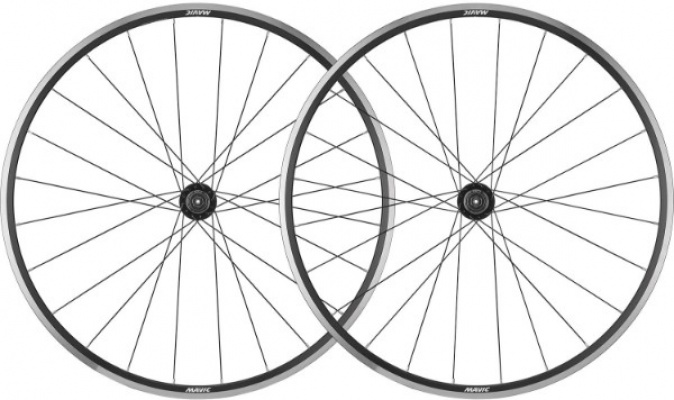
Aksium sits at the entry level, built from double-wall alloy with conventional spoke lacing. It's not glamorous, but it's the wheel you throw on for winter miles, turbo sessions, or a second bike you can't afford to care too much about. Tough, true, and easy to rebuild if something goes wrong on a sketchy B-road.
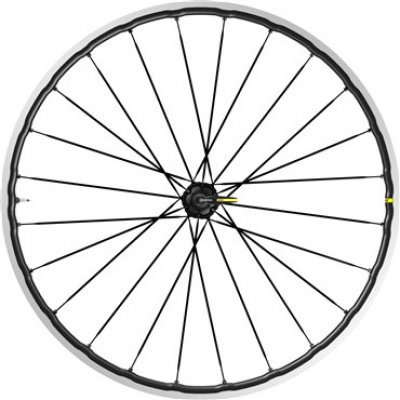
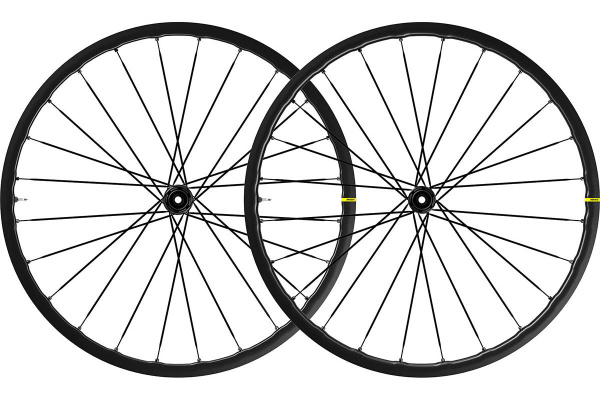
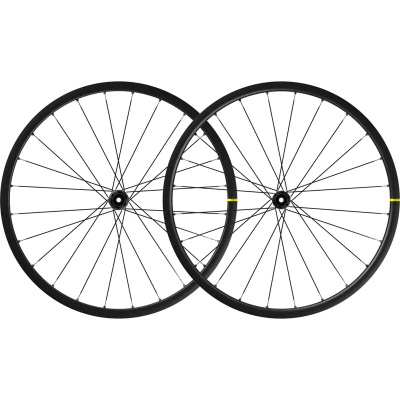
The Ksyrium line is where Mavic's engineering gets serious. This is the endurance and climbing benchmark - shallow-to-mid-profile rims in either high-grade alloy or lightweight carbon, paired with Fore Carbon technology on the upper models. Fore drilling routes spokes directly into the lower rim bridge, leaving the upper bridge solid and undrilled. The result? No rim tape needed for a tubeless setup, a structurally stiffer rim, and a cleaner tubeless bead seat. If the best Mavic wheels for climbing are what you're after, the Ksyrium SLR carbon sits at the sharp end - sub-1,400g and built to make long Alpine-style days feel less punishing. Riders comparing options from Fulcrum or Campagnolo in this bracket will find the Ksyrium trades punchy alloy stiffness for a more compliant, confidence-inspiring carbon ride on broken surfaces.
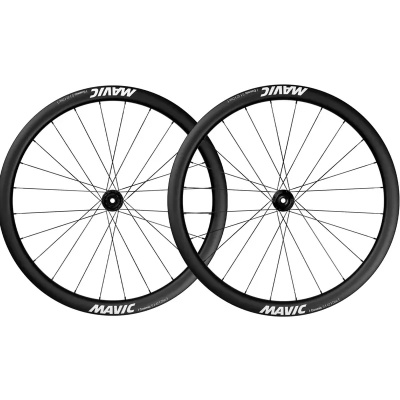
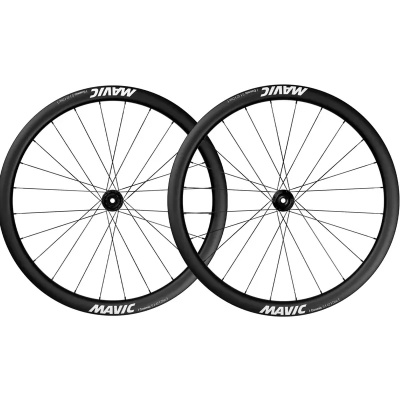
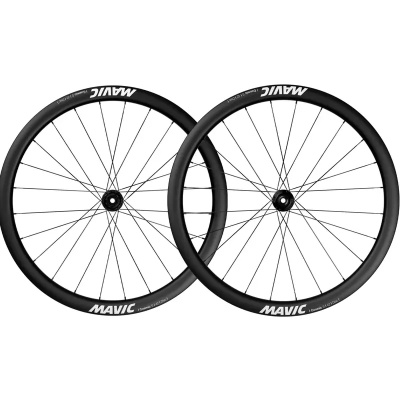
Cosmic is Mavic's aero line - proper deep-section carbon rims with NACA aero profiles borrowed from aeronautics. These rims are shaped to manage crosswind stability rather than just cut drag, which matters when you're riding exposed routes across the Yorkshire Moors or the Pembrokeshire coast. The tier modifiers tell you where in the range you're landing: SLR gets the lightest carbon layup and elliptical aero bladed spokes, SL uses the same NACA rim shape with a slightly heavier layup (still very fast, meaningfully cheaper), and the base S offers the aero profile at the most accessible price point. For Mavic carbon road wheels in the UK, the Cosmic SL and SLR are the two most discussed - the SL is a realistic race day option, the SLR is for riders who've decided weight and speed are the priority and are willing to pay for it. DT Swiss compete hard in this bracket with their ARC range, but the Cosmic's crosswind stability is a real differentiator on exposed UK roads. Pair either Cosmic with Mavic's road shoes via our Mavic Road Shoes page if you're building a full system setup.
UK Durability and Keeping Your Mavic Wheels Running
Mavic's QRM Auto bearing preload system is genuinely clever - it self-adjusts bearing preload as components wear, which reduces the frequency of manual bearing adjustment compared to conventional cup-and-cone setups. In wet, gritty UK riding conditions, that's not a trivial advantage. But self-adjusting doesn't mean maintenance-free. Check your bearings every few months through winter; grit ingress still happens, and a neglected bearing will chew through a hub shell faster than you'd expect.
The bigger concern for UK winter riders is the ID360 freehub. The dual-ratchet system - 9-degree engagement, instant pickup, satisfying click - is excellent when it's clean. When it's not, it'll stick. Road grit and water work into the ratchet faces through autumn and winter, and if you leave it, the pawls can seize mid-ride or, worse, slip under load. The fix is straightforward: pull the cassette, slide the freehub body off the axle by hand (no tools needed - that's by design), clean the ratchets thoroughly, and apply a light coating of Mavic's own ID360-specific grease. Don't reach for standard lithium grease from the workshop shelf. It's too thick, it mutes the ratchet engagement, and it can cause slipping under hard acceleration. Mavic's formulation is thinner and stays workable in cold temperatures. Do this every 2,000 miles of winter riding, or as a matter of course at the end of the season, and the ID360 will keep snapping into drive reliably for years.
On the tubeless side, UST tubeless is Mavic's answer to inconsistent bead seating that plagues cheaper tubeless-ready rims. The tighter manufacturing tolerances mean the bead seats firmly without wrestling it into position - a real-world difference when you're re-seating a tyre on the roadside in the rain. Use a quality tubeless sealant, check it every few months (it dries out), and you'll get the puncture resistance without the faff that puts riders off tubeless in the first place.
Mavic Road Wheels FAQs
Are Mavic road wheels tubeless ready?
Yes - most modern Mavic road wheels use UST (Universal System Tubeless), which gives a tighter, more reliable bead seat than standard tubeless-ready rims. On higher-end models with Fore drilling, the upper rim bridge is left solid and undrilled, so you don't need rim tape at all to achieve an airtight seal.
What is the difference between Mavic Cosmic and Ksyrium?
Cosmic is the aero-focused carbon line - deeper NACA-profiled rims built for speed on flat and rolling roads. Ksyrium prioritises low weight and compliance, with shallow alloy or carbon rims that come into their own on climbs and rougher road surfaces. One is a fast day weapon; the other is an all-rounder that rewards varied UK riding.
How do I service a Mavic ID360 freehub?
Remove the cassette, then pull the freehub body off the axle by hand - no tools required. Clean the dual ratchets carefully and apply a light coat of Mavic's own ID360 grease. Never use standard heavy workshop grease; it's too thick and will prevent the ratchets from engaging cleanly, which can cause slipping under load.