
Madison Holdalls
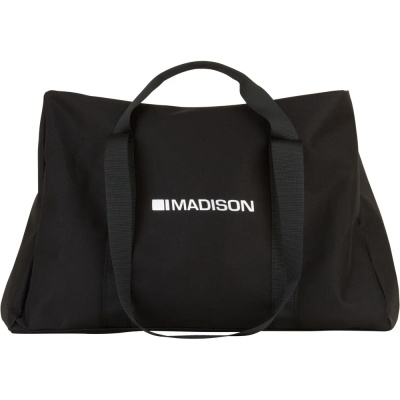
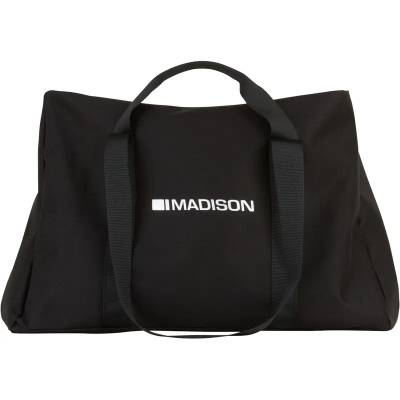
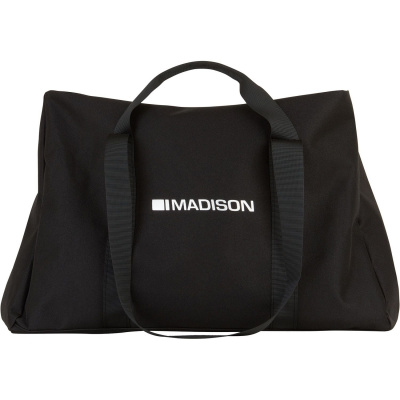
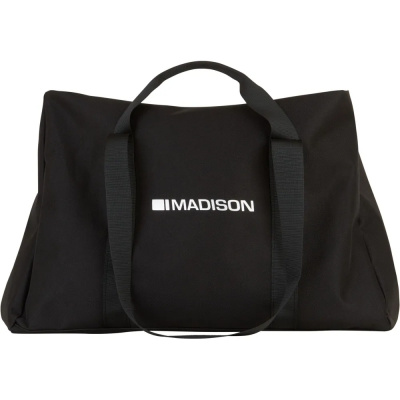
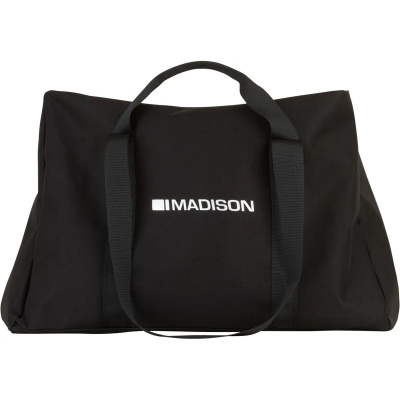
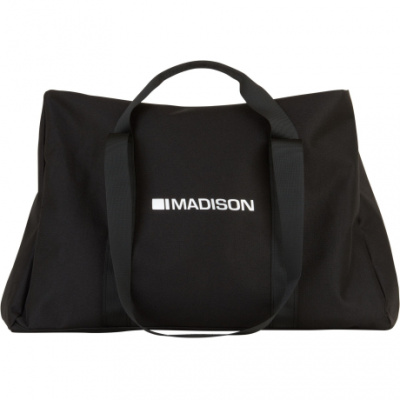
Madison holdalls are built around a simple truth: UK cycling kit gets wet, muddy, and heavy, and your bag needs to handle all three without complaint. Whether you're hauling kit to a Sunday morning sportive or packing for a long weekend in the Lakes, these bags are designed specifically around the demands of British riders - not as an afterthought.
The construction starts with heavy-duty PVC and DWR-treated ripstop nylon, which resists rain during transit and takes being chucked into a muddy boot without scuffing through. Reinforced, water-resistant bases mean you can drop the bag on a wet car park without the contents soaking up puddle water from below. Inside, dedicated wet/dry separation zones with wipe-clean interiors let you stuff sodden bibs and caked MTB shoes into one section and keep your clean post-ride clothes well away from the carnage. Heavy-duty zippers with oversized teeth resist grit and sand ingress - the kind of fine crud that seizes up cheaper zips after a handful of rides.
Looking for on-bike storage instead? Check out our dedicated pages for Madison bar bags, Madison frame bags, Madison pannier bags, and Madison saddle bags.
Prices and availability can change quickly. Delivery charges are not always included in listed prices.
Final price, stock status and delivery terms are set by retailer. We may receive a commission on purchases made.
Capacity and Storage: Picking the Right Size for Your Ride
Getting the capacity wrong is the most common mistake. A 40-litre Madison cycling kit bag is the go-to for a Sunday race or one-day event - you'll fit a helmet, shoes, a full change of kit, and your post-ride snacks with room to spare. It's also worth checking whether smaller models fall within airline carry-on limits if you're flying to a race, because a few do. Step up to 70 litres or more and the picture changes completely. Full-face helmets, bulky MTB body armour, and a week's worth of winter layers all need room to breathe, and cramming them into a 40L is a recipe for bust zips and frustration before you've even left the driveway.
Think about the awkward shapes first. A full-face lid is the biggest single item most riders pack, and some holdalls offer a structured helmet pod or a wide-mouth opening that swallows it cleanly rather than forcing you to wedge it in sideways. If you're packing for a multi-day trip in the Scottish Highlands or a trail week in the Brecon Beacons, the extra volume of a larger bag also gives you space to segregate dirty kit from clean mid-trip - which matters more than people realise when you're three days in and working off a shared bathroom.
The shoe compartment deserves a mention here too. Most cycling-specific Madison holdalls include an isolated lower section sized for cycling shoes, which keeps the hard plastic soles and cleats away from soft fabrics. That's not just about organisation - it stops cleat bolts snagging your best Madison bib shorts when you're digging around in a hurry.
Kit Bags vs Transition Bags: Where the Extra Money Goes
Madison's range splits broadly into standard kit bags and premium transition bags, and the gap between them is more meaningful than the price difference alone suggests. Standard bags give you the DWR-treated ripstop nylon shell, the wet/dry compartments, and the reinforced base - solid, practical, and plenty for most riders. The best Madison transition bags go further. You're looking at upgrades like fold-out changing mats, which are genuinely useful at muddy cross races or trail centres where the ground is too grim to stand on in socks. Rigid helmet pods protect a good lid in transit rather than relying on soft padding. Fleece-lined eyewear pockets stop your glasses getting scratched by loose kit.
The waterproofing step-up is worth understanding clearly. Standard models use DWR coating on ripstop nylon - excellent at shedding a shower or a boot full of standing water, but not designed to sit in sustained downpour. Premium transition bags move to fully welded seams and, in some cases, roll-top closures, which is a different category of weather protection. If you're regularly racing cyclocross in November Wales or heading to trail centres in the Peak District where the car park itself is a swamp, that upgrade is worth considering. If you're mostly commuting to the track or loading a van for a dry weekend, the standard DWR shell is more than adequate.
Pairing a transition bag with the right Madison jacket and a set of Madison gloves keeps your whole kit system coherent - and makes the pre-ride kit check considerably faster when everything has a known place.
Keeping the Bag Going Through a UK Winter
A bag that survives one winter badly maintained isn't much of an investment. The wet/dry compartment is the first thing to stay on top of. After storing mud-soaked kit or wet shoes, rinse the wipe-clean lining with mild soapy water and leave the bag open to air dry completely - closed zips and trapped moisture is how mould takes hold, and once it's in a bag lining it's difficult to shift fully.
The DWR coating degrades with use and washing. You'll notice it's going when water starts to soak into the outer fabric rather than beading off. A low-heat tumble dry or a careful pass with a cool iron (over a cloth, not directly) can temporarily revive it. For a longer-term fix, a spray-on DWR reproofing product applied after cleaning buys the fabric another season's worth of weather resistance. This is the same approach used on waterproof MTB shorts with DWR finishes.
Zippers are the other weak point. The heavy-duty oversized zip teeth on Madison holdalls handle grit better than fine-tooth alternatives, but dried mud and sand still accumulates in the slider over time. A stiff brush along the teeth before it dries out does most of the work. If a zip starts to bind or skip teeth, a small amount of dry silicone lubricant - not oil, which attracts more grit - applied to the teeth and worked through by running the slider a few times usually sorts it. Catching it early is far easier than dealing with a failed zip mid-season.
The water-resistant base is worth inspecting periodically where it meets the main body panel - this junction takes the most stress from drops and dragging. If the seam tape shows signs of lifting, a seam sealer applied on the inside face keeps moisture out before it becomes a problem.
Madison Holdalls FAQs
Are Madison holdalls fully waterproof?
Most Madison holdalls are weather-resistant rather than fully waterproof. DWR-treated ripstop nylon and reinforced water-resistant bases handle showers and wet car parks well, but they're not designed for submersion. If you need genuine waterproofing - think sustained downpours or soggy cyclocross venues - look specifically for models with welded seams and roll-top closures rather than standard zip openings.
What size holdall do I need for a cycling weekend?
A 40 - 50 litre bag covers a weekend comfortably: helmet, shoes, a couple of changes of kit, and your wash gear. If you're packing bulky MTB body armour, a full-face helmet, or several days of winter layers, move up to 70 litres or more. Getting caught short on volume at the start of a trip is far more annoying than carrying a slightly larger bag.
Do Madison kit bags have separate compartments for muddy shoes?
Yes. Most cycling-specific Madison holdalls include dedicated wet/dry compartments - typically with a wipe-clean lining - designed to isolate muddy shoes or soaked bib shorts from your clean kit. It's one of the most practical features on the range and makes post-ride repacking significantly less grim.