
Madison Bar Bags
Madison bar bags are built for riders who know Britain doesn't do gentle weather - rain comes heavy, roads come gritty, and your kit needs to cope with both. Each bag in the range uses high-frequency welded seams and roll-top closures to keep your gear genuinely dry, not just splash-resistant. That distinction matters when you're three hours into a Scottish gravel loop and the sky opens up properly.
The mounting systems are worth noting too. Adjustable foam spacer blocks sit between the bag and your bars, protecting cable routing so your shifting stays crisp even when the bag is loaded. Anti-sway straps keep the whole thing locked down on rough roads rather than rocking with every bump. Whether you're commuting across town or running a multi-day bikepacking route, the bag shouldn't be the thing you're worrying about.
Madison's handlebar luggage covers a decent spread of capacities and price points, so there's a logical fit whether you want a compact pouch for your phone and a snack or a full roll-top drybag for overnight kit. Compare the best UK prices on Madison bar bags using the listings below.
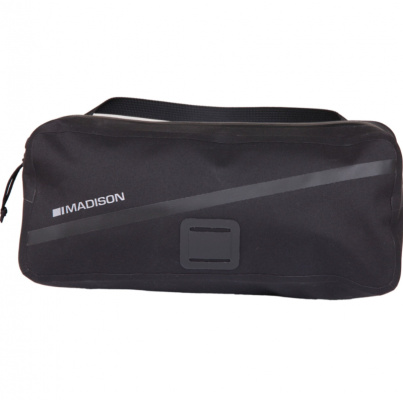
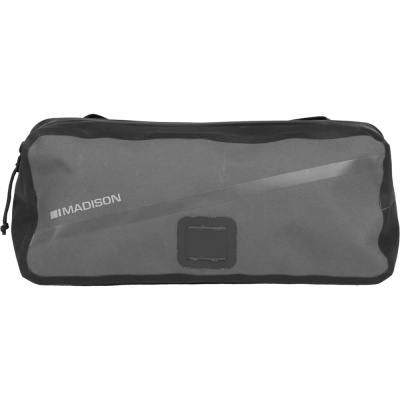
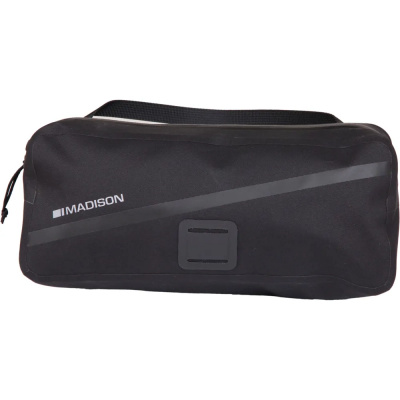
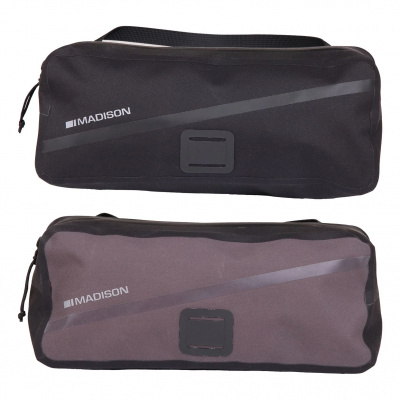
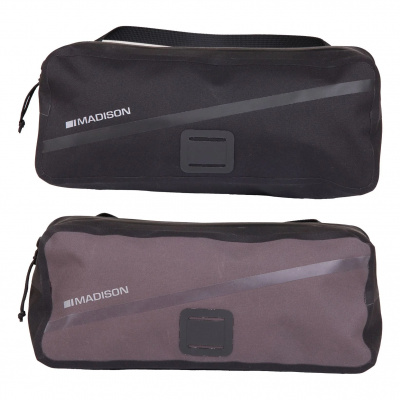
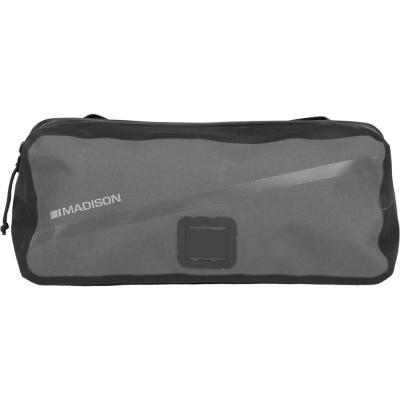
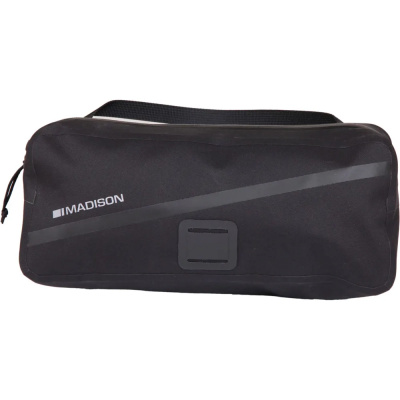
Prices and availability can change quickly. Delivery charges are not always included in listed prices.
Final price, stock status and delivery terms are set by retailer. We may receive a commission on purchases made.
Mounting and Cable Compatibility - What You Need to Know Before You Strap In
Getting a handlebar bag fitted correctly is more involved than looping a strap and hoping for the best. The key concern is cable routing - specifically, making sure your gear and brake cables aren't pinched or kinked behind the bag once it's mounted. Madison addresses this with adjustable foam spacer blocks that sit between the bag body and the bars. These create a deliberate gap so cables can run freely underneath, which means your shifting performance doesn't degrade and your brake feel stays consistent. Don't skip them, even if the bag feels secure without.
Handlebar width plays a bigger role than most riders expect. On wide MTB flat bars - say, 780mm or more - you've got room to mount a larger-volume bag centrally and still have clear access to your grips and controls. On a gravel or road bike with drop bars, you're working with a narrower central section, and the bag's total width needs to sit inside your brake levers. Narrower, more cylindrical bag profiles work best here. Always measure before you buy. A bag that fits a bikepacking hardtail perfectly can foul a gravel bike's hood position entirely.
Head tube straps should be tensioned evenly and checked after the first bumpy stretch - they loosen off as the webbing beds in. On carbon forks or head tubes, apply a strip of frame protection tape wherever the strap contacts the frame. UK winter grit gets trapped under the webbing and acts like a grinding paste. It's a small job that saves a painful repair bill later.
Looking to complete your bikepacking setup? Check out our dedicated pages for Madison Frame Bags, Madison Saddle Bags, and Madison Pannier Bags for rear-rack setups.
Which Madison Bar Bag Actually Suits Your Riding?
Madison's bikepacking luggage splits broadly into two camps, and picking the wrong one is an easy mistake to make if you're buying on capacity alone.
The Roam series sits at the top of the range. These are high-volume, roll-top bags built from abrasion-resistant ripstop nylon - the kind of construction that survives repeated contact with muddy verges and rough tarmac without the fabric pilling or delaminating. The welded seams and roll-top closure make them genuinely waterproof rather than merely water-resistant, which is the difference that counts on a multi-day Welsh or Scottish route where you can't dry anything out overnight. If you're loading overnight kit, a spare layer, and emergency food into your bars, this is the tier to be looking at. The mounting hardware is also beefier - wider straps, stronger buckles - which keeps a heavier load from swaying.
The commuter-focused and entry-level options trade some of that bombproof construction for lighter weight and quicker access. Smaller capacity, simpler closures, sometimes a zip pocket for instant access to your phone or Oyster card. If you're riding to work across London or doing a sportive with snacks and a gilet stuffed up front, you don't need a fully welded drybag - you need something that opens fast and doesn't flap. The material denier is lower on these models, which keeps weight down but means they'll show wear faster on technical riding where the bag is regularly brushing against frame tubes.
The honest trade-off: spend more and you get better waterproofing, tougher fabric, and a mounting system that holds firm under load. Spend less and you get a lighter, more accessible bag that's well-suited to shorter, less hostile days out. Neither is wrong - it just depends on what you're asking the bag to do.
If you're also kitting out for longer rides, Madison's waterproof jackets and gloves are worth stacking into your comparison - consistent waterproofing across your kit matters when the weather turns mid-ride.
Keeping Your Kit and Your Bike in Good Shape Through a UK Winter
Roll-top closures earn their place in wet British conditions for one simple reason: they don't jam. Zip closures on luggage exposed to road grit and mud are a liability - the slider picks up debris, the teeth start to skip, and eventually you're wrestling with a bag that won't open when your hands are cold and wet. A roll-top takes an extra three seconds to close but never fails. On a November Peak District ride where everything is mud-caked, that reliability is worth a lot.
The ripstop nylon construction handles road muck well - wipe it down after a dirty ride rather than leaving grit to work into the weave. A soft brush and warm water is enough for most sessions. Avoid pressure washing directly at the seams or the roll-top closure, even on the fully welded models.
On the bike side, frame protection is something a lot of riders overlook until they've already scratched through their paint. Anywhere the mounting straps contact your bars or head tube, put down a layer of helicopter tape or a proprietary frame guard before you fit the bag. The straps themselves don't cause the damage - it's the fine grit that works underneath them over hundreds of kilometres of riding. This applies doubly on carbon, where surface damage can be more than cosmetic. Reflective detailing on the bag helps with winter commuter visibility, but if you're doing longer dark rides, a dedicated light mount is still the right call.
Madison Bar Bags FAQs
How do you attach a Madison bar bag without crushing cables?
Use the foam spacer blocks included with the bag. They sit between the bag body and your handlebars, creating enough clearance for gear and brake cables to route cleanly underneath. Skip them and you risk kinked cables and degraded shifting - it's a small step that makes a real difference to how the bike performs once loaded.
Are Madison handlebar bags fully waterproof?
The bikepacking-focused models in the range - particularly the Roam series - are fully waterproof. High-frequency welded seams eliminate the stitching that lets water wick through, and the roll-top closure seals properly rather than relying on a zip. For heavy, persistent UK rain, that combination holds up where water-resistant zip bags often don't.
Will a Madison bar bag fit on drop handlebars?
Yes, but measure carefully. The bag's total width needs to sit within your brake lever positions so it doesn't block access to the hoods or drops. Narrower, cylindrical-profile bags from the range suit road and gravel bikes best. Wider, high-capacity options are a better fit for flat-bar bikes where there's more central bar space to work with.