
Madison Frame Bags
Madison frame bags are built around one simple idea: keep your gear dry and your bike handling predictably, whether you're deep in a Welsh valley or grinding through a Monday commute in horizontal rain. The range runs from straightforward water-resistant commuter options up to fully welded, bomber bikepacking bags that laugh at persistent British downpours. PU-coated ripstop nylon handles the abrasion side of things - grit, mud, the occasional hedge - while the welded seam construction on the premium models means water stays firmly outside where it belongs.
You've got two broad shapes to choose from. A full frame bag fills the entire triangle and gives you the most capacity litres for the money, but you lose your bottle cage positions. A half frame bag keeps the lower section of the triangle free, so you can still reach a bidon on a hot climb. That's a meaningful trade-off on longer days out. If you're building a complete bikepacking setup, pair your frame bag with Madison bar bags, Madison saddle bags, and Madison pannier bags to spread the load sensibly across the bike.
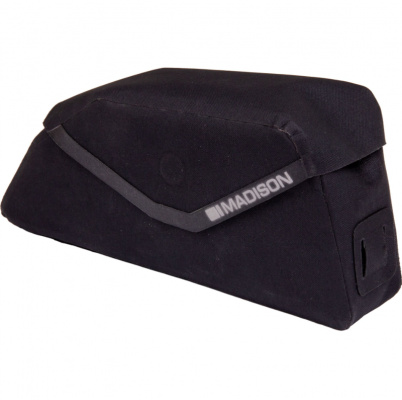
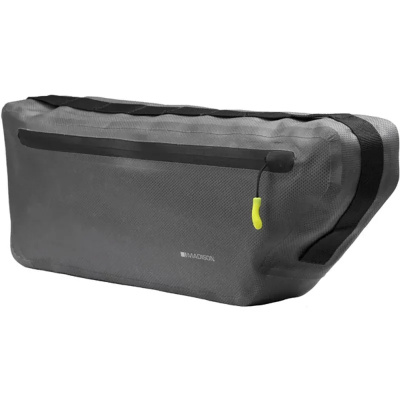
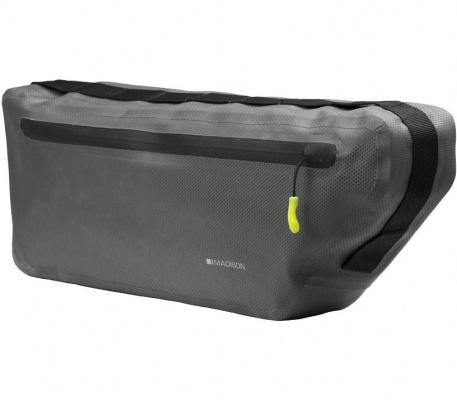
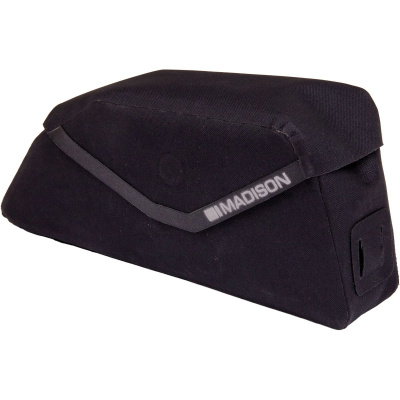
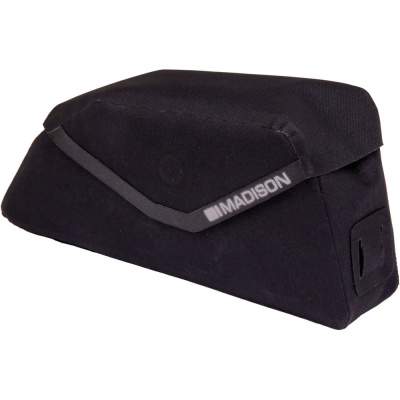
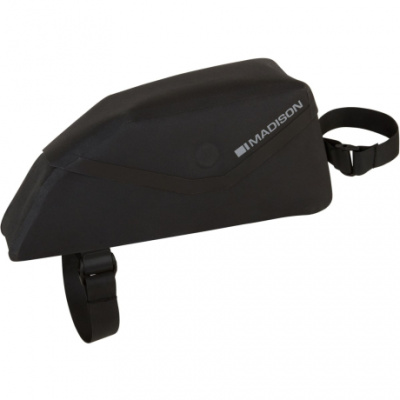
Prices and availability can change quickly. Delivery charges are not always included in listed prices.
Final price, stock status and delivery terms are set by retailer. We may receive a commission on purchases made.
Getting the Fit Right: Frame Triangle Sizing
Before you buy, grab a flexible tape measure and note the internal lengths of your top tube, down tube, and seat tube - the three sides of the frame triangle. That internal space is what you're actually filling, and a bag that bunches or pulls tight at one corner will shift your weight balance and rub your frame raw. Check Madison's stated bag dimensions against those numbers, not just the listed capacity litres, which tells you nothing about shape.
The full-frame versus half-frame call comes down to water bottle access. Full bags maximise storage and keep weight centred low in the frame, which is genuinely noticeable on technical climbs. Half frame bags sacrifice some volume but leave the bottom of the triangle clear for a cage. On hot Scottish summer days - yes, they exist - or during multi-day gravel routes where hydration matters, that clearance is worth the compromise on storage.
One thing that catches people out: full-suspension mountain bikes. Always check your rear shock clearance at full bottom-out before you commit to a bag. The suspension linkage sweeps through a specific arc as it compresses, and a bag that clears everything at sag can get pinched - or worse, punctured - when the shock bottoms out on a big hit. Do this check with the shock unloaded and then push down hard on the saddle to simulate compression. Frame triangle clearance on full-sus bikes is a real constraint, not a footnote.
Which Madison Bag for Which Rider
Madison's frame bag range splits fairly cleanly into two camps, and knowing which one you're in saves you spending money on features you don't need - or skimping and regretting it halfway through a wet weekend.
The commuter-leaning options use water-resistant fabrics and standard zips. They're lighter, often simpler in construction, and perfectly adequate for dry-weather riding or short urban hops where the bag lives inside a rucksack half the time anyway. The adjustable hook-and-loop strap mapping means they're quick to fit and refit across different bikes, which matters if you're swapping the bag between a commuter and a weekend gravel bike.
The bikepacking-focused models are a different proposition. Fully welded seam construction means there are no stitched entry points for water - in genuine heavy rain, that's the difference between dry kit and a soggy bivvy. Water-resistant zippers are fine for drizzle; waterproof zippers with the welded construction are what you want for the Peak District in October. You also get higher-denier ripstop fabric that resists abrasion from branches, straps, and the grinding paste that UK mud becomes when mixed with grit. The modular strap placements on these bags let you dial in the position more precisely, which reduces movement and therefore reduces wear on both the bag and your frame.
If you're unsure where you sit, ask yourself whether you're likely to be out in heavy rain for more than an hour. If yes, step up to the welded construction. The weight penalty is small and the peace of mind is not.
Protecting Your Frame and Keeping the Bag Running
UK mud is genuinely abrasive. When it gets between a velcro strap and your frame's clearcoat, you're essentially sandpapering the paint off - and it doesn't take long. Before you mount any frame bag, apply 3M helicopter tape or clear frame protection film to every contact point: top tube, down tube, and seat tube. It's cheap, takes ten minutes, and the alternative is repainting a frame. Not worth skipping.
The other maintenance point that gets ignored until it becomes a problem: waterproof zippers need lubrication. A silicone-based zip lube applied every few months keeps them running smoothly and prevents the zip slider from seizing or tearing the waterproof coating. Don't use WD-40 - it strips the coating over time. A proper zip-specific silicone product is the right tool. If you want to keep the rest of the bike in the same condition as the bag, Madison's tools and maintenance range has what you need alongside a decent set of Madison jackets for the rider, too.
Check the velcro straps periodically for collected debris - small stones and dried mud clog the hook-and-loop and reduce clamping force, which lets the bag shift on rough ground. A stiff brush clears them out in seconds. On longer trips, it's worth re-tensioning the straps after the first hour of riding, once the bag has settled under load.
Madison Frame Bags FAQs
How do I measure my bike for a frame bag?
Use a flexible tape measure to find the internal lengths of your top tube, down tube, and seat tube - the three sides of the frame triangle. Cross-reference those figures with the bag's stated dimensions. A bag that's too long bunches and rubs; too short and it shifts under load. Getting these numbers right before you buy saves a lot of faff.
Are Madison frame bags fully waterproof?
It depends on the model. Madison's premium bikepacking bags use fully welded seam construction and waterproof zippers, which handle sustained heavy rain reliably. The entry-level commuter bags are water-resistant rather than waterproof - fine for light showers, but not for a full day in Scottish autumn conditions. Always check whether the specific model has welded seams or just water-resistant fabric.
Will a frame bag scratch my bike paint?
Yes, if you skip the prep work. Velcro straps pick up road grit and act like sandpaper against your clearcoat, especially on wet UK rides. Apply clear frame protection tape - helicopter tape works well - to all contact points before fitting the bag. It's a five-minute job that keeps your paint intact through months of riding.