
Madison Jackets
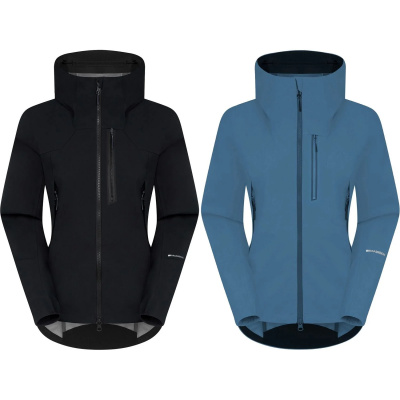
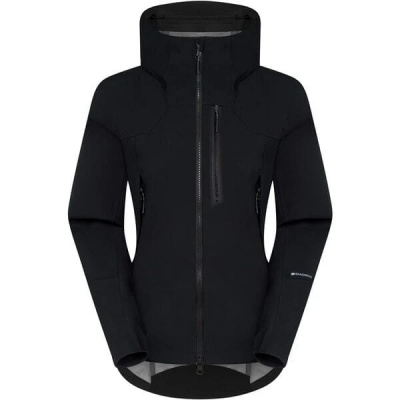
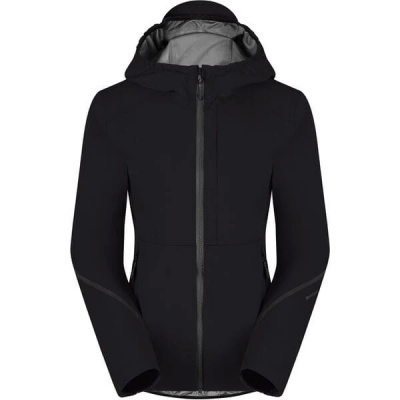
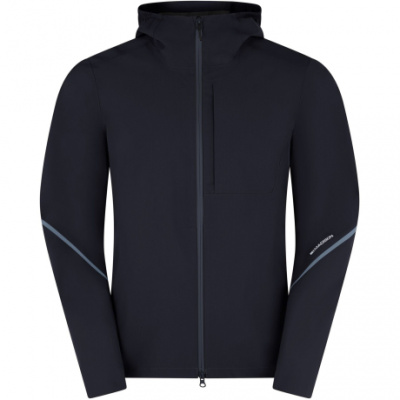
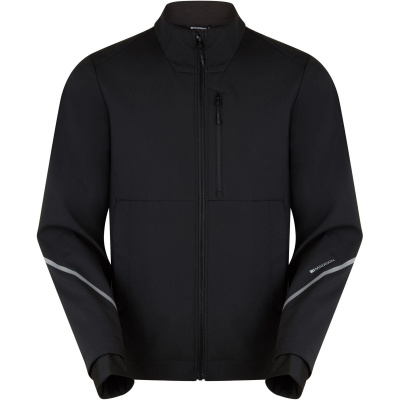
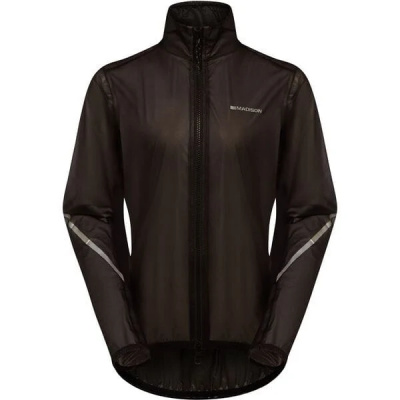
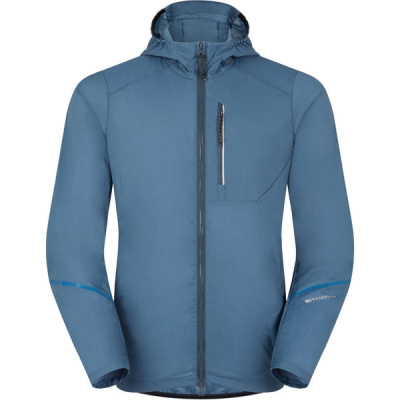
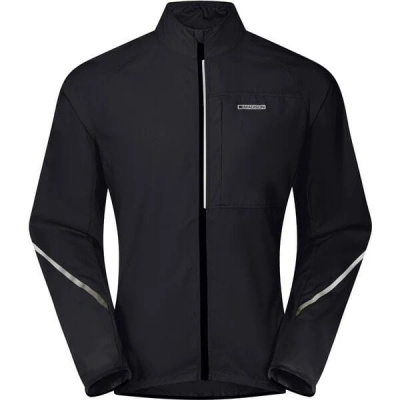
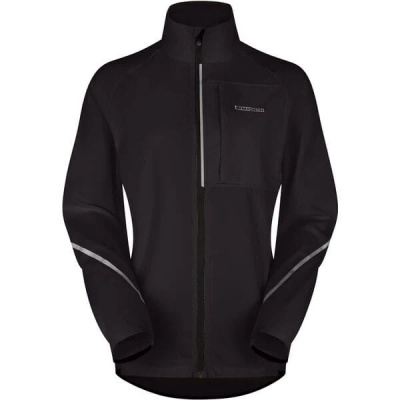
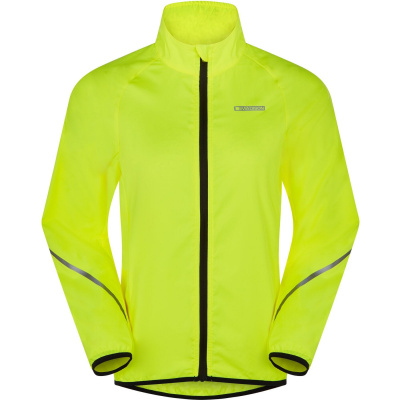
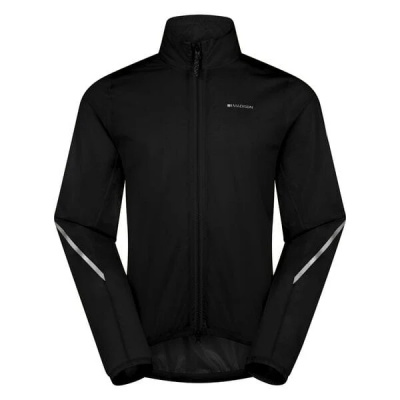
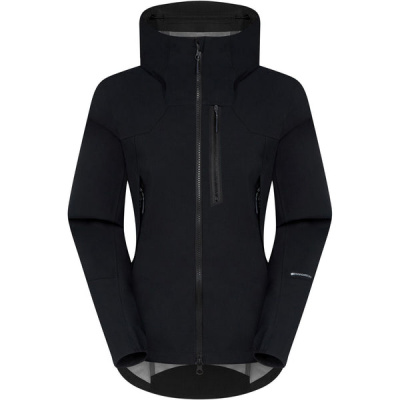
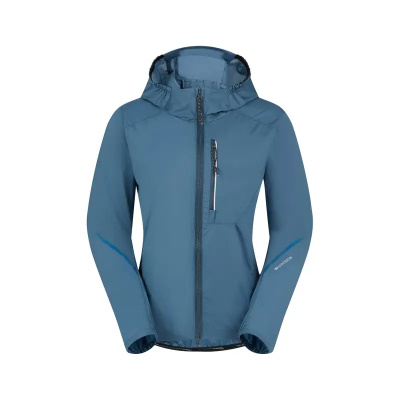
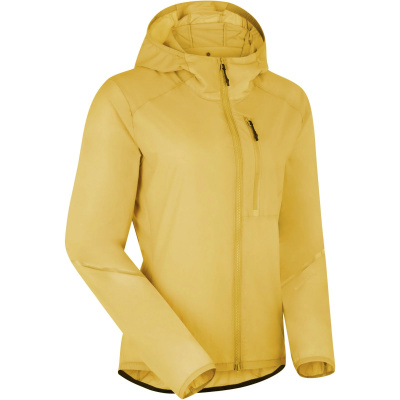
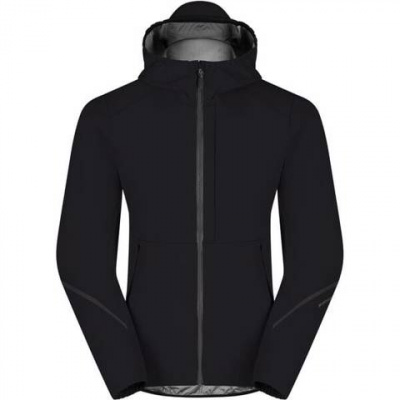
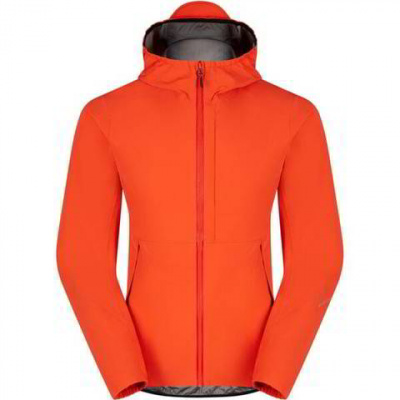
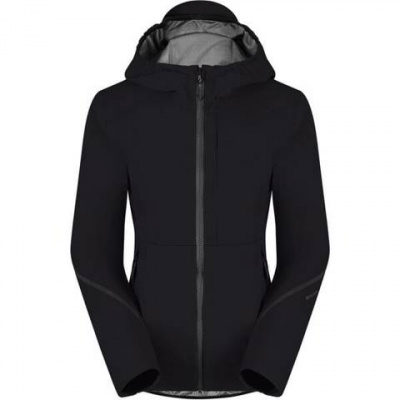
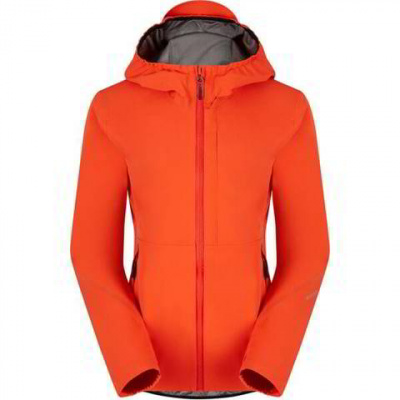
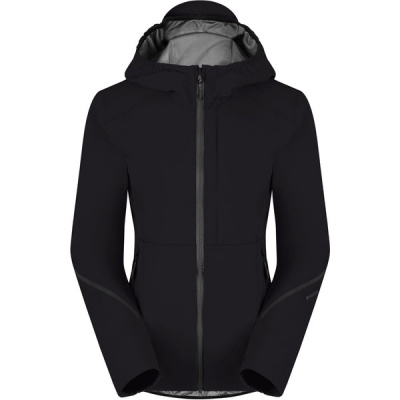
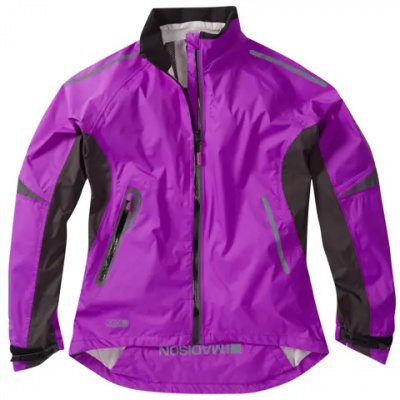
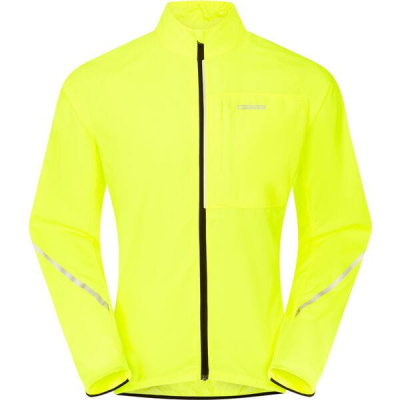
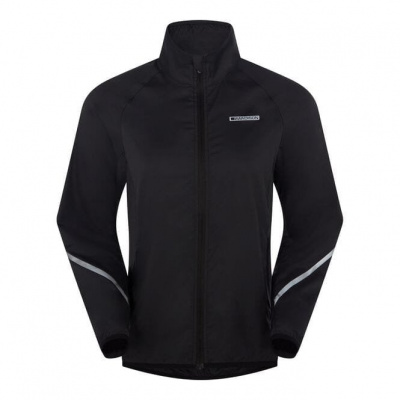
Madison cycling jackets are built with a straightforward premise: British weather doesn't negotiate, so your kit shouldn't either. Founded in the UK and deeply embedded in the domestic riding scene, Madison has spent years refining jackets that work across the full spread of conditions - driving west-coast rain, bitter February headwinds, and those mid-ride temperature swings that catch you out on a long climb. Whether you're after a rugged 3-layer waterproof shell for sodden winter MTB trails, a lightweight Madison windproof jacket for hammering fast road miles, or a packable cycling jacket stuffed into a jersey pocket for gravel days that might turn sideways, there's a jacket in the range that fits the brief. What ties the lineup together is the engineering detail: articulated sleeves that track your position on the bike rather than fighting it, fully taped seams that don't concede a drop under sustained downpour, and DWR coating that beads water off the face fabric before the membrane even needs to work. These aren't marketing checkboxes - on a jacket you'll pull on in the car park and wear through three seasons, they're the features that actually matter.
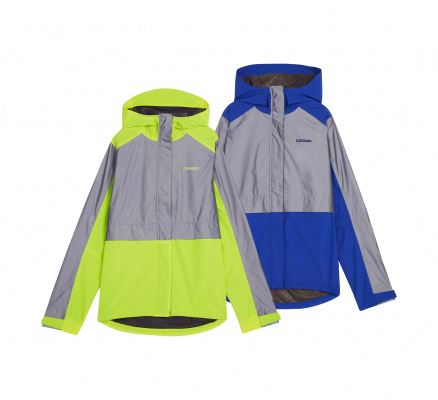
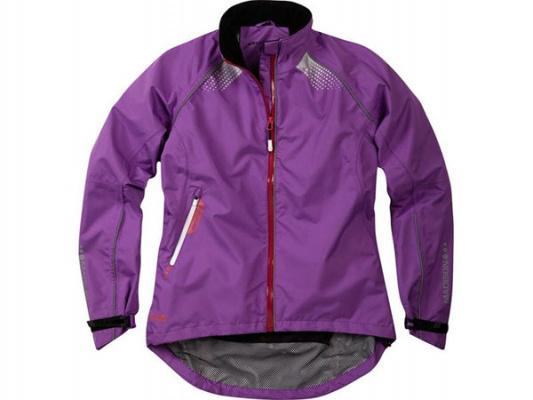
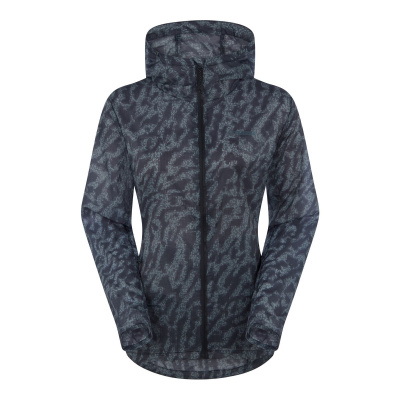
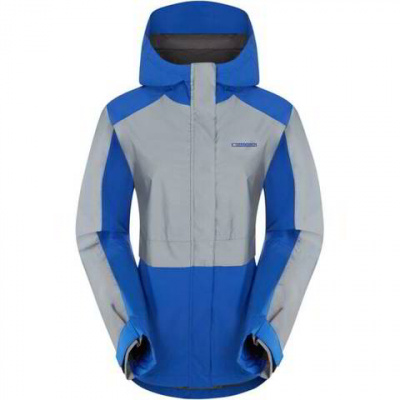
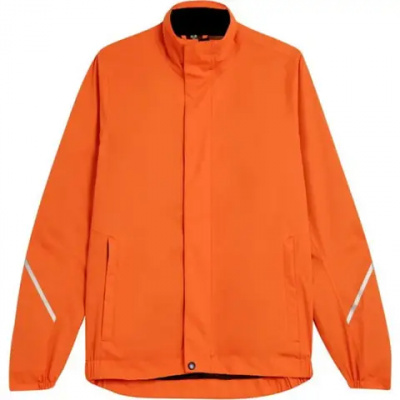
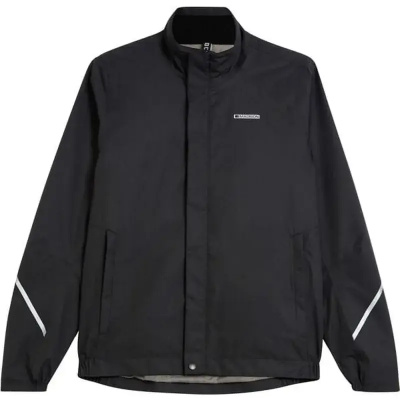
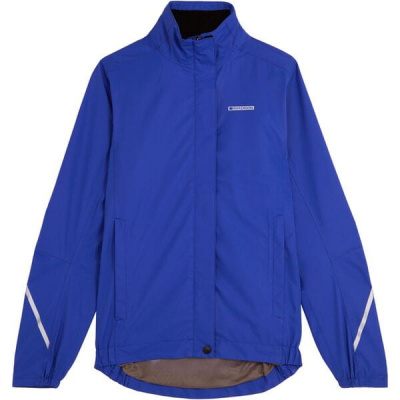
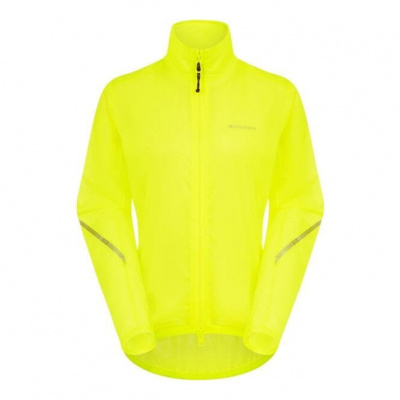
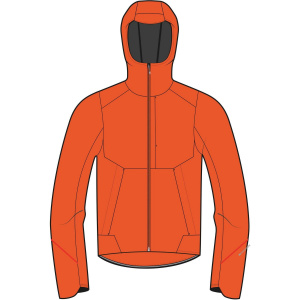
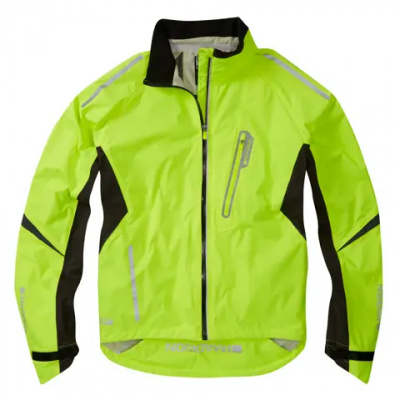
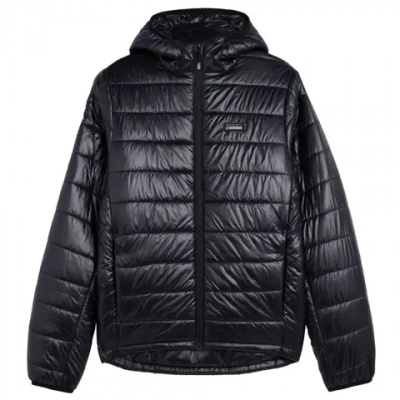
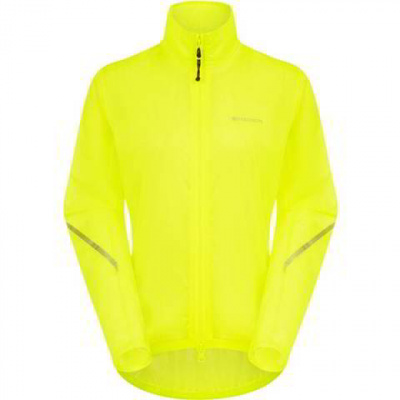
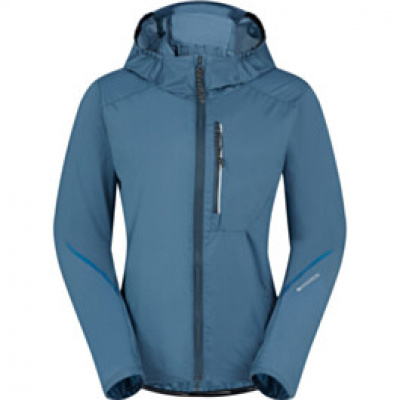
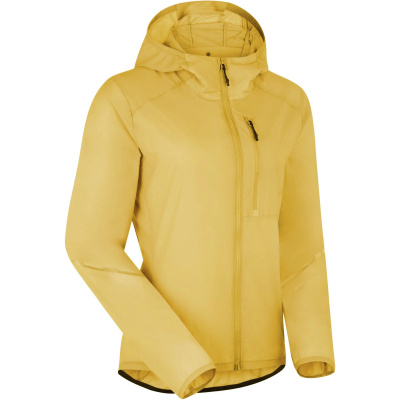
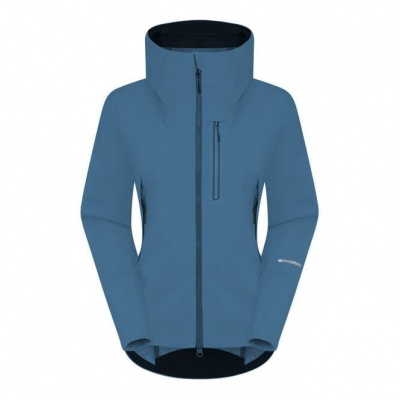
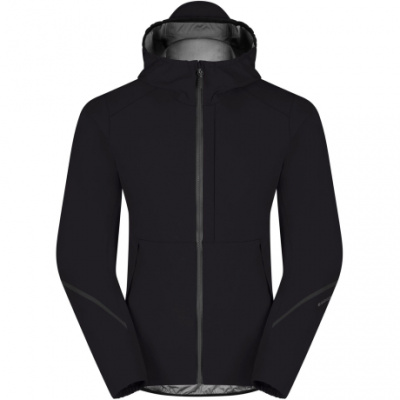
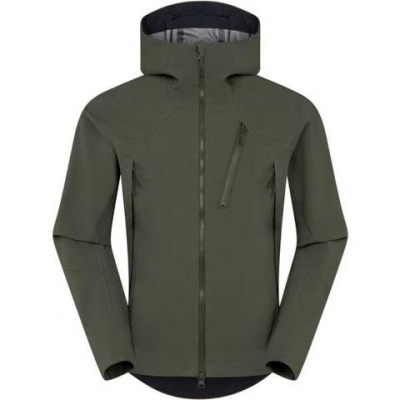
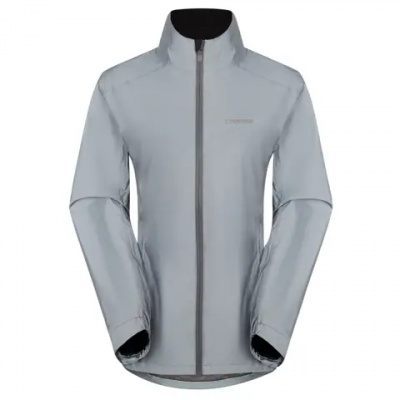
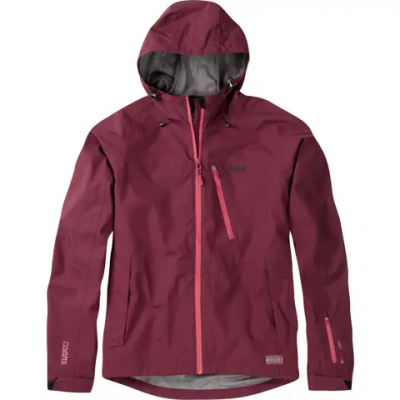
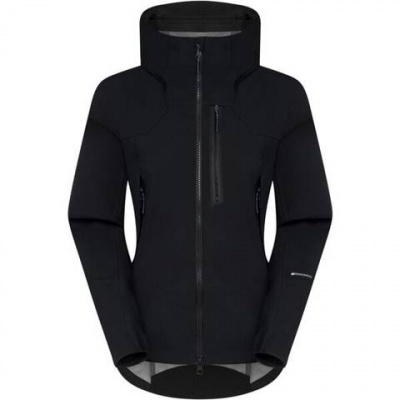
Prices and availability can change quickly. Delivery charges are not always included in listed prices.
Final price, stock status and delivery terms are set by retailer. We may receive a commission on purchases made.
Fabric Tech and Weather Performance
The core of any Madison waterproof cycling jacket is its fabric construction, and the range splits broadly into two camps: 2.5-layer fabric and full 3-layer waterproof breathable builds. The 2.5-layer option bonds a waterproof membrane to the outer face fabric with a partial inner print or coating in place of a separate lining - it keeps weight and pack size down, making it the right call for emergency layers and packable cycling jackets you want to forget about until you need them. The 3-layer construction adds a bonded inner textile, which gives the jacket a more structured feel, better durability, and noticeably improved breathability under sustained effort. That last point matters when you're grinding up something like the Bealach na Bà or a long drag out of a Welsh valley - a breathable membrane that can't shift moisture fast enough turns your jacket into a sauna.
Waterproof ratings across the Madison range typically sit between 10,000mm and 20,000mm hydrostatic head, which in practical terms covers everything from a persistent Scottish drizzle to a proper soaking on the Peaks. Critically, that rating only holds if the seams are sealed - and Madison uses fully taped seams on its higher-spec jackets to close off the needle holes that would otherwise let water wick through under pressure. On entry-level options, check the spec: critically taped seams cover the main stress points, while fully taped means no compromises anywhere on the jacket.
Where Madison's MTB jackets particularly stand out is mechanical venting. Pit zips and laser-cut underarm vents let you dump heat fast on steep climbs without unzipping the whole jacket to the wind - a small detail that makes a real difference when the trail flattens out and you need to close everything back up quickly. For road-oriented riders, the breathability of the membrane itself carries more of that load, so look at the jacket's breathability rating (measured in g/m²/24hr) alongside the waterproofing number when you're comparing options.
Making Sense of the Madison Fit and Range
Madison organises its jacket lineup around discipline-specific fits, and getting this right matters more than most riders expect. The MTB-focused lines - including the Zenith and Roam ranges - use a more relaxed, articulated cut with extra room through the shoulders and chest. That roominess isn't sloppiness; it's designed to work over a midlayer or light body armour without binding your movement when you're reaching forward on the bars. The drop tail on these jackets is longer at the rear to keep your lower back covered when you're in an aggressive riding position, which is exactly where a shorter jacket would gap and let cold air in.
Road and commuter jackets from Madison lean toward a closer, more streamlined cut. Less bulk means less flapping at speed and a cleaner silhouette over a thermal jersey, though you'll want to think about whether you've got enough room for a proper base layer underneath in January. A good rule of thumb: if you're buying a road-specific jacket and you run warm or layer heavily, try sizing up before committing.
On sizing more broadly, Madison jackets generally run true to size with a slightly relaxed allowance in the MTB and commuter ranges. The road-cut jackets are trimmer, so account for that if your usual size puts you between measurements on their chart. If you're after core warmth without the sleeve restriction on shorter or tempo rides, it's worth a look at Madison Gilets - they pair well with a windproof arm warmer when the temperature is borderline and you want flexibility through a ride.
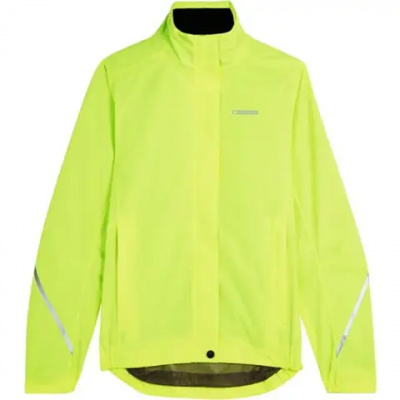
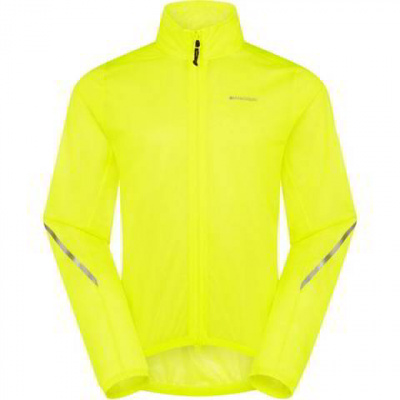
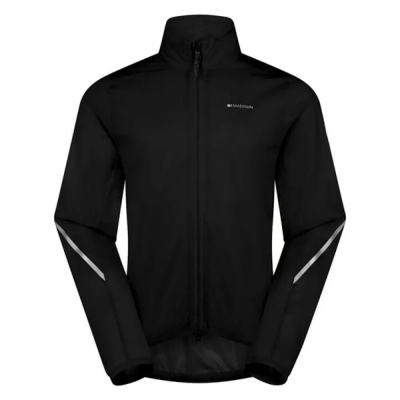
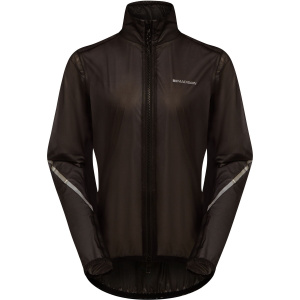
Reflective detailing is worth checking on whichever jacket you're considering. Madison places it strategically - rear panels, cuffs, and sometimes forearm strips - rather than scattering it for aesthetic effect. In low-light winter commutes or early-morning road rides, that positioning makes a genuine difference to visibility from following traffic.
Layering Logic and Jacket Care
A waterproof jacket performs best as the outer shell of a system, not a standalone solution. Pair a Madison jacket with a properly moisture-wicking Madison base layer and you give the breathable membrane a fighting chance - sweat that's already been pulled away from your skin moves through the system rather than saturating your insulating layer and blocking vapour transfer. Stuff a cotton t-shirt underneath and even a 20,000mm jacket will feel clammy inside 20 minutes of hard riding. The membrane can only do its job if the layers beneath it are working too.
For longer or wetter days, adding Madison overtrousers keeps the full lower body sealed against sustained rain, and teaming the jacket with Madison gloves closes the gaps at the wrists where cold and wet sneak in. It's the combination that makes the difference on a proper winter ride - individual pieces are good; a matched system is better.
Washing waterproof kit correctly is the thing most riders get wrong, and it shortens jacket life faster than almost anything else. Use a dedicated tech-wash - Nikwax Tech Wash or similar - at 30 degrees. Standard biological detergents and fabric softeners clog the breathable membrane's microscopic pores, which kills breathability and lets the DWR coating degrade faster. Once clean, the DWR coating can be reactivated by tumble drying on a low heat setting, or by applying a spray-on reproofer while the jacket is still damp and then warming it through. You'll know the DWR needs attention when water stops beading on the surface and starts soaking in - the jacket isn't failing, it just needs refreshing.
Madison Jackets FAQs
Are Madison cycling jackets true to size?
Generally, yes. Madison's MTB and commuter jackets run true to size with a slightly relaxed cut that accommodates winter layering. Road-specific jackets are trimmer - if you prefer a looser fit or plan to layer underneath, size up. When in doubt, check Madison's size guide against your chest and torso length.
How waterproof are Madison cycling jackets?
Madison uses 2.5-layer and 3-layer waterproof breathable fabrics rated typically between 10,000mm and 20,000mm hydrostatic head. Combined with fully taped seams on higher-spec models, that's more than enough to handle sustained UK downpours. Check whether your chosen jacket has critical or fully taped seams - fully taped offers complete protection.
How do I wash my Madison waterproof jacket?
Wash at 30°C using a specialist tech-wash - never standard biological detergent or fabric softener, both of which damage the breathable membrane. To reactivate the DWR coating afterwards, tumble dry on a low heat or apply a spray-on reproofer while the jacket is still damp, then warm through. Do this regularly and the jacket will perform far longer.