
Madison Base Layers
A successful ride starts with what sits directly against your skin, and Madison base layers are built to act as your personal microclimate from the first pedal stroke. Whether you're grinding up a humid Welsh climb in July or pushing into a freezing January headwind on the South Downs, getting that next-to-skin layer right makes the difference between a strong finish and a shivering slog back to the car.
Madison's range covers the full UK calendar. Ultralight open-mesh singlets pull sweat off your skin fast enough to keep you dry on summer efforts, while thermal and merino-blend long sleeves trap warmth without turning you into a radiator on the climbs. The key job of any base layer is moisture management - warmth is a side effect of staying dry, not a feature you bolt on top.
What makes the Madison cycling base layer range worth attention is its no-nonsense approach to conditions that actually matter here: high humidity on UK cols, that brutal chill when you crest and start descending, and shoulder seasons where you genuinely cannot predict what you'll ride into. Pick the right layer and your jersey, jacket, or gilet above it all work better for it.
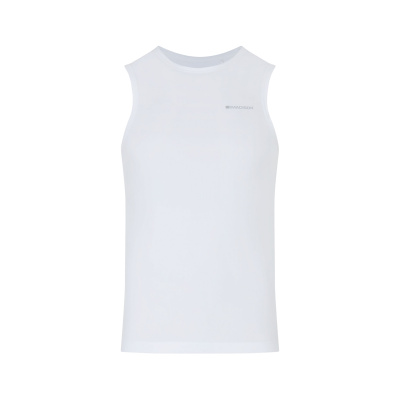
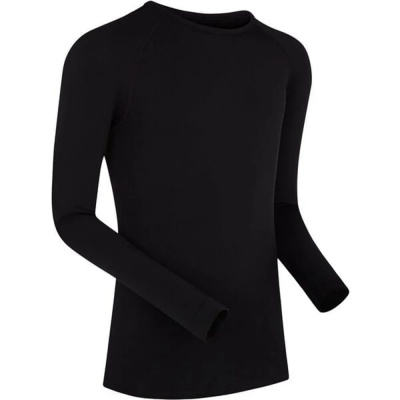
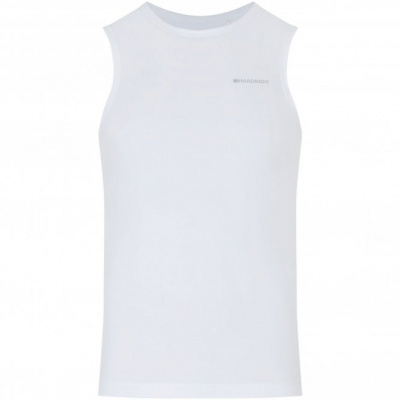
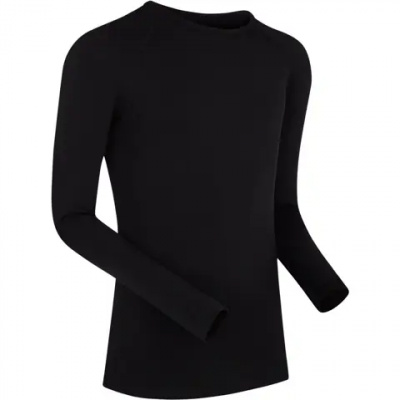
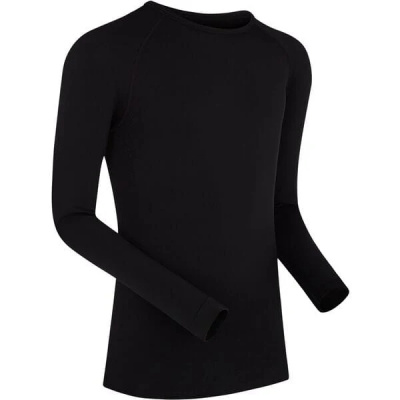
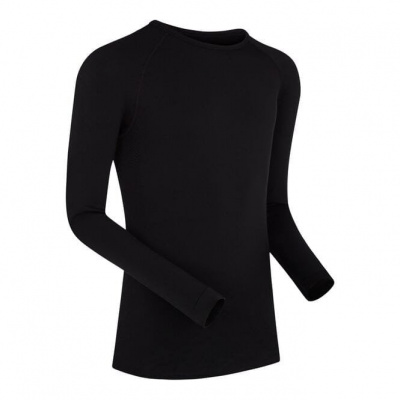
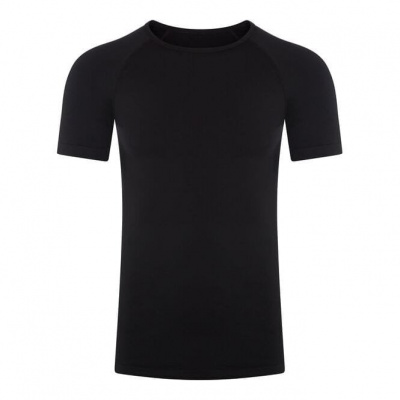
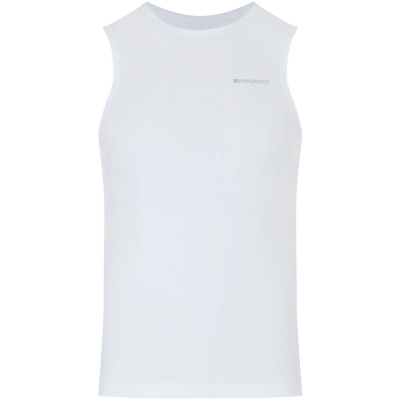
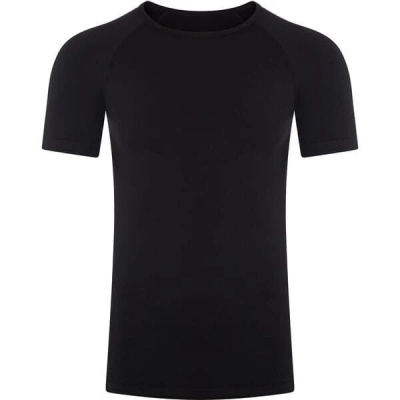
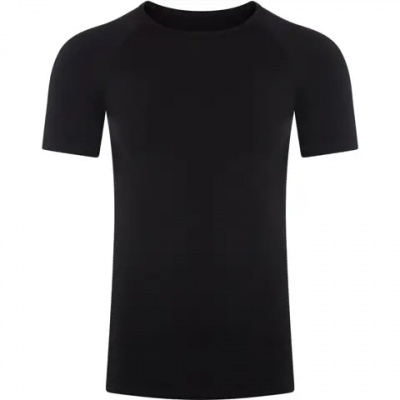
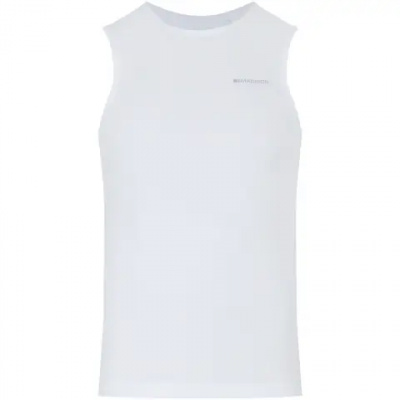
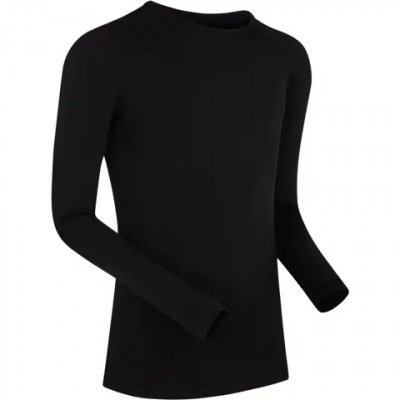
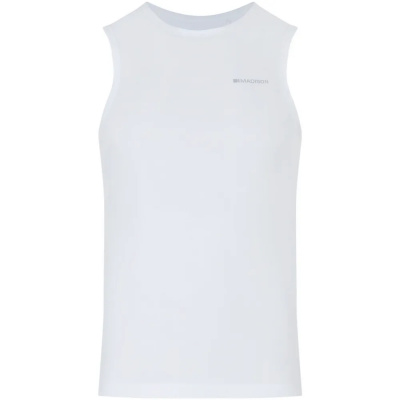
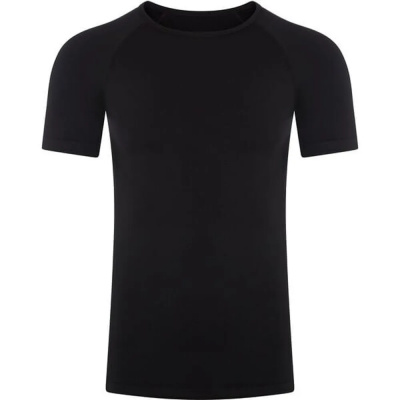
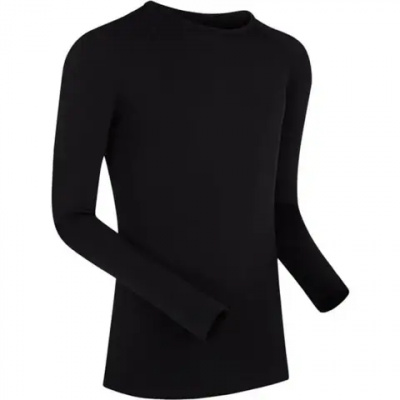
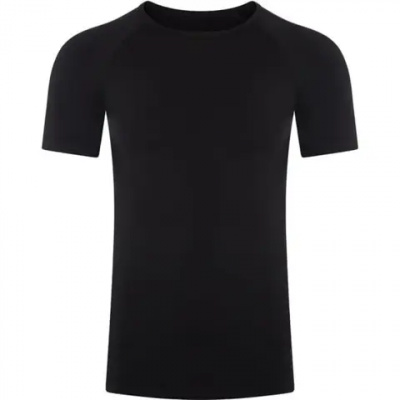
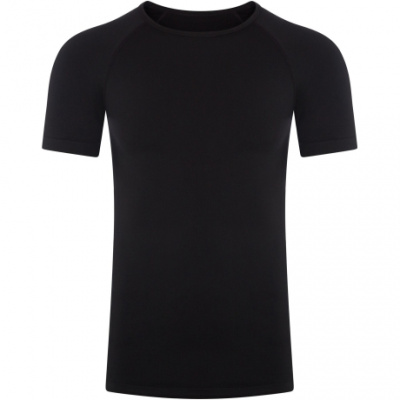
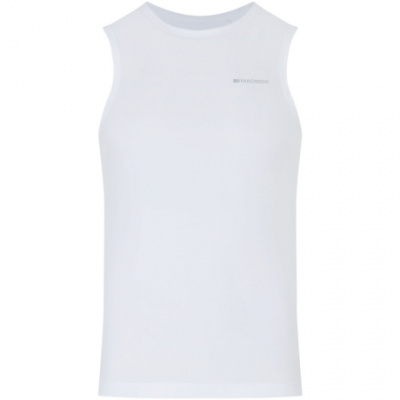
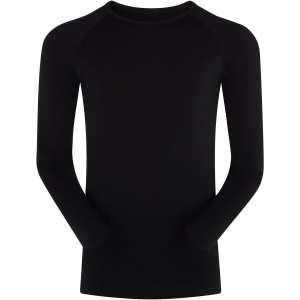
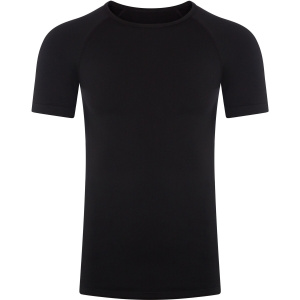
Prices and availability can change quickly. Delivery charges are not always included in listed prices.
Final price, stock status and delivery terms are set by retailer. We may receive a commission on purchases made.
Mesh vs. Thermal: What the Fabrics Actually Do
The open-mesh synthetic base layers in Madison's summer lineup work through capillary action - the fabric's fine channels physically draw sweat away from your skin and spread it across a wider surface area so it evaporates faster. Think of it like blotting paper, but one that actively pulls rather than passively absorbs. Fast-wicking polypropylene and polyester yarns are the workhorses here, transferring moisture rapidly enough that you stay dry even when the effort is deep. That matters on a long humid climb in the Peak District, where arriving at the top soaked means a dangerous chill on the descent.
Winter options shift the brief entirely. Thermal insulation comes from trapping a layer of still, warm air next to your body - and that's exactly what Madison's heavier thermal fabrics do, using a brushed inner face to create that dead-air buffer. The Madison merino base layer blends take this further: merino's natural crimp structure gives it genuine wet-weather warmth even when the fibres are damp, and the antibacterial properties mean it stays fresher across multi-day riding. Synthetic thermals dry faster and offer more stretch; merino blends stay warmer when wet and smell better after three hours in the rain. Neither is universally superior - it depends on your ride length and how often you can wash.
The primary job of any base layer, whatever the season, is temperature regulation through moisture management. A soggy base layer that can't shift sweat undermines every other layer above it, regardless of how good your jacket is.
Fit, Construction, and What the Range Covers
A base layer only wicks if it's in contact with your skin. Bag it out and sweat pools in the loose fabric rather than transferring through it - you end up cold and damp, which is the exact problem you were trying to solve. Madison's base layers are cut close, and the better versions use seamless tubular construction to remove the seam lines that cause hot spots under bib straps on longer rides. Where seams do exist, flatlock stitching keeps them lying flat rather than raised, so there's nothing to chafe when you're in the drops for three hours.
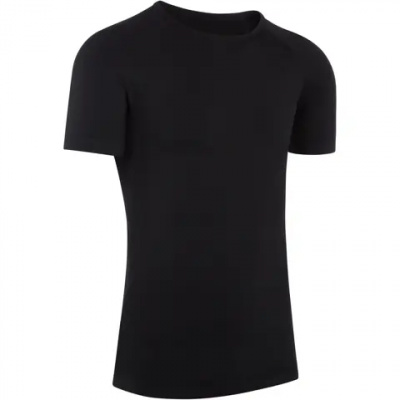
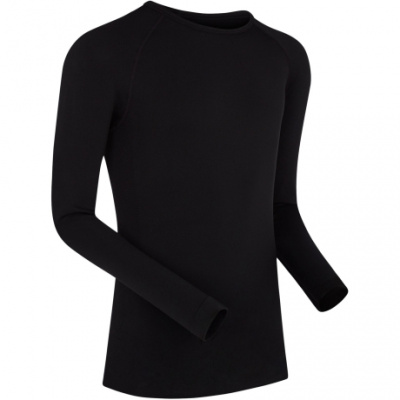
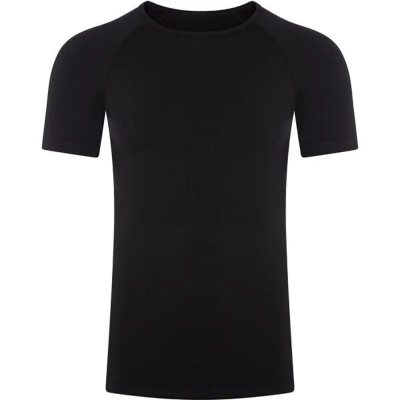
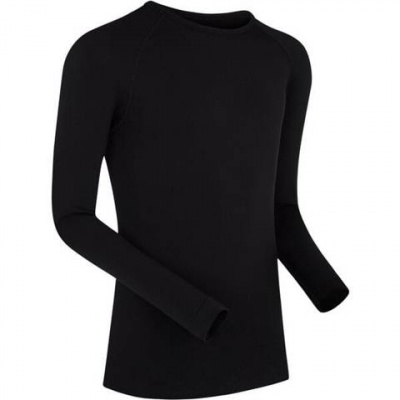
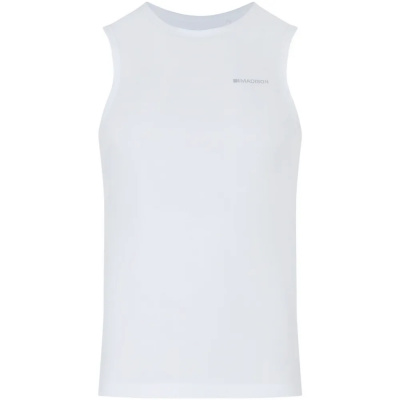
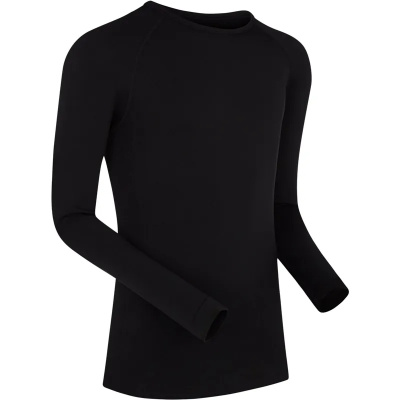
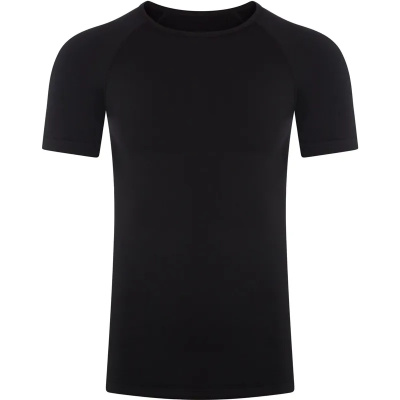
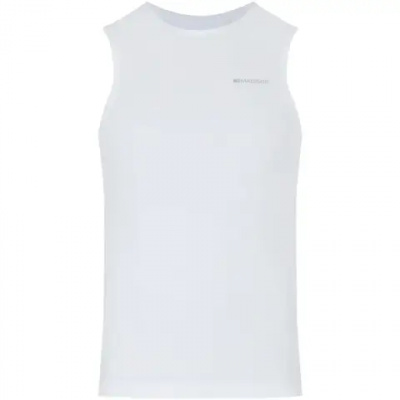
Sleeve length is where you make your seasonal call. Sleeveless versions suit high summer or riders who run warm; a sleeveless layer under a short-sleeve jersey is a genuinely effective combination that people underestimate. Madison short sleeve base layers are the most versatile option - they cover enough to add a perceptible layer of warmth on cooler mornings but don't overheat you once the pace picks up. Long sleeve thermals are for deep winter, ideally under a Madison jacket when the temperature drops hard.
The dropped tail is worth a mention - it's a small detail that makes a real difference. When you're stretched out on the bike, a standard-length hem rides up and leaves your lower back exposed. The extended rear hem on Madison's base layers solves that without any fuss, keeping your core covered in the position you actually ride in. Pair that with Madison bib shorts or bib tights and the coverage is seamless across the whole torso.
Should a cycling base layer be tight? Yes - snug enough to maintain skin contact across your full range of movement, but not so compressed that it restricts your breathing on hard efforts. If you're between sizes, size down rather than up.
Building a Layering System That Works in the UK
The summer vs winter cycling base layer decision is only half the picture. The other half is how your base layer works with everything above it. On mild days - the kind of overcast, 10 - 14°C mornings that make up half the UK riding calendar - a short sleeve base layer under a Madison jersey is genuinely sufficient. The base handles moisture, the jersey handles temperature, and you're not carrying unnecessary bulk.
Once it gets colder or wetter, the base layer becomes the foundation of a proper system. A thermal long sleeve base under a jersey, topped with a Madison gilet, covers a surprising temperature range because the gilet blocks wind and light rain at the chest while your arms stay ventilated. For genuine winter - January in Scotland or a February ride across the Pennines - go full thermal base under a jacket, and consider Madison arm warmers as a flexible addition you can peel off mid-ride if you warm up.
One thing that kills a base layer faster than hard riding is washing it wrong. Wash at 30 degrees and skip the fabric softener entirely - softener coats the synthetic micropores that make the wicking work, and after a few washes you're essentially wearing a cotton vest. It's a small habit that keeps the layer performing for seasons rather than months.
Do you wear a base layer under a cycling jersey in summer? Worth doing, yes. An open-mesh layer actively moves sweat off your skin before it can saturate your jersey, so evaporation happens faster and your core stays cooler than it would in a jersey alone. It's not just a winter thing.
What's the best material for a winter cycling base layer? Merino blends and advanced thermal synthetics are both solid answers, but for different reasons. Merino stays warm when wet and handles multi-day use without smelling; thermal synthetics stretch more freely and dry quicker between rides. If you're doing long, exposed winter rides, merino's wet-warmth advantage is real. If you're commuting daily and need it dry by morning, a thermal synthetic is the more practical call.
Madison Base Layers FAQs
Should a cycling base layer be tight?
It needs to sit flush against your skin - snug without restricting your breathing. If it's loose, the fabric can't draw sweat away efficiently and it just pools against your body, leaving you cold and damp. When in doubt between two sizes, go smaller.
Do you wear a base layer under a cycling jersey in summer?
Yes, and it's more effective than most riders expect. A lightweight open-mesh base layer actively wicks sweat away from your skin so it evaporates faster, keeping your core cooler than a jersey alone. On humid UK summer climbs, it also prevents that brutal chill when you hit the descent.
What is the best material for a winter cycling base layer?
Merino wool blends and thermal synthetics are both strong options. Merino stays warm even when wet and resists odour well - useful on longer rides. Thermal synthetics offer more stretch and dry faster between uses. For exposed winter riding, merino's wet-warmth properties make it the stronger choice.