
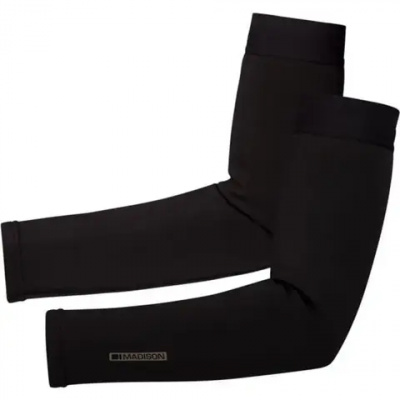
Madison Arm Warmers
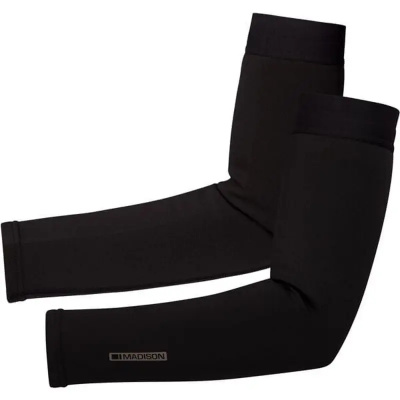
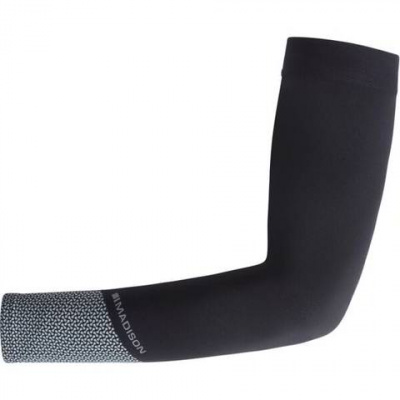
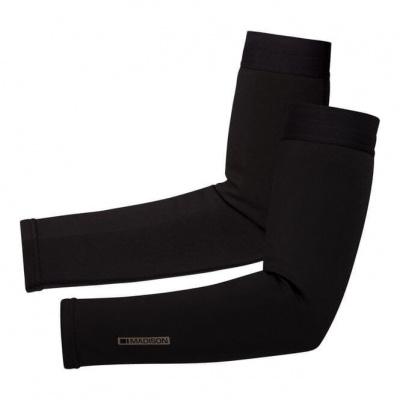
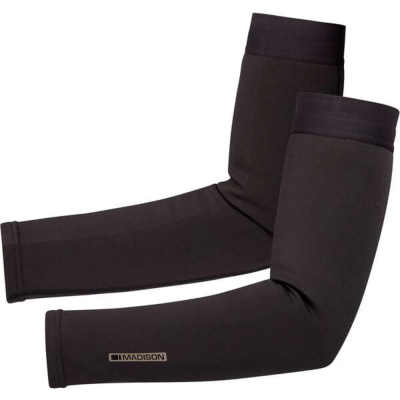
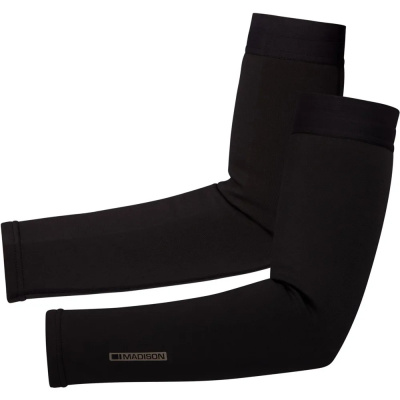
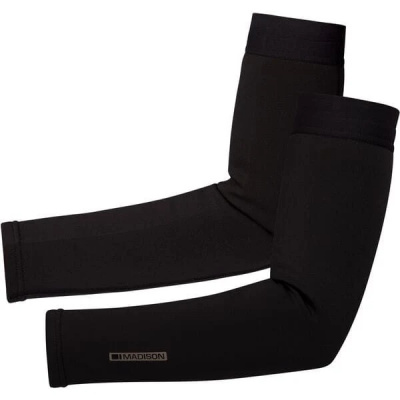
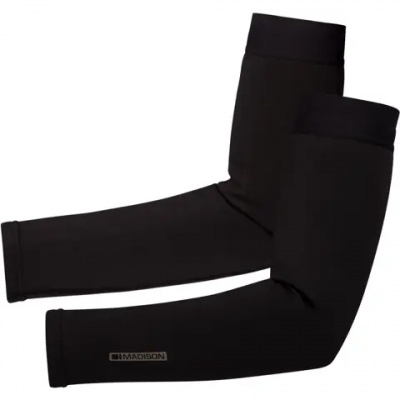
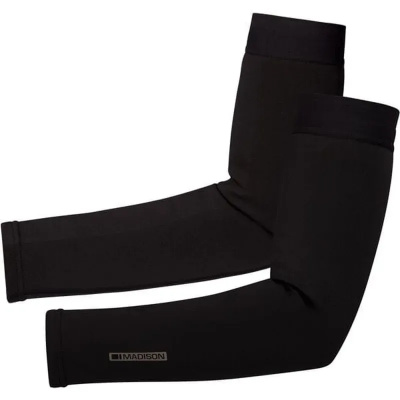
Madison arm warmers are the piece of kit that quietly earns its place on every UK rider's kit list - the kind of thing you reach for without thinking when the forecast shows 9°C at the start and 16°C by lunchtime. They sit right in that awkward gap between a short-sleeve summer jersey and a full winter jacket, giving you packable, on-demand warmth without the bulk.
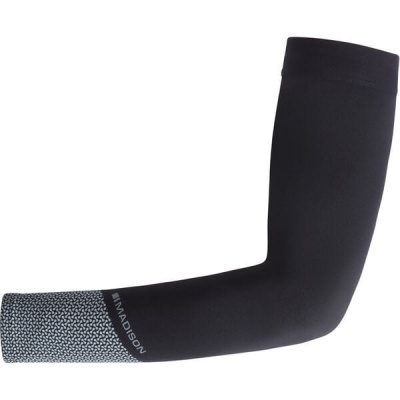
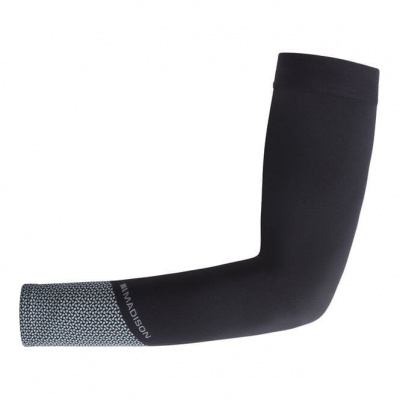
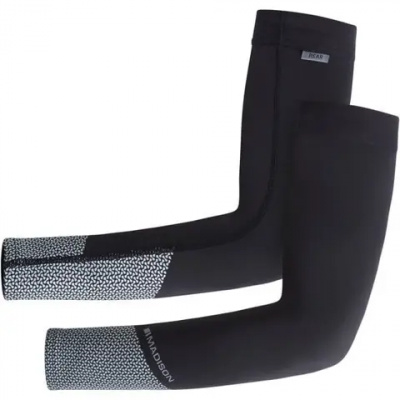
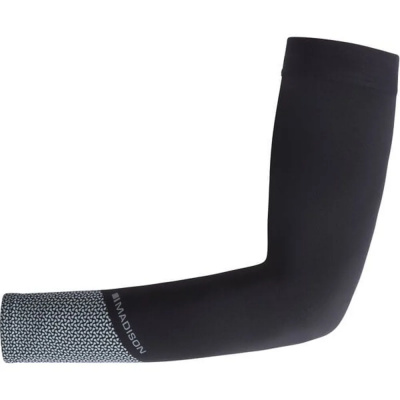
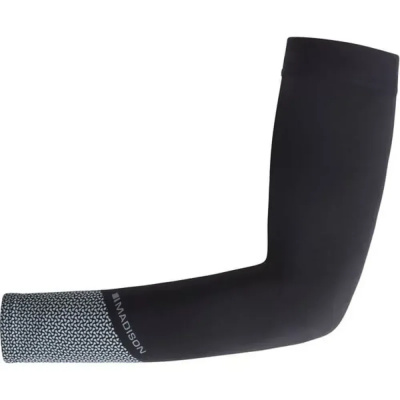
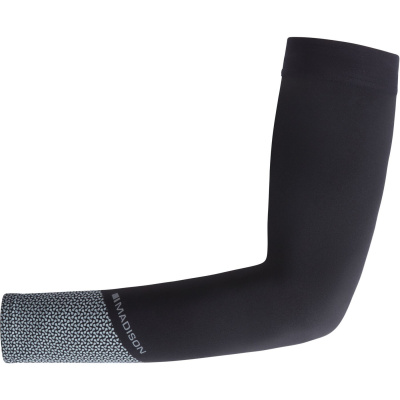
Madison's range leans on thermal Roubaix fleece to trap heat close to the skin while staying breathable enough that you're not cooking on the climbs. A DWR (Durable Water Repellent) treatment handles the sort of light drizzle and road spray that's basically a fixture on British rides - no need to stop and dig out a jacket every time a cloud darkens. Silicone bicep grippers keep everything locked in place, and articulated elbow seams mean the fabric sits where it should rather than bunching behind the joint when you're down on the drops. Whether you're rolling out for an early-morning sportive or grinding through an autumn commute, these do the job cleanly. Compact enough to stuff into a back pocket when the sun finally shows up.

Prices and availability can change quickly. Delivery charges are not always included in listed prices.
Final price, stock status and delivery terms are set by retailer. We may receive a commission on purchases made.
Fabric Tech and Weather Performance
The core of what makes Madison cycling arm warmers worth your attention is the Roubaix fleece lining. It's a brushed, stretchy fabric that traps a thin layer of warm air against your arms without adding meaningful weight - think of it as insulation that moves with you rather than fighting you. On a sharp October morning in the Peaks or a damp February club run, that retained warmth matters from the first pedal stroke.
Breathability is where cheaper warmers tend to fall apart. Roubaix fabric manages moisture reasonably well, pulling sweat away from the skin so you're not sitting in a clammy sleeve mid-ride. It won't replace a proper base layer on truly cold days, but for that 8 - 15°C window it handles the job without complaint.
The DWR coating is the other piece of the puzzle. Road spray and brief showers bead off the outer face rather than soaking through, so a passing squall on the way out of a village doesn't immediately leave you with wet arms. It's not waterproofing - Madison aren't claiming that - but it buys you meaningful time before any moisture finds its way through. Keep the coating active by washing correctly (more on that below) and it'll stay effective across a season of regular use. Reflective detailing on the range also adds a practical layer of low-light visibility for those early starts and late finishes when the days are short.
Fit, Construction, and What the Range Covers
Fit is where arm warmers succeed or quietly irritate you for an entire ride. Madison's articulated elbow design is the detail that separates a well-made warmer from a budget one. By shaping the fabric around the bent-arm riding position, the seams don't pull or bunch at the back of the elbow when you're extended over the bars. Sounds minor until you've spent three hours fighting a crease behind your joint.
The silicone bicep gripper is the other non-negotiable. Without a decent gripper, warmers migrate south over the course of a ride - gradually exposing a strip of arm and driving you quietly mad. Madison's silicone hem sits flat on the upper arm and holds its position without cutting off circulation. Snug is what you want; tight enough to stay put, relaxed enough that you forget it's there.
In terms of sizing, go by the arm circumference measurement rather than your jersey size alone - arms vary. If you're between sizes, sizing up marginally tends to work better for comfort; the gripper does the work of keeping things in place. For lower body coverage on the same kind of transitional days, Madison knee warmers pair logically with the arm warmers, and Madison leg warmers are worth a look if you're chasing fuller coverage on longer cold-morning rides.
Layering Strategy and Keeping Them in Good Shape
The standard combination that works - and it's the one you'll hear from riders who've got this dialled - is a short-sleeve jersey, arm warmers underneath the jersey sleeves, and a gilet over the top. The arm warmers always go under the jersey cuff, not over it. That overlap seals the gap and stops cold air and rain from pushing up between sleeve and warmer. It also keeps the whole thing sitting cleanly rather than looking like you've had a wardrobe incident.
Adding a Madison gilet over a Madison jersey keeps your core regulated while the arm warmers handle the exposed limbs - it's a system that lets you strip layers as the temperature climbs without committing to stopping and repacking a jacket. A Madison base layer underneath on genuinely cold mornings rounds out the layering stack and extends the useful temperature range of the warmers further down toward 5°C.
When they need washing, keep it at 30°C, use a technical wash or plain detergent, and skip the fabric softener entirely. Softener coats the fibres and kills both the moisture-wicking performance and the DWR treatment faster than anything else. Line dry rather than tumble dry to preserve the elasticity in the gripper hem. Treat them reasonably and the DWR stays functional; let fabric softener in and you'll notice the water resistance going within a few washes.
Packability is a genuine selling point here. Rolled up, a pair of thermal arm warmers takes up roughly the space of a folded map in your back pocket. On a UK spring or autumn ride where the temperature swings ten degrees between the valley floor and an exposed ridge, that portability means you're never caught either over- or under-dressed for long.
Madison Arm Warmers FAQs
How should Madison arm warmers fit?
Snug against the skin without pinching or restricting movement. The silicone gripper needs to sit flat against your upper bicep - if it's rolling or digging in, you're in the wrong size. You want firm enough to stay put on a four-hour ride, comfortable enough that you stop noticing them after the first ten minutes.
Do arm warmers go under or over your jersey?
Always under the jersey sleeves. Tuck the warmer beneath the jersey cuff to create a sealed overlap - this closes the gap that wind and rain would otherwise exploit. Wearing them over the sleeve looks wrong and performs worse; cold air finds the join every time.
What temperature are arm warmers good for?
The core range is roughly 10 - 15°C, which covers a huge proportion of UK spring and autumn riding. Madison's thermal Roubaix options push that usable window down toward 7 - 8°C on colder mornings. As the day warms up, roll them down or pull them off and pocket them - that flexibility is much of the point.