
Madison Knee Warmers
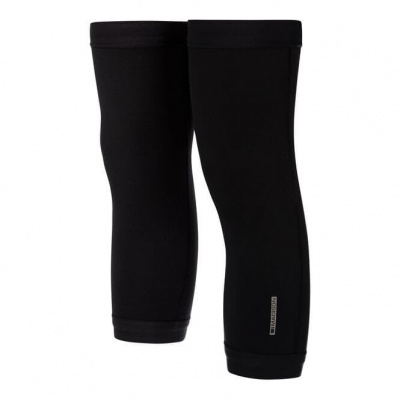
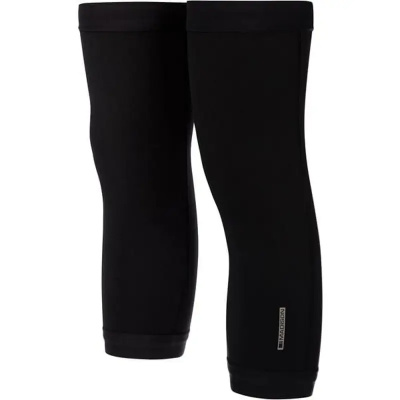
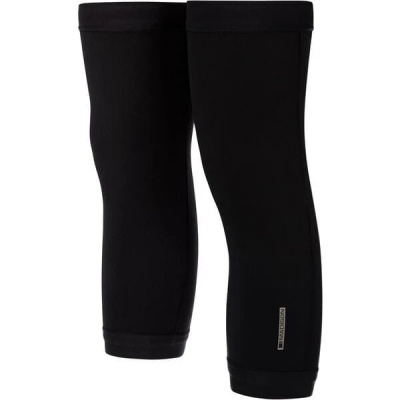
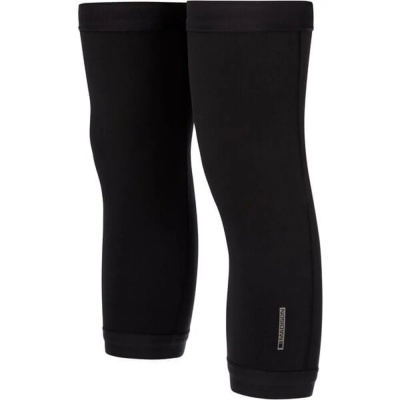
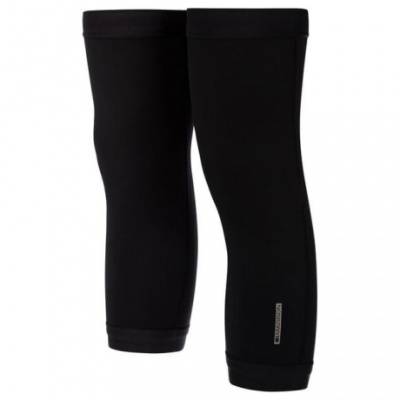
Madison knee warmers exist for exactly that moment when you're standing by the car, sky looking indecisive, and bare legs feel like a gamble you're not willing to take. Not cold enough for full tights, not warm enough to ignore the chill - that's where these earn their place. The Roubaix brushed fleece interior traps warmth around your knee joints without turning your legs into a sauna on the climbs, while a DWR coating sends road spray beading off the fabric rather than soaking through. Double-sided silicone grippers lock the warmer against both your skin and the hem of your bib short, so there's no remedial faffing mid-ride. The articulated pre-curved fit follows the natural bend of the knee, keeping fabric smooth through the full pedal stroke. Light enough to fold into a back pocket, they're the kind of thing you'll wish you'd packed the one time you don't. If you're riding UK spring or autumn in anything under about 15°C, Madison cycling knee warmers are a straightforward call - reliable insulation, sensible construction, and none of the bulk that makes a simple fix feel complicated.
Prices and availability can change quickly. Delivery charges are not always included in listed prices.
Final price, stock status and delivery terms are set by retailer. We may receive a commission on purchases made.
Fabric Tech & Weather Performance Built for British Conditions
The core of what makes these warmers work is the Roubaix brushed fleece interior. That soft, raised pile traps a layer of warm air close to the skin - think of it as a thin but effective buffer between your knee joint and a cold headwind on the Peaks or a damp October morning in the Cotswolds. It doesn't just keep warmth in; it actively wicks sweat away during harder efforts, so you're not finishing a climb with cold, clammy legs as you cool down on the descent.
The DWR (Durable Water Repellent) coating is the other half of the equation. It won't turn a full downpour into a non-event, but it handles road spray and passing showers well - water beads on the surface rather than saturating the fabric. That matters because wet insulation loses much of its effectiveness fast. Keeping the fleece dry is what keeps your knees warm when the road is greasy and puddles are unavoidable.
Weight and packability are worth flagging too. These are thin enough to fold down into a jersey back pocket without much drama. That makes them genuinely useful as a just-in-case item on longer rides where the temperature might drop sharply before you get back to the car.
Fit, Sizing and What Keeps Them in Place
An articulated, pre-curved fit sounds like a minor detail until you've ridden in a warmer that bunches behind the knee. That crease of fabric grinding through thousands of pedal strokes is uncomfortable at best, and it can cause real irritation on longer rides. Madison's pre-curved construction follows the natural angle of a bent knee, so the fit stays clean whether you're grinding up a long drag or spinning on the flat.
Sizing is worth thinking about carefully. Don't just default to the same size as your bib shorts - base your choice on mid-thigh circumference instead. A warmer that's slightly loose at the thigh will migrate downward regardless of how good the gripper is, so getting that measurement right first is the most practical thing you can do before buying.
The double-sided silicone grippers are what actually anchor everything in place. One side grips your skin, the other grips the inner hem of your bib short, effectively sandwiching the warmer between two contact points. It's a noticeably more secure system than single-band grippers, and it's one of the reasons these hold up well on longer rides rather than needing constant readjustment. If you're comparing options, it's also a useful feature to check when looking at alternatives like Madison leg warmers - which suit colder days when you want full coverage rather than transitional flexibility.
Layering, Pairing and Keeping Them in Good Condition
Knee warmers work best as part of a considered layering approach rather than a standalone fix. For most UK spring and autumn riding, pairing them with Madison bib shorts gives you a clean, compatible combination - the short's hem sits over the warmer's gripper and helps lock it in place, while the chamois handles the rest. Add Madison arm warmers and you've got a modular setup that covers the key vulnerability points without the commitment of a full winter kit. On days where the wind is cutting or rain looks likely, a Madison gilet over a good base layer completes the picture without overheating you once you're moving.
The layering order matters. Warmers go on before your bib shorts, not after - the short's hem needs to sit over the top of the warmer to help hold it up and create a smooth line. It's the kind of thing that sounds obvious once someone tells you, but it makes a real difference to how well the grippers perform and how the whole setup feels on the bike.
Care is straightforward but worth doing properly. Wash at 30°C, skip the fabric softener - it degrades the DWR coating over time, which is exactly what you don't want - and air dry rather than tumble drying to preserve the elasticity in the gripper bands. If the DWR starts to feel less effective after several washes, a low-heat iron or a DWR re-treatment spray can usually restore the beading effect without replacing the warmers.
Madison Knee Warmers FAQs
How do you keep cycling knee warmers from slipping down?
Double-sided silicone grippers are the key - they bond to both skin and fabric simultaneously, which is far more reliable than a single-contact band. Beyond that, sizing correctly to your mid-thigh circumference matters more than most people realise. Wear the warmers underneath your bib shorts so the hem adds a second anchor point over the top gripper.
What temperature should you wear knee warmers for cycling?
The practical range is roughly 8°C to 15°C. Below that, full leg warmers or tights make more sense for sustained warmth. Above 15°C, most riders find them unnecessary unless the wind is particularly sharp. The main reason to protect your knees in the cold is to keep the synovial fluid in the joint moving freely - cold, stiff joints are more vulnerable to injury on longer efforts.
Do knee warmers go over or under bib shorts?
Always under. Pull the warmers on first, then your bib shorts over the top. The short's hem sits over the gripper band, adding a second layer of hold and preventing the warmer from migrating down your thigh mid-ride. It also creates a cleaner line aerodynamically and avoids any uncomfortable fabric edges digging in at the thigh.