
Madison Gloves
Madison cycling gloves are designed around one simple truth: British weather doesn't do predictable. One minute you're grinding into a freezing headwind on an exposed moorland road, the next you're pulling into a layby in horizontal rain. Madison's range covers both ends of that spectrum, and everything in between. From windproof softshell constructions for damp, blustery commutes to fully taped waterproof membrane gloves built for days when the sky genuinely turns against you, there's a clear logic to how the range is put together.
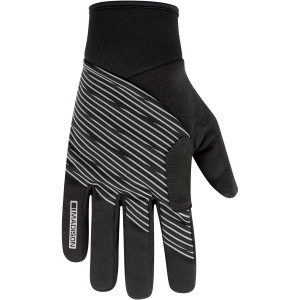
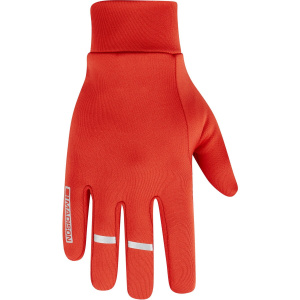
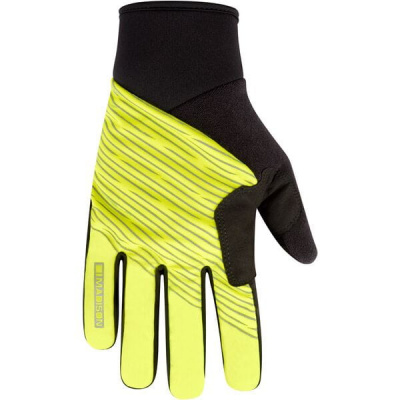
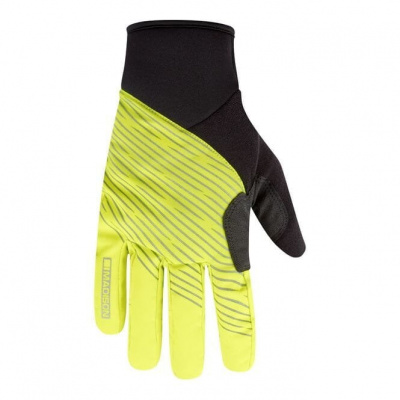
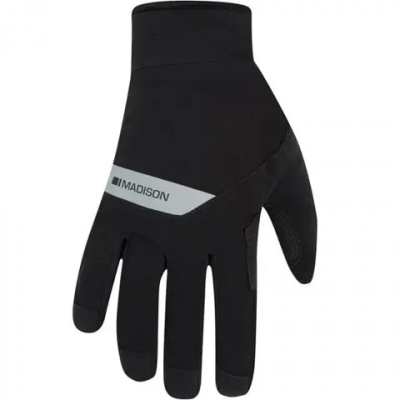
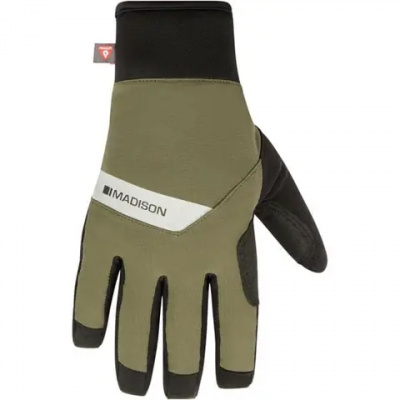
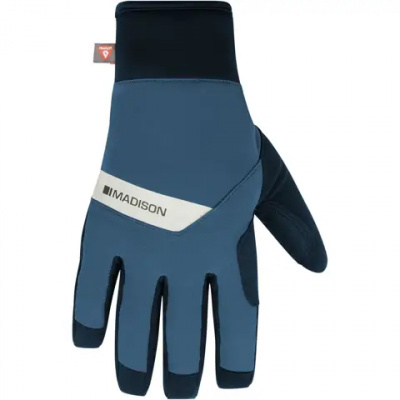
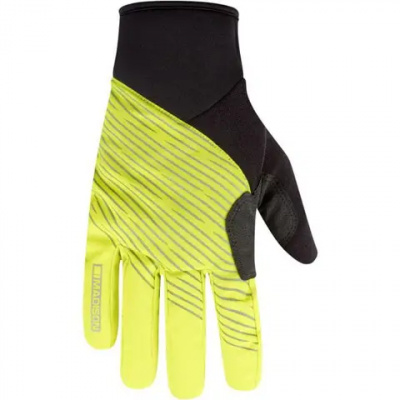
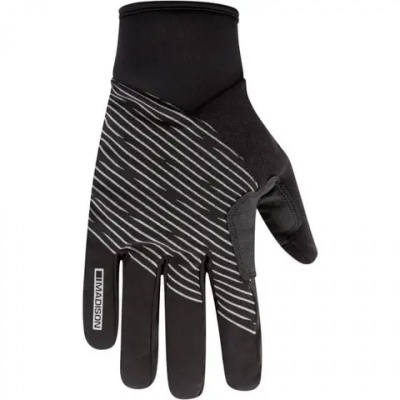
What makes Madison gloves worth your attention isn't brand loyalty - it's the details. Touchscreen-compatible conductive threading means you don't have to yank a glove off every time your phone buzzes. Silicone grip prints on the palm keep your hands locked to the bars when they're wet and cold. Extended neoprene cuffs seal out draughts at the wrist. Micro-fleece thermal linings hold heat without piling on bulk that would blunt your brake feel. And for riders who venture off-road, select models carry D3O knuckle protection - the kind of impact absorption that genuinely earns its place on a rocky descent. If you pair Madison gloves with the right Madison jacket, you've got a system that handles most of what a UK winter can throw at you.
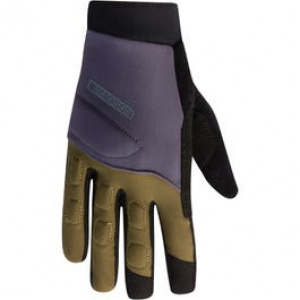
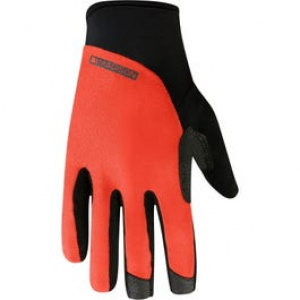
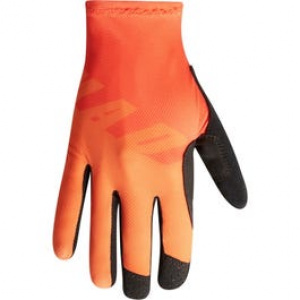
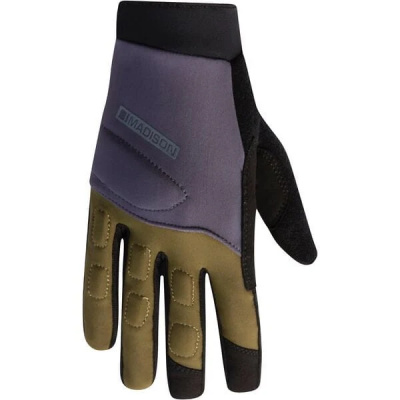
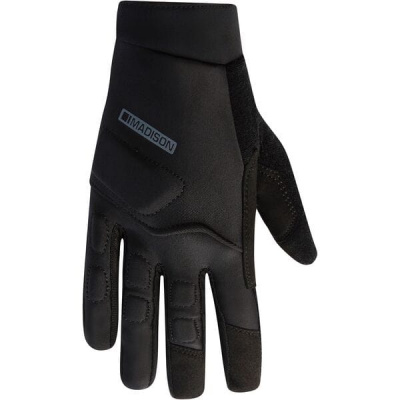
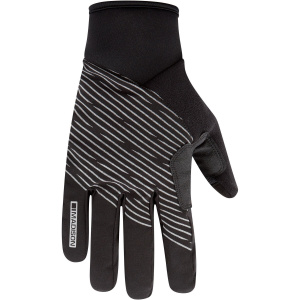
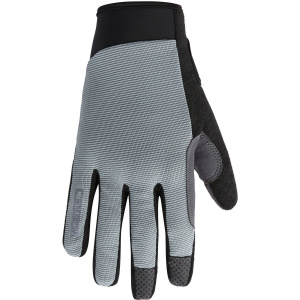
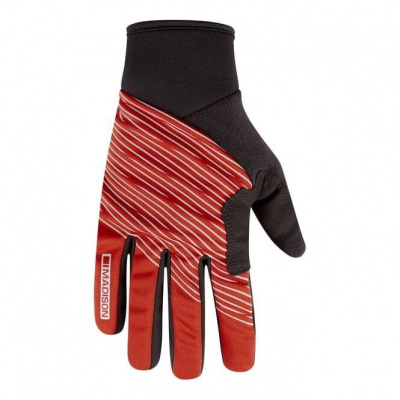
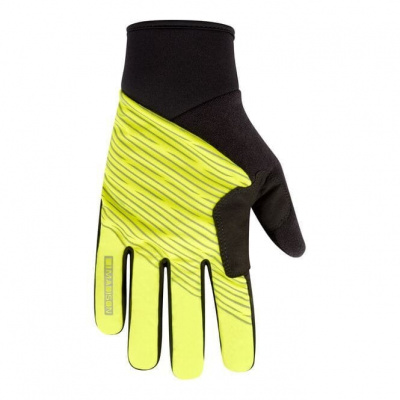
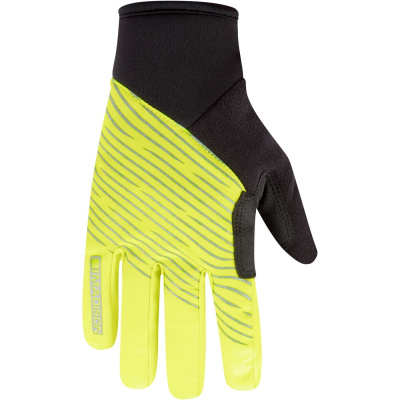
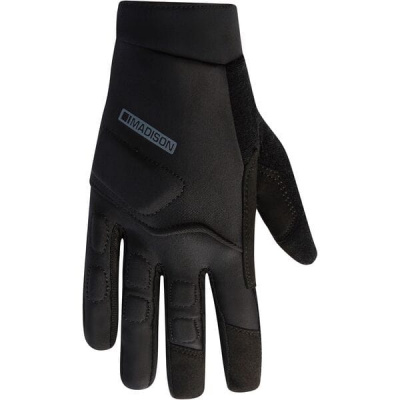
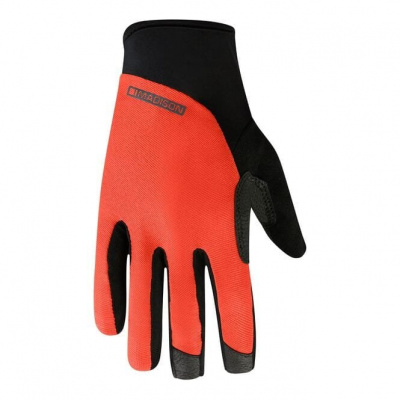
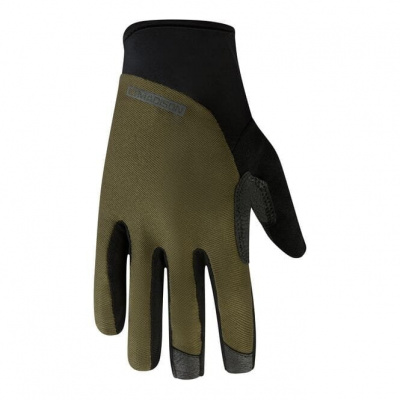
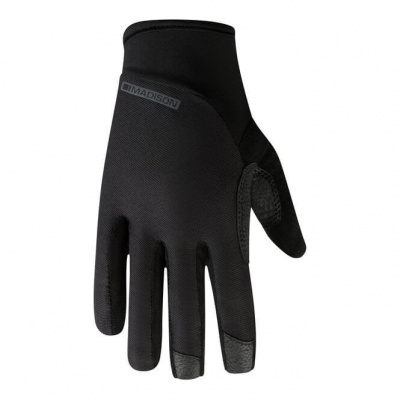
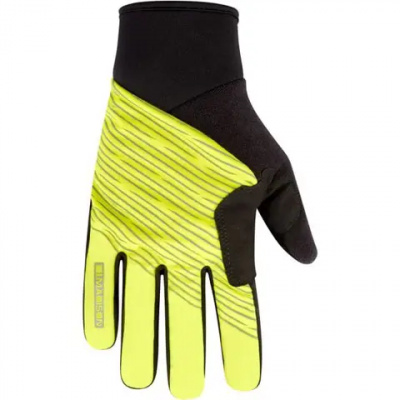
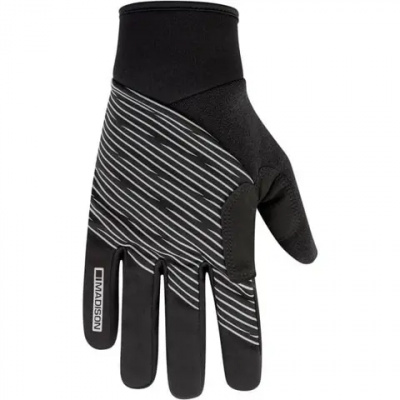
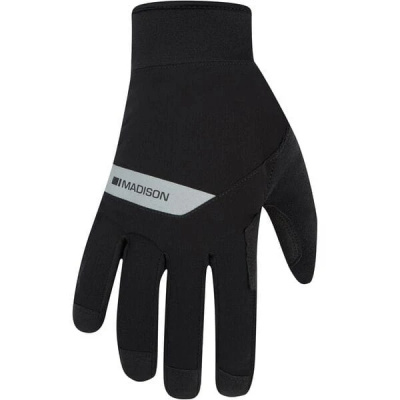
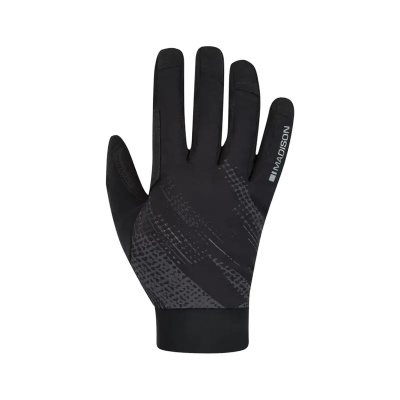
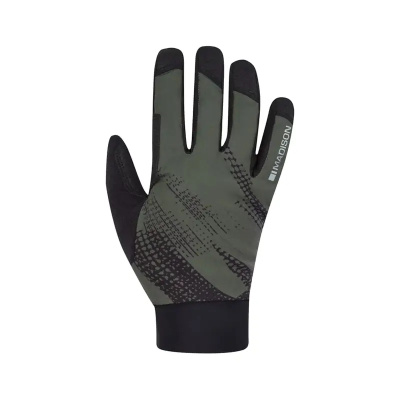
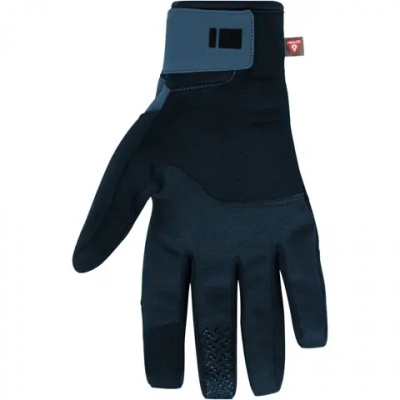
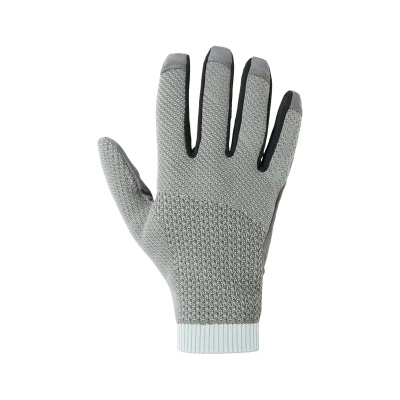
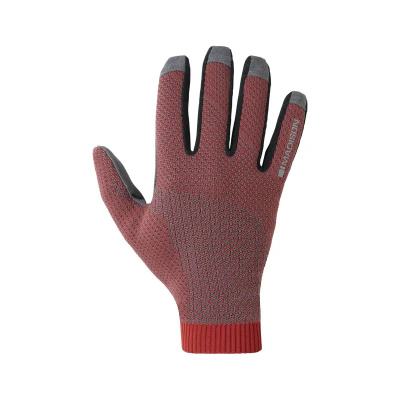
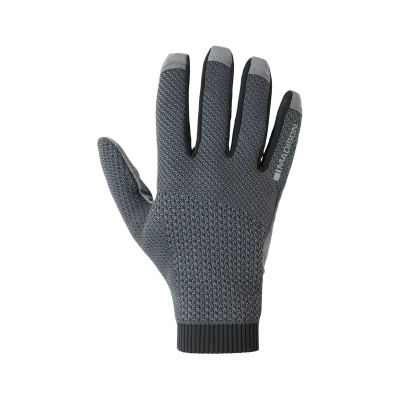
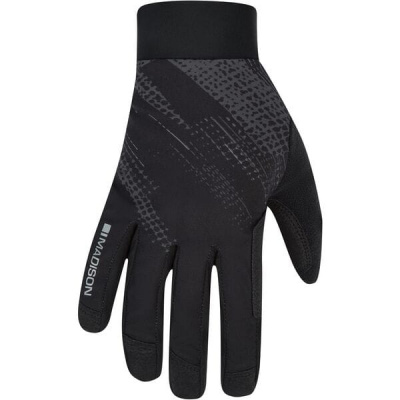
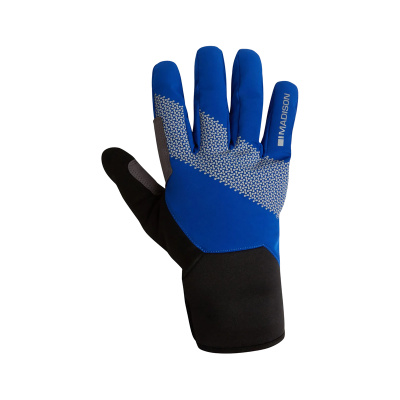
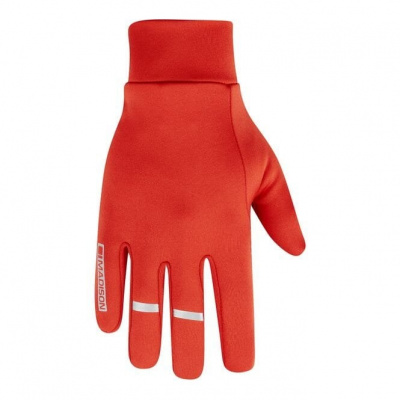
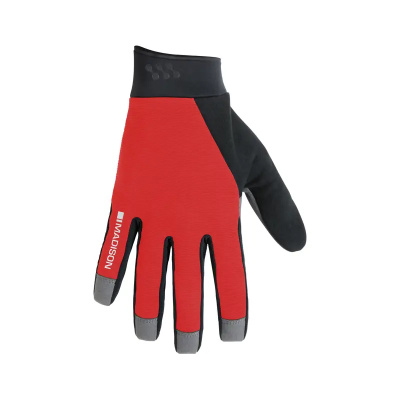
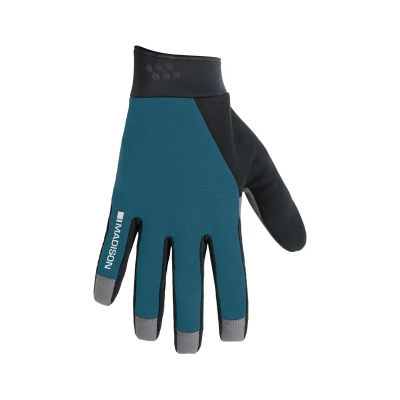
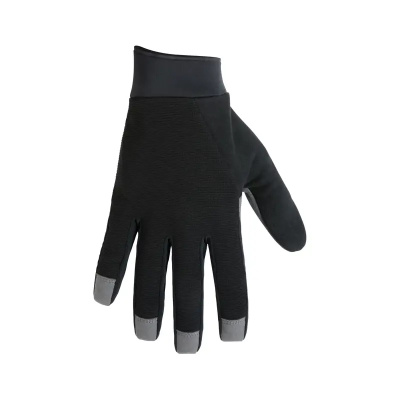
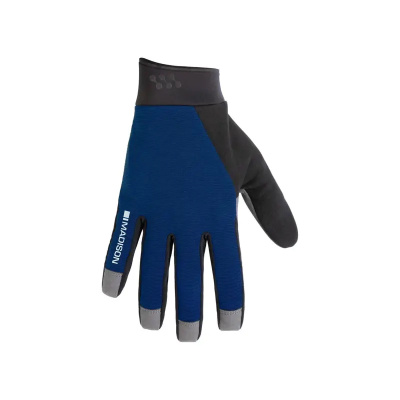
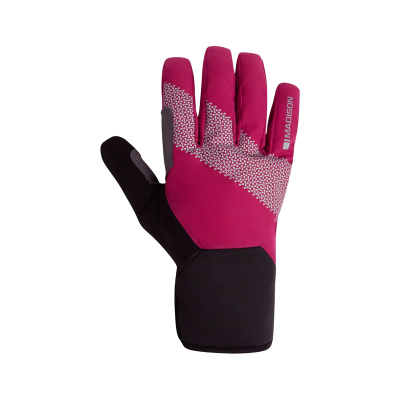
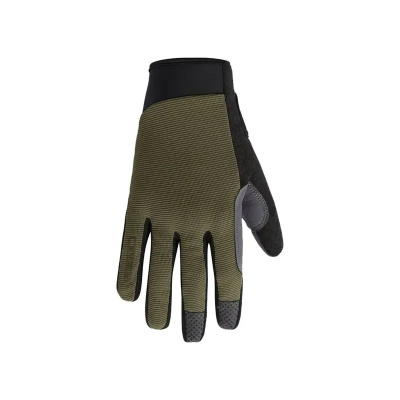
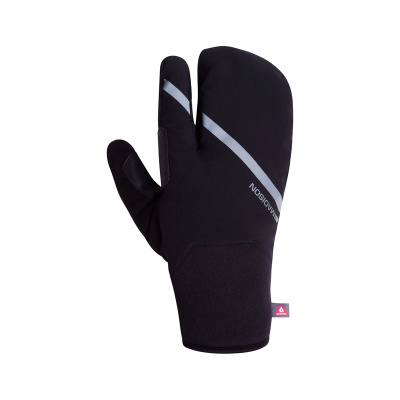
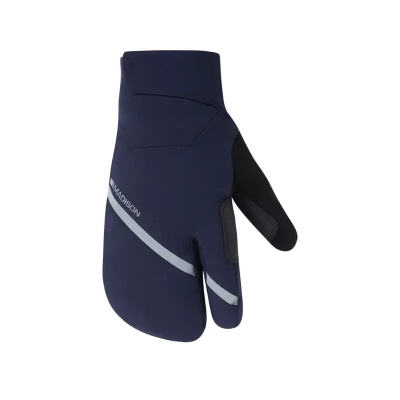
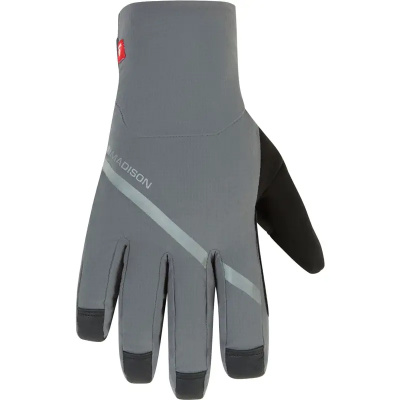
Prices and availability can change quickly. Delivery charges are not always included in listed prices.
Final price, stock status and delivery terms are set by retailer. We may receive a commission on purchases made.
Fabric Tech and Weather Performance
Not all wet weather is the same, and Madison's glove lineup reflects that. The distinction that matters most is between DWR-coated softshell gloves and fully waterproof membrane models - and choosing the wrong one for the conditions is the difference between damp hands and dry ones.
DWR (Durable Water Repellent) coatings work by causing water to bead up and roll off the outer fabric before it soaks through. On a cold, drizzly morning or a brisk ride where you're generating heat, a DWR softshell is often the better call - it breathes more freely, moves more naturally with your hand, and doesn't feel like you're wearing rubber gloves. When the rain gets heavier or you're out for longer than planned, though, DWR alone eventually concedes. That's where models like the Avalanche line step in. These feature a breathable waterproof membrane - a sealed inner layer that stops water penetrating even in sustained downpours, while still allowing some moisture vapour to escape. Fully taped seams prevent water tracking in at the stitching. It's a more robust solution, and the trade-off is a slightly stiffer, less supple feel.
Micro-fleece thermal linings sit underneath both constructions in the colder-weather models. Fleece traps a layer of warm air against your skin efficiently, without the thickness of traditional insulation. That matters for cycling specifically - you need enough warmth to keep your fingers functional, but not so much padding that squeezing a brake lever becomes a conscious effort. Madison threads that needle reasonably well. Pair that with a windproof outer layer and you've got something genuinely usable on Peak District climbs in February, where the wind chill on the descent can turn a mild day very unpleasant, very quickly.
Understanding the Madison Glove Range
Madison splits broadly into road and commute gloves on one side, and MTB-focused models on the other - and the design philosophy is quite different between them.
Road and commute gloves tend to prioritise gel padding in the palm, which dampens road vibration over longer distances and reduces fatigue on rougher surfaces. Windproofing is central, and high-visibility detailing features on several models - useful for winter commuters who are sharing roads in low light. The fit is generally close and dexterous, since road riders want to feel the bar tape and operate small controls without fumbling. The silicone grip print on the palm does real work here, keeping hands planted when rain starts sheeting down a dual carriageway at 6am.
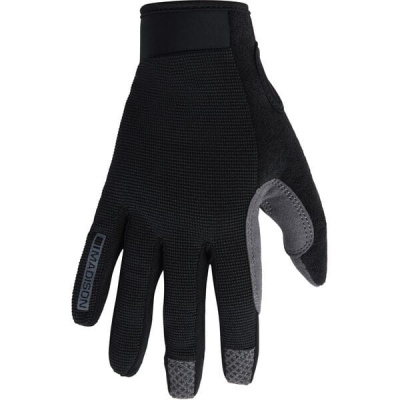
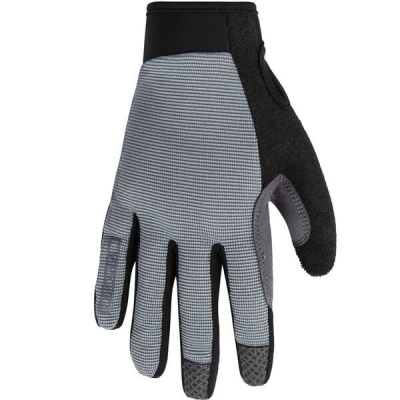
MTB gloves take a different approach. The palm construction tends to favour synthetic leather or durable textiles over gel padding - trail riders generally want direct feedback from the bars and grips rather than cushioning that softens the connection. Where road gloves protect against repetitive vibration, MTB gloves protect against acute impact. D3O knuckle protection appears on gravity and trail-focused models: the material is pliable and thin in normal use but stiffens rapidly on impact, absorbing the kind of force you'd rather not transfer to your knuckles when a rock garden goes wrong. The back-of-hand construction on these models also tends to be more robust, built to handle scrapes and snags from branches or the odd unplanned dismount on a Welsh trail centre.
Looking for warm-weather fingerless options? Head over to our dedicated Madison Mitts page for our full summer range.
Whichever category you're shopping, touchscreen compatibility is worth checking for on the specific model. Most current Madison gloves use conductive threading on the index finger - sometimes the thumb too - so you can operate a GPS unit or phone without removing the glove. Small thing, genuinely useful when it's freezing.
Layering and Care for UK Riding
One glove rarely covers every scenario in a UK winter. A mid-weight windproof glove is often the most versatile starting point - warm enough for most rides down to around 5°C, dexterous enough to use without thinking. Below that, you've got two options: switch to a heavier waterproof model, or layer a thin merino liner underneath your mid-weight glove. Merino liners add a surprising amount of warmth, wick moisture away from your skin, and cost far less than buying a second heavy glove. Worth keeping one tucked in a jersey pocket on rides where the temperature is unpredictable - a Scottish autumn morning can start at 4°C and reach 12°C within an hour.
If you're building a full cold-weather setup, it's also worth thinking about what else is losing heat. Madison arm warmers plug the gap between jacket sleeve and glove cuff neatly, and Madison overshoes stop the cold tracking up from numb feet, which can make your whole body feel colder than it is. A good Madison base layer underneath everything makes a significant difference too - the system works better than individual pieces ever do alone.
On washing: this is where a lot of riders accidentally ruin good gloves. Machine wash on a gentle 30-degree cycle using a technical cleaner - standard detergents are fine for cotton kit but strip DWR coatings over time, leaving your softshell gloves saturated in light rain rather than beading it off. Fabric softener is worse still; avoid it entirely. When it comes to drying, resist the temptation to drape them over a radiator. The heat can crack or delaminate the internal waterproof membrane in fully waterproof models, which is invisible damage until the next time you ride in proper rain. Air dry them flat or hung up, away from direct heat. It takes longer, but the gloves last longer too.
If your DWR-coated gloves start to wet out - meaning they absorb water rather than beading it - a re-proofing spray applied after washing and activated with gentle warmth from a tumble dryer on a low setting (check the care label first) can restore much of the original performance. It's not a permanent fix, but it extends the useful life of softshell gloves considerably.
Madison Gloves FAQs
Are Madison cycling gloves waterproof?
Some are, some aren't - and the distinction matters. Models like the Avalanche line use a breathable waterproof membrane with taped seams that genuinely keep water out in heavy rain. Softshell gloves in the range use a DWR coating instead, which handles drizzle and light showers well but isn't designed for prolonged downpours.
How do I wash Madison winter cycling gloves?
Use a gentle 30-degree machine wash with a technical cleaner - no fabric softener, which strips the DWR coating. Air dry them away from radiators or direct heat; sustained heat can crack the internal waterproof membrane in fully waterproof models, which isn't obvious until they start leaking mid-ride.
Do Madison gloves run true to size?
Generally yes, but heavily insulated winter models can feel snug, particularly across the knuckles. If you're between sizes or plan to wear a thin liner glove underneath for extra warmth, go one size up - a glove that's too tight restricts blood flow and will actually make your hands colder.