
Madison Overtrousers
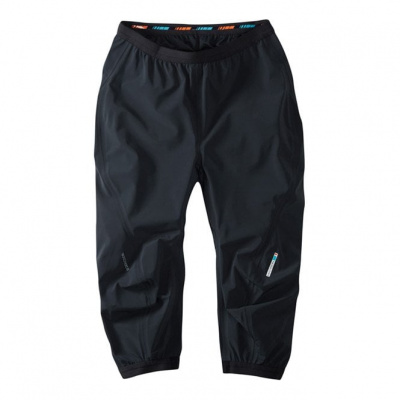
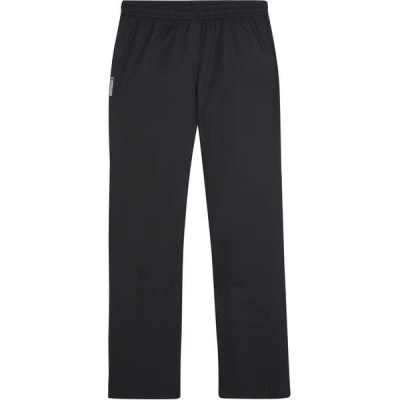
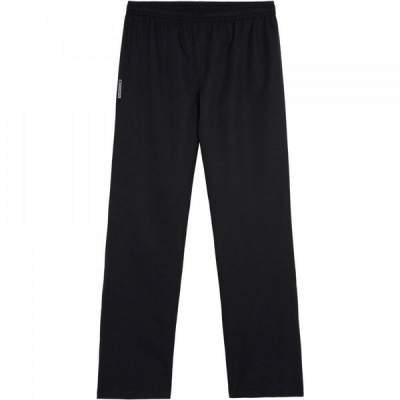
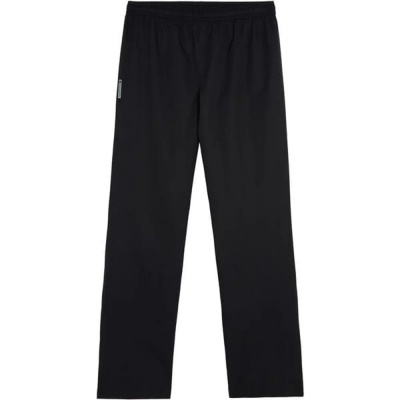
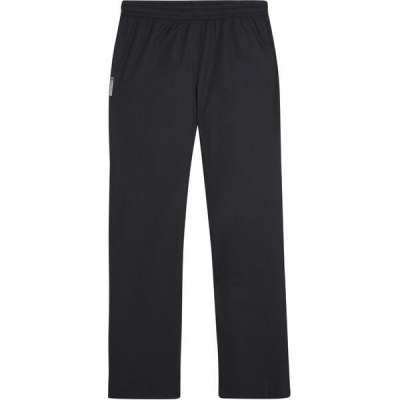
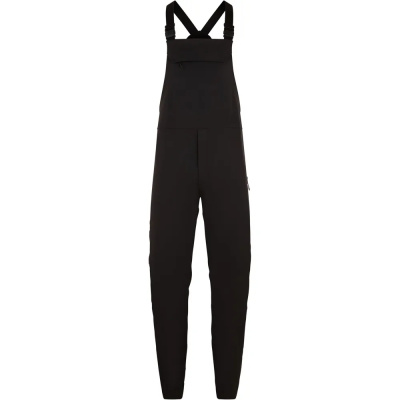
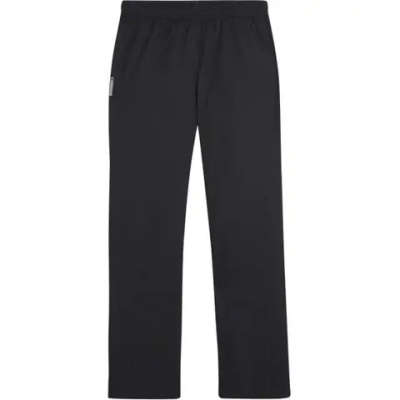
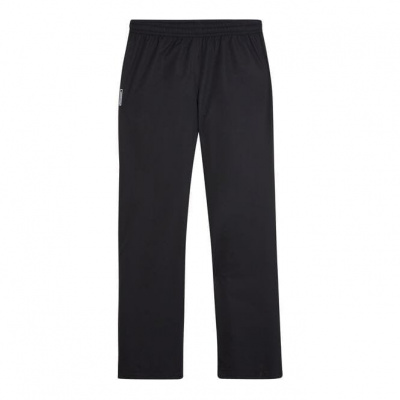
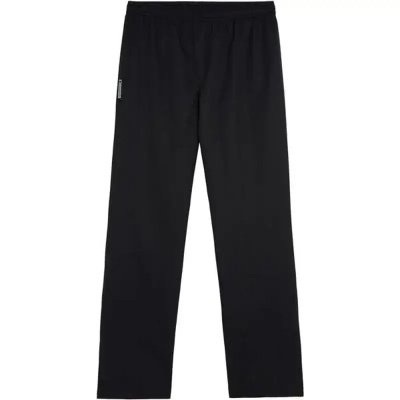
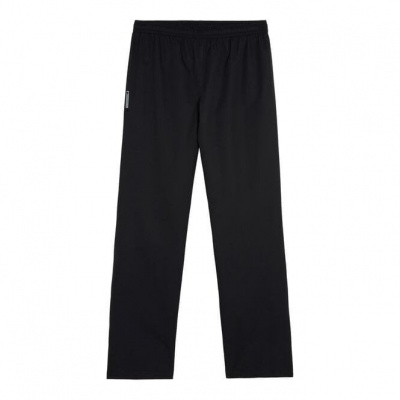
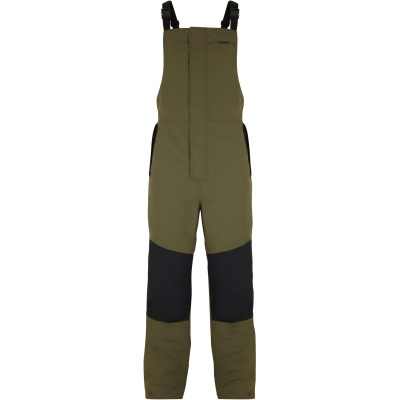
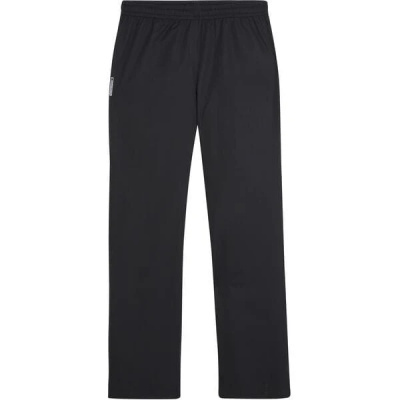
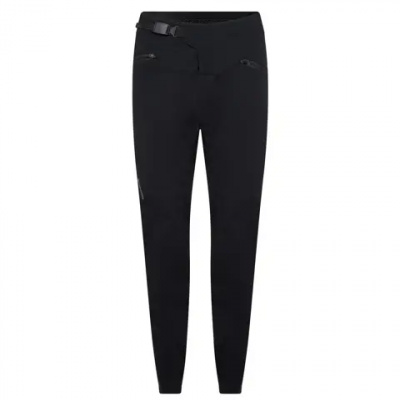
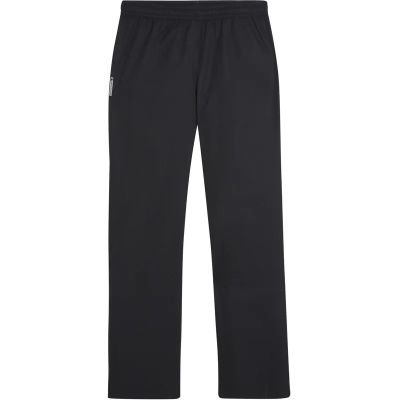
Madison overtrousers are one of the most practical pieces of kit you can own as a UK rider - because the rain doesn't care about your plans. Whether you're grinding through a winter commute under sodium-orange streetlights or picking lines on a sodden Peak District trail, a well-made pair of waterproof cycling trousers is the difference between arriving functional and arriving defeated. Madison's range covers both ends of that spectrum, from lightweight packable shells you can stuff into a jersey pocket to heavier-duty options built for sustained foul weather on the bike.
What sets these apart from a cheap pair of waterproof trousers is the cycling-specific construction: fully taped seams that block water at every stitch line, articulated knees that move with your pedal stroke rather than fighting it, and breathable membranes that let moisture escape so you're not trading wet from outside for wet from within. DWR coatings keep the outer fabric from saturating and losing its breathability mid-ride. Reflective detailing adds meaningful visibility when November afternoons go dark by four. If you need reliable wet-weather legwear without the boutique price tag, Madison delivers a sensible, honest range worth looking at.
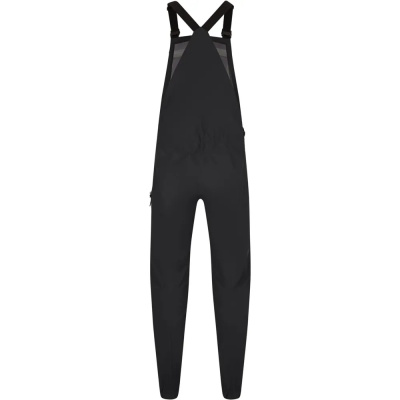
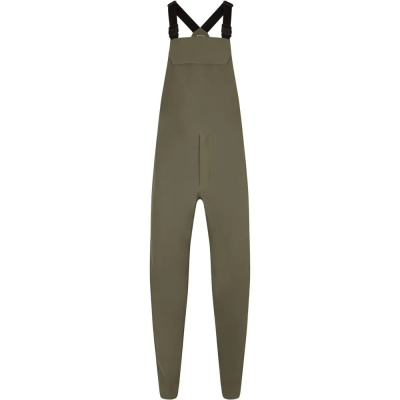
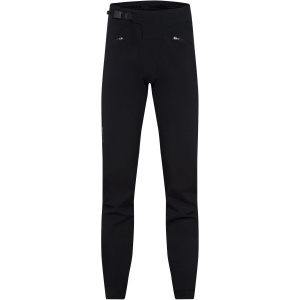
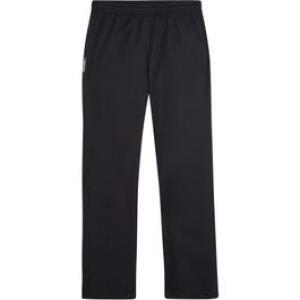
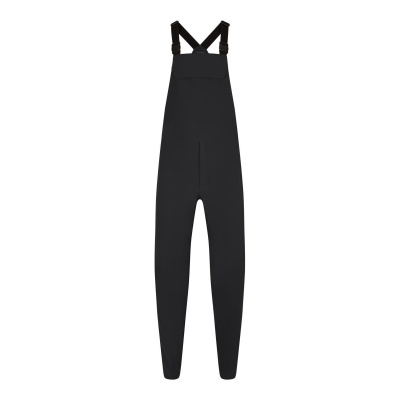
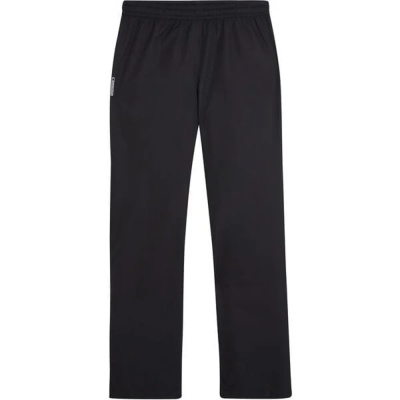
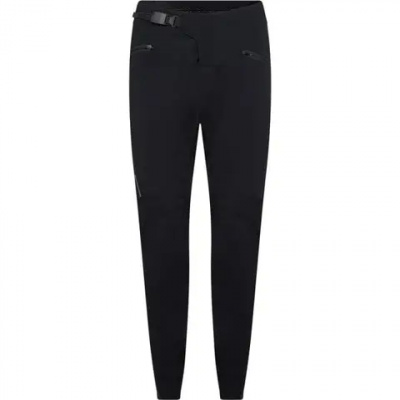
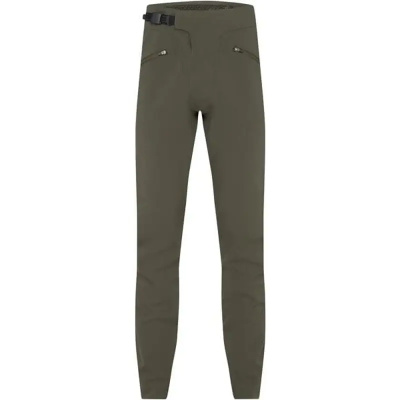
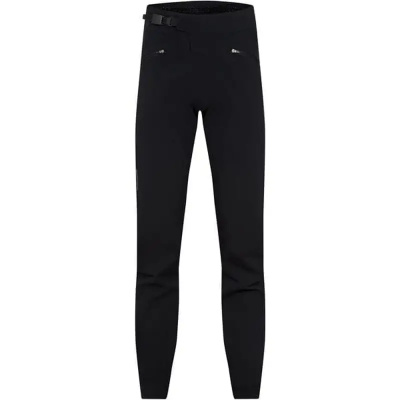
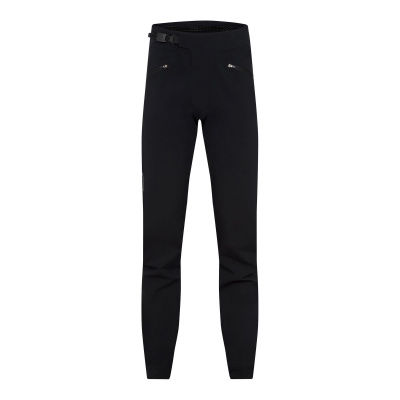
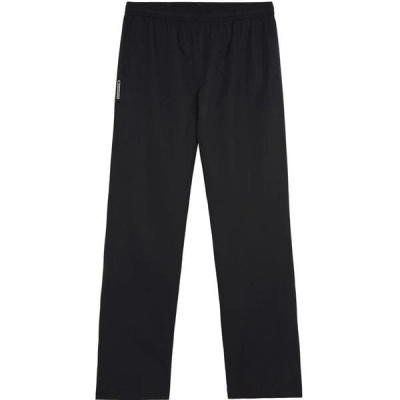
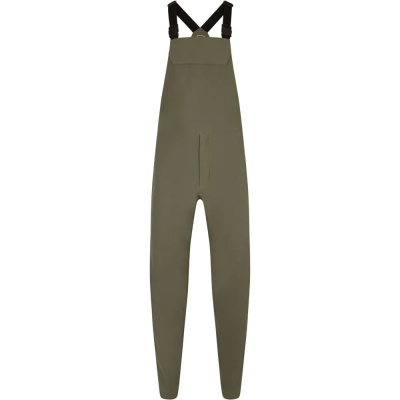
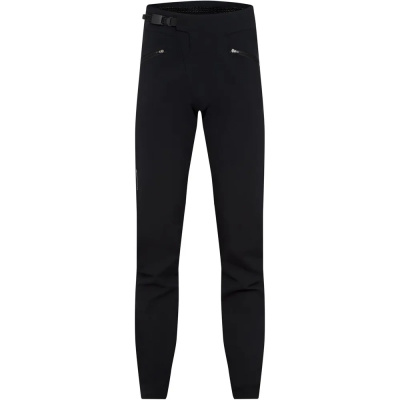
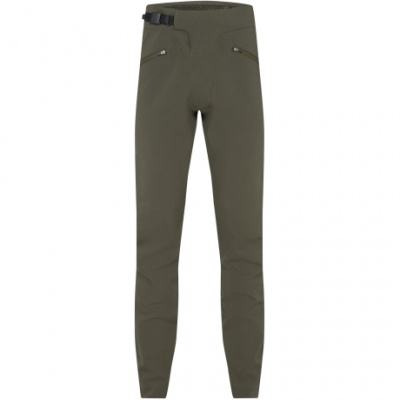
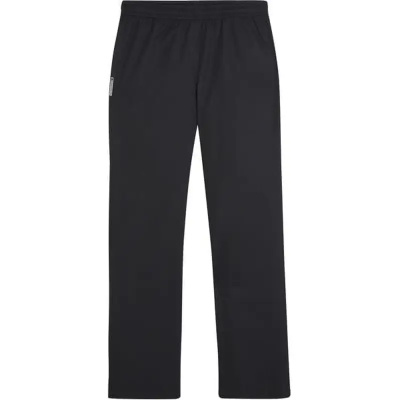
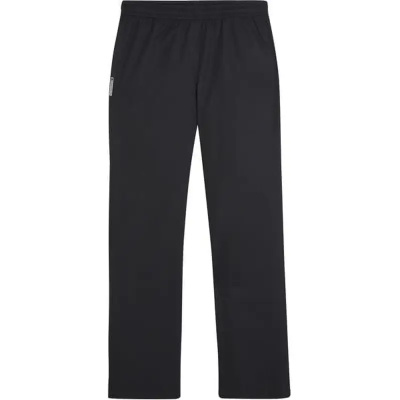
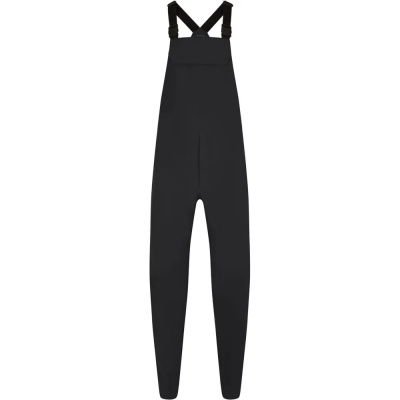
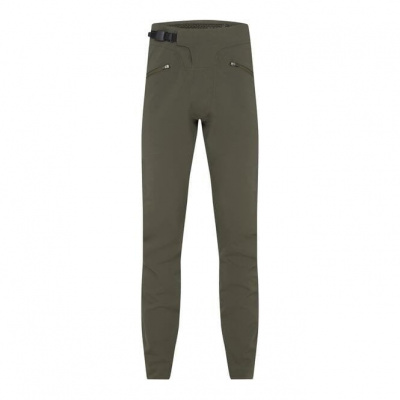
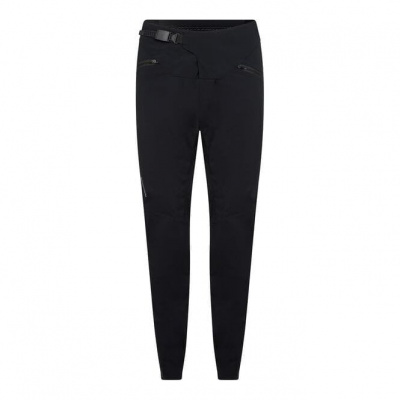
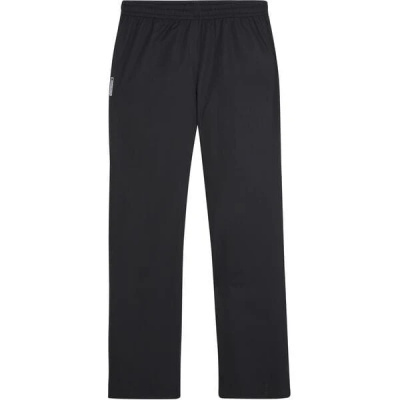
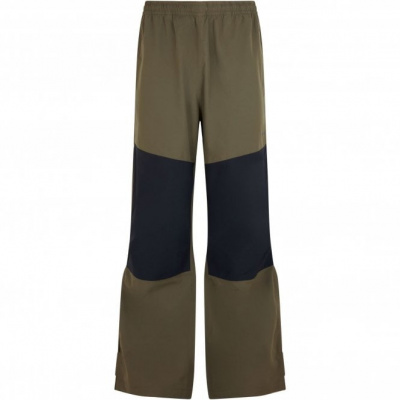
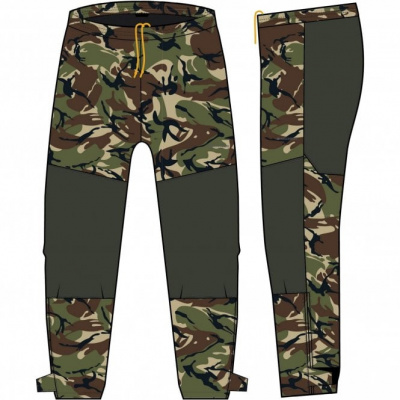
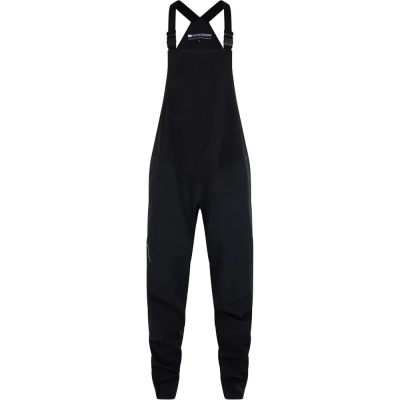
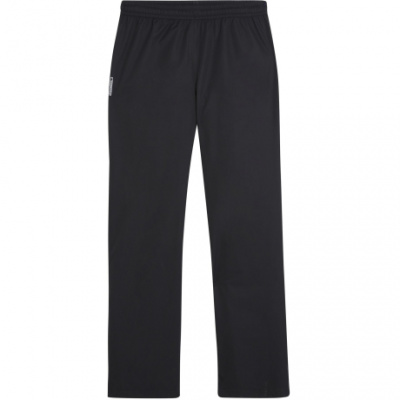

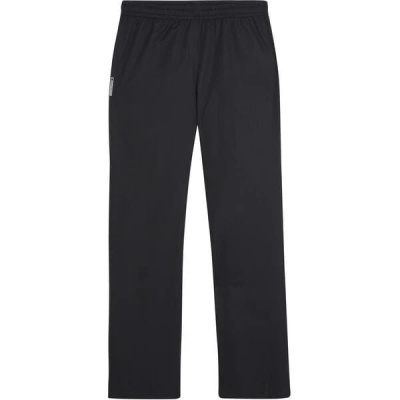
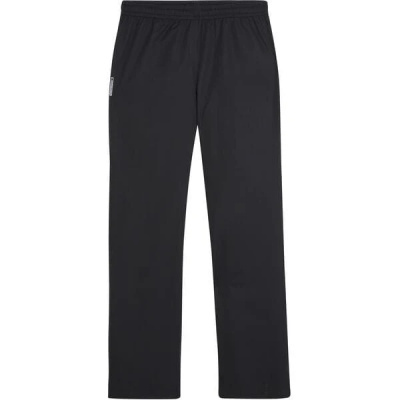
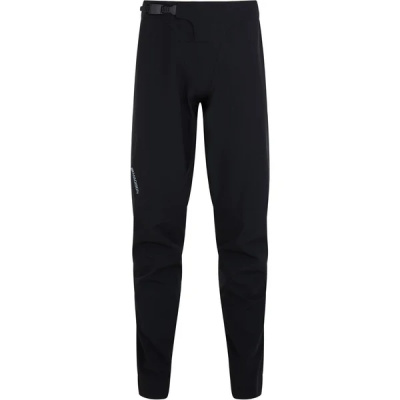

Prices and availability can change quickly. Delivery charges are not always included in listed prices.
Final price, stock status and delivery terms are set by retailer. We may receive a commission on purchases made.
Fabric Tech and Weather Performance
The waterproofing story starts with the fabric construction. Madison uses both 2.5-layer and 3-layer waterproof fabrics across the range, and the difference matters depending on how you ride. A 2.5-layer fabric bonds a waterproof membrane to the outer face fabric with a printed inner coating rather than a full lining - it's lighter, packs smaller, and suits riders who want an emergency layer rather than a daily driver. A 3-layer construction laminates the membrane between a face fabric and a separate inner lining, giving you noticeably more durability and a more comfortable feel against skin or kit. For commuting through a Scottish winter or sessioning muddy trail centres in Wales, the added robustness of a 3-layer build is worth carrying.
The hydrostatic head rating tells you how much water pressure the fabric can resist before it starts leaking - Madison typically hits 10,000mm or above, which is more than enough for heavy, sustained UK downpours. That figure only holds if the seams are sealed too, which is why fully taped seams matter so much. Even a highly rated fabric will let water in at every stitch line if the seams aren't taped, and you'll feel it quickly on a wet climb.
Breathability is the harder side of the equation. Waterproof membranes inherently resist moisture in both directions, so there's always a trade-off between keeping rain out and letting sweat vapour escape. Madison's breathable membranes manage this reasonably well for steady-effort riding, and some models include ventilation zips at the thigh or knee for when the pace picks up. On a long road sportive in driving rain, you'll likely still feel some warmth building - that's the nature of any waterproof layer - but you won't feel like you're wearing a bin bag. The DWR (Durable Water Repellent) finish on the outer fabric is worth mentioning separately: it causes rain to bead and roll off rather than saturating the face fabric, which keeps the membrane breathing as efficiently as possible. Once the DWR wears down, breathability drops noticeably - more on maintaining that below.
Understanding the Madison Fit and Range
Madison overtrousers are cut to go over your existing kit, not replace it. That means a relaxed, generous fit through the hip and thigh - roomy enough to pull over bib tights, jeans, or thermal trousers without feeling like you're wrestling into them at the side of the road. The articulated knees are pre-shaped to follow the natural bend of your leg, so there's no fabric pulling tight at the top of the pedal stroke. It's a small detail that makes a real difference over an hour of riding.
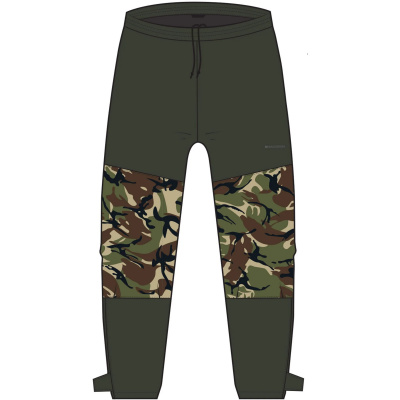
Ankle fit is handled with Velcro or elasticated adjusters at the cuff, letting you cinch the fabric close to keep it out of the drivetrain. It's worth doing up properly - a loose cuff catching the chainring will wreck the fabric quickly, and it's an easy thing to forget when you're cold and keen to get moving. Most models also feature a wide waistband with an adjustable drawcord, which keeps things secure over a range of layering combinations without digging in on longer rides.
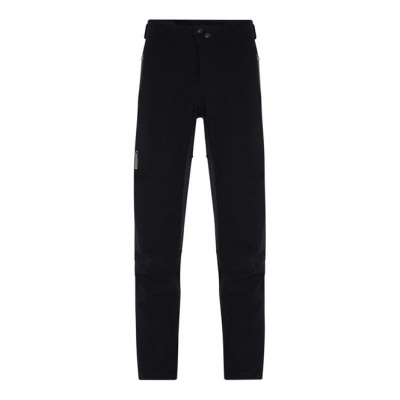
The range spans commuter-focused options with extensive reflective detailing - genuinely useful when you're riding before sunrise in January - through to more trail-oriented builds with abrasion-resistant panels on the inner leg and seat. If you're after Madison waterproof cycling trousers for mixed use, the mid-range commuter models tend to do both jobs adequately. For dedicated MTB use in consistently grim conditions, look at the heavier-duty end of the lineup. Pair them with Madison overshoes and you've covered both ends of the wet-weather problem in one go.
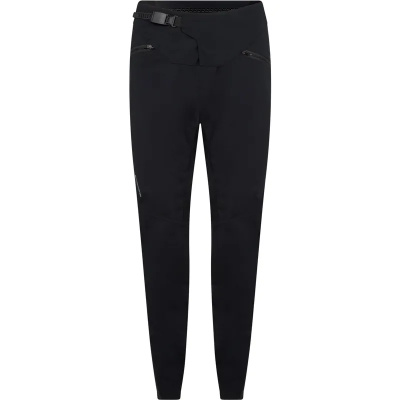
Looking for standalone riding pants rather than a waterproof outer shell? Check out our full range of Madison Trousers for breathable, abrasion-resistant MTB and commuter options.
For the full wet-weather system, Madison jackets are built to the same waterproofing standard and layer consistently with the overtrousers - matching spec across top and bottom makes a noticeable difference to overall coverage. If you want to complete the kit further, Madison gloves are worth considering alongside.
Layering and Care for UK Riding
How you layer underneath makes a significant difference to comfort. For winter road miles, wearing the overtrousers over thermal bib tights gives you warmth management without bulk - the tights handle insulation, the shell handles rain. For a wet commute where you're cycling to the office in regular clothes, they pull straight over jeans or chinos without fuss. That versatility is part of the point with packable waterproof cycling trousers - chuck them in your bag on a day that looks threatening and pull them on if it turns.
Care is where a lot of riders go wrong and quietly kill the performance of their kit. Biological detergents and fabric softeners both degrade the DWR coating over time, and softeners in particular clog the membrane and hammer breathability. Wash at 30 degrees using a dedicated tech-wash - products like Nikwax Tech Wash are widely available and make a real difference. Once clean, reproofing with a wash-in or spray-on DWR treatment restores water beading. You'll know the DWR needs attention when the outer fabric starts to wet out (darken and saturate) rather than shedding water. Some riders find that tumble-drying on a low heat after washing also helps reactivate the existing DWR treatment - worth trying before reaching for the proofer. Treat the kit well and it'll last several seasons without the waterproofing losing its edge.
Madison Overtrousers FAQs
Do I need to size up for Madison overtrousers?
Generally, no. Madison overtrousers are cut with a relaxed fit designed to pull over cycling kit or regular clothing underneath, so your standard size should work. The only exception is if you're planning to wear them over particularly bulky winter trousers - in that case, sizing up gives you more comfortable clearance.
How waterproof are Madison cycling overtrousers?
Very capable for UK conditions. Madison typically spec a waterproof rating of 10,000mm hydrostatic head or above, backed by fully taped seams and a DWR outer finish. That combination handles heavy, sustained rain on a commute or a long trail ride without letting water through at the seams or face fabric.
How should I wash waterproof cycling overtrousers?
Wash at 30 degrees using a tech-wash like Nikwax - avoid biological detergents and fabric softeners entirely, as both degrade the DWR coating and reduce breathability. Periodically follow up with a wash-in or spray-on DWR reproofer to restore water beading. A low-heat tumble dry after washing can also help reactivate the existing treatment.