
Madison Overshoes
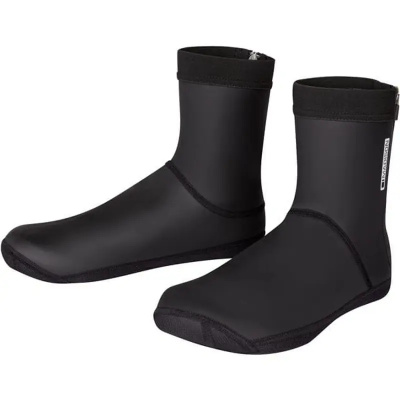
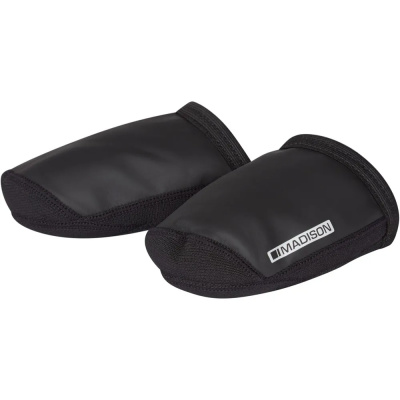
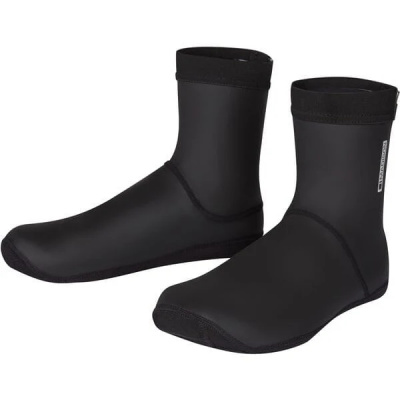
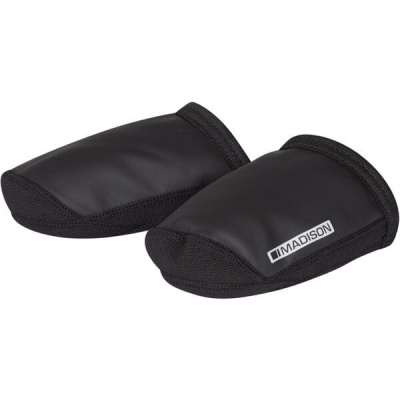
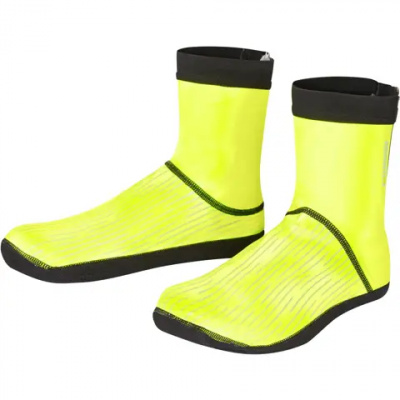
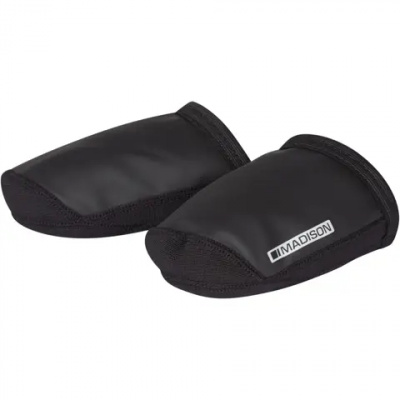
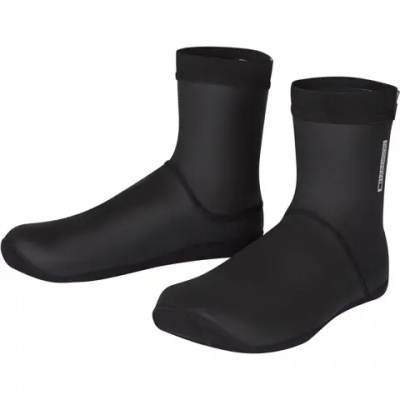
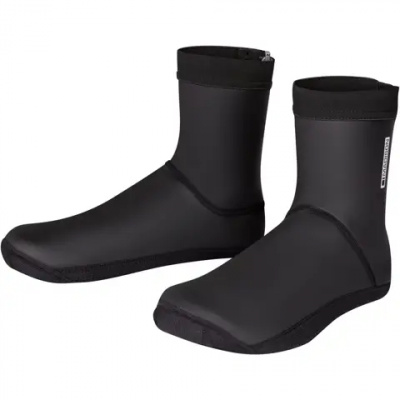
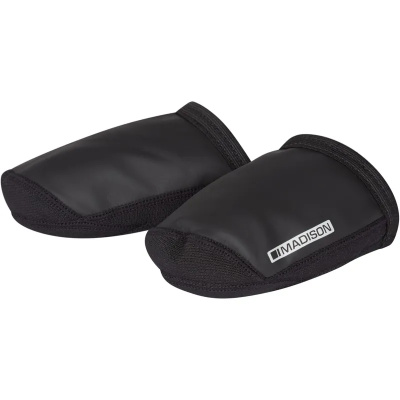
Madison overshoes have become a staple for UK riders who refuse to let a grim forecast cut the ride short. Cold feet aren't just uncomfortable - they're distracting, and once the chill sets in past the first climb, you're managing misery rather than miles. Madison's range tackles that problem head-on, covering everything from deep-winter neoprene boots for freezing base miles to lightweight, PU-coated aero covers for wet spring sportives where every gram counts.
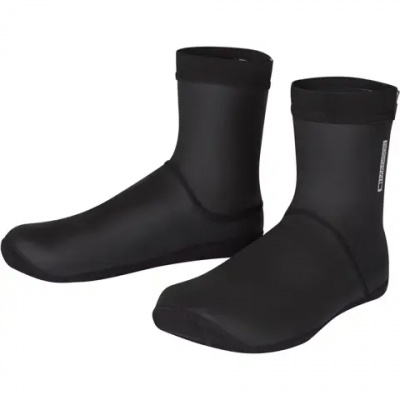
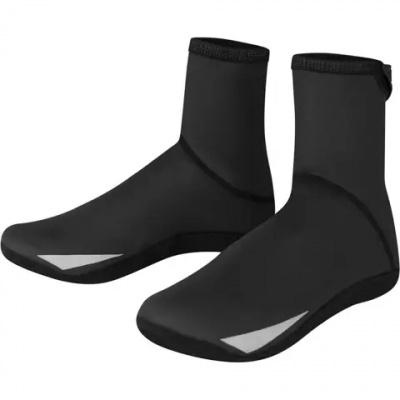
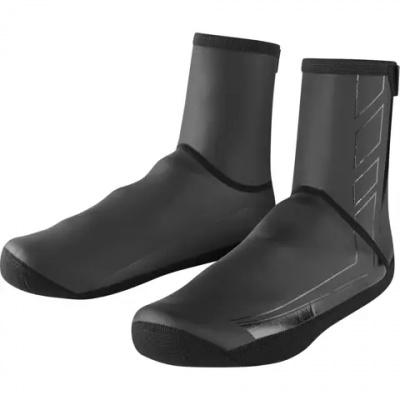
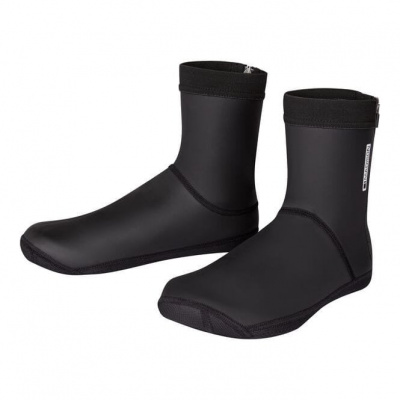
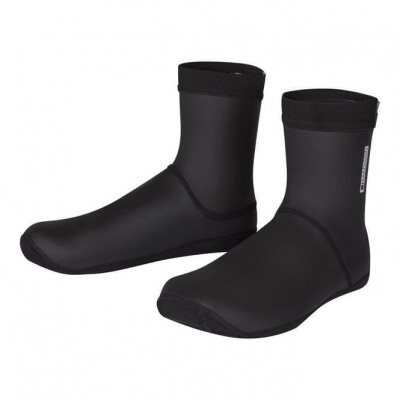
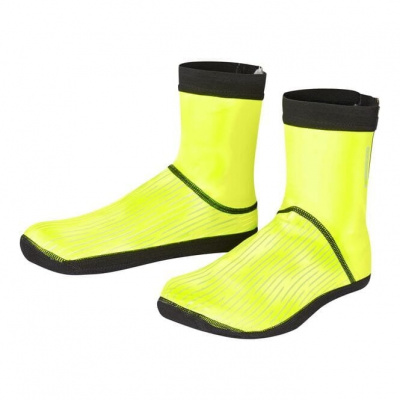
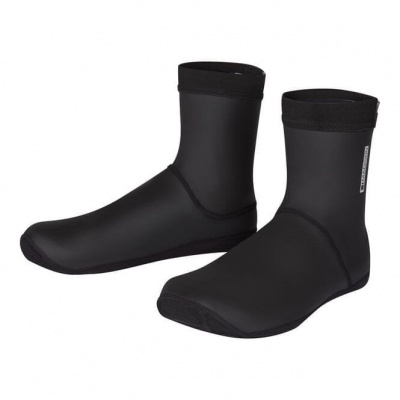
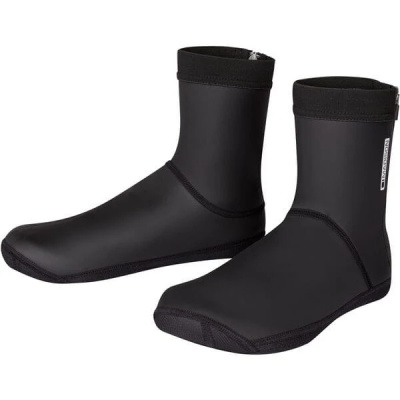
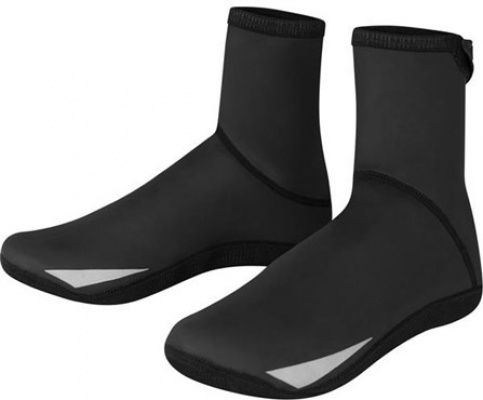
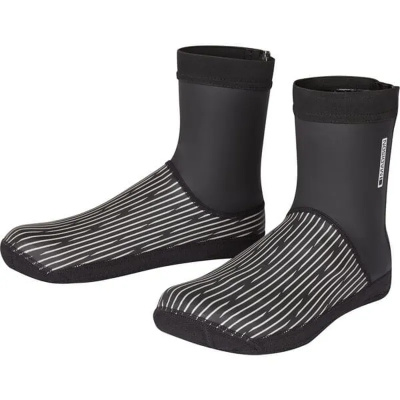
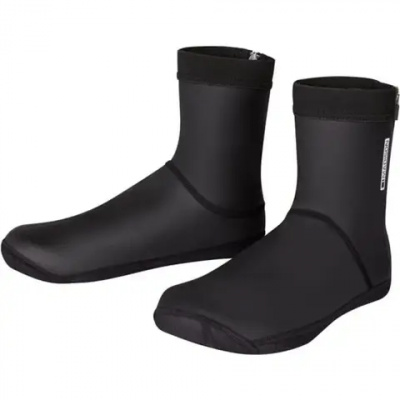
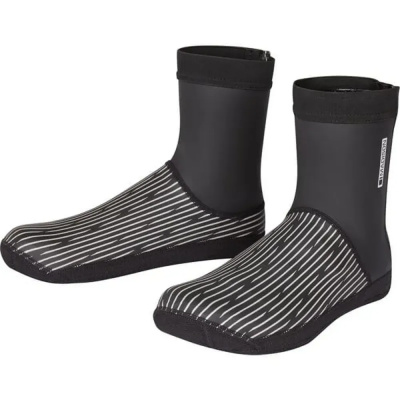
What makes these worth your attention is the specificity of the engineering. Taped seams stop road spray tracking inside the cuff. Kevlar-reinforced sole panels handle the abrasive grit you find on UK winter roads - the kind that chews through cheaper overshoes the first time you put a foot down at a junction. Reflective detailing keeps you visible on dark November commutes without looking like an afterthought. Whether you're grinding through a wet Welsh valley or trying to keep your toes alive on a frosted Peak District loop, there's a Madison option built for that specific misery. The range spans thermal, waterproof, and windproof constructions, so you're not just buying one overshoe and hoping it covers every condition.
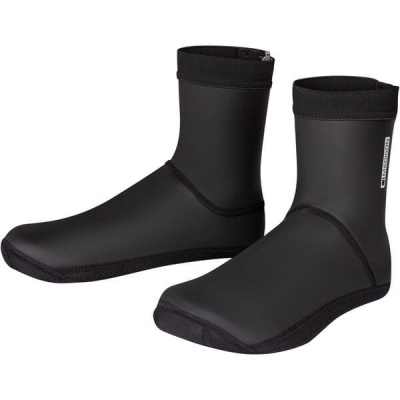
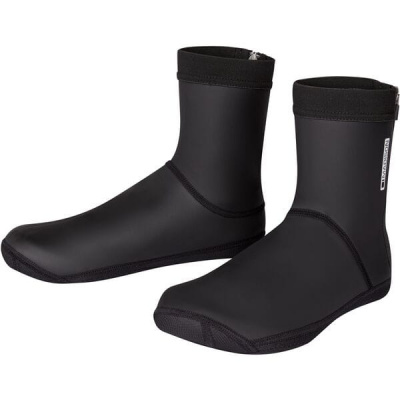
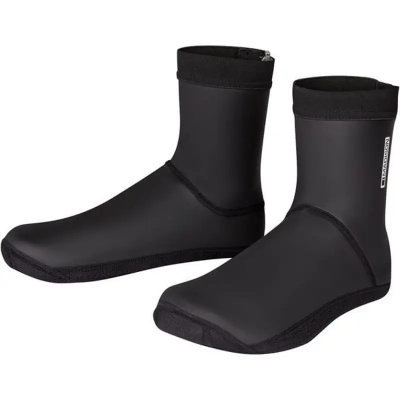
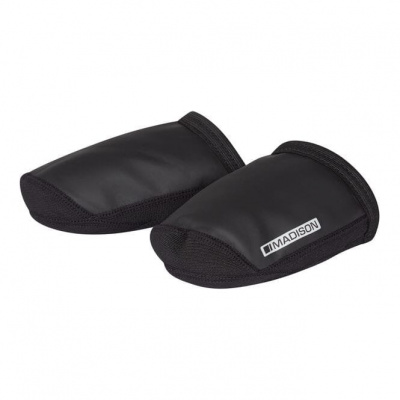
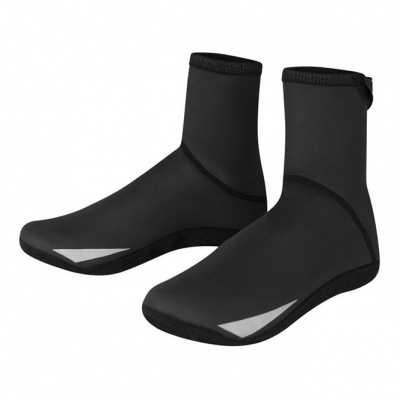
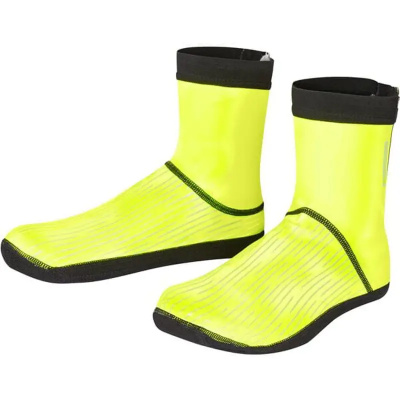
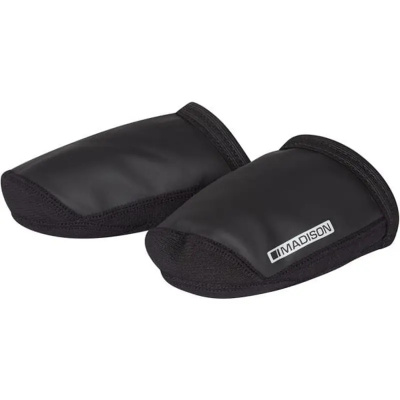
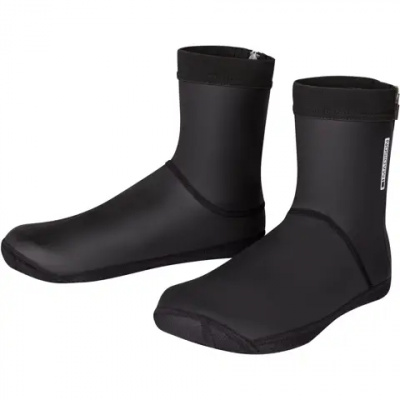
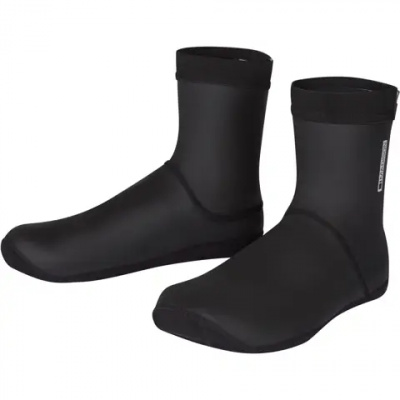
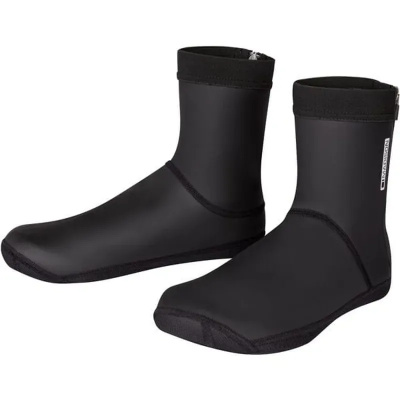
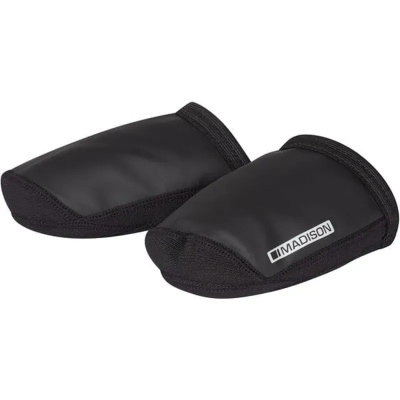
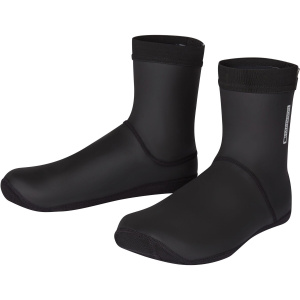
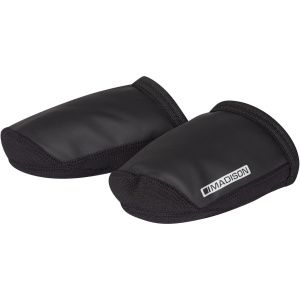
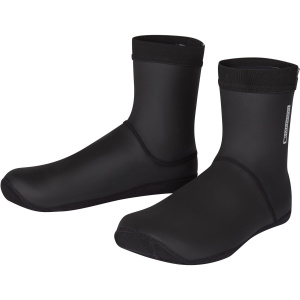
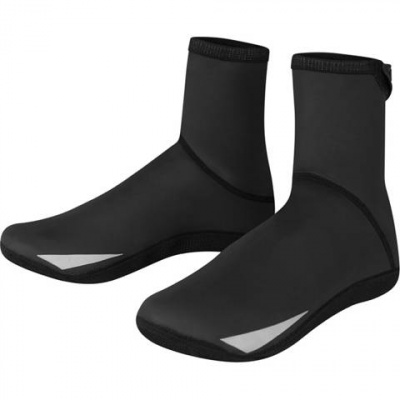
Prices and availability can change quickly. Delivery charges are not always included in listed prices.
Final price, stock status and delivery terms are set by retailer. We may receive a commission on purchases made.
Fabric Tech and Weather Performance
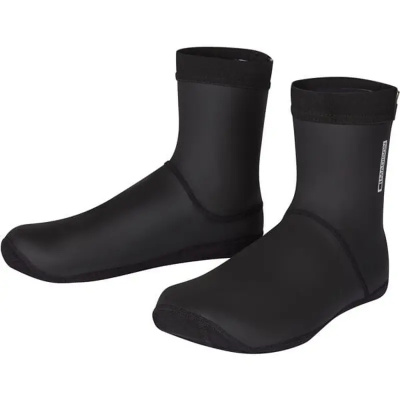
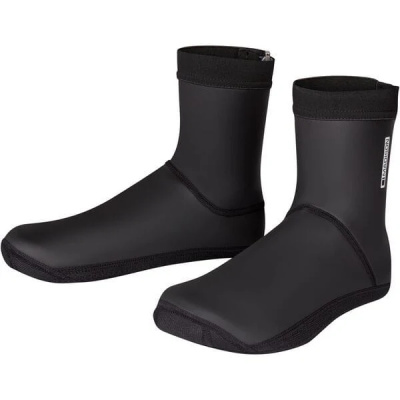
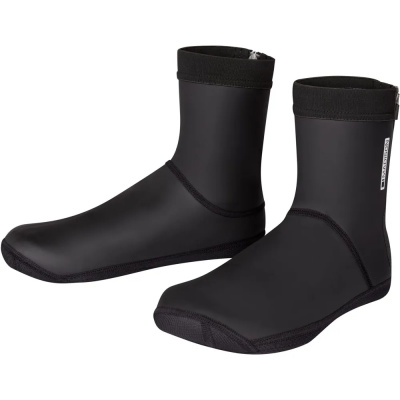
The core split in Madison's overshoe lineup comes down to neoprene versus PU coating, and choosing between them depends on what the sky is actually doing rather than what the forecast promised. Thick thermal neoprene is the material for genuinely cold, dry-to-damp days - think sub-five-degree mornings where windchill is the enemy. Neoprene traps a thin layer of warmth against your shoe and resists wind penetration effectively, making it the right call for winter training blocks where temperatures stay low and rain isn't hammering down.
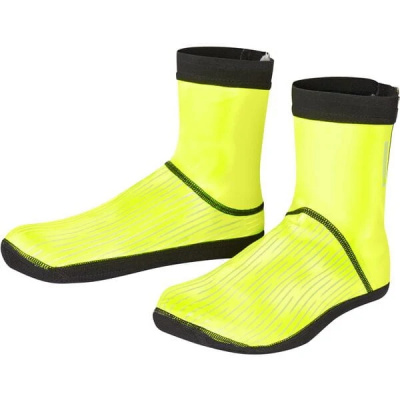
When the rain is the problem rather than the cold, PU-coated fabrics with taped seams are where Madison earns its keep. The PU layer blocks water at the surface, and taped seams close the needle holes that standard stitching leaves open - the gaps that let road spray wick inside within the first twenty minutes on wet roads. A DWR (Durable Water Repellent) finish on the outer fabric helps bead standing water off before it has a chance to saturate. It's not magic, but it's meaningfully better than an uncoated fabric overshoe in a heavy shower.
The Kevlar-reinforced sole panels deserve a mention, because overshoes live and die at the bottom. UK winter roads are coated in grit and sharp debris, and every time you unclip at a set of lights, that sole takes a hit. Cheaper options wear through in a season. Kevlar panelling resists that abrasion properly, keeping the sole intact so water doesn't start tracking in through the wear points. If longevity matters to you - and at the price of a decent pair, it should - it's a detail worth checking on the specific model you're considering.
Understanding the Madison Fit and Range
Overshoe fit is less forgiving than most cycling kit, because you're stretching a second skin over a shoe that already has a fixed shape. Madison's range covers two broad fit profiles, and picking the wrong one creates its own problems.
Road-specific overshoes are cut snug and low-profile, designed to wrap cleanly around road cycling shoes with their narrow lasts and recessed three-bolt cleat systems. The fit is deliberate - tight enough to stay put at speed without ballooning in the wind, with cleat cutouts shaped for road cleats specifically. If you're running MTB shoes with chunky soles and SPD cleats, these won't work well. The cleat cutout won't align, and the narrower cut will fight you on every fit.
For commuters and off-road riders running SPD setups, Madison's wider-cut options accommodate the broader sole profile and deeper tread of MTB footwear. The ankle cuff tends to be more generous too, which matters if you're layering over thicker winter socks. Speaking of which - Madison cycling socks are worth pairing here, since a thermal sock under a well-fitted overshoe makes a real difference on cold mornings without adding bulk that disrupts the fit.
On sizing: Madison overshoes generally run true to your cycling shoe size, but if you're between sizes or running particularly voluminous winter shoes, go up. A snug ankle fit is what keeps water out - if there's a gap at the cuff, the waterproofing doesn't matter much. Check the size chart on each specific model, because the fit profile can vary across the range. If you're also considering Madison leg warmers for layering, sort your overshoe fit first - the two interact at the ankle, and you want the overshoe cuff sitting cleanly underneath.
Layering and Care for UK Riding
There's one layering mistake that costs riders on wet days more than any kit choice: pulling bib tights inside the overshoe cuff. Rain runs straight down your leg and pools inside the shoe within the first mile. Pull the tight leg over the outside of the overshoe cuff instead, so water sheds away from the opening. Simple change, genuinely effective. Pair that with Madison gloves and you've closed off most of the gaps cold air finds on a winter ride.
On the care side, overshoes are often treated like an afterthought until they stop working. The DWR finish and PU coating that make Madison's waterproof options effective are both sensitive to heat and fabric softener. Machine washing at high temperatures degrades the DWR treatment faster than riding in the rain ever would. A hose down after a muddy ride, or a sponge clean with cold water and a small amount of mild detergent, is all they need. Let them air dry away from direct heat - radiator drying is a shortcut to a cracked PU layer.
If you want to refresh a DWR coating that's starting to wet-out (you'll notice water soaking in rather than beading), a wash-in DWR reproofing product applied after cleaning can restore performance meaningfully. It won't work forever, but it extends the life of a good pair by a season or more. Worth the effort on quality overshoes. If you find your lower legs still taking a soaking despite good overshoes, Madison overtrousers close that gap and keep the whole lower leg dry in sustained rain.
Madison Overshoes FAQs
How do I choose the right size Madison overshoes?
Madison overshoes generally fit true to your cycling shoe size. That said, if you're running bulky MTB shoes or thick winter footwear, size up - a snug ankle cuff is what keeps water out, so a loose fit defeats the purpose. Always cross-reference the size chart for the specific model, as fit profiles vary across the range.
Are Madison overshoes fully waterproof?
Models with PU coatings and taped seams offer strong protection against road spray and heavy rain - genuinely good in most UK conditions. In sustained downpours, some water can eventually enter through the cleat cutout at the bottom, or run down bare legs into the top of the cuff if you haven't layered correctly. They're highly water-resistant rather than categorically waterproof.
How do you put on tight cycling overshoes?
Work the overshoe onto your ankle before your foot is in the shoe. Then put your cycling shoe on normally, and pull the overshoe down over the heel and toe last. It sounds backwards, but it takes all the strain off the fabric and makes fitting tight neoprene far easier - particularly on colder mornings when the material is stiff.